How Messi Won the World Cup for Argentina: The Full Breakdown

Introduction
Messi shouldered the burden of an entire country of Argentina. For many years, comparisons with Diego Maradona were never far from the young Argentine player. He had conquered Europe, broken records, and won all possible trophies.
That missing trophy became the core conflict of Messi’s career. Painful defeats in the 2014 World Cup final and multiple Copa América losses created enormous pressure. His leadership was being challenged by the critics, whereas the supporters were afraid that the next golden generation will come but fail to bring success to Argentina.
However, Qatar 2022 was a new chapter for Argentina as their captain led them through great tactics, leadership, and some pure genius.
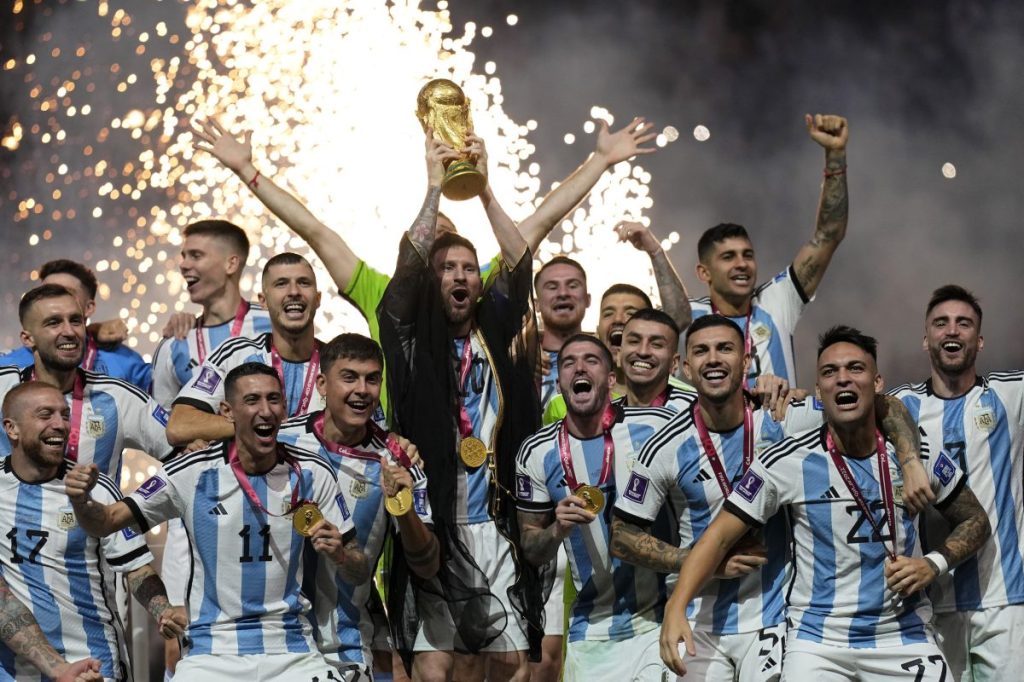
Image Source: InDaily
Transforming the Mindset: The New Age Leadership Of Messi
From Individual Messi to Team Leader
During the initial years of his career outside the country, He was perceived as a person who was always alone.. Argentina relied solely on him to perform wonders for the national side, and whenever anything went south, it led to frustrations.
But by the year 2022, he had evolved into a wise and calm leader.
Now he did not have to do everything alone as a player; on the contrary, he inspired the younger generation, like Julián Álvarez. The confident nature of He created a setting where people were working together as one team.
Messi never asked for perfection but instead instilled confidence.
The “Win at All Costs” Attitude
From the outset, the Argentinian side arrived to play the tournament with fire and determination. Despite any hiccups, they were never out of contention, determined to win and do whatever was required.
They recounted how he instilled this mindset in them inside the locker room, where every fight, every ball, and every second counted.
It was a mindset that made those gifted Argentines world champions.
Dealing With 45 million Fans’ Expectations
Psychologically speaking, this was quite hard on Messi as the best football player in the world. The nation was used to failing, and he was always considered incapable of leaving behind an enduring legacy such as Maradona had done.
Instead of reacting to outside noise, He simplified his focus. Match by match, he concentrated only on the next challenge. His body language throughout the tournament reflected calmness rather than anxiety.
That emotional control became one of his greatest strengths.
Tactical Mastery: Scaloni’s Game Plan With Messi
Building the System Around the “10”
The coach of Argentina, Lionel Scaloni, designed the strategy around Messi. He was allowed to remain in the area between midfield and attack without any pressure of defense.
This created more opportunities for Messi to use his touch skills in dangerous areas, where he got the ball constantly in the last third to create threats for the opposition. Instead of forcing Messi to run endlessly, Scaloni made the entire structure work around his strengths.
The Role of the Midfield Engine
The Argentine midfield made a critical contribution in ensuring that their team claimed victory. Strength and energy were provided by Rodrigo De Paul and Alexis Mac Allister.
This approach enabled the team to regain possession of the ball within a short while and enabled the Argentine star to orchestrate an attack. It was essential that Messi conserved his energy and let the mid-fielders be physical.
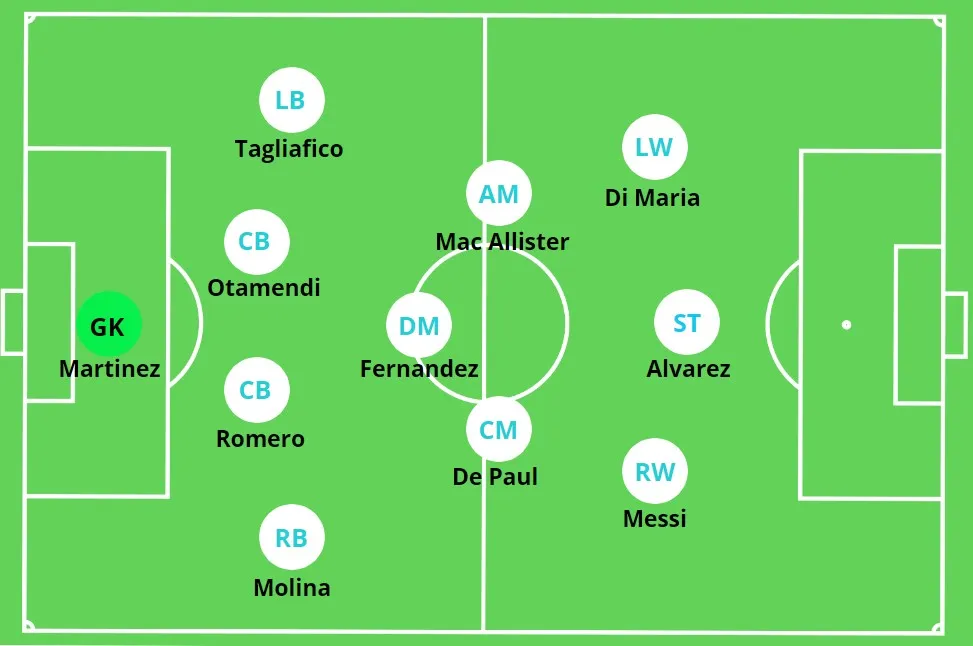
Image Source:TheMastermindSite
Exploiting the Spaces of Messi
Messi’s movement between defensive lines confused opponents throughout the tournament. Defenders struggled to decide whether to step forward or hold position.
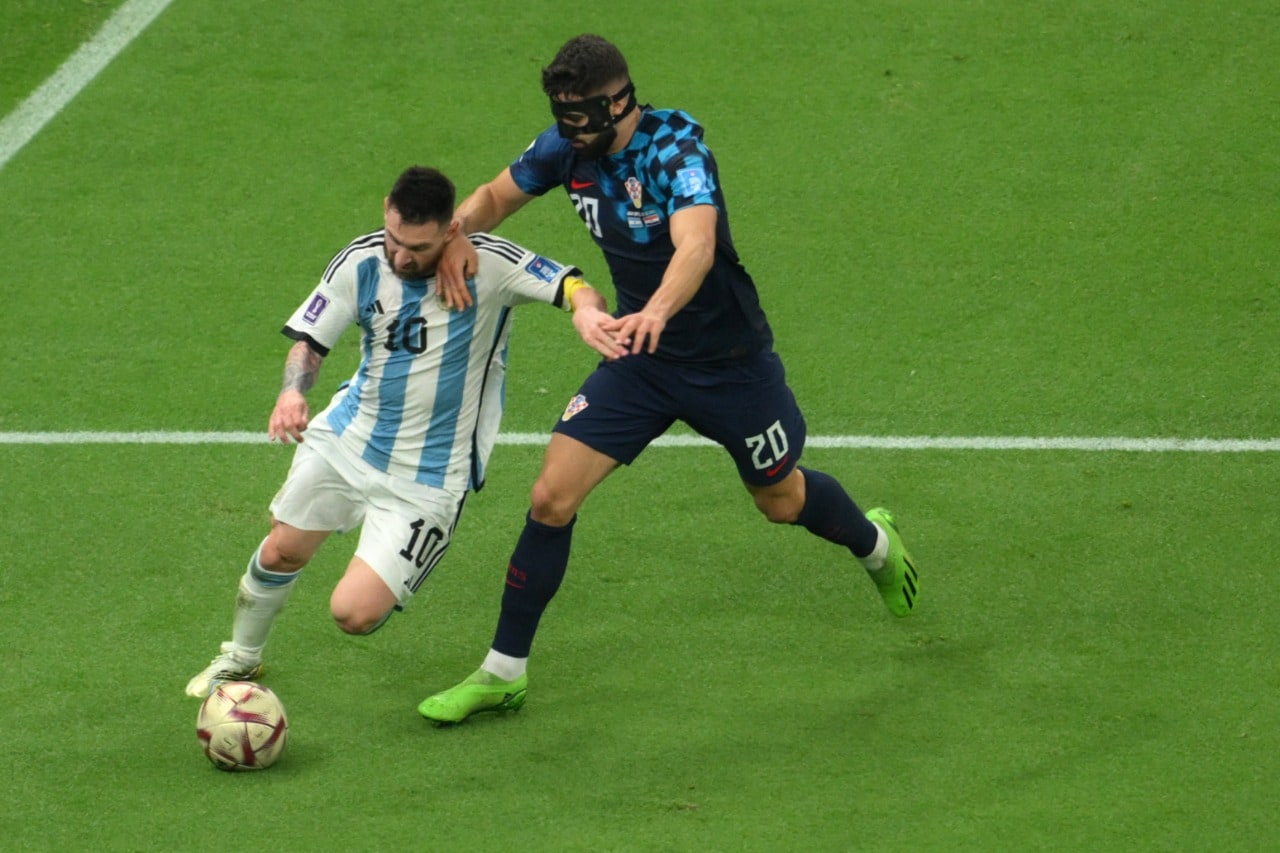
In knockout matches, his vision became devastating. Against Croatia, his dribble and assist for Álvarez showed perfect timing and awareness. Against the Netherlands, his defines splitting pass created one of the tournament’s best assists.
Messi didn’t just score—he controlled space itself.
Key Matches: The Path to the Final
The Surprise Defeat and the Instant Comeback:
When Argentina lost their first game to Saudi Arabia’s national team, the whole football world was surprised. The goal suddenly seemed unreachable.
However, from the loss came an unexpected advantage: Argentina was not afraid anymore. They knew there was nothing left to lose. Every game was a final one from then on.
In an instant, Messi came through with another vital goal, this time against Mexico, bringing confidence back.
Messi Controlling the Quarterfinals and Semis
When up against the Dutch national football team, Messi showed one of the best performances in the entire tournament. In the semifinal against Croatia national football team, he dominated again. His dribble past Joško Gvardiol before assisting Álvarez became an iconic World Cup moment.
Even during high-pressure situations, his passing accuracy remained elite.
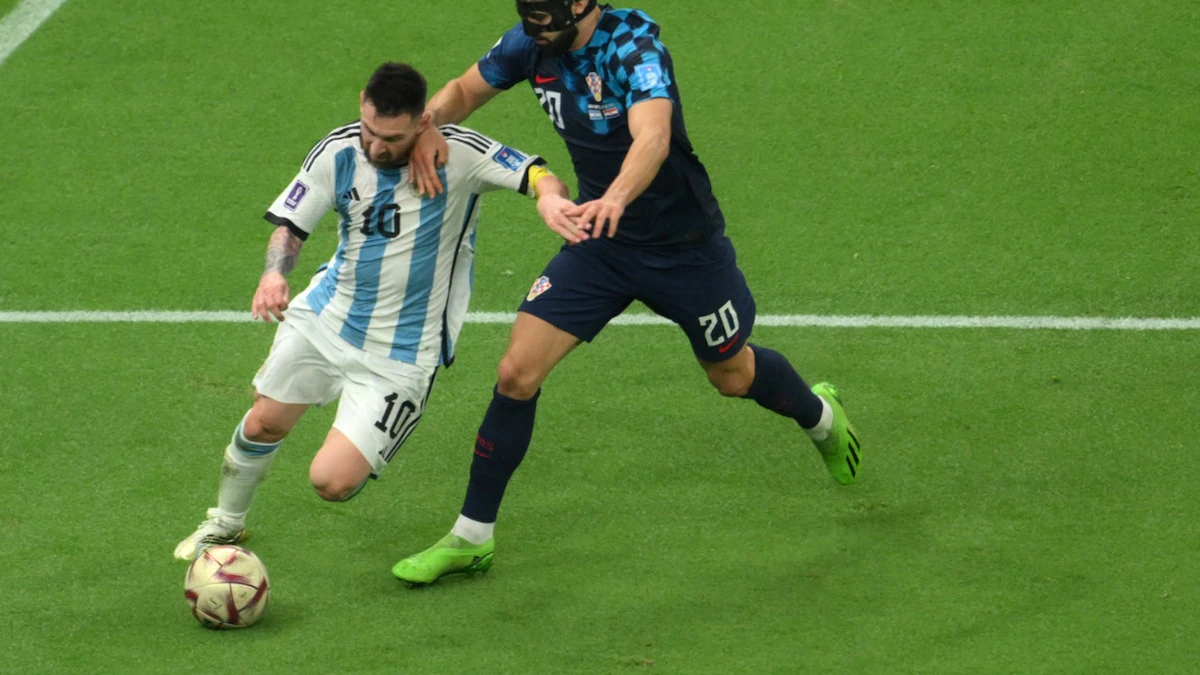
Image Source: NDTV sports
The Final vs France: A Clash of Titans
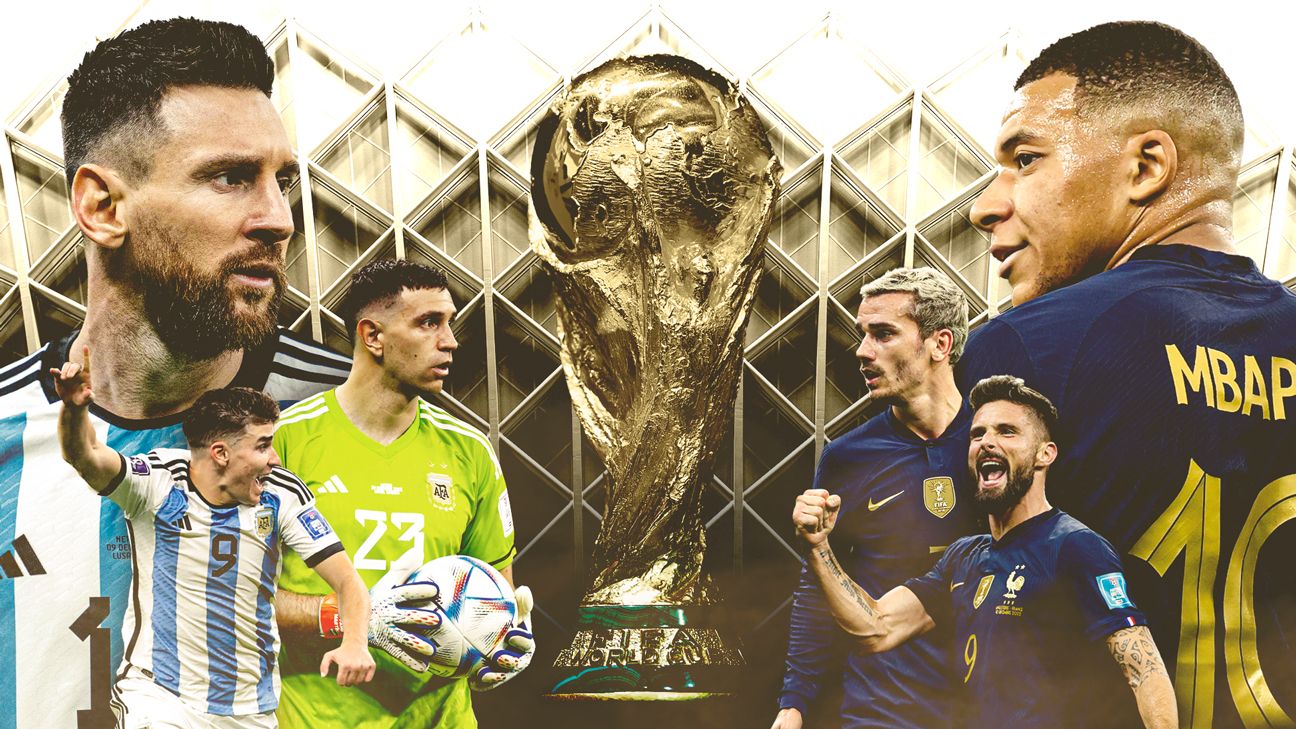
The final against France national football team became one of football’s greatest matches Messi managed to score two goals and always influenced the attacks while remaining calm amid all the chaos.
Despite France’s fightback, Messi kept leading from the front in the extra minutes of the game. During the penalty shootout, his calm finish set the tone for Argentina.
At the 120th minute, when exhaustion overwhelmed everyone else, Messi still demanded the ball.
That was the difference.
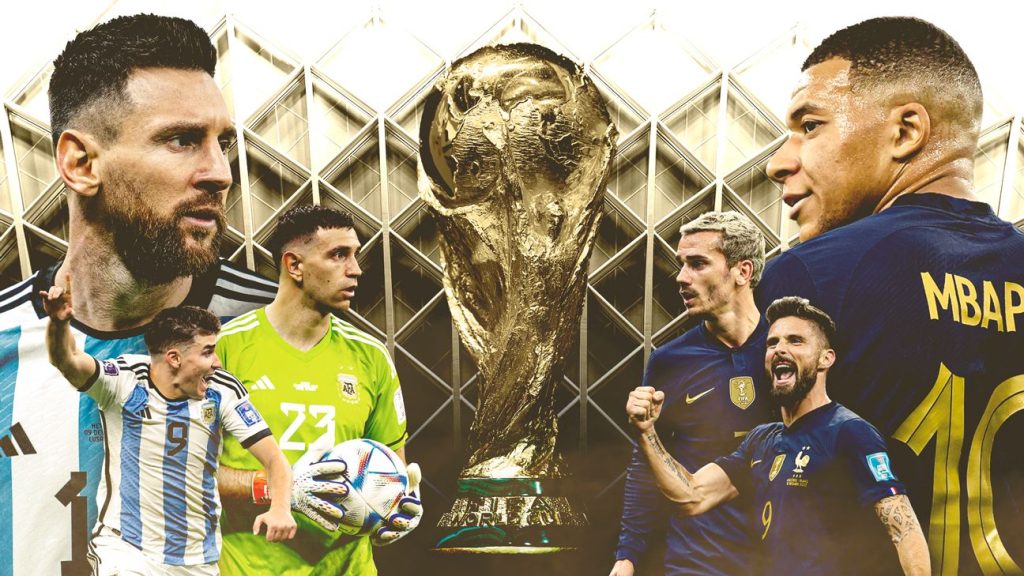
Image Source:ESPN
The Stat Sheet: Impact by the Numbers
Scoring and Assisting Efficiency
Messi finished the tournament with seven goals and three assists. He directly contributed to goals in nearly every match.
He had an edge over many other top players at the World Cup in Qatar because he not only scored but led and influenced as well.
Making Opportunities under Pressure
Lionel Messi was one of the best players at the tournament in terms of making opportunities from set pieces per game.
He could still create chances for his teammates even when heavily tracked by marking defenders.
FIFA Golden Ball Trophy Verification
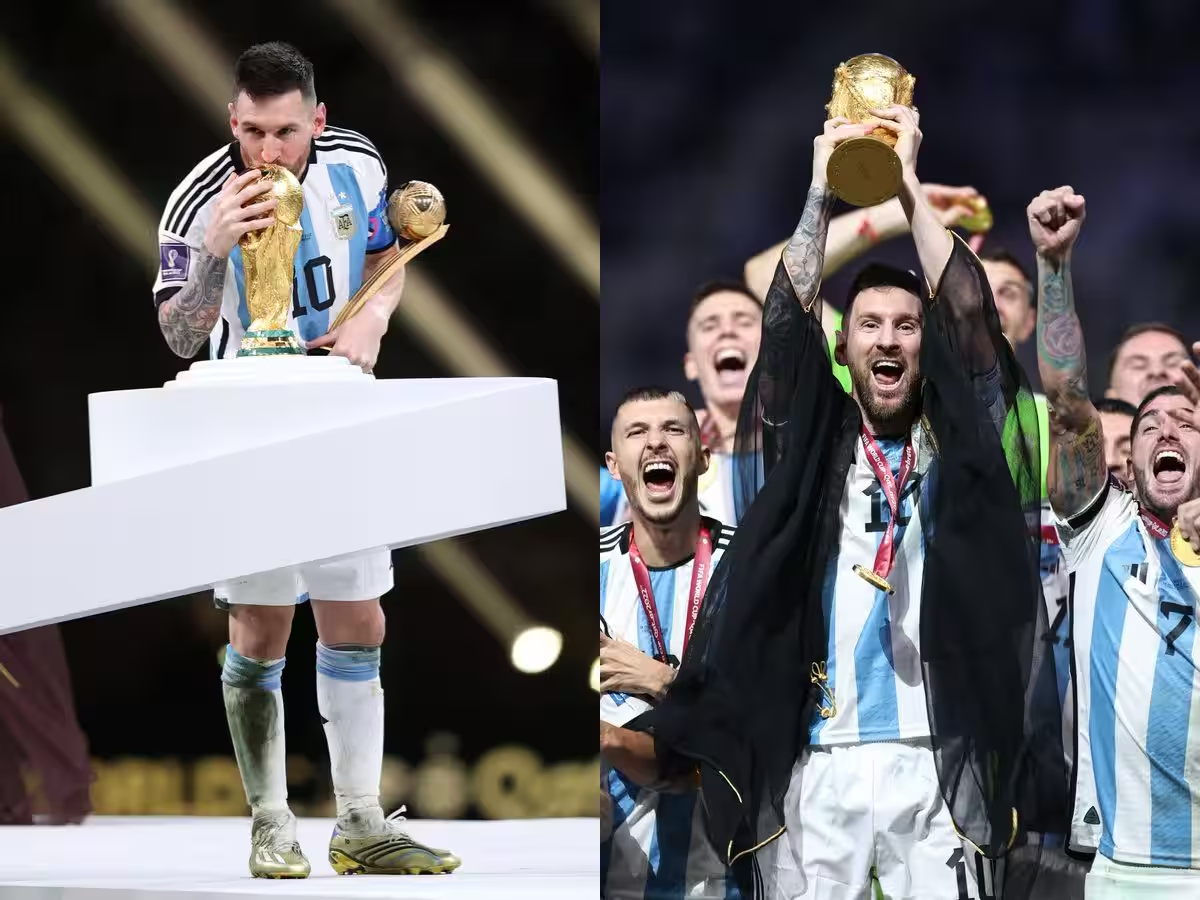
The player who proved to have performed with more technical prowess was given the FIFA Golden Ball Trophy.
It is important to note that the trophy did not come from numbers alone but because of his mental domination on the field.
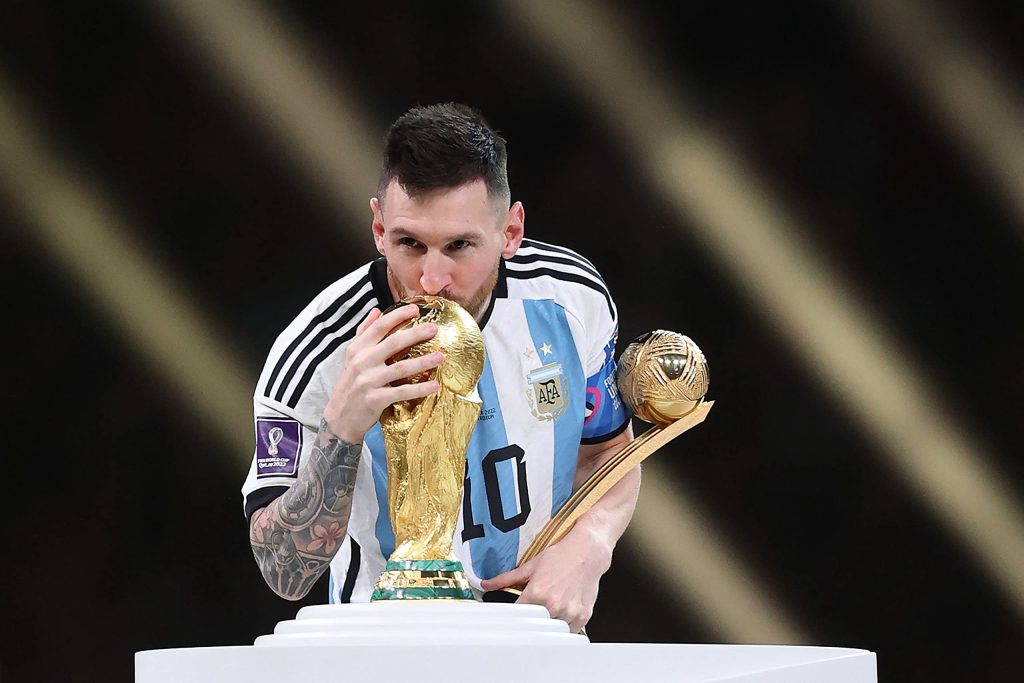
Image Source:Amazon
Takeaways for Athletes and Leaders
Failure as an Instrument to Success
Failure taught Messi lessons that have made him resilient in Qatar.
The message is clear: failure should not stop you unless you give up on your ability to learn from it.
Resilience outweighs quick success.
The Trustworthiness of the Support Network
Why Argentina succeeded was that every individual knew his part. Messi had faith in Scaloni’s tactics, but his teammates made sacrifices for the team’s benefit.
Great leaders never do everything alone; they create trust around them.
Calming Down in the Eye of the Storm
Control is necessary when taking a penalty kick shot. The composure that Messi showed helped him concentrate better.
Deep breathing and visualization exercises can help athletes stay focused and not get distracted. The composure of Messi inspired his whole team.
Conclusion
The performance of Argentina in the World Cup was dependent on tactics, emotional maturity, and the brilliant play of Messi. Messi went from playing solo to becoming a complete leader, supported by his balanced team.
The win at Qatar secured Lionel Messi’s place among the best players to ever play football, if not the best ever. He finally won the one trophy he lacked in his career and when he lifted the World Cup, it felt less like a victory and more like the completion of a beautiful journey.