How to Make Authentic Dum Biryani at Home: A Step-by-Step Guide

Why You’ll Love This classic recipe:
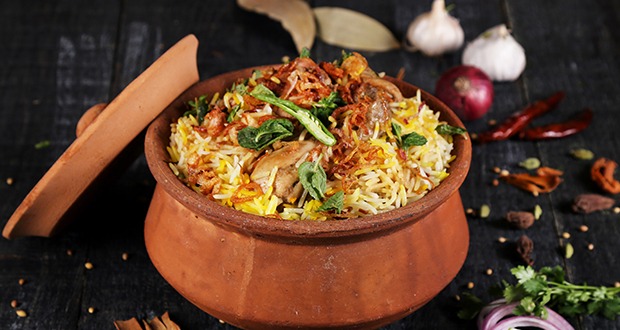
Dum biryani is an authentic Biryani preparation that is cherished for its taste, spices, meat, and layering of the rice. The dish is made using the authentic dum method, which involves the process of cooking the food item in a closed pot where the steam helps seal all the flavors inside. In case you have been wanting to make this dish in the restaurant style at home, this guide will help you understand everything, starting from how to select the right ingredients till the cooking process itself.
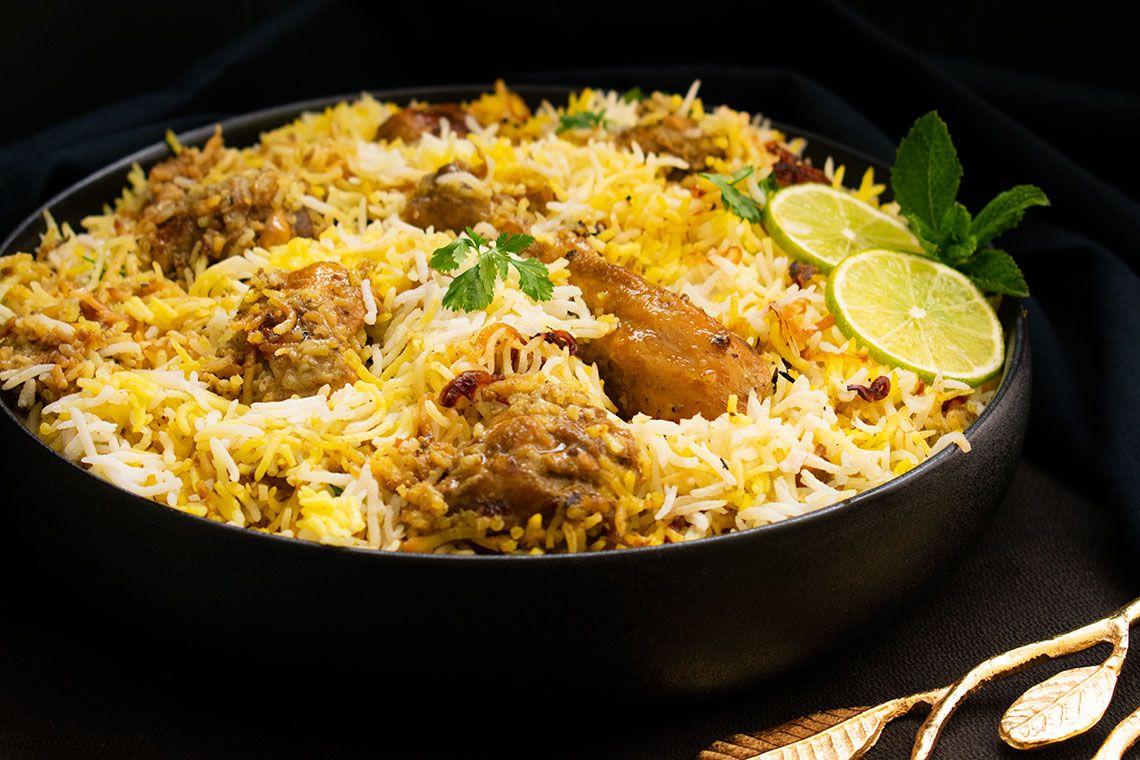
Image Source: Spice and Colour
The Essentials for classic recipe: Ingredients and Gear
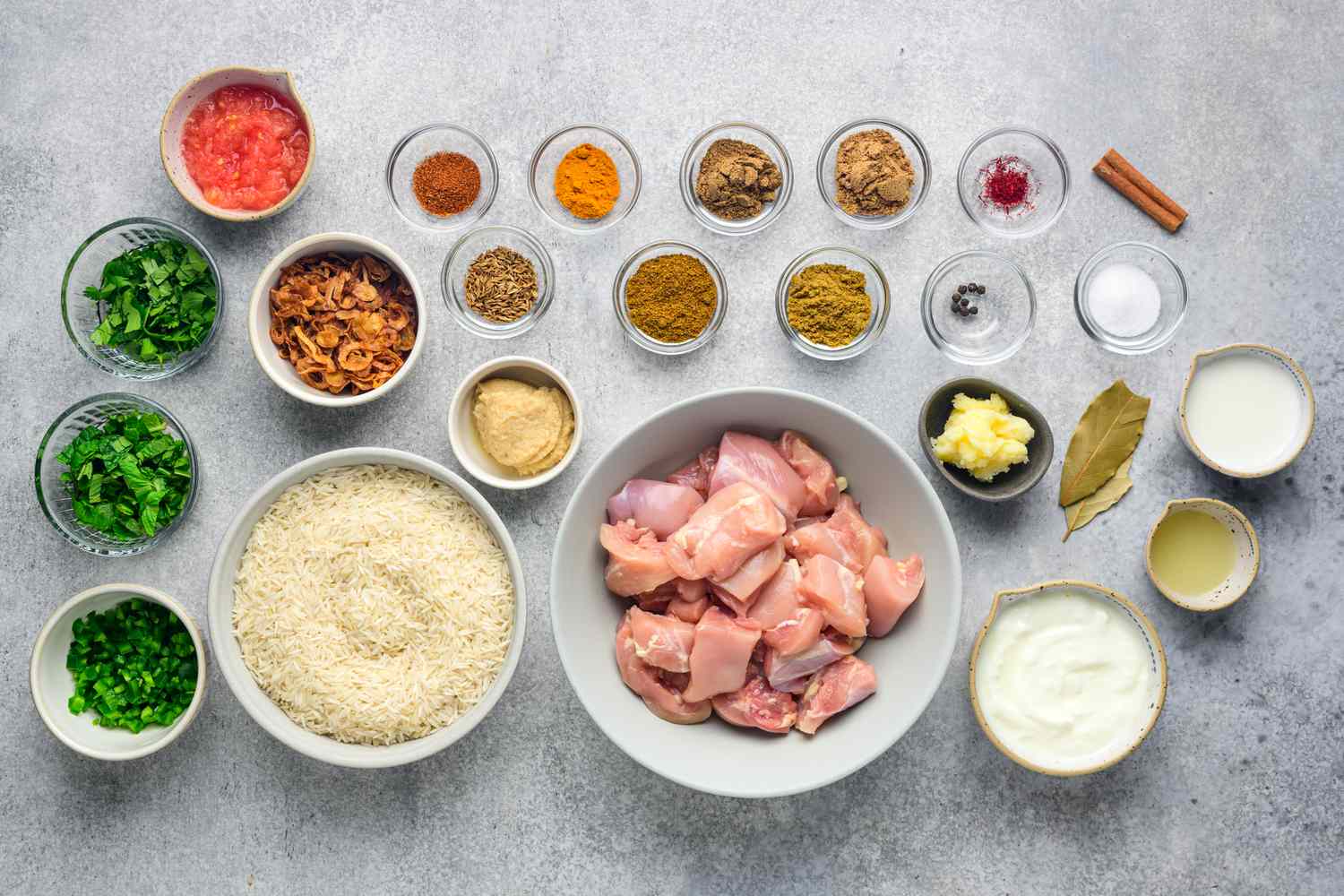
Image Source: The Spruce Eats
Choosing the Right Rice and Meat for Dum Biryani
It is impossible to prepare an excellent Dum biryani without quality raw materials. It is always important that you have old basmati rice, which must be at least two years old. When it comes to meats, you have to choose soft parts of goat, lamb or chicken. Bone in meats are preferable as they provide more flavors when cooking. Whole fresh spices like cardamom, cloves, cinnamon and bay leaf smell better than ground spices.
Must-Have Kitchen Tools
A Handi is a thick-bottomed cooking pot that plays a crucial role in maintaining heat balance during cooking. In order to capture the steam during the dum process, it is necessary to have an air tight lid or one that is sealed with the help of wheat flour.
Building the Flavor Base of Dum Biryani
The fresh ginger and garlic paste makes for better flavor than the canned ones. The crispy fried onions called Birista provide sweetness in taste.
Prepping the Foundation: Marination for making this classic recipe
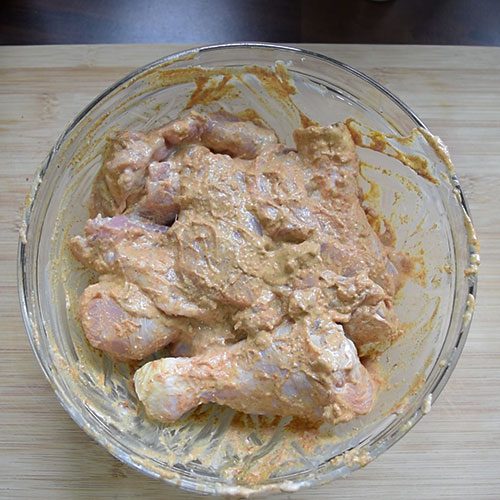
Image Source: Singaporean and Malaysian recipes
The Science of Tenderizing
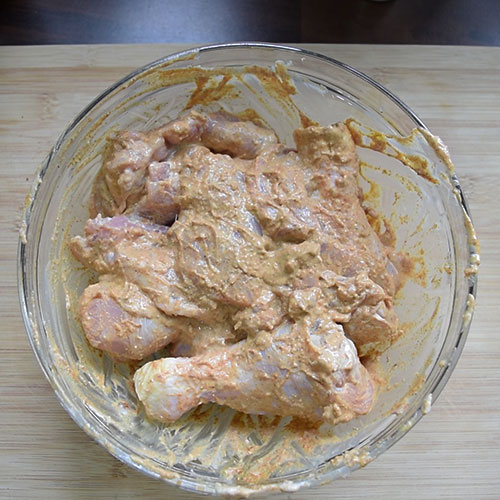
The secret to making meat good and tasty comes in marination. Natural acids found in yogurt play an important role in breaking down protein and make the meat tender. Four hours should be sufficient for marination. Small quantities of papaya paste work well with tough meat.
Balancing the Spices for making the Dum-Biryani
A good marinade will consist of garam masala, salt, red chili powder, turmeric, and coriander powder. The addition of either lemon juice or extra curd will ensure increased levels of acid content that help flavors go into the meat.
The Role of Birista in Dum Biryani
Thinly slice onions and cook them on medium flame until golden brown. Do not use very high temperatures, because onions can burn easily. Allow them to cool, then keep them in an airtight box.
Mastering the Rice: The Parboiling Process
The Perfect Soak
It is important to let the rice soak for 30 minutes prior to cooking in order to allow it to swell uniformly without bursting. The water should be at room temperature, and salted copiously.
The 70% Rule for Dum Biryani Rice
The rice should be cooked to approximately 70% doneness before layering. Overcooking the rice at this stage can result in a mushy texture during the final Dum cooking process.
Drain the rice and let it dry off a little bit.
How to Infuse Water for Dum Biryani Rice
Spice up the rice by adding some cloves, green cardamoms, pieces of cinnamon and bay leaves into the boiling water. For that distinct golden color in your dish, you will need to soak saffron strands in warm milk.
Mastering the Art of Dum Biryani Layering and Cooking
Image Source: NDTV Food
Building the Layers of Dum Biryani
For the traditional this classic recipe, start by placing the marinated meat on the bottom of the cooking pot. Cover the meat with parboiled rice. Layer Birista, fresh mint, coriander, saffron milk, and ghee between the layers of rice.
There are two popular variations of this dish. Kutchi Biryani requires the use of raw marinated meat, whereas Pakki this classic recipes made with partially cooked meat. Both types taste great but Kutchi Biryani has a better taste when done properly.
Dum Biryani Pot Sealing Techniques
The conventional technique involves sealing the vessel using dough made of wheat paste applied to the rim of the vessel. The modern technique includes using aluminum foil underneath the lid of the vessel. This is to ensure that no steam escapes.
The steam will move within the sealed container cooking the rice and meat simultaneously.
Heat Management
Start with moderate-high heat for some time to create steam. After this, place the utensil on a Tawa on a low flame. This method of indirect cooking will avoid the risk of burning the bottom layer.
The biryani should remain on low heat for approximately 30 to 45 minutes, depending on the amount and type of meat.
How to Serve Authentic Dum Biryani
The Resting Phase of making dum biryani
When the cooking is done, one should not have the urge to lift off the cover right away. One should allow the biryani to sit covered for 15 minutes after that.
How to Plate Dum Biryani Properly
Portions should be gently lifted using a flat spatula from bottom to top. This is because each portion will have an ideal mixture of meat, rice, herbs, and onions that have been fried.
Perfect Pairing Suggestions for dum biryani
Enjoy Dum Biryani with Burani Raita, a yogurt side dish that has been seasoned with garlic.Kachumber salad is another accompaniment that you may eat with dum biryani, which is a combination of cucumber, onion, and tomatoes.
The drink options for this dish include buttermilk, mint lemonade, and iced tea.
Conclusion
A true Dum Biryani requires three basic elements, which are the marinade of the tasty meat, proper boiling of rice, and the proper sealing of the pot during the Dum cooking process. Although it might initially look difficult to accomplish, the process is fairly easy when done repeatedly.
It may be initiated by preparing a small amount so as to get familiarized with the temperatures and timings. If one has enough patience, the individual is bound to prepare a very good biryani which will rival the ones prepared in the restaurants.
Love authentic recipes? Keep exploring our blog for more delicious dishes, cooking tips, and food inspiration!







:max_bytes(150000):strip_icc()/SES-chicken-biryani-recipe-7367850-step-01-2f007ac03e5d48709f985962b31155c6.jpg)