
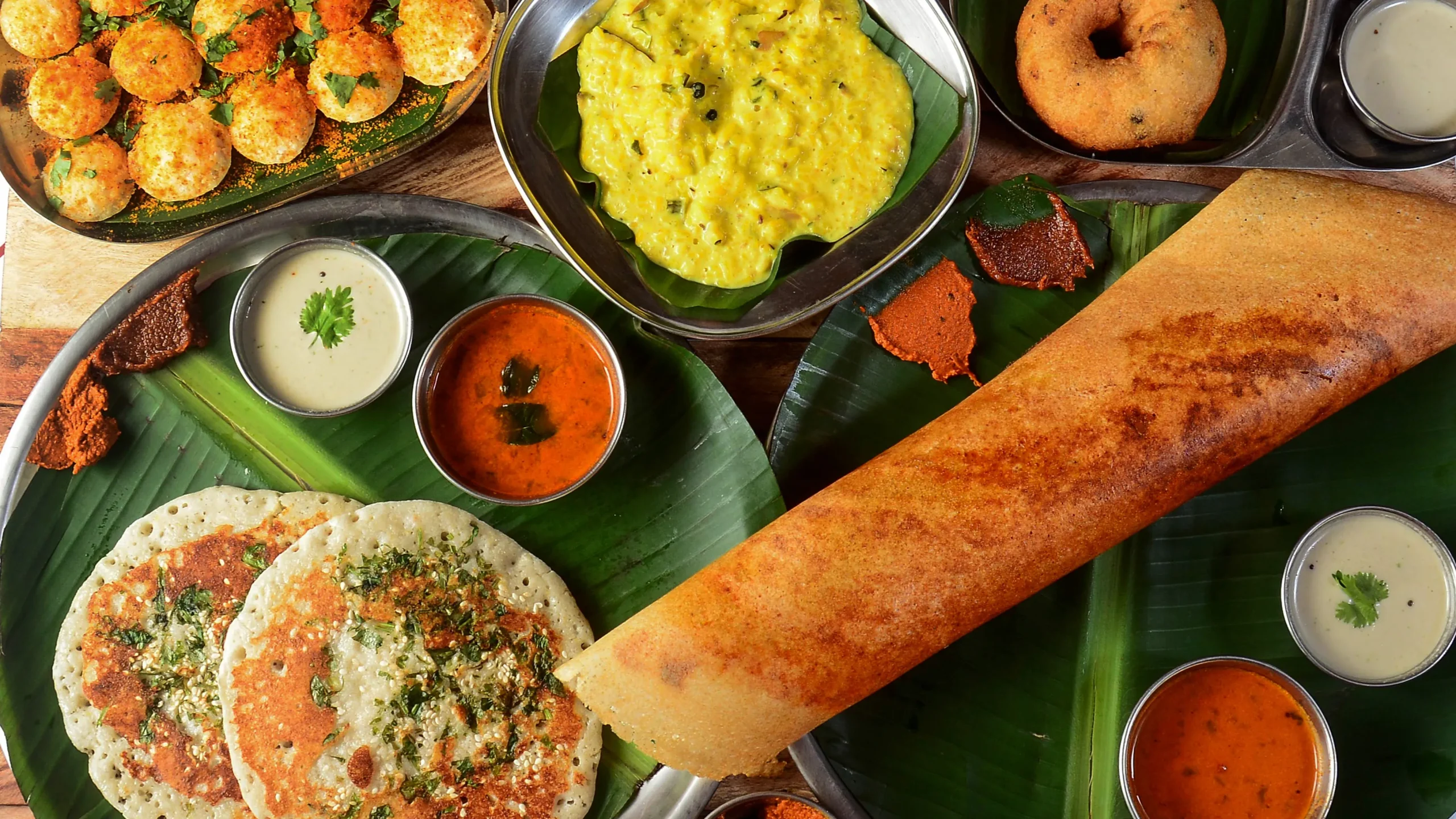
Masala Dosa to Dahi Vada: Exploring the Best South Indian Food

Masala Dosa introduces South Indian cuisine with crispy flavours, traditional dishes, and rich culinary heritage across five states. Masala Dosa , Dahi vada , Idli and Sambar ,brings together crispy texture, flavorful filling, and traditional spices. South Indian food is not one cuisine. It is five states, dozens of communities, and centuries of habit, all served on a banana leaf. Whether you grew up on it or are just starting to explore it, here is a guide to the dishes worth knowing, and how to enjoy them properly. A good South Indian restaurant brings the comforting flavours of southern India straight to your table.
Start with the Masala Dosa.
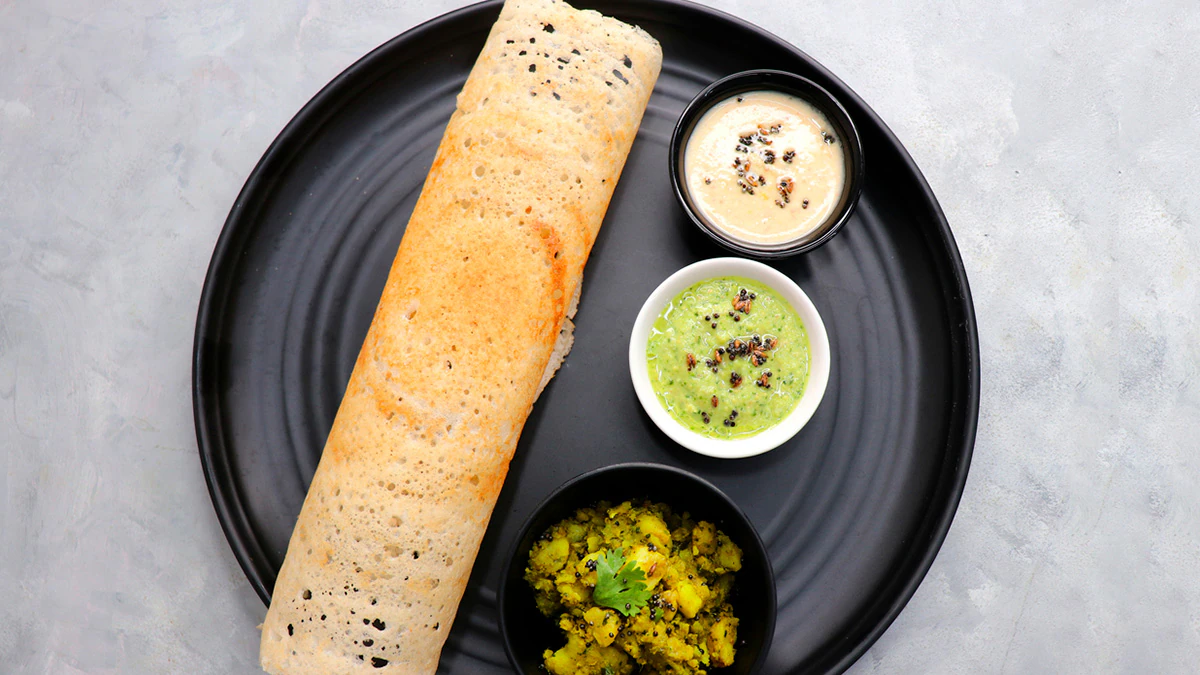
Image Source: Food NDTV
A good Food Masala dosa is judged by its first sound: the crack of a golden, paper-thin crepe breaking under your fingers. The batter is a fermented mix of rice and urad dal, and the fermentation gives it that gentle tang. Inside goes a mildly spiced potato filling with onions, mustard seeds, curry leaves, and turmeric.
Because It’s most often traced to Karnataka’s Udupi kitchens, and you’ll find regional versions everywhere. The Mysore Masala dosa comes with a fiery red chutney spread inside. The Davangere version is soft and buttery. Paper Masala dosas can be as long as your forearm.
A tip from the table: eat it immediately. A Masala dosa left for five minutes goes from crisp to chewy, so don’t spend that time photographing it. From breakfast to dinner, Masala Dosa makes every meal special
Masala Dosa, Idli and Sambar ,Vada: Everyday South Indian Comfort Foods:
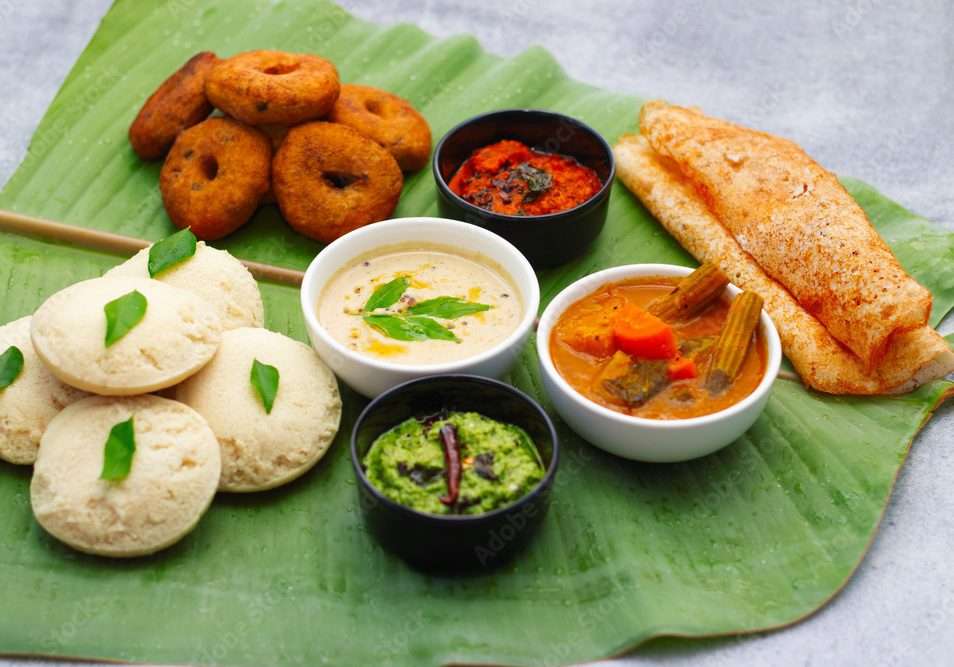
Image Source : Adobe Stock
However most South Indian’s what they eat on an ordinary morning and the answer is Masala Dosa, idli , Dahi Vada. These steamed rice-and-lentil cakes are light, easy to digest, and a perfect match for sambar, a lentil stew with tamarind and vegetables. Add coconut chutney and you have a breakfast people have relied on for generations . Idli and sambar are a simple combination that brings together mild, fluffy idli and spicy, tangy sambar , When a South Indian restaurant is a great choice when you want fresh, flavorful, and satisfying food .
Next to it, usually for example is medu vada a ring-shaped urad dal fritter, crisp outside and fluffy within. Dunk it in sambar and let it soak. That is the right way to do it.
So, Is Masala Dosa, Dahi Vada South Indian?
Experience the irresistible flavour of traditional South Indian Masala Dosa. Honest answer: it’s complicated. South Indian Food Dahi vada, vadas soaked in spiced yogurt, is enjoyed across India, and the North Indian version with sweet tamarind chutney is probably the one you picture. But the South has its own cousins. In Tamil Nadu, thayir vadai is soaked in seasoned curd and tempered with mustard seeds, curry leaves, and green chilli. In Andhra and Telangana, perugu vada or garelu in curd is a staple at celebrations .For a true taste of South India, enjoy a freshly prepared meal at a traditional South Indian restaurant .
The South Indian version tends to be less sweet and more savory, cooling, and fragrant. Because its a good example of how food crosses regional lines, and a reminder that India’s food map doesn’t follow neat borders.
Beyond the Familiar Favourite’s
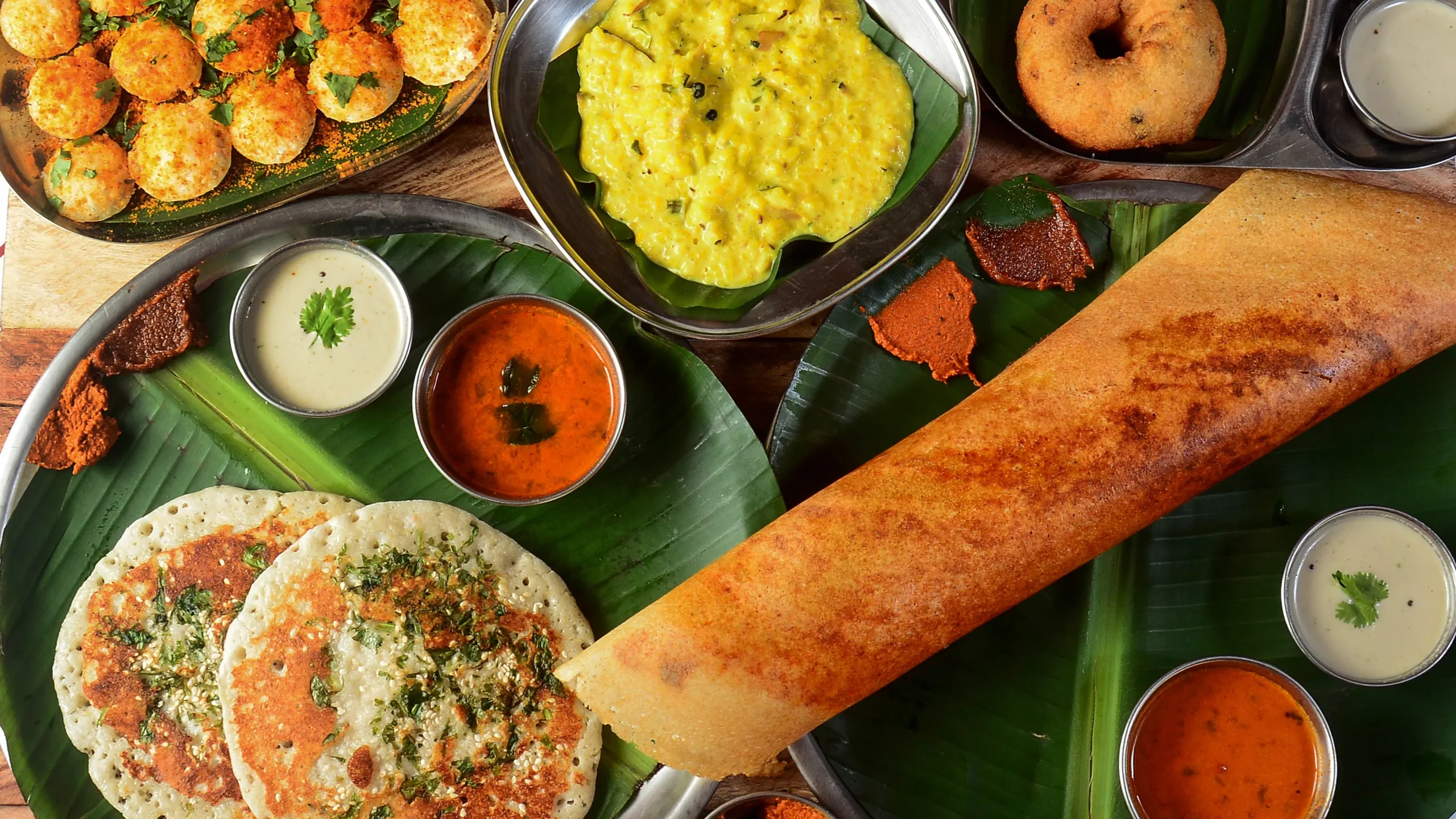
Image Source : Vogue
If you’ve had the classics, here is where to go next for Example :
- Pesarattu (Andhra Pradesh): a green moong dal Masala dosa, often served with ginger chutney. It is hearty and high in protein.
- Appam with stew (Kerala): lacy-edged, soft-centered rice pancakes with a mild coconut milk stew. Gentle and deeply comforting.
- Bisi bele bath (Karnataka): a hot, spiced rice-and-lentil dish with vegetables, finished with ghee. It is a whole meal in one bowl.
- Chettinad cuisine (Tamil Nadu): bold, peppery, and aromatic, with freshly ground spice blends. This is where South Indian food gets seriously fiery.
- Curd rice: simple, soothing, and often the last course of a meal. Don’t underestimate it.
- Rasam: a thin, tangy, pepper-forward soup that doubles as a cold-weather remedy in many households.
Masala Dosa and Filter Coffee: A Perfect South Indian Combination
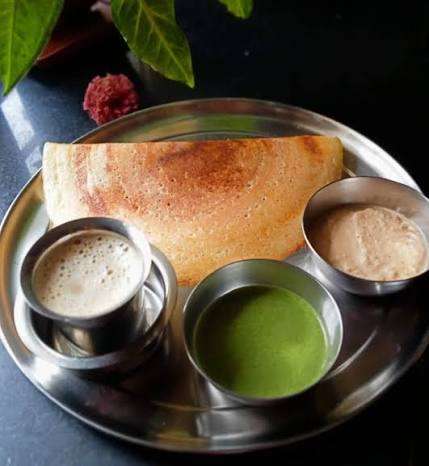
Image Source : The Indian Express
A South Indian restaurants meal isn’t complete without Masala Dosa and filter coffee, brewed from a chicory-blended powder and served frothy in a steel tumbler and dabara. Because It is strong, milky, and slightly sweet. Pouring it back and forth between the two cups to cool it is part of the ritual.
How to Eat South Indian Food Well
A few practical pointers, drawn from how these meals are traditionally enjoyed for Example:
- Go where it’s busy. A packed restaurant at breakfast, with locals queuing, because is a usually the best sign of freshness.
- Try a full meal for example. In many places, a traditional “meals” plate on a banana leaf gives you rice, sambar, rasam, vegetable sides, curd, and payasam in one sitting.
- Use your hands. Many people find the food tastes better this way, and mixing rice with sambar by hand is the norm.
- Ask about spice. Andhra and Chettinad food can be very hot. Ask for mild if you’re unsure.
- Mind the chutney. Fresh coconut chutney doesn’t keep long. If it has been sitting out all afternoon, skip it.
There’s a special pleasure in visiting South India and dining at a South Indian restaurant.
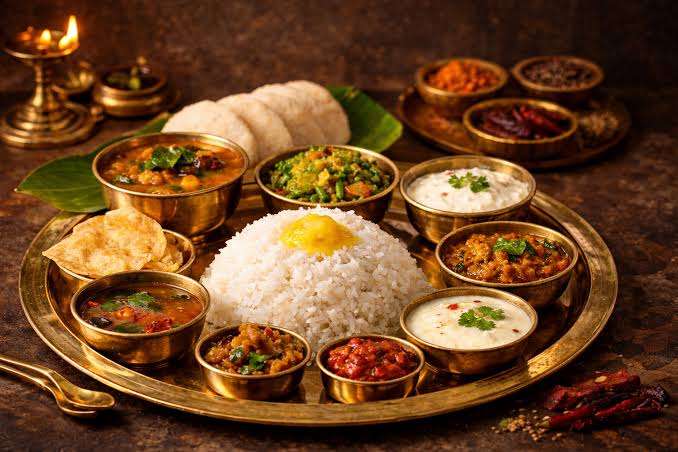
Image Source : Shero Home Food
A Note on Nutrition
Because of many South Indian staples are steamed or fermented, which people often find easier to digest. Dishes like idli, sambar, Dahi vada and rasam are generally lighter than fried or heavily creamy foods. However that said, portions, oil, and ghee vary enormously, so if you manage a health condition such as diabetes, check with your doctor or a registered dietitian about what suits you, since rice-heavy meals affect people differently . Whether you want a quick breakfast or a complete thali, South Indian restaurants are perfect for a satisfying meal .
Final Thoughts
From theSouth Indian restaurants sharp crunch of a Masala dosa to the cooling comfort of curd-soaked vadas, South Indian food rewards curiosity. Start with the classics, then follow the regional trails: Because Kerala’s coconut, Andhra’s chillies, Tamil Nadu’s tempered curd, Karnataka’s ghee-rich rice. Every plate has a story, and most of them taste better shared .Whether dining alone or with family, South Indian restaurants offer plenty of tasty choices.