
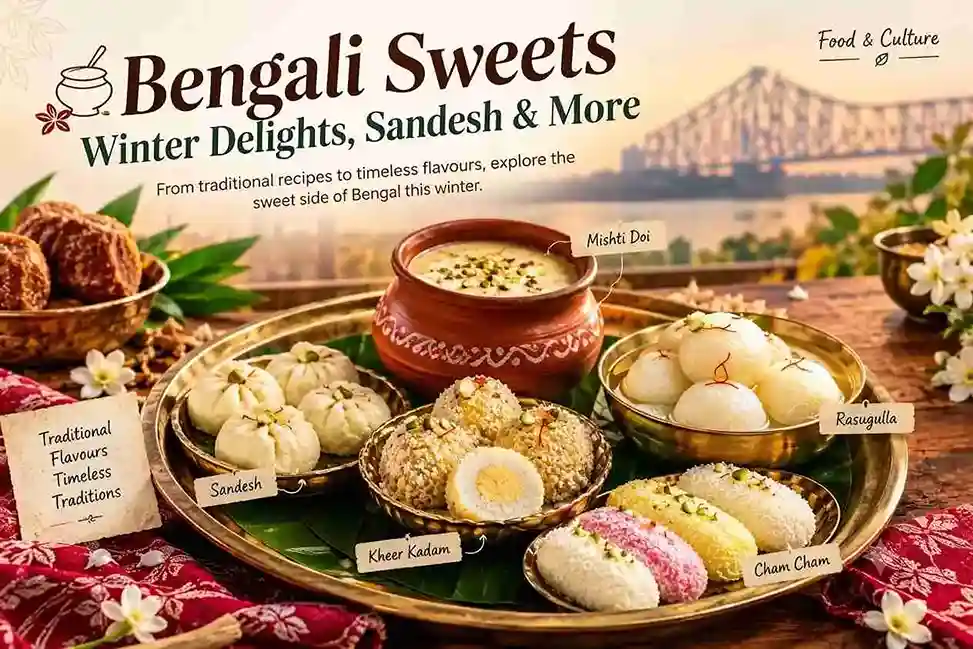
Bengali Sweets: 7 Delicious Treats You Must Discover

Bengali Sweets are famous for their delicate flavours, soft textures, and rich cultural heritage. From fashioned milk desserts to sweet and sticky treats Bengal has a variety of Bengali sweets to suit all tastes. One of the highlights is Sandesh—a simple tasty Bengali sweet made of fresh chhena and sugar. Other notable Bengali desserts include Kheer, Kadam, Rasugulla, Mishti Doi, Cham Cham Sweets and many more. If you love desserts or are just starting to explore Kolkata’s food scene Bengali desserts are a way to discover local food culture.
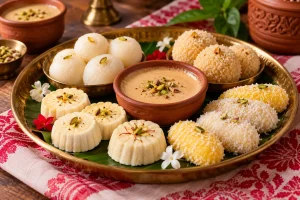
1. Sandesh: A Popular Bengali Sweet
Sandesh has a texture and a gentle delicate taste. This makes Sandesh a beloved Bengali Sweets in West Bengal.
The light sweetness of Sandesh is gentle not too strong. Sandesh has a sweetness that is not overpowering. The good milk flavor of Sandesh is comforting. The good milk flavor is comforting. All of these qualities make Sandesh a favorite among dessert lovers. Sandesh is not considered a sweet, which’s a common problem, with many desserts. This means the real taste of chhena is clear.
How is Sandesh made?
Traditional Sandesh is made by making milk into chhena. The cheese is then mixed until it is smooth. Sugar is added. The mix is carefully cooked to get the texture. Depending on the recipe it can be cut into pieces shaped into designs or added with things like cardamom, saffron or date palm jaggery.
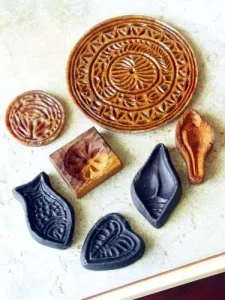
Popular types of Sandesh:
Chocolate Sandesh:
A mix between chhena and chocolate.
Nolen Gur Sandesh:
is made with date palm jaggery. I like Nolen Gur Sandesh in winter when it feels warm and sweet.
Aam Sandesh:
A mango flavor that is enjoyed when the mangoes are, in season.
Kora Pak Sandesh:
A version that is cooked and has a richer feel. I have seen Sandesh often served during Durga Puja, weddings, birthdays and other events. Sandesh has a mix of versatility and new flavors. This mix has made Sandesh a popular sweet. Over the years Sandesh has become a sweet.
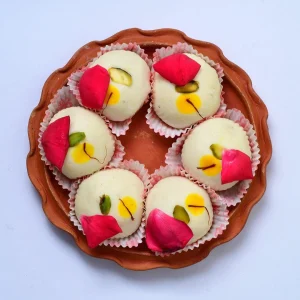
2. Kheer Kadam: A Traditional Bengali Sweet
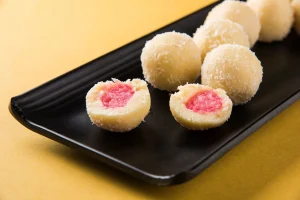
Kheer Kadam is another Bengali desserts known for its appearance and the contrasting feel it has. It usually has a sweet mini rasgulla in the middle surrounded by a thick layer of milk and a layer of khoya or milk solids.
The outside layer has a a little crumbly feel while the inside offers a soft and juicy bite. I find the combination of flavors makes Kheer Kadam very appealing to people who love sweets that feel different. I enjoy serving Kheer Kadam at events, family gatherings and festivals. Its nice appearance also makes it a good option for a gift. For those who are interested in Kheer Kadam is a must-try as it combines the richness of milk sweets with the familiar flavor of a sweet center.
3. Rasugulla: A Famous Bengali Dessert
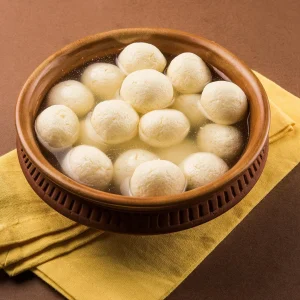
Rasugulla sometimes spelled Rasgulla is one of the best-known Indian Bengali sweets made in Bengal. These round soft sweets are made from chhena shaped into balls. Cooked in light sugar syrup. A good Rasugulla has a bouncy feel that absorbs syrup without breaking. It is usually served cold or at room temperature depending on the shop’s preference. Rasugulla is very popular at festivals, weddings, birthdays and other occasions. Rasugulla is very popular, at festivals, weddings, birthdays and other occasions. Its soft feel and sweet syrup make it a hit with those who love milk sweets. Even though similar Bengali sweets exist in parts of eastern India Bengali Rasgulla has a special place in the food culture of the region. It is also one of the sweets many people would like to try when they visit Kolkata.
4. Mishti Doi: A Classic Bengali Sweet
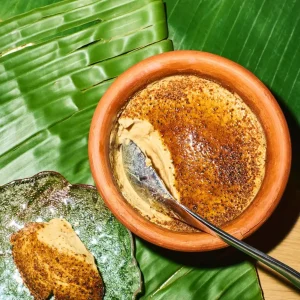
Mishti Doi is a Bengali sweets yogurt known for its smooth feel, light sour taste and sweet taste like caramel. The process usually starts by taking milk adding sugar or jaggery and then letting the mixture ferment. Milk is often thickened to get the texture before the sweetener is added. The mix is then left to ferment until it has the feel and flavor of a Mishti Doi. Traditionally Mishti Doi is served in pots that people love to show off. Mishti Doi is especially liked after a meal during festivals or family events. Mishti Doi is a choice, for people who enjoy a smooth dessert, not a chewy or very watery one. Mishti Doi’s mix of sweet and sour makes it stand out from Bengali desserts.
5. Cham Cham Sweets: A Bengali Favourite
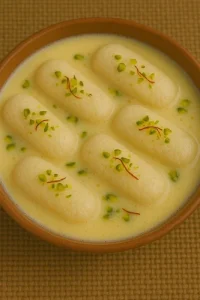
Cham Cham, sometimes called Chomchom is a Bengali sweet made from chhena. Cham Cham is usually. I made something by cooking it in sugar syrup until it turned soft and delicious. Depending on the recipe Cham Cham may be covered with khoya, decorated with coconut or filled with a milk mix. Some recipes use khoya for a flavor while others add coconut for flavor. Some use a mix made from milk; each different is unique. Each way is different. The recipe determines how Cham Cham looks and tastes. The recipe determines how it is made. The recipe determines what is used. The recipe determines everything. Its appearance can be from cream to yellow or other colorful colors. The sweet is liked for its a little chewy feel and strong flavor. Some versions are a little sweet while others have a rich filling or coating. Cham Cham is often found in Bengali shops and is served during weddings, festivals and special events. For those who like Bengali Sweets with a richer feel it is a tasty option as an alternative to Sandesh and Rasugulla.
6. Bengali Sweets: What Makes Them Special?
The importance Of Fresh Chhena:
Bengali sweets are more, than desserts. Bengali sweets reveal the food culture, local foods and traditions of the region. Many things make these sweets special. One big reason is the use of chhena. Chhena is an ingredient, in many Bengali sweets. It gives them a feel and a gentle flavor.
Traditional Sweet Making Techniques:
Old methods also play a role. Kneading, cooking, making syrup and fermenting are all part of the process that creates Bengali sweets. This process gives the feels and textures that make Bengali sweets famous. Every step of the process is done with care. The careful way of doing this process is why Bengali sweets taste good and feel so special. Traditional methods give Bengali sweets a flavor and a unique feel, with every bite. Old methods ensure that Bengali desserts remain loved for their feel.
Seasonal Ingredients in Bengali Sweets:
Date palm jaggery is an ingredient, in winter. Date palm jaggery is the heart of winter treats. It gives seasonal Sandesh varieties a taste.
The Role of Sweets in Bengali Festivals:
Beangali Sweets are shared often during Durga Puja, weddings, birthdays, religious events and family visits.
Variety of Flavours and Textures:
Local options are Rasugulla with syrup, Mishti Doi and mild Sandesh; these are dessert choices in Bengali food.
7. Where to Find Authentic Bengali Sweets
Exploring Traditional Sweet Shops In Kolkata:
Kolkata is a place to find Bengali sweets. Old sweet shops, local markets and famous places have Sandesh, Kheer Kadam, Rasugulla, Mishti Doi and Cham Cham. When you choose Bengali sweets check that the shop is clean and that it stores sweets properly. Milk sweets can spoil so buy them from trusted sellers. Follow the rules for keeping Bengali sweets cold and safe.
Tips For Choosing Fresh Bengali Sweets:
If you travel to West Bengal visiting shops is a way to learn about food culture. Ask about types of Bengali sweets jaggery-based Sandesh, in winter. Bengali sweets offer a nice mix of tradition, skill and local flavor. From the feel of Sandesh, to the layers of Kheer Kadam, the soft feel of Rasugulla, the creamy flavor of Mishti Doi. The rich feel of Cham Cham Sweets each sweet has something
Whether you are a lover of Bengali food or just a curious person who likes to try things these Bengali sweets are worth a visit. The time you spend at a Bengali shop trying a varieties and seeing which flavors you like best is invaluable.
Conclusion: Exploring Bengali Sweets
Bengali sweets offer a delicious combination of tradition, craftsmanship, and regional flavours.