
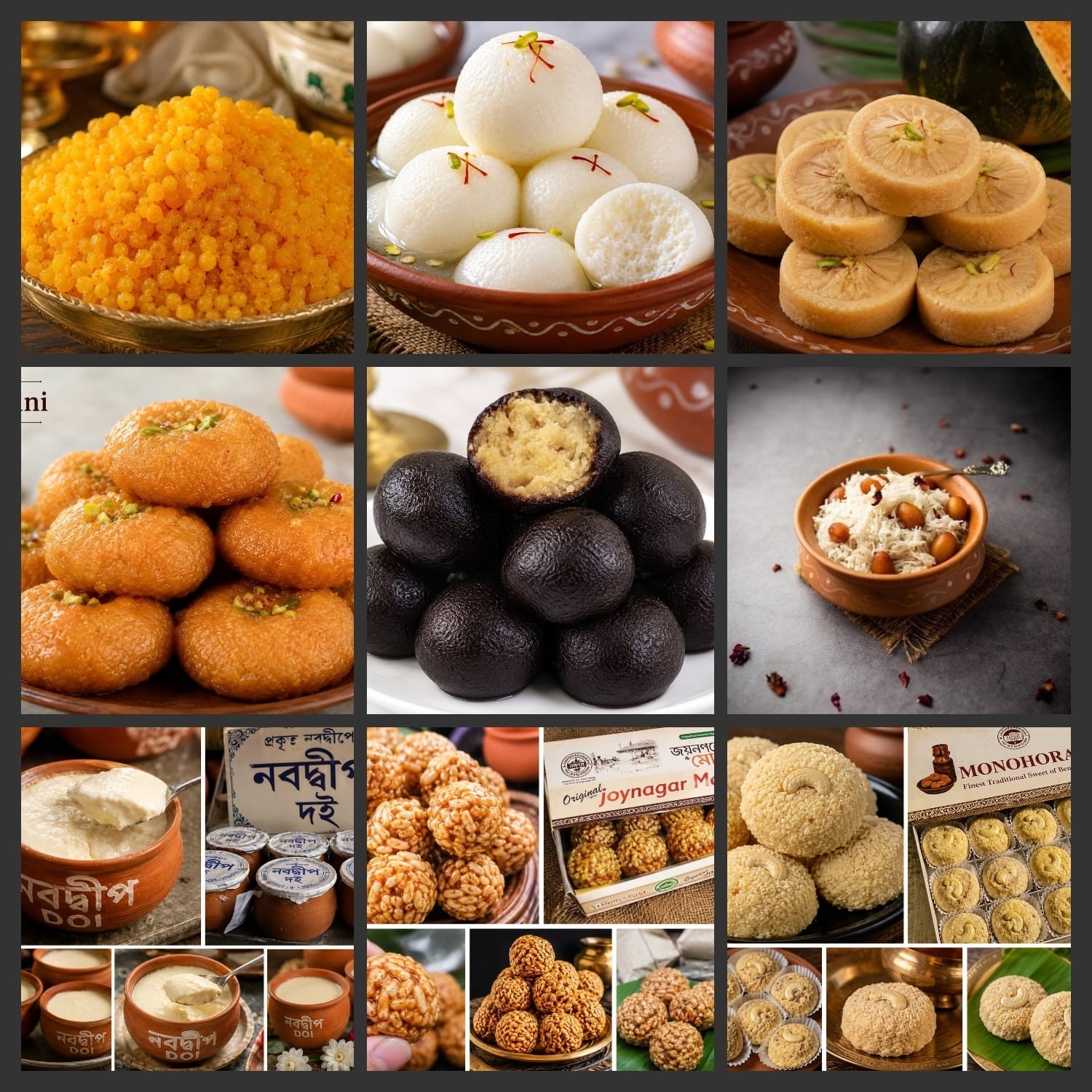
Authentic Traditional Sweets of Bengal: History & taste

Traditional Sweets are an important part of Bengal’s culture and heritage. From festivals and family celebrations to everyday meals, desserts have always held a special place in Bengali life. Every region of West Bengal offers unique delicacies that people have enjoyed for generations. Burdwan proudly showcases Sitabhog and Mihidana, Kolkata delights sweet lovers with Rosogolla and Sandesh, and Krishnanagar, Jaynagar, Shaktigarh, and Murshidabad contribute their own traditional sweets that celebrate Bengal’s rich history and heritage.These sweets are more than just desserts—they are symbols of tradition, craftsmanship, and love.
Let’s explore the history and flavors of some of the most popular traditional sweets of Bengal.
Traditional Sweets: A Sweet Heritage of Burdwan
Burdwan is one of the most famous places in West Bengal for traditional sweets. However ,Over the years, the district has preserved its unique recipes and rich sweet-making tradition. Consequently, it has earned a special place in Bengal’s culinary heritage.. Some of Bengal’s most popular sweets, such as Sitabhog, Mihidana, and Langcha, originated here and continue to delight sweet lovers across the country.
The History of Burdwan Traditional Sweets
The history of Burdwan’s traditional sweets goes back to the time of the Maharajas. Skilled sweet makers created new recipes that soon became famous throughout Bengal.Over the years, people have embraced these sweets as an important part of the district’s identity. Consequently, families continue to enjoy them during festivals and special occasions.
Sitabhog: Burdwan’s Royal Delicacy
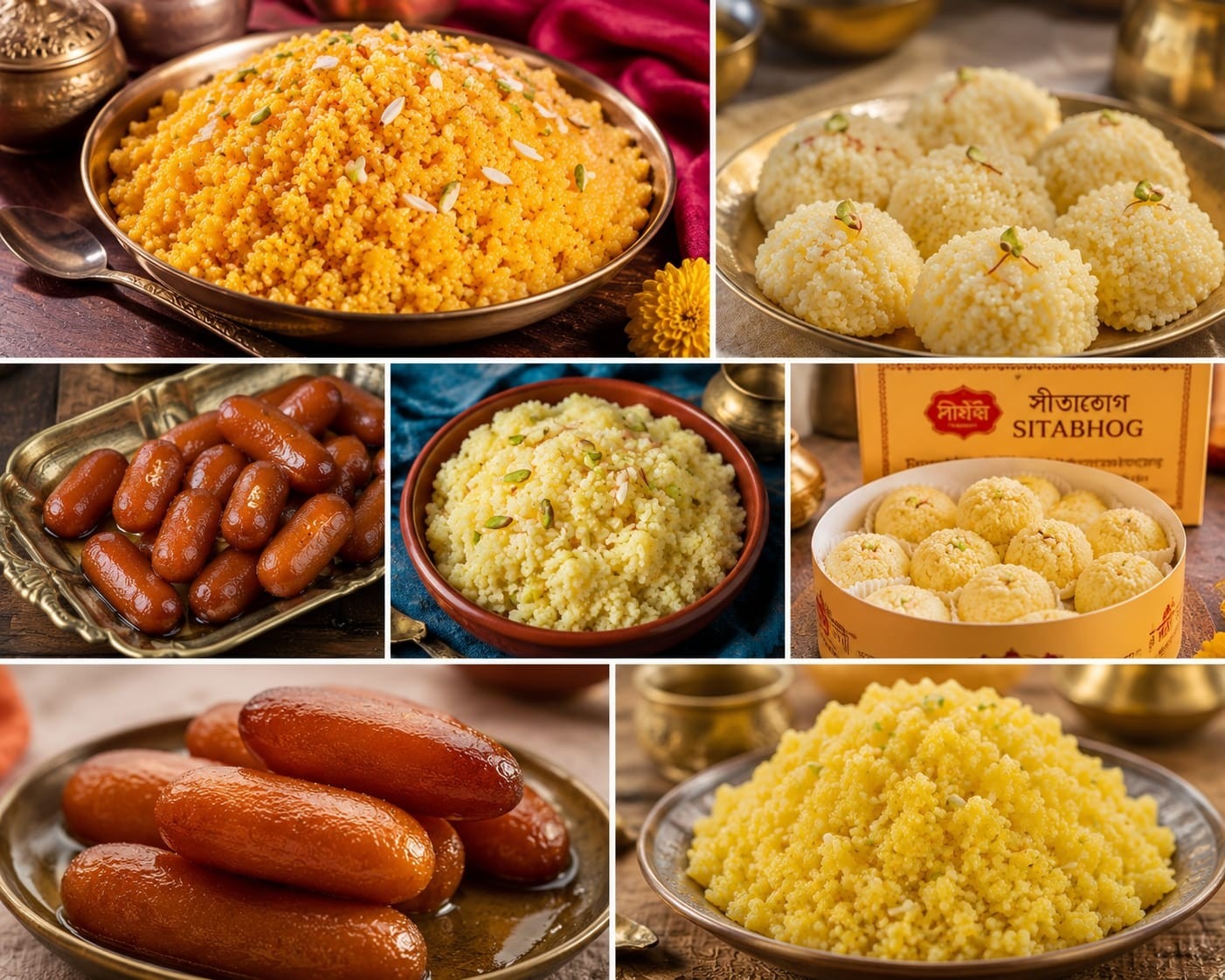
Sitabhog is one of the most famous traditional sweets of Burdwan. It is made from chhena, rice flour, and sugar. Although it looks like rice, it is actually a sweet dish with a soft texture and delicious taste. Bhairab Chandra Nag created Sitabhog, and over time, its unique identity earned it a GI tag. As a result, the sweet gained recognition for its rich heritage and distinctive taste.
Mihidana: The Golden Delight of Burdwan
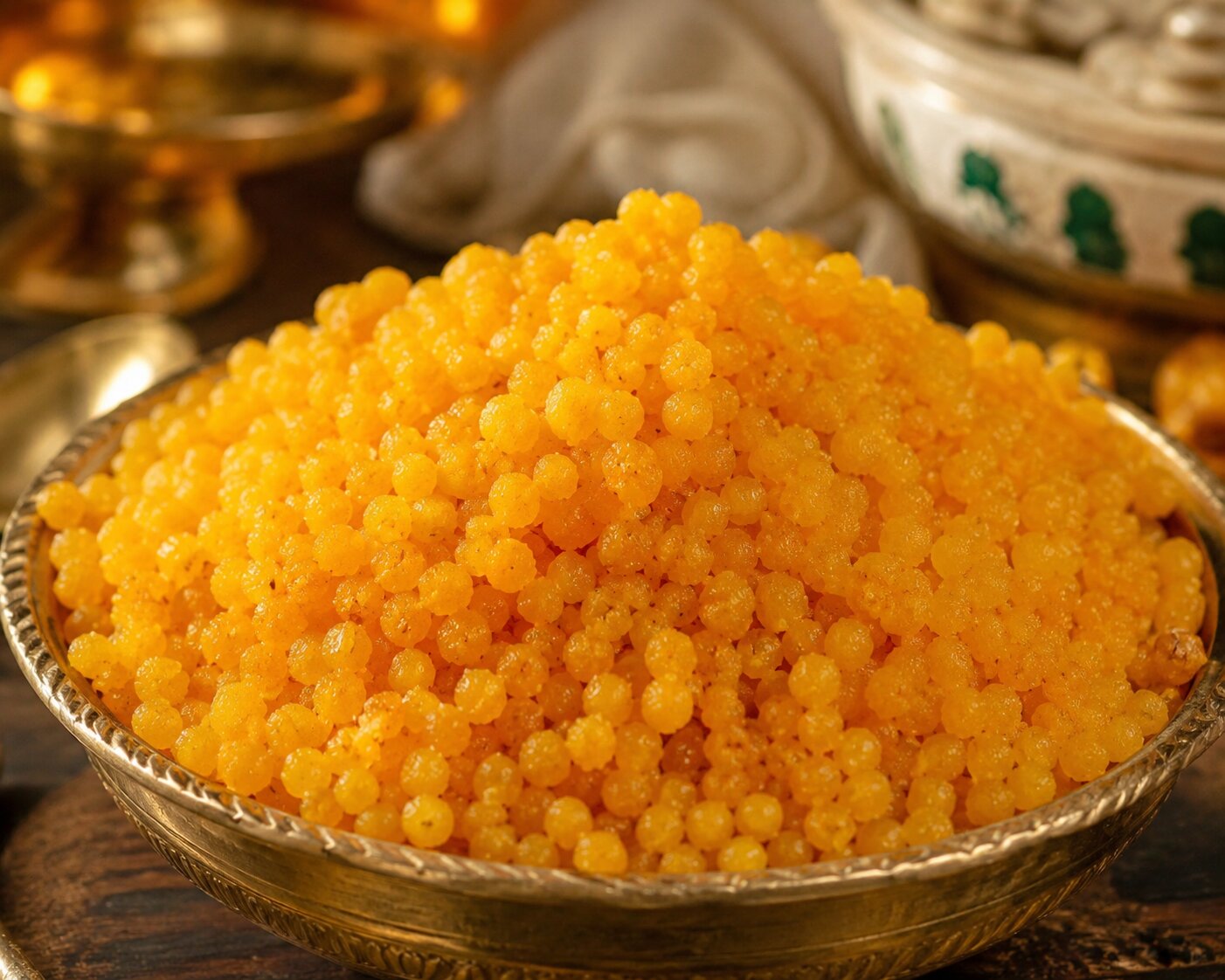
Mihidana is another popular sweet from Burdwan. It’s making from tiny golden grains prepared with gram flour, rice flour, and sugar syrup. Its light texture and sweet flavor make it a favorite among people of all ages. Like Sitabhog, Mihidana has also received a GI tag.
Langcha: The Symbol of Shaktigarh
Langcha is a famous sweet from Shaktigarh in the Purba Bardhaman district. This sweet makes from chhana and khoya. Then , its deep-fry until get to a golden brown color. Then it soak in rich sugar syrup. Moreover, its soft texture and rich flavor attract desserts lovers from across the country. As a result, the sweet has earned a special place among the traditional delicacies of West Bengal. Today, many travelers stop at Shaktigarh to taste, enjoy, and purchase this delicious treat. Furthermore, local sweet shops continue to preserve its authentic recipe and rich heritage.
Traditional Sweets: A Sweet Heritage of Kolkata:
Kolkata is often called the sweet capital of India. The city is home to many famous traditional sweets that have delighted people for generations. Moreover, local sweet makers prepare a wide variety of delicacies that reflect the city’s rich culinary heritage. From soft Rosogolla to flavorful Sandesh, these sweets attract visitors and satisfy sweet lovers throughout the year. As a result, Kolkata’s sweet shops have become an important part of the city’s culture and identity. Furthermore, many families continue to celebrate festivals and special occasions with these beloved treats.
The History of Kolkata’s Traditional Sweets
The history of Kolkata’s traditional sweets dates back to the nineteenth century when skilled confectioners began experimenting with chhena-based desserts. Over time, these sweets became popular across Bengal and beyond. Today, Kolkata is known around the world for its rich sweet-making tradition.
Rosogolla: The pride of Kolkata
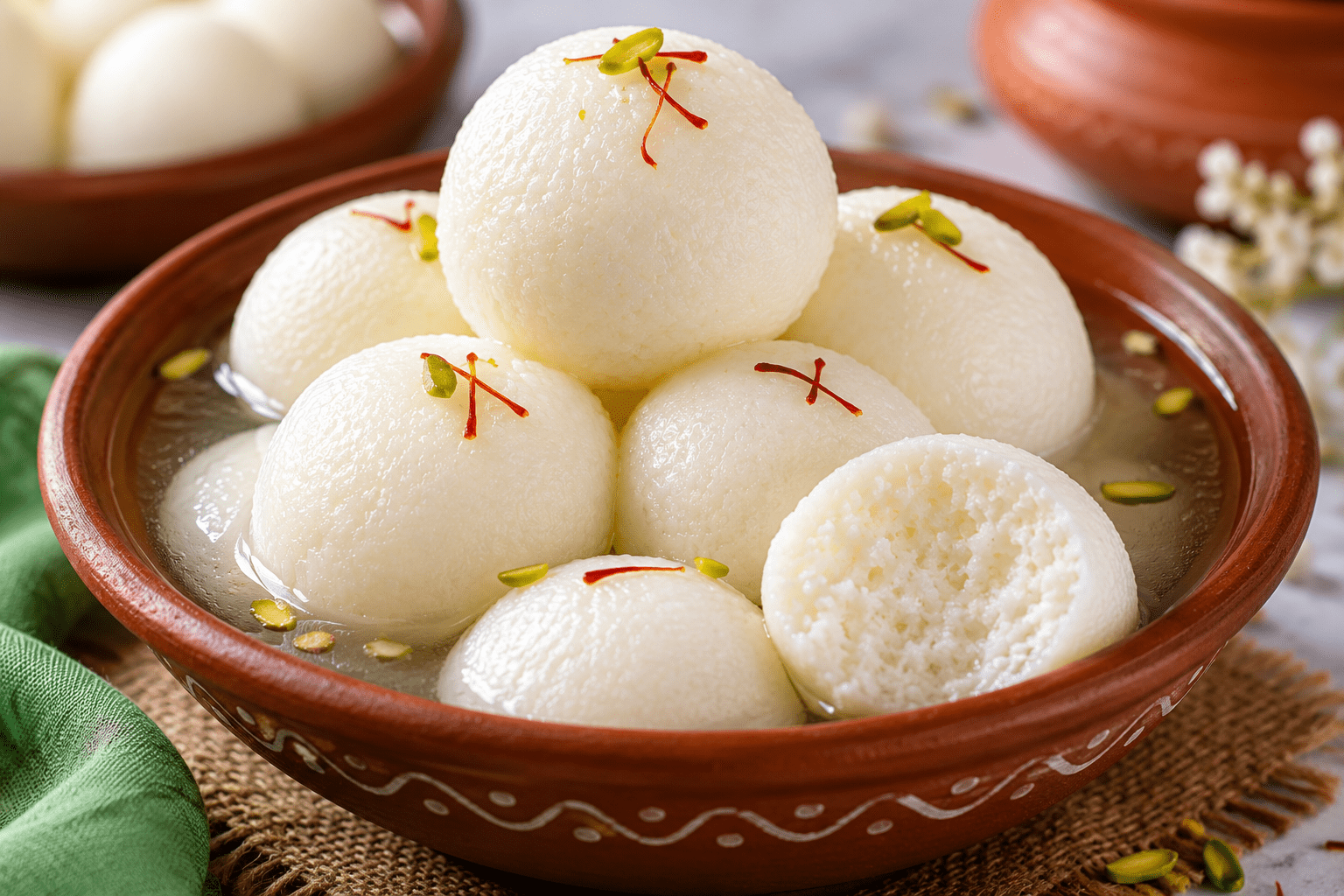
Rosogolla is one of the most popular traditional sweets of Bengal. created by Nabin chandra Das. Made from soft balls of chhena soaked in sugar syrup, this sweet is loved for its spongy texture and refreshing taste. It is a must-have during festivals, family gatherings, and celebrations. Rosogolla has become a symbol of Bengali cuisine and is enjoyed by people all over the world.
Nolen gurer Sandesh: The joy of Kolkata
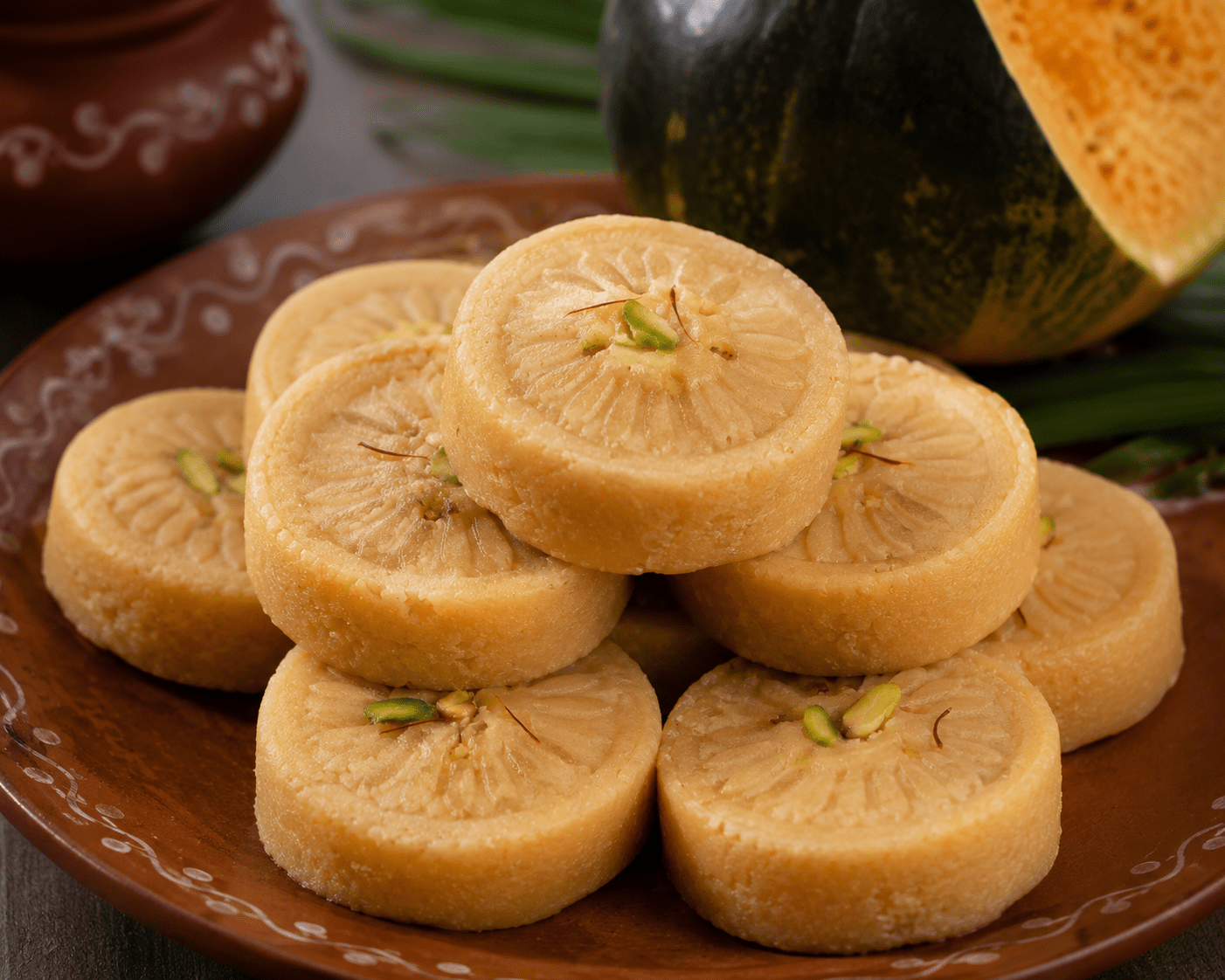
Nolen Gurer Sandesh is a special winter delicacy in West Bengal. It is made from fresh chhena and Nolen Gur, a fragrant date palm jaggery. As a result, the sweet has a rich aroma and a soft, melt-in-the-mouth texture. Moreover, its unique flavor makes it one of the most loved traditional sweets of Kolkata. Therefore, sweet lovers eagerly wait for winter every year to enjoy this seasonal treat while it is available.
Ledikeni: memorable Kolkata
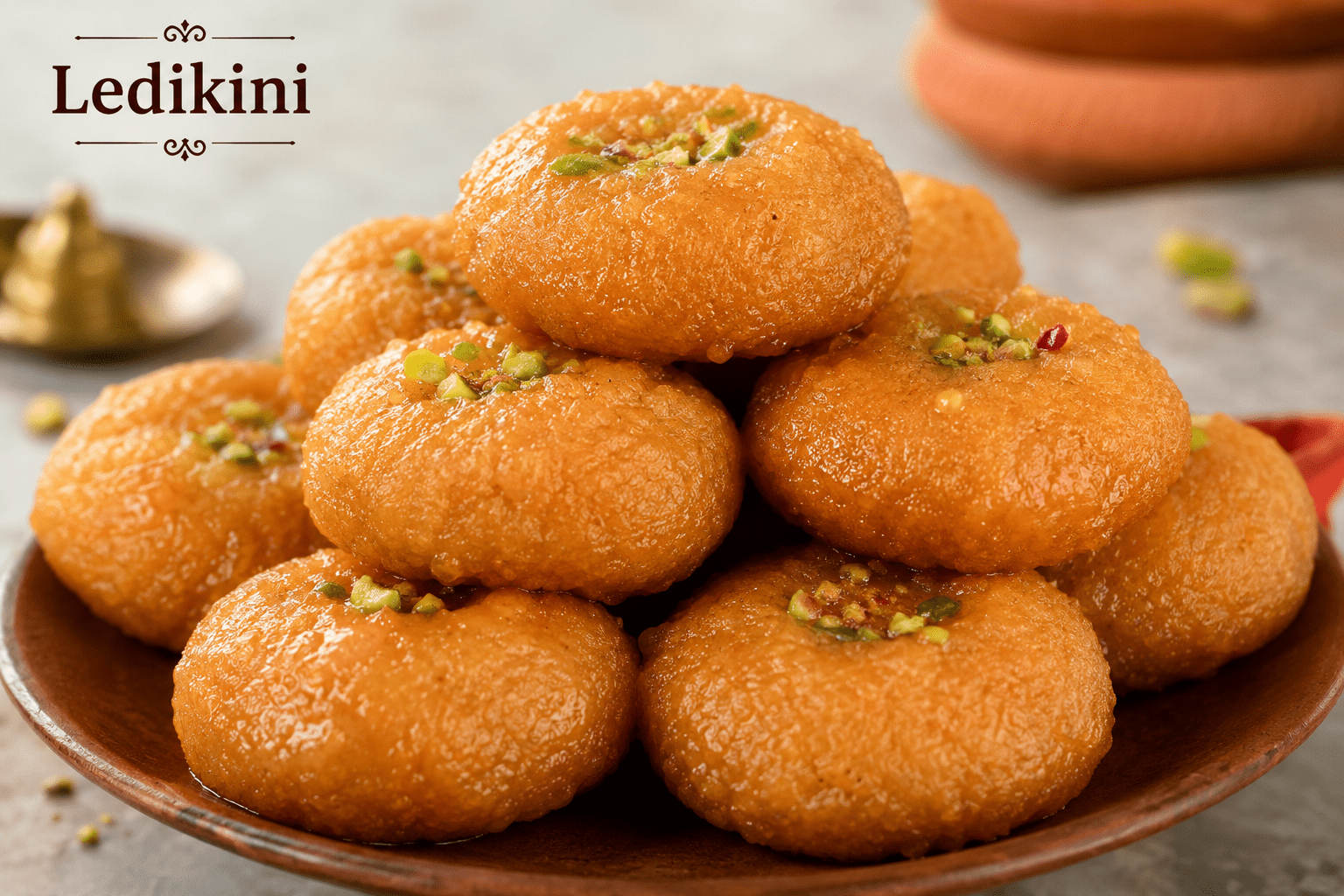
Ledikeni is another famous desserts that reflects Kolkata’s rich heritage. It was named after Lady Canning. Who is the wife of Lord Canning. The first Viceroy of India. Made from chhena and flour and soaked in sugar syrup. Ledikeni has a soft texture and a delicious taste. Even today, it remains a favorite among those who enjoy traditional Bengali desserts.
Other Famous Traditional Sweets That Carry the Rich Heritage of West Bengal
Besides Burdwan and Kolkata, many places in West Bengal are known for their traditional sweets. Over the years, local sweet makers have kept these recipes alive. As a result, these desserts remain popular even today. Moreover, they reflect the rich culture and heritage of the state. Therefore, people from different parts of India visit these places to enjoy their unique flavors desserts.
Sarpuriya: The Famous Traditional sweets of Krishnanagar
Sarpuriya is a well-known sweet from Krishnanagar in Nadia district. It is popular not only in Krishnanagar but also across West Bengal. It is made with layers of cream, milk, and sugar. As a result, it has a rich taste and a soft texture. Moreover, its unique flavor makes it a favorite among sweet lovers. Today, Sarpuriya remains an important part of Krishnanagar’s sweet-making tradition.
Monohara the famous Traditional Sweets from Janai
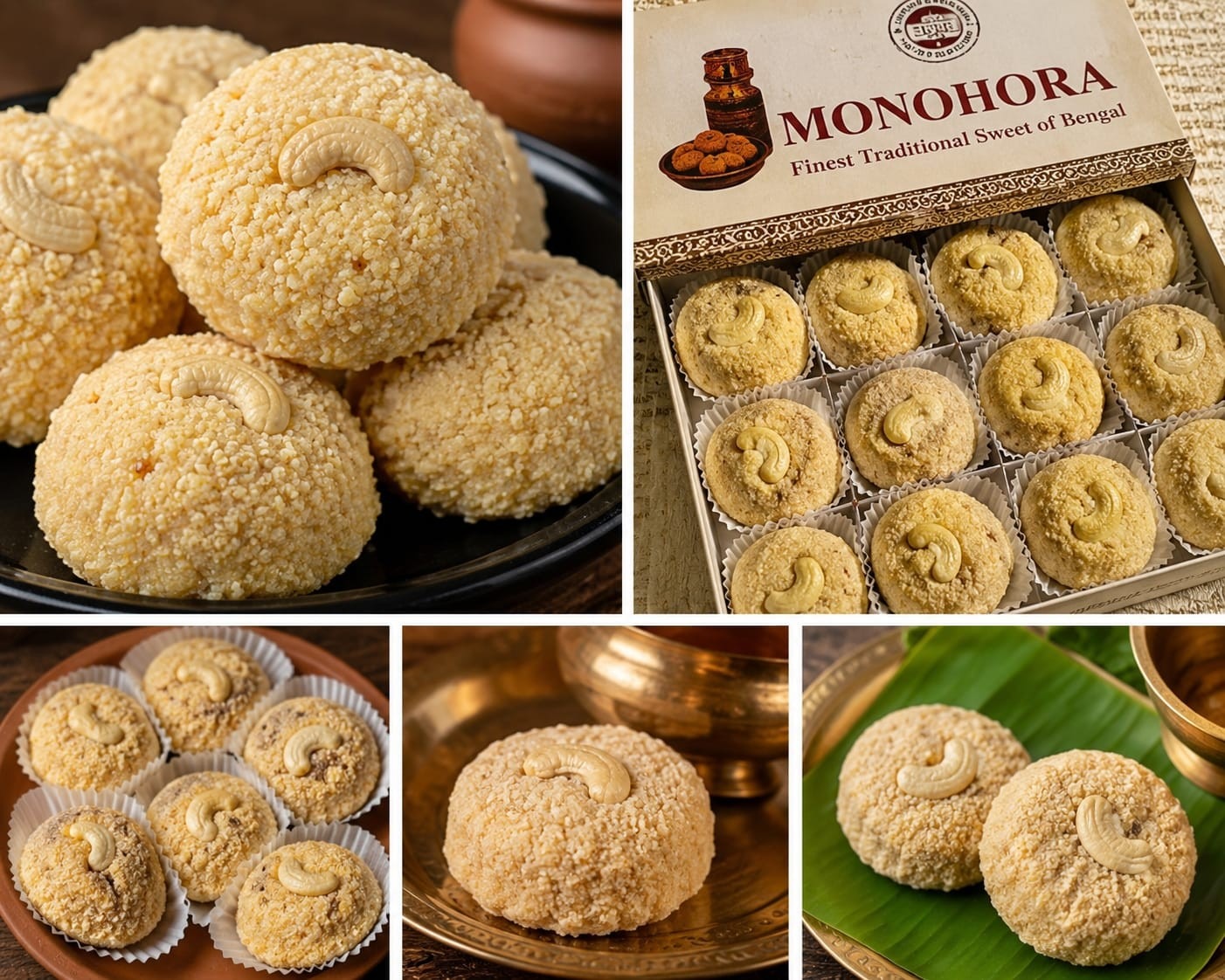
Monohara is a popular of Janai in Hooghly district. It is not only famous for Janai but also famous of all India. It is prepare from Sweet chana and coated with sugar syrup.Today Monohara remains one of the most loved traditional sweets of Bengal.
Moya from Jaynagar
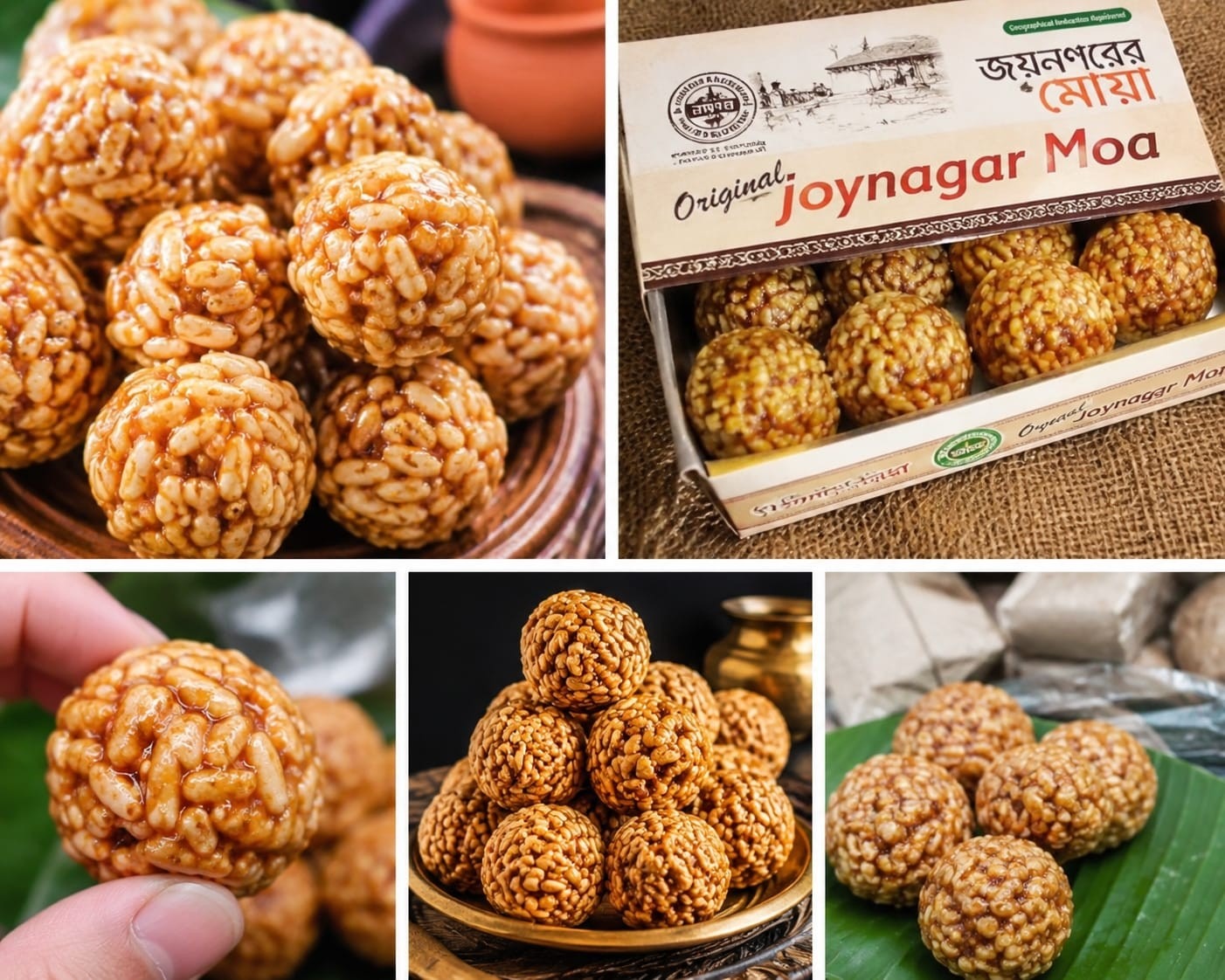
Jaynagar is famous for its delicious Moya. This seasonal sweet contains from Kanakchur khoi and nolen gur. Joynagar’s Moya has also received a GI tag for its unique identity.
Murshidabad Chhanabora
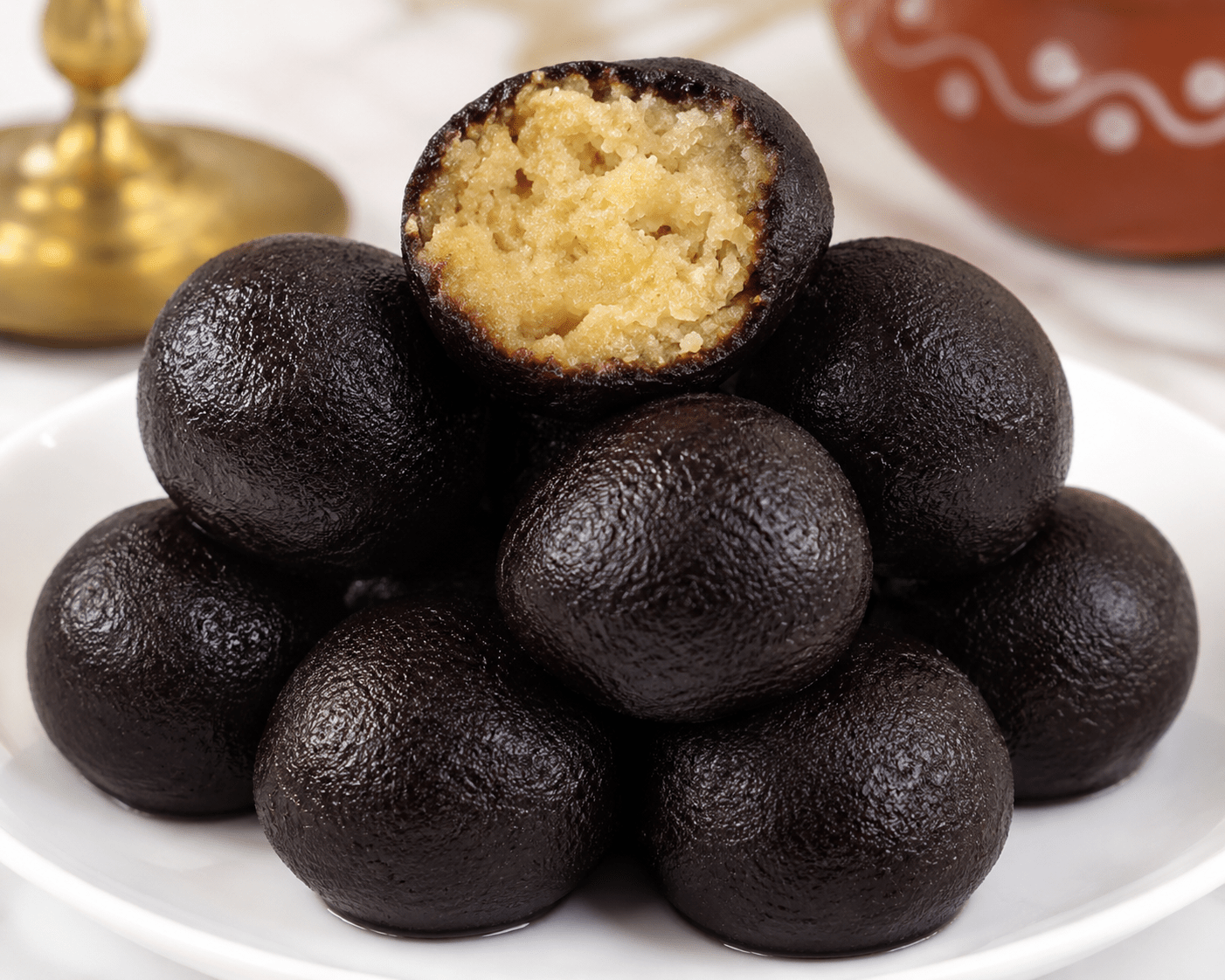
Murshidabad proudly showcases Chhanabora as one of its signature traditional sweets. Skilled sweet makers prepare this delicacy from fresh chhena and then soak it in sugar syrup. As a result, Chhanabora develops a rich taste and a soft texture that delight sweet lovers. Moreover, families and communities often serve this iconic sweet during festivals and special occasions. Therefore, generations of Bengalis have cherished Chhanabora as an important part of Murshidabad’s culinary heritage.
Kamarpukur’s White Bonde
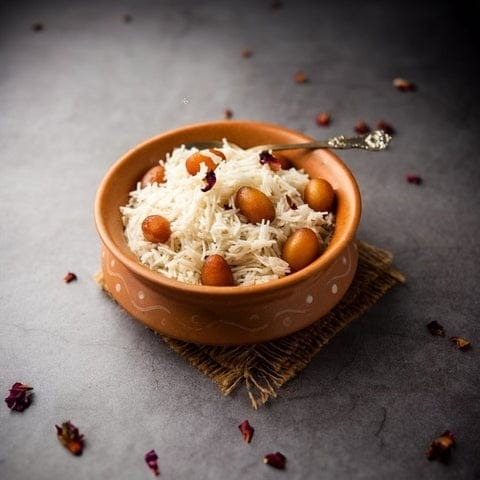
White Bonde is famous from Kamarpukur in Hooghly district. Unlike the common orange boondi, this sweet has a white color and a light texture. It is closely associated with the birthplace of Sri Ramakrishna. Also it is popular among visitors and devotees.
Bishnupur Motichur Laddoo
Bishnupur in the Bankura district proudly offers its famous Motichur Laddoo. Traditionally, sweet makers prepare this delicacy from tiny gram flour pearls and flavor it with ghee. As a result, people enjoy its rich taste during festivals and religious ceremonies. Moreover, generations of families have cherished this traditional sweet. Therefore, it remains an important part of Bengal’s culinary heritage.
Nabadwip Red Curd
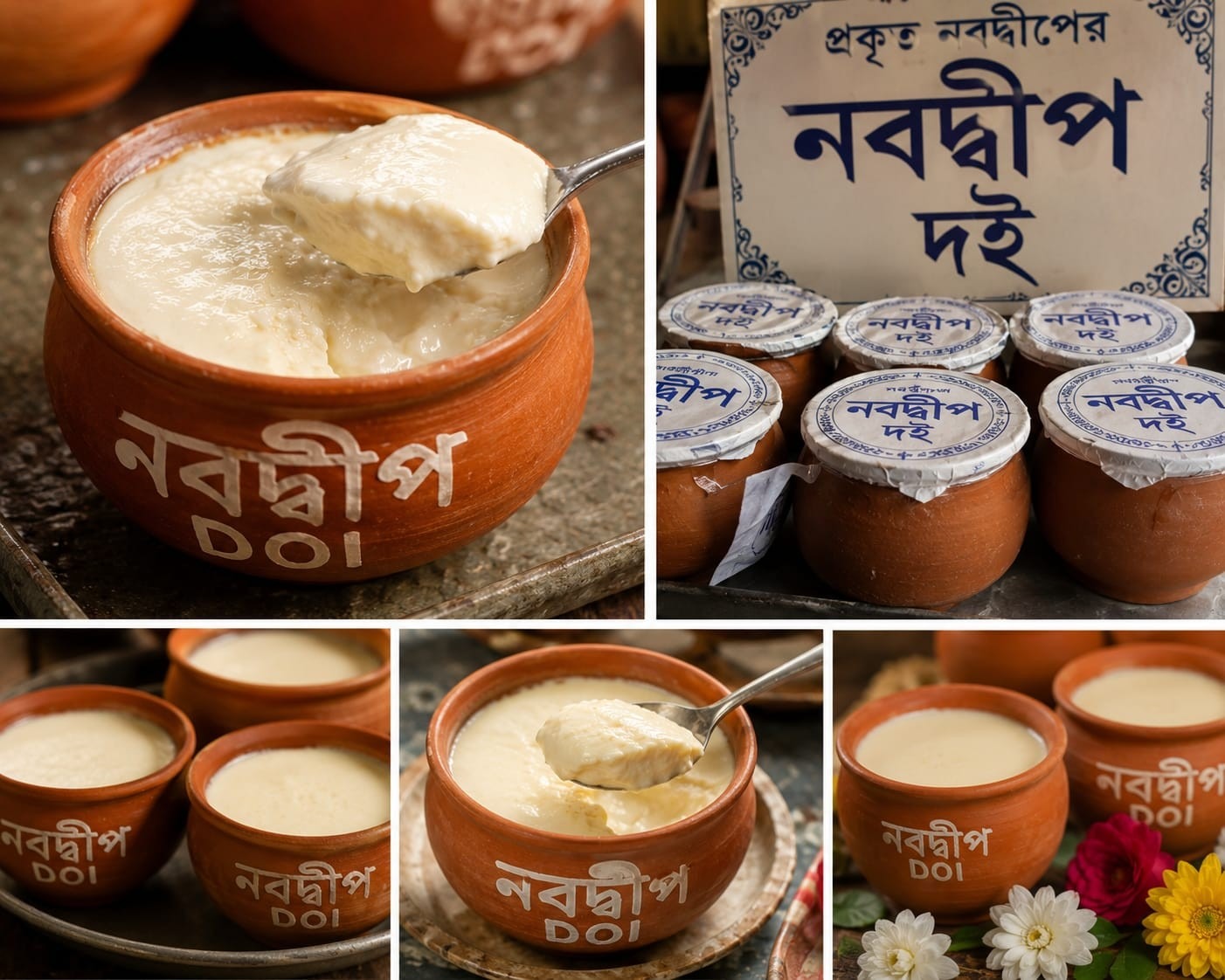
Nabadwip Red Curd. locally known as Lal Doi. It is a unique dairy delicacy from Nadia district. Prepared by slowly caramelizing milk and sugar. It develops a rich reddish color and a creamy texture. Its distinctive taste makes it one of the most cherished traditional sweets of Bengal.
GI Tag on Traditional Sweets of West Bengal
Therefore ,Several traditional sweets of West Bengal have received Geographical Indication (GI) tags. which help preserve their authenticity and cultural heritage. Sitabhog and Mihidana from Burdwan and Joynagarer Moya are among the sweets that have earned this recognition.
- First,Rasagolla received its GI Tag in 2017.
- Similarly, Bardhaman, Mihidana received its GI Tag in 2017.
- In addition, Bardhaman Sitabhog received its GI Tag in 2017.
- Earlier, Joynagarer Moa received its GI Tag in 2015.
- More recently, Nolen Gurer Sandesh received its GI Tag in 2025.
- Likewise, Murshidabad Chhanabora received its GI Tag in 2025.
- Furthermore, Kamarpukur’s White Bonde received its GI Tag in 2025.
- Finally, Bishnupur Motichur Laddoo received its GI Tag in 2025.
Conclusion
Traditional sweets are more than just delicious desserts. They form an important part of Bengal’s history, culture, and identity. From the royal delicacies of Burdwan mihidana and the iconic sweets of Kolkata. The unique flavors of Krishnanagar, Jaynagar, Murshidabad, and Nabadwip. Each sweet tells a story of tradition and craftsmanship.
For generations, people have treasured these traditional desserts. Today, they continue to bring joy to festivals, celebrations, and family gatherings. Moreover, several famous deserts have earned GI tags like mihidana, sitabhog. As a result, Bengal not only preserves its rich sweet-making heritage but also passes these timeless traditions on to future generations.
Whether you enjoy the famous Rosogolla. savor the rich taste of Sarpuriya. or indulge in the seasonal delight of Joynagarer Moya . Bengal’s traditional sweets offer a memorable experience. Furthermore, these beloved delicacies reflect the state’s enduring love for sweetness and tradition. Therefore, they continue to delight deserts lovers and preserve Bengal’s rich culinary heritage for years to come.