
What is yoga is a question many professionals ask as they look for simple ways to manage stress and stay fit. Yoga is more than stretching, and it blends movement, breath, and awareness. You may also wonder when is yoga day, who is the father of yoga, or does yoga help lose weight. These questions help you explore its deeper meaning and real-life impact.
Yoga has evolved over thousands of years, yet it remains easy to practice anywhere. Its mix of physical and mental benefits makes it a top choice for busy professionals who want balance, clarity, and good health.
A Deep Dive Into What Is Yoga and Its Origins
The Ancient Roots of What Is Yoga
To understand what is yoga, you must look at its roots. Yoga began in ancient India, where sages developed it as a path to inner peace. Old scriptures describe yoga as a practice that connects body, breath, and mind. This simple idea later shaped many modern styles that people use today.
Who Is the Father of Yoga and His Influence
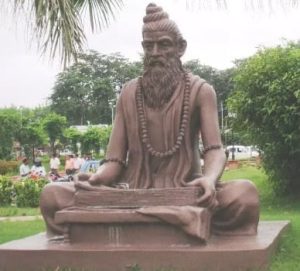
If you wonder who is the father of yoga, the answer is Sage Patanjali. He wrote the Yoga Sutras, which explain the eight limbs of yoga. These teachings guide modern yoga and help practitioners understand its purpose beyond exercises.
What Is Yoga According to Sage Patanjali
Yoga is the control of constant activity of mind. He presents yoga as a holistic system and a path to self realisation. The purpose is to quiet this mental activity so the individual can experience their true, pure state of being, free from the restlessness and distractions of the mind and body.
When Is Yoga Day and Why It Is Celebrated Worldwide
The world celebrates International Yoga Day on June 21 each year. June 21st marks as a summer solistic in the Northern Hemisphere, when the sun is at its highest point. This is the longest day of a year and is significant in yogic transition. The solstice represents a balance of light and energy. Aligning with the goals of yoga which is to achieve inner peace and equilibrium makes this the international yoga day. This day reminds people of yoga’s universal value. It also encourages everyone to try simple practices for better health and calmness.
What is Yoga:Its History and Evolution Over Time
From Ancient Practice to Modern Lifestyle
What is yoga today is very different from what it was in the past. Earlier, yoga focused on meditation and spiritual growth. Over time, it shifted into a balanced mix of physical postures, breathing exercises, and mindfulness.
Global Adoption of Yoga and Its Popularity
Yoga spread worldwide during the 20th century. People adopted it because it reduces stress and improves flexibility. Even global events linked to the yoga day help raise awareness among beginners and professionals. Professionals love it because they can practice it at home, at work, or in a studio.
Different Styles That defines What is Yoga Today
Modern yoga includes Hatha, Vinyasa, Ashtanga, and Yin. Each style has a unique rhythm, yet all focus on simple movements and smooth breathing.These styles still follow the principles connected to the father of yoga.
What Is Yoga: Explained by its Types
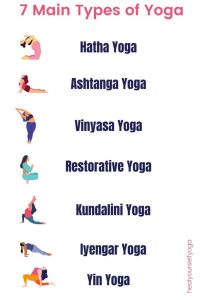
Yoga includes many styles that support different goals. These popular types show how flexible and accessible the practice is for modern professionals. This modern styles reflect the principle shaped by the father of yoga.
Hatha Yoga
A slow, beginner-friendly style that builds balance and basic posture awareness.
Vinyasa Yoga
A flowing sequence that boosts strength and helps burn calories. It makes it useful and supports that yoga helps lose weight.
Ashtanga Yoga
It is a structured and challenging style.It is ideal for building discipline, stamina, and focus. Its intense nature also helps answer the question does yoga help lose weight for many practitioners.
Yin Yoga
A calm practice with long-held poses that release deep tension and improve flexibility.
Kundalini Yoga
It is a practice that combines chanting, breathing exercises, and repetitive poses. It is designed to lift energy and calm the mind.
Restorative Yoga
This yoga is a gentle and slow paced practice. Props like blanket and blosters are used to support the body in passive poses.This poses are held for extended periods, often for five minutes to focus on deep relaxation.
Iyengar yoga
Iyengar Yoga is a type of yoga in which focus on the structural alignment of the physical body through the practice of asanas.It differs from other styles of yoga in three ways: precision, sequence and use of props.
What is Yoga? Specialized and Advance Concepts
Exploring What is Yoga By the Eight Limbs of Yoga
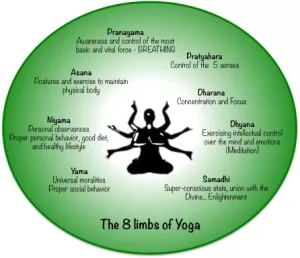
Advanced yoga includes eight limbs (Ashtanga): Yama, Niyama, Asana, Pranayama, Pratyahara, Dharana, Dhyana, and Samadhi. The father of yoga explained these limbs. This shows that it is not only movement but also full path to live the life in discipline and with inner clarity.
Modern Science Supporting Yoga
Many studies show yoga improves heart health, joint mobility, and mental well-being. This mix of ancient wisdom and modern science makes this both timeless and practical. Even recent time people are encouraged to do yoga in the international yoga day.
Understanding What is Yoga by Pranayama and Its Benefits
Breathwork, or pranayama, plays a big role in yoga. The word Prayanama combines Prana (life force,breath) and “Ayama” (to control or expand). This is one of the 8 limbs of yoga described by the father of yoga. Simple techniques like box breathing and alternate-nostril breathing help calm your nervous system and it also sharps focus. These practices can be include in work breaks.Key benefits include improved physical and mental health, such as reduced anxiety, lower blood pressure, and enhanced respiratory function.
Benefits of Yoga for Modern Professionals
Physical Benefits and Does Yoga Help Lose Weight
Many people ask, does yoga help lose weight? Yes, it does. Dynamic styles like Vinyasa and Ashtanga burn calories and boost metabolism. These are best for weight loss because they involve fast-paced movements and sequences that burn more calories. Practicing the series of poses known as Surya Namaskar (Sun Salutation) is also very effective for weight loss, as it engages the entire body, boosts metabolism, and can be adapted for intensity. Even gentle forms improve posture, aid digestion, and build strength.
Mental and Emotional Benefits for Busy Minds
Yoga reduces stress because it slows your breathing and calms your thoughts. Just 10 minutes a day can improve focus and reduce anxiety. These benefits support better decision-making at work.
Holistic Well-Being Through Daily Practice
Yoga creates balance between activity and rest. It enhances sleep, improves energy, and increases self-awareness. These benefits help professionals stay productive without feeling drained.
Advanced Approaches to Yoga Practice
Personalizing Your Yoga Routine
You can include yoga to your schedule and consider it as your goals. Morning practice boosts energy. Evening practice helps you relax and unwind. Even a five-minute stretch can refresh your body and mind.
Using Yoga for Weight Management and Strength
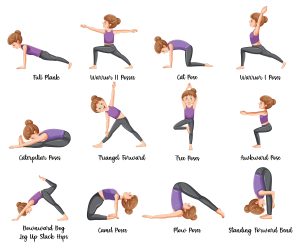
If your goal is fat loss then you can pair yoga with mindful eating. Strength-building poses like plank, warrior, and chair pose help tone muscles. All togather works well and support long-term fitness. A regular and consistent practice is crucial for building the strength, flexibility, and discipline needed for advanced levels.
Here some yoga poses you can practice daily to maintain your weight.
Mindfulness and Meditation as Part of Yoga
Meditation is a key part of yoga. Various meditation techniques, such as mindfulness meditation and loving-kindness meditation can enhance mental clarity and cultivate peace. Professionals can practice short sessions during breaks. These moments increase creativity, emotional balance, and patience.
Final Thought: Why is Yoga Still Matters Today
Yoga continues to guide millions toward a healthier and calmer life. Its simple movements and mindful breathing fit perfectly into modern routines. As you explore yoga, ask yourself: What small change can I make today to bring more balance into my life? Even yoga day can be used as a reminder to restart or deepen your practice.
