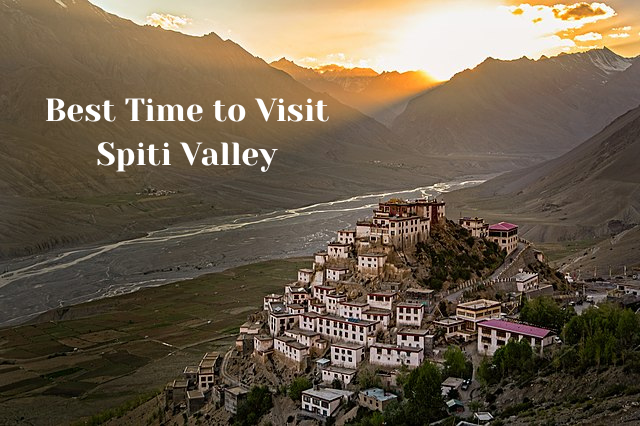
Best Time to Visit Spiti Valley

Introduction
Spiti Valley is mainly famous for its breathtaking landscapes from different barren mountains along with snow-capped peaks and rich Tibetan Buddhist temples. The place is also famous as the middle land of the Himalayas across the blue. The snow-clad peaks, peaceful villages and ancient monasteries can create a rich environment for travellers to visit Spiti from different parts of the country. Whether it is a road trip, adventure travelling or cultural exploration, the Spiti can offer various tasks to the travellers in the Himalayan Paradise with serenity of love and awe. However, before planning the trip, it is essential to understand the best time to visit the Spiti Valley. The rough altitude or extreme climate can create a different experience for you. This blog will guide you in choosing the perfect season for visiting Spiti, based on accessibility, activities, photography, and travel comfort, so that you can experience the place and connect with its natural resources.

Spiti Valley trip plan
A typical trip to Spiti Valley includes visits to popular places like Kaza, Key Monastery, Kibber Village, Langza, Hakim, Komic, Pin Valley National Park, Tabo Monastery, and Chandratal Lake. You can get to Spiti in two main ways: from Manali or from Shimla. A lot of people like to go in a circle: Shimla → Kinnaur → Kaza → Manali. You can enjoy both the scenery and the diversity of cultures along this route. A typical trip lasts seven to ten days. Since most locations are over 10,000 feet, proper rest and acclimatization are crucial.
Best time to visit spiti Valley
May through October is the ideal time of year to visit Spiti Valley because of the pleasant weather, open roads, and easy access from both Manali and Shimla. The snow melts during this time, and the valley comes alive with verdant meadows, gurgling rivers, and vibrant celebrations. May through June: Excellent for road trips, photography, and sightseeing. The scenery becomes breathtaking as the snow begins to melt. Adventure- seekers can enjoy July through September. Even though Kinnaur might see some rain, Spiti itself is still vibrant and dry.
October: A calm month with clear skies and fewer visitors. Autumn is perfect for photographers because of its golden hues. Overview of the Spiti Valley Climate Like Ladakh, the Spiti Valley experiences extremely cold desert weather. Pleasant temperatures between 10°C and 25°C are experienced during the summer months of May through October. The best time to travel and explore is now.
Winter (November–April): Extremely cold, with lows of -20°C. Roads are blocked by heavy snowfall, which also isolates the valley from the rest of Himachal. Even during the monsoon season, Spiti receives very little rainfall because of its high altitude and dry air.
Overview of Spiti Valley Climate
The busiest travel season is summer (May–June). Monasteries hold festivals, roads open, and outdoor pursuits like hiking and camping start.
Monsoon (July–September): Although the valley is largely dry, landslides could occasionally occur along the route from Shimla. Nevertheless, it’s a wonderful time to take in the beautiful surroundings.
Autumn (October): Provides a serene setting, pristine vistas, and the beginning of winter’s chill.
Winter (November–April): Reserved for the most daring explorers. In villages like Kibber and Kaza, snow leopard expeditions are ideal during this time of year, even though roads are closed due to snow.
Season-Wise Breakdown
Summer (May–June): The most well-liked and comfortable season to visit Spiti Valley is summer. As the snow starts to melt, the valley’s unadulterated beauty—blue skies, gurgling rivers, and verdant patches amidst stony mountains—is revealed. With temperatures ranging from 10°C to 25°C, it’s ideal for camping, hiking, and sightseeing. During this time, the roads from Shimla and Manali open, enabling visitors to see monasteries like Key, Tabo, and Dhankar as well as villages like Kibber, Langza, and Komic. For adventurers and photographers, summer is also the best season.
Monsoon (July–September): Despite Spiti’s location in a rain shadow, landslides and sporadic rainfall are possible on the approach roads from Kinnaur and Manali. However, the valley itself is still largely dry.The environment gets greener during this period, and the cool, revitalizing weather persists. For those who enjoy unusual travel and wish to see the valley when there are fewer tourists, the monsoon season is ideal. In August, Kaza hosts festivals like the Ladarcha Fair, which provide an insight into the local way of life and commerce.
Autumn (October): The change from summer to winter occurs in October. The landscape glows in shades of brown and gold, the air gets crisper, and the skies become clearer. As the number of tourists declines, this time of year is preferred by photographers and peace seekers. But as October draws to a close, the temperature starts to drop, and many homestays start to close for the winter.
Winter (November–April): The winter months are difficult and harsh. The majority of roads are blocked by snow, and temperatures drop below -20°C. Only the most daring visit Spiti in this season, often to witness snow leopard expeditions in Kibber and nearby villages.
Best Time Based on Travel Style
Road trip enthusiasts: both routes are open from June to September. Trekking, camping, and biking are available from May to July for adventure seekers. October is a great month for photographers because of the clear skies, brilliant sunsets, and reduced crowds and embrace the magical silence of the Himalayas for wildlife enthusiasts, the best time to see snow leopards is in late February or early March.
Road Trip Enthusiasts
Since both the Manali–Kaza and Shimla–Kaza routes are completely open from June to September, this is the ideal time of year to take a road trip through the Spiti Valley. High passes like Kunzum and Rohtang are reachable, the weather is nice, and the rivers are manageable. For riders, fans of self-drive, and anyone wishing to finish the Spiti circuit, this is the perfect time of year.
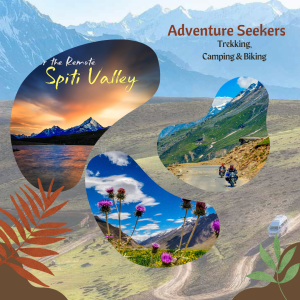
Adventure Seekers – Trekking, Camping & Biking
May through July is ideal if you enjoy trekking, camping under the stars, or high-altitude biking. The weather permits extended periods of outdoor activity, campsites are operational, and the snow has melted just enough to open the trails. This is the ideal time of year for popular treks like Chandratal, Pin Parvati, and Kanamo Peak.
Culture Lovers
Visit Spiti in August if you want to take in the festivals and traditional way of life. Along with local customs, folk dances, and monastery celebrations, you can take in the vibrant Ladarcha Fair. It’s the ideal month to meet locals and learn about the valley’s enduring culture.
Photography Enthusiasts
For photographers, October is the best month. The ideal setting for breathtaking photographs is created by clear skies, striking scenery, angular mountain views, and brilliant sunsets. You can embrace the Himalayas’ enchanted silence and take unbroken pictures when there are fewer tourists around. The night sky is perfect for astrophotography because it is particularly clear.
Wildlife Enthusiasts
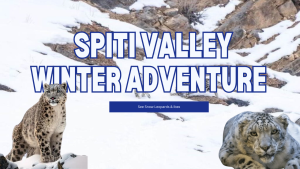
Go in late February or early March if you want to see rare Himalayan wildlife. This is the prime season for snow leopard sightings, as they descend closer to villages in winter. During this time, you might also spot Himalayan ibex, foxes, and blue sheep.
Tips for Travelers
To avoid altitude sickness, acclimate gradually. Even in the summer, keep warm clothing on hand because the nights can get chilly. Because ATMs are scarce in rural areas, carry cash.
Because there aren’t many facilities, bring your essentials, medications, and snacks.
To protect the valley’s natural beauty, refrain from littering and show consideration for local traditions.
- Get Ready for Temperature Changes
Even during the summer, it can get chilly at night. Keep extra socks, gloves, a warm jacket, and thermals with you.
- Maintain Adequate Funds
There aren’t many ATMs in Spiti, and occasionally they run out of money. Always have a sufficient amount of cash on hand.
- The Reality of AMS (Altitude Sickness)
The valley is higher than 10,000 feet. On Day 1, get enough sleep and refrain from exerting yourself. Drink lots of water.
- Road Conditions Can Be Difficult
Anticipate rough patches, streams, and narrow roads. Drive a reliable car or hire a driver with experience.
- Inadequate Network Access
In some places, only Jio and BSNL are operational. Get important documents, music, and maps offline in advance.
- Keep a Simple Medical Kit on Hand
Add pain relievers, bandages, ORS, Diamox (for AMS), and motion sickness tablets.
- Respect Local Culture & Monasteries
Dress modestly, maintain silence in monasteries, and always ask before photographing locals.
Conclusion
Spiti Valley is more than just a place to visit; it’s an emotional experience. It provides visitors with the ideal escape into the untainted beauty and tranquility of nature with its bleak landscapes, historic monasteries, and serene villages. But because of its high elevation and difficult terrain, the best time to visit is crucial to fully experiencing the valley.
From May to October, when the weather is nice, the roads are open, and the whole area comes alive after the long winter, Spiti Valley is without a doubt the best time to visit. Travelers are free to visit all of the well-known locations, including Kaza, Key Monastery, Kibber, Langza, and Chandratal Lake, during these months. Photographers will love the picture-perfect views created by the snow-capped peaks, warm sunshine, and clear skies. sightseeing, and adventure. Additionally, the valley hosts a number of regional festivals, providing tourists with an opportunity to immerse themselves in its rich Buddhist customs and culture.
Since the Manali–Kaza and Shimla–Kaza routes are still open, summer and early autumn (June–October) are the most convenient times for adventurers and road trippers. However, visitors looking for a more sedate, unusual experience can go in late September or early October, when the valley is golden and the crowds of tourists have subsided. Extreme winter visitors, including explorers and wildlife photographers, can come between February and March for the unique opportunity to see the frozen Spiti landscapes and the elusive snow leopard.
Being prepared is crucial regardless of when you travel. Always pack warm clothing, drink plenty of water, adjust to the local climate, and show consideration for the environment and culture. Recall that the simplicity, purity, and silence of Spiti are what make it so beautiful. In summary, the ideal time to visit Spiti Valley genuinely depends on your preferred mode of transportation, be it adventure, photography, culture, or tranquility. However, for a full and comfortable experience, May through October continue to be the best months. Spiti is more than just a location; it’s a way of life that lingers in your heart long after you’ve left its rocky, celestial paths.