Black Tea Leaves 101: How to Brew a Bold, Flavorful Cup

There’s a reason black tea has stuck around for centuries while trendier drinks come and go. Black tea Leaves packs a strong punch. Honestly, you can hardly mess it up though a few tricks make it even better. If you’ve ever sipped a flat or bitter cup and wondered what went wrong, this guide fixes that.
We’ll walk through what actually makes black tea different from other teas, the main types of black tea worth knowing, and how to brew the best black tea you’ve ever had using nothing more than a kettle and a little patience.
So What Exactly Is Black Tea?
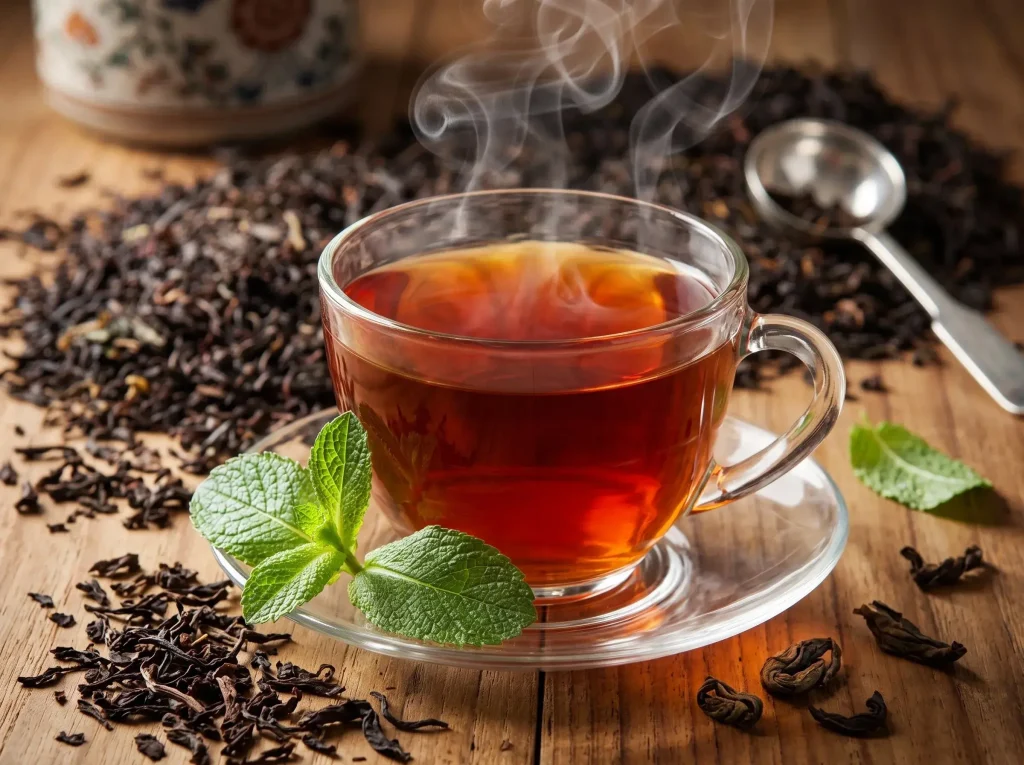
Image Source: Ahmad Tea Sri Lanka
The interesting thing is that black, green and white teas all originate from the same plant, Camellia sinensis. The difference is in how it is processed. Tea is made by picking the leaves, withering them, rolling them, allowing them to oxidize completely and then drying them. This oxidation is what turns the leaves dark, and gives the tea its deep color and rich, sometimes malty flavor.
Because black tea is more heavily processed than green or white varieties, it also tends to last longer on the shelf without losing its character. And it’s forgiving — you can add milk, sugar, honey, or lemon without drowning out the flavor, which is part of why it works so well in chai, English breakfast blends, and iced tea.
The Main Types of Black Tea You Should Know
Ask five tea drinkers what their favorite black tea is, and you’ll probably get five different answers. That’s because black tea isn’t one flavor — it’s a whole family of them, shaped by where the leaves are grown and how they’re handled.
Assam
Rich, malty and full-bodied. This Indian tea is what most people think of when they think “classic black tea” and is a staple in breakfast blends.
Darjeeling
Lighter and more floral than most black tea leaves, often nicknamed the “champagne of teas.” Not what you’d reach for if you want something heavy.
Ceylon
From Sri Lanka, this one’s bright and brisk with a little citrusy edge.
Keemun
A Chinese black tea with a smooth, almost wine-like taste and a faint smokiness.
Lapsang Souchong
Not for the faint of heart. These leaves are dried over pinewood fires, so the tea comes out genuinely smoky.
English and Irish Breakfast
Blends built from several types of tea leaves to create something strong and reliable, cup after cup.
Trying a few side by side is the fastest way to find your favorite.
What Actually Makes a Good Black Tea
Not every tea on the shelf deserves your money. A few things separate the best black tea from the mediocre stuff:
Whole leaves beat dust and fannings almost every time. Whole tea leaves hold onto more of the natural oils and compounds that give tea its flavor, so what you get in the cup is noticeably richer. Freshness matters too — good tea should smell alive, not dusty or stale, and a harvest date on the package is a good sign the seller cares about quality.
It’s also worth paying attention to where the tea comes from. Brands that name the specific garden or region tend to be more trustworthy than ones that just slap “black tea” on a generic bag. And once you’ve bought good leaves, keep them in an airtight, opaque container — light, air, and moisture are basically the enemies of flavor.
How to Actually Brew a Great Cup of Black Tea
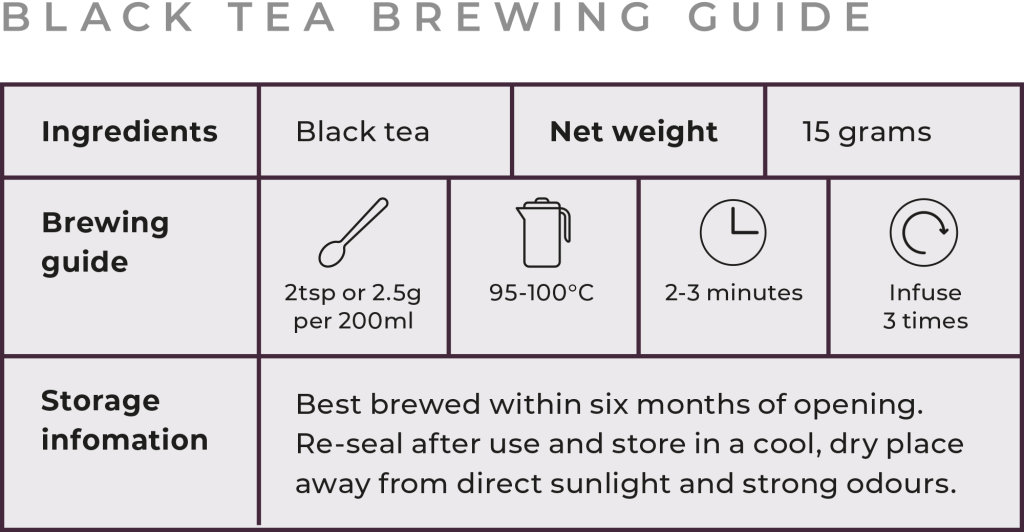
Image Source: Jersey Fine Tea
This is where most people go wrong, and it’s usually not their fault.
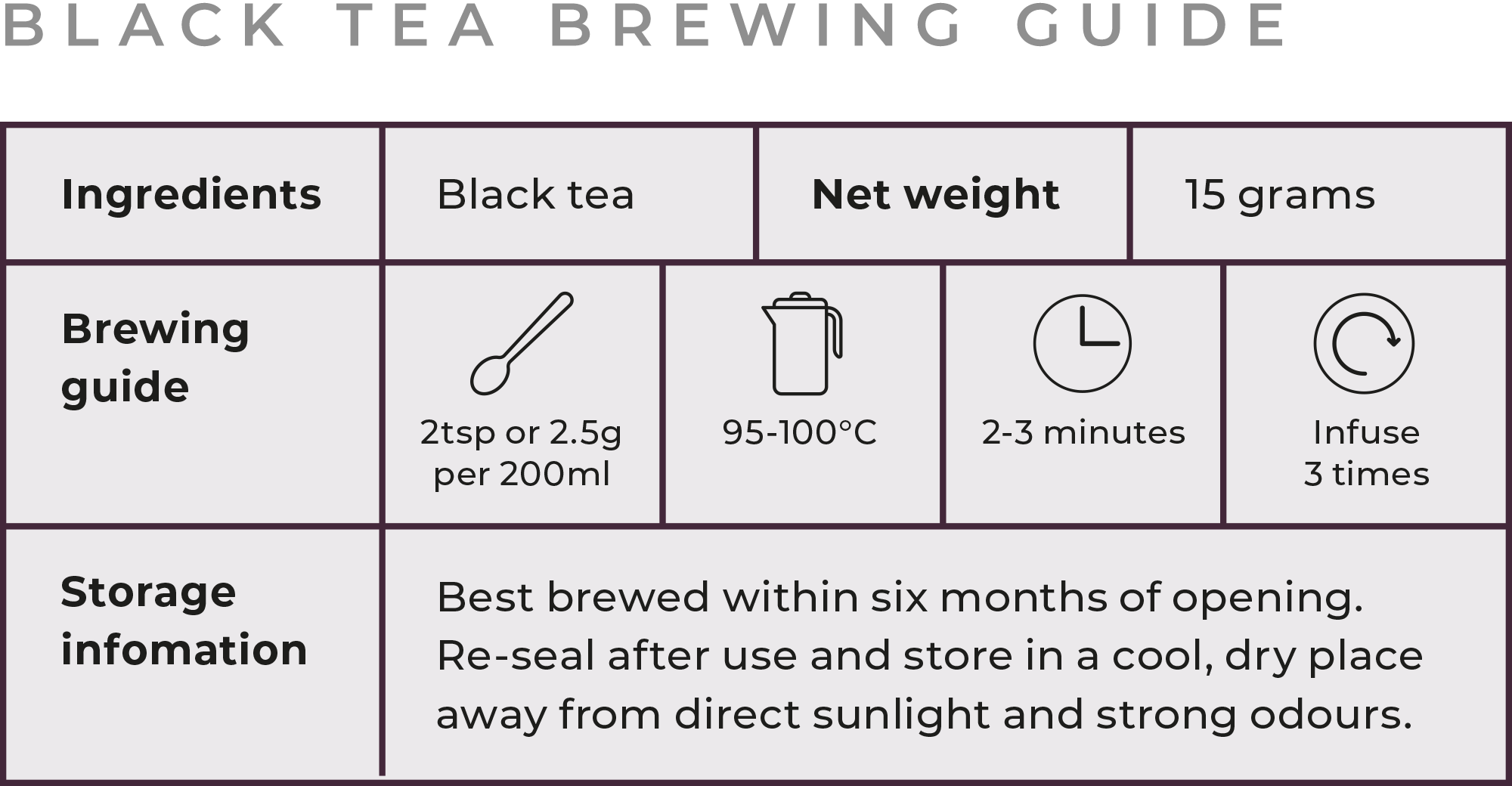
Start with water that’s actually fresh, not water that’s been sitting around getting stale or overly chlorinated. Heat it close to boiling, somewhere around 200–212°F. Tea Leaves can handle that heat (unlike green tea, which scorches easily), and it needs it to release its full flavor.
For measuring, one teaspoon of loose tea leaves per 8-ounce cup is a
solid starting point — tweak it up or down depending on how strong you like things. Let it steep for 3 to 4 minutes. Any longer and you’ll start pulling out tannins that make the tea taste bitter and harsh, which is the number-one reason people think they don’t like black tea leaves when really, they just over steeped it.
Once it’s done, strain the leaves out right away. Don’t let them linger in the cup. From there, drink it plain or dress it up with milk, honey, or lemon — whatever suits the specific type of tea you’re working with.
A Few Extra Tips Worth Remembering
Warming your teapot or mug with hot water before you brew helps keep the temperature steady through the steep. Store your leaves somewhere cool and dark, away from strong smells, since tea is like a sponge for odors. And if you’re someone who likes iced tea, try cold brewing your tea leaves overnight in the fridge — it comes out smoother and less bitter than the hot-brew-then-chill method.
Final Thoughts on Black Tea
Image Source: Icey Bubbles
Whether a Consumer is drawn towards the maltiness of Assam or the smoky punch of Lapsang Souchong, there’s a type of black tea out there for pretty much every consumer. There is no elaborate secret — it’s just about starting with Quality tea leaves, knowing the different types of tea available, and paying attention to water temperature and steep time.
So next time you’re tempted to grab a bargain tea bag, consider trying loose-leaf tea instead. Once you taste the difference, it’s hard to go back.