The Cultural Heritage of Murshidabad: History, Art and Traditions

A city packed full of history! The historic city of Murshidabad sits along the banks of the Bhagirathi River in West Bengal. There are many impressive sights to see throughout the area with beautiful palaces, ancient temples, stunning mosques, traditional silk, handmade crafts and unique cultural heritage.
For those who love history, art and culture, the city of Murshidabad is a unique place to visit. With stunning historical buildings, traditional crafts and amazing cultural festivals.
The city was once the capital of Bengal under the control of the Nawabs. This led to it becoming an important hub for administration, trade and art. However, after the Battle of Plassey in 1757, it lost its political importance. The cultural aspect of the city was however still maintained through the architecture, literature, crafts and local community.
Let us take a look into the cultural heritage of the city and discover why Murshidabad is an important part of the Bengali identity!
-
The Nawabi History: Origins of the Cultural Identity
The cultural heritage of Murshidabad is heavily linked to the Nawabs of Bengal. In the early 18 th century the city became well known due to Nawab Murshid Quli Khan establishing it as an important administration and trade centre.
It became known for attracting many traders, artists, architects and talented craftspeople. Trade was thriving, with trading via the rivers. There was lots of silk, textiles and other valuable items being traded in the area.
The Nawabs also encouraged art, music, literature and artistry. There is lots of evidence of this today.
Unfortunately, the Battle of Plassey in 1757 changed the history of Murshidabad. Siraj-ud-Daulah lost to the British East India Company.
2.Historical Building
One of the most fascinating parts of the cultural heritage of Murshidabad is the architecture. There are many historical buildings which date back to different times and communities.
Hazarduari Palace
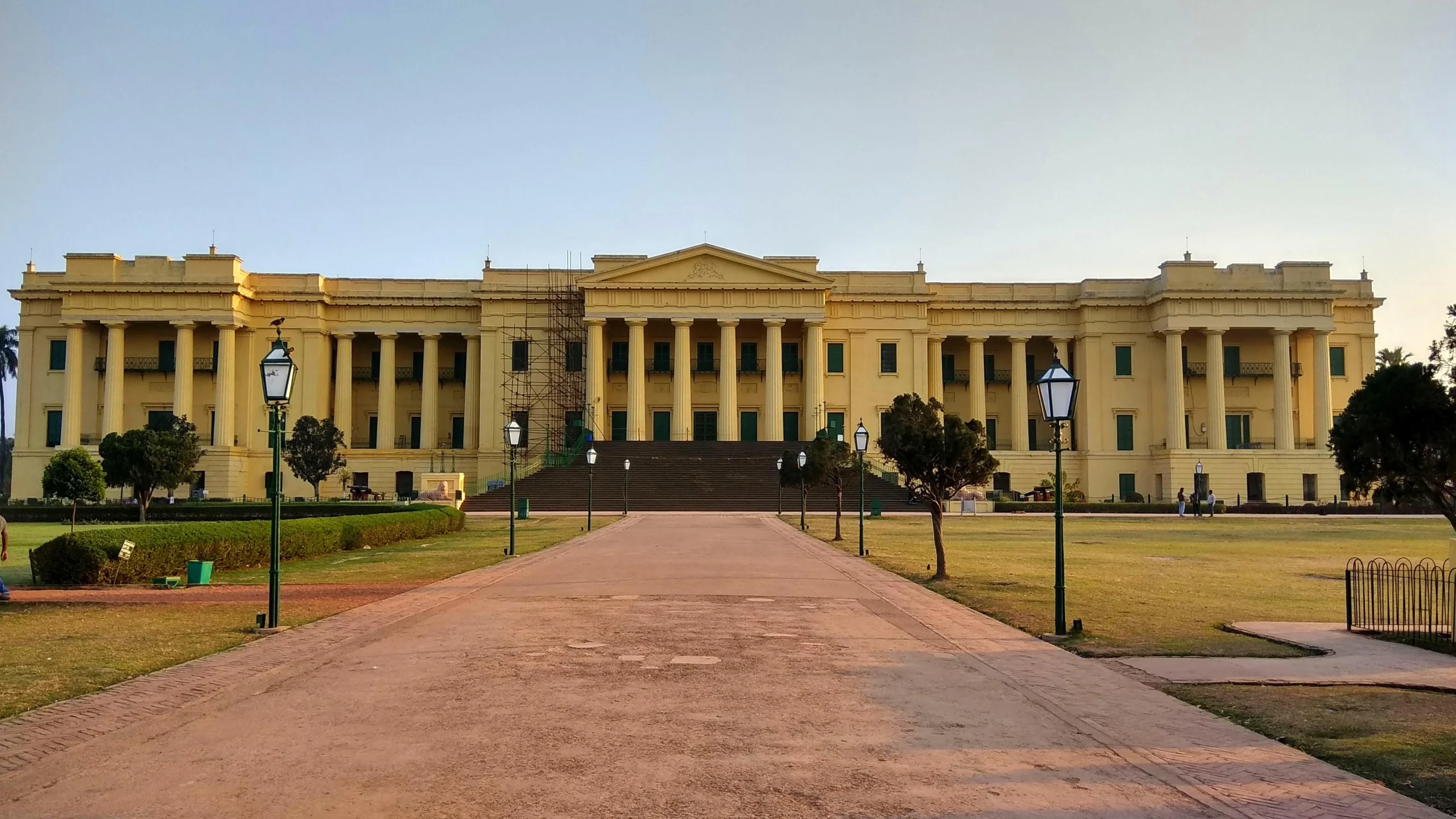
One of the most recogniseable buildings in the city is the Hazarduari Palace. This was built in the 19 th century under Nawab Nazim Humayun Jah. The palace is known for having 1000 doors and having distinct Indo-European features.
Today the palace houses a museum displaying historical items such as paintings, furniture, weapons and other items from the Nawabi times giving visitors a taste of what life was like for the royal family of Bengal. 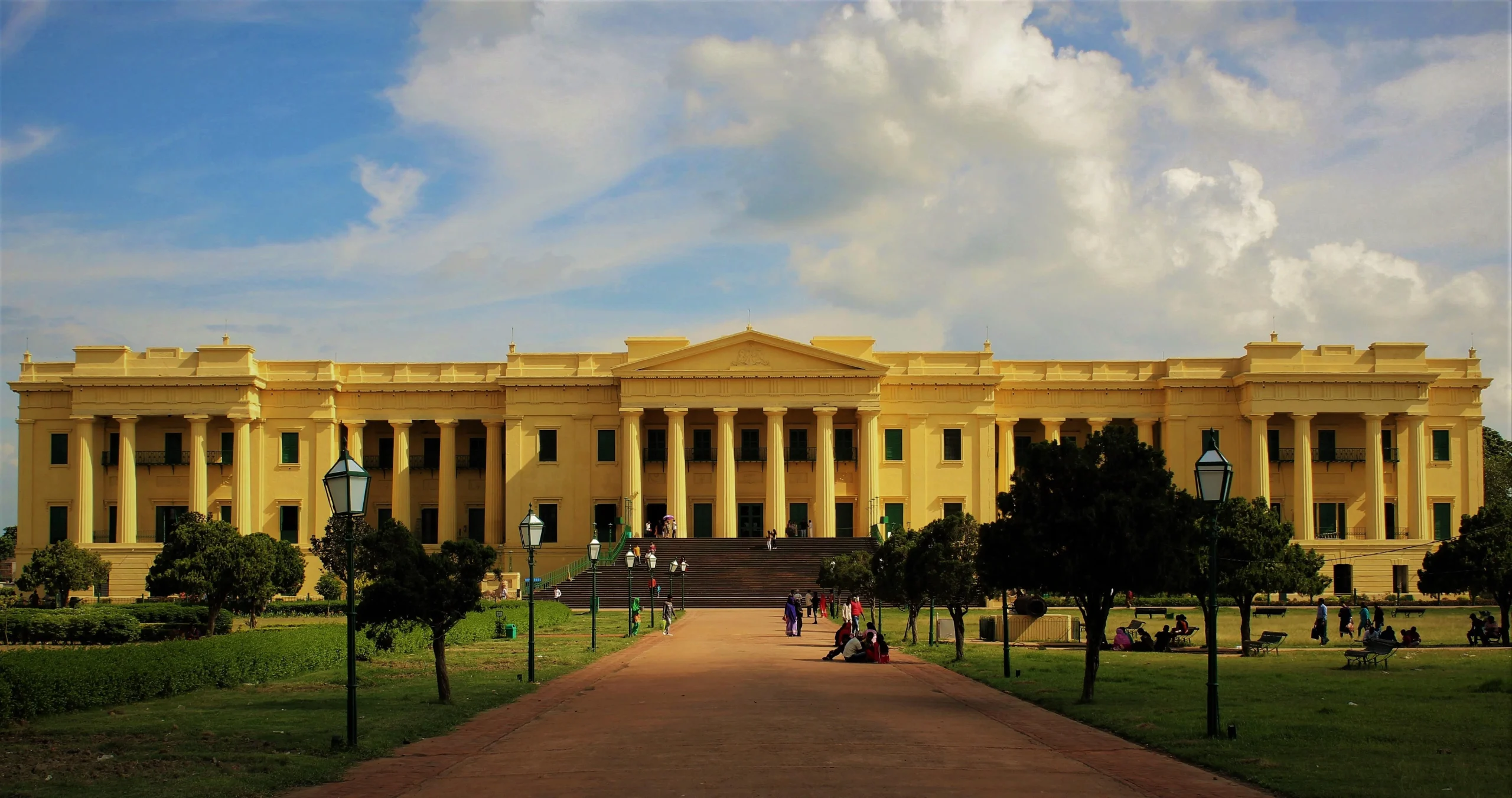
Katra Mosque
This is another important historical building linked to Nawab Murshid Quli Khan. The mosque was built between 1723 and 1724 and displays the Islamic architecture of the area. Due to it having historical significance and being very unique it is a great place to visit if you love history and architecture. MDI Murshidabad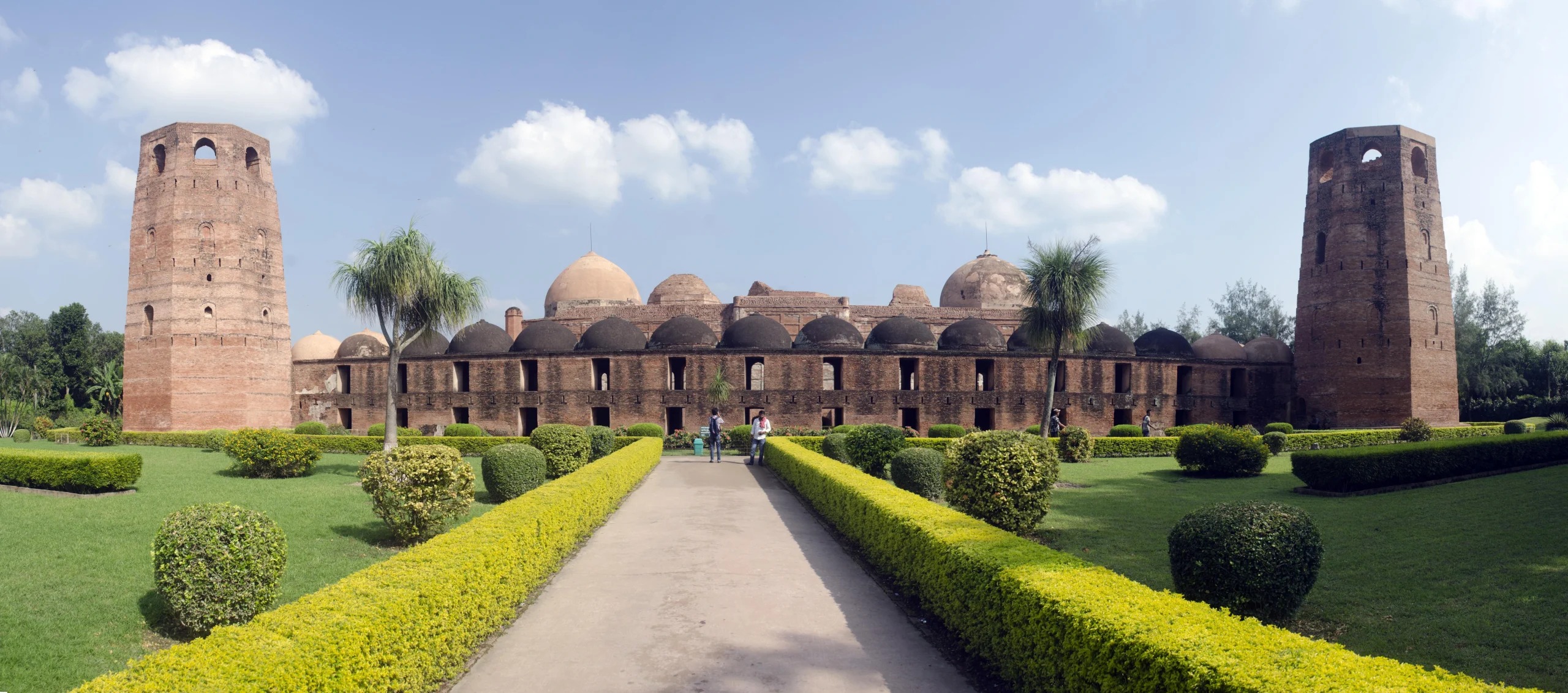
Nizamat Imambara
This is an important religious and architectural site located opposite the Hazarduari Palace. After a fire the building was rebuilt in 1847 and is recognised as one of the largest Shia gathering halls in Bengal. MDI Murshidabad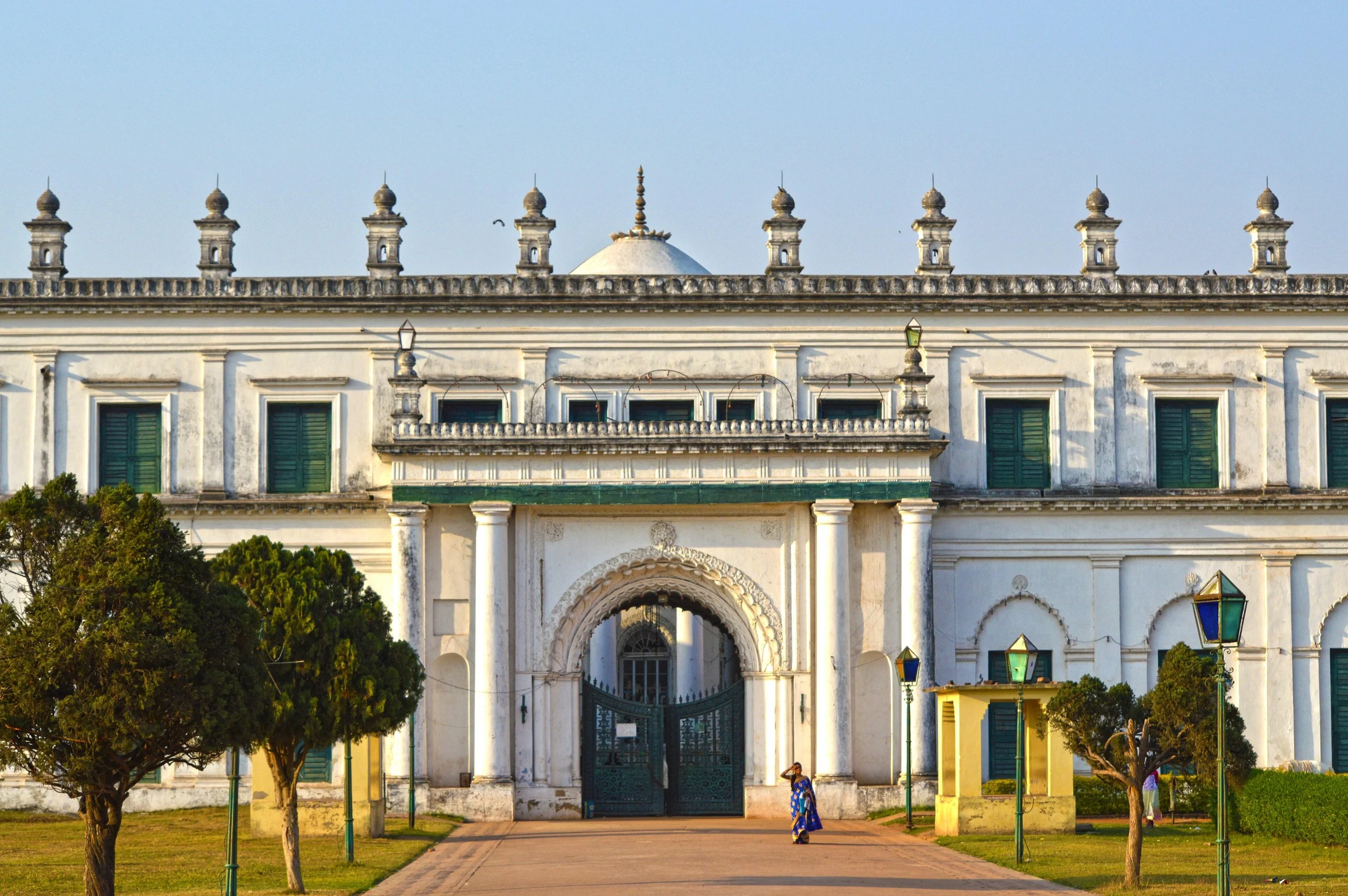
Kathgola Palace and Gardens
This palace showcases the influence of the Jains in Murshidabad. You can appreciate the blend of European and Indian style architecture with beautiful gardens, Jain temple and historical items. This is a fascinating insight into how wealthy merchant families lived. MDI Murshidabad+1
These buildings show that the culture of the city was not just linked to the Nawabs but also the traders, religious communities and those from different backgrounds.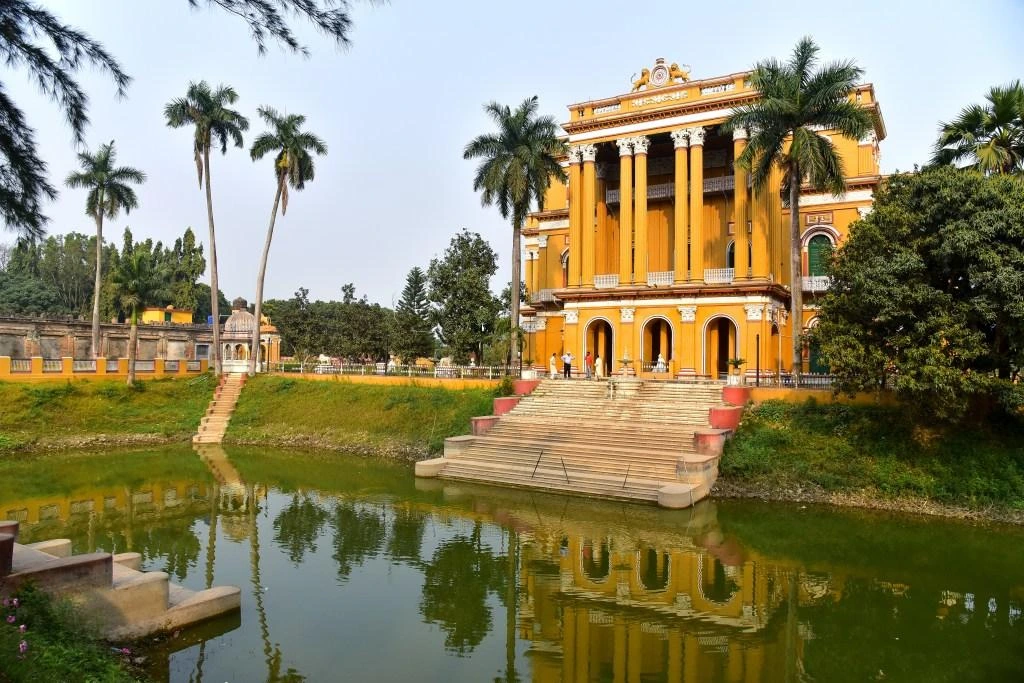
-
Rich Tradition of Silk
dtimesofindia.indiatimes.com
It’s difficult to turn away from the famous silk industry of Murshidabad.
Due to this industry being renowned for its excellent silk and textiles, relationships have been formed with traders across the country and globe.
Silk from Murshidabad is known for its smooth, natural and elegant characteristics. Traditional silk sarees are still a big part of textile culture in Bengal which helps those who love handmade products.
Each piece of beautiful silk has been crafted by talented artisans meaning traditional weaving is still a big part of the industry. There is also a strong connection between the past and present.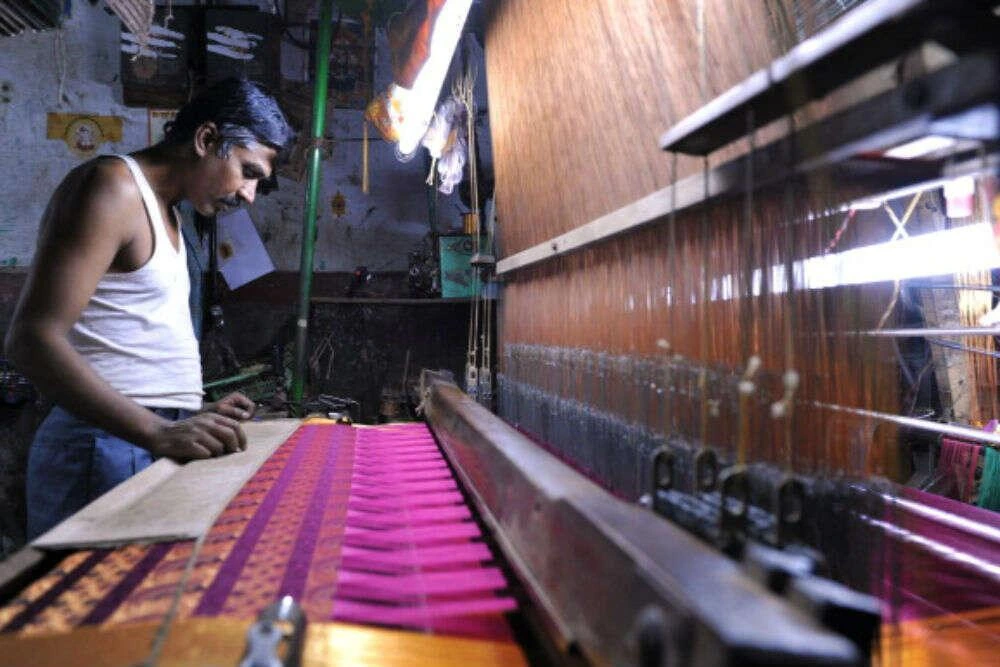
-
Traditional Art and Crafts
The area has a rich culture with lots of traditional craft
Local craftsmen still practice these crafts to showcase the artistry of the area. Some of these include:
Terracotta – decoration using clay. Traditional art design.
Silk Weaving – traditional textiles.
Gold Embroidery – detailed stitching.
Architecture – intricate items in old palaces, temples and religious buildings.
This art is not just decorative but shows how knowledgeable, creative and passionate the local craftsmen are.
Encouraging traditional crafts to be supported and promoting young people to learn these skills will help to keep the cultural heritage of Murshidabad alive. MDI Murshidabad
-
Folk Culture,Music and Traditional Dance Forms
Not only do the buildings and crafts of the city show culture but there are also traditional performances, music and dances.
There are two unique folk arts in the area;
Raibenshe
This is a traditional dance involving acrobatics and martial arts inspired moves. The dancers use bamboo sticks and move with lots of energy to portray the warrior culture.
This is strongly associated with the Kandi subdivision of Murshidabad. The performances display physicality, coordination and the culture of the area. PDF
Alkap
Traditional Bengali theatre that is humorous, musical, verbal and dramatic.
A group of people would usually take part in an Alkap. They act out humorous stories and sing. It has evolved over the years.
This traditional activity helps to remind us that culture isn’t confined to a museum.
-
Festivals
bengali.indianexpress.com
Festivals are an important part of keeping culture alive. There are several festivals in Murshidabad that celebrate history and culture.
One of the most interesting festivals is the Bera Festival.
The festival has connections to Nawabi times. The name derives from the Persian word Bera meaning boat. Traditionally they celebrate by having beautifully decorated boats on the Bhagirathi river. It also involves religious rituals and celebration. (Cultural repository)
The festival is still celebrated today on the last Thursday of the Bengali month Bhadra.
Another festival is the Rajya Kabial Mela. This celebrating the life of Sheikh Gumani Dewan famous Kabial from Murshidabad. This celebrates traditional Bengali musical debates. Kabials are known for using music in their art. PDF
This allows young people to learn about their culture and appreciate traditional art.
-
Sheherwali Community
footlooseinme.com
An interesting culture in the city is the Sheherwali community.
The Sheherwalis were mainly Jain traders who migrated from Rajasthan. Over time they formed their own unique culture fusing with Rajasthani culture, Bengali and other local cultures.
They have had an impact on the area with some beautiful historic houses, Jain temples, unique cuisine and merchant style buildings.
Their cuisine is very interesting as they have a mix of vegetarian food and tasty food inspired by different regions.
This demonstrates how the culture in the area has evolved through migration and culture exchange to make a unique and rich region. MDI Murshidabad
-
Museums
Museums are an important part of protecting historical items whilst helping people learn about their history.
The Murshidabad Museum is a cultural hub. The items in the museum have connections to the Nawabi time with items such as textiles, weapons, manuscripts and other items from the royal era.
You can learn how people lived, dressed, worked and how they ran their business in the past.
This provides great links for students, researchers and history lovers relating to history and artefacts.
9) Importance of preserving heritage
We have a responsibilty to preserve the heritage of Murshidabad.
Historical buildings such as palaces, havelis and temples should be preserved. Traditional crafts and folk arts should also be promoted.
The community play a large part in preserving the heritage. A report was published in January 2026 in The Times of India stating that the people of Murshidabad have a strong sense of pride for their heritage and utilise community based techniques to preserve their centuries old Havelis in Jiaganj-Azimganj.
This shows that not only government organisations and historians utilise preservation techniques the local community, craftsmen, cultural organisations and young people do too.
Supporting local craftsmen, being responsible when visiting historical sites, documenting traditional art and sharing culture can all help.
Conclusion
Murshidabad is a very culturally rich place with lots to learn about relating to it’s history, architecture, art, literature, religion and traditional crafts. There are some incredible things to learn such as the amazing Hazarduari Palace, amazing silk weaving, Raibenshe and the colourful Bera Festival.
What makes Murshidabad so unique is that they have an active culture, traditional crafts, festivals, preservation of their heritage buildings and sharing stories.
It teaches us to keep our culture alive and appreciate it.
By visiting this historical site you will gain knowledge about the traditions and communities that make up the area.