
Electric Car Life: Only Guide You Need.

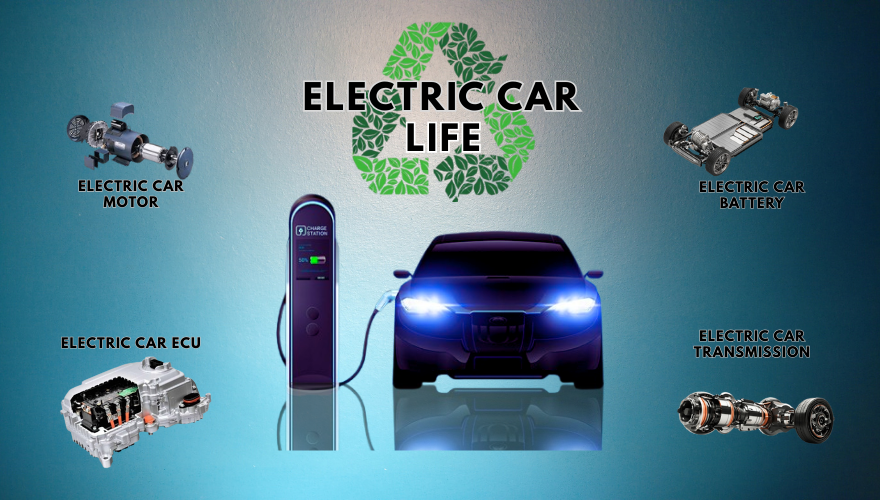
Electric Car Life has been very interesting. An electric car uses electricity as power instead of petrol or diesel. The car has a motor, a battery, and a control unit. The battery stores energy, and the motor turns that energy into movement. Many people like the smooth and silent drive. Therefore, EVs are also known to have zero car pollution. Because the battery is the main power source of an electric car. And Ev Battery life of EVs is a concern for users.
Understanding an Electric Car Life Cycle in India
An electric car uses electricity instead of petrol or diesel. The car has a motor, a battery, and a control unit. The battery stores energy, and the motor turns that energy into movement. Many people like the smooth and silent drive. So the life cycle of an electric car is linked to the battery and how it stores power over time.
Electric Car and the Life Cycle:
The life cycle starts at the factory. The company builds the car frame, installs the motor, and adds the battery. Some batteries use lithium-ion cells. These batteries store the juice. In India, most electric car brands import cells and assemble them here.
Early Years of Electric Car Life
In the first three years, the car runs great. Many owners charge at home using simple chargers. Cab drivers and office workers find it easy to charge at night. So, during use, car pollution is low. Because the car does not run on fuel. It runs on a battery.
EV Battery Life Over Time
As the battery is the most important part. EV battery life depends on charging cycles. A battery charge cycle consists of a full charge and discharge. Most EV batteries can complete many cycles. After some years, the battery loses its capacity to hold a charge. And so, the range per charge becomes lower. This is normal and happens slowly.
Key Stages in an Electric Car Life Cycle
Every electric car goes through stages. These stages show how the car lives and how long it stays useful.
Stage 1: Use and Daily Driving
Many Indian EV owners drive in the city. The range is enough for daily use. Electric car owners, like cab drivers and small business owners, are adopting Ev’s. So, they spend less money on fuel and service. As the electric vehicles provide an easy solution for home charging as well.
Stage 2: Battery Replacement Planning
Batteries have a long life. With time, it becomes weak, and owners think about replacement. A weaker battery does not mean the car stops. It only means fewer kilometers per charge. Therefore, EV battery life is a key factor for buyers who are looking for an affordable option.
Stage 3: Second Life for the Battery
Evenif a car’s battery is not working properly. They can still power homes, shops, or backup systems. This gives batteries a longer life and reduces car pollution at waste sites, and also reduces the carbon footprint of the car itself. As the life of the battery progresses, it degrades over time and can be recycled.
Impact of Electric Car Life on Pollution and the Environment
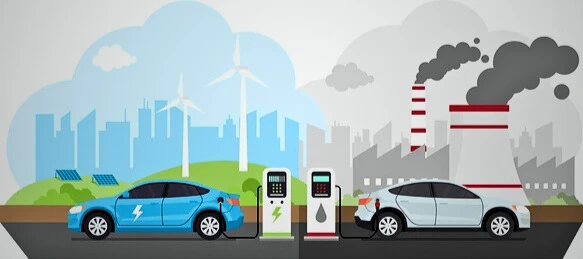
Many Indian buyers ask if EVs reduce car pollution. The answer depends on where the power comes from and how the battery is made.
No Exhaust No Emissions
An electric car does not have a tailpipe, so no harmful gases are released into the atmosphere. Because there is no fuel used, their is no such fumes or smell. For metro cities like Bengaluru, Delhi, Kolkata, Mumbai its a relief for the environment.
Collective Power Source
Electricity for charging points comes from various sources. These include coal, water, wind, and solar. More electric cars are better for the environment. However, green cars require significant infrastructure. This infrastructure development will likely take longer than anticipated.
Electric Car Life: Let’s Dive into Cost, Range, and Maintenance.
For the middle class and upper middle class, luxury cars are not an option. So, the daily office goer, cab driver, and the enthusiast segment have their share of fun on an electric car. Here is how cost fits into an electric car’s life.
Range and Daily Use
Most Indian EVs offer enough range for daily use. Owners charge at home and drive to work. They do not wait at fuel stations for the fill up. But the charging time and the range are the compensating factors here. Hence, the day is smoother, quieter, and cheaper.
Low Maintenance Parts
Electric cars do not have many moving parts. There is no need for an oil change, no clutch, and no transmission. So the service cost is lower. Cab drivers enjoy these benefits the most. But the compensation, for the lower running costs, is a range drop after a while, and also the cost of the replacement is on the higher side.
Charging Cost vs Fuel Cost
Charging is cheaper than petrol or diesel. EV owners save money based on kilometers driven. This makes the electric car more friendly for daily travel.
Specialized Concepts in Electric Car Life Cycle
Some advanced ideas are now part of electric car life in India. These ideas help the environment and help users.
Battery Recycling
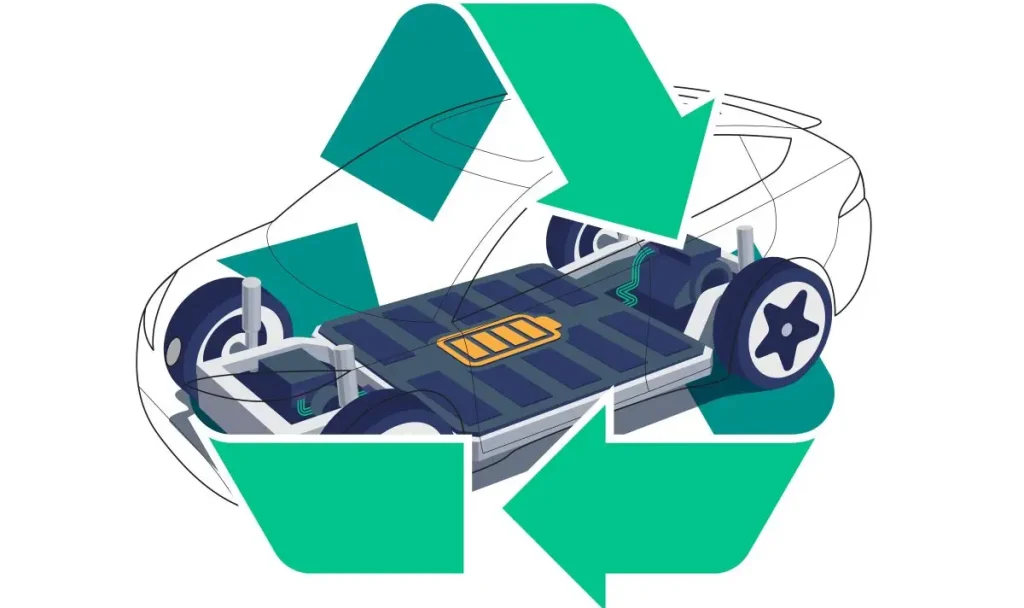
Recycling takes old batteries and recovers useful metals. Which are then used in a new battery. This reduces waste and cuts car pollution and keeps the environment safe, as none of the parts are left to rot or create bio-waste.
Second Life Energy Use
Old EV batteries power homes and offices. This extends EV battery life beyond car use.
Final Thought: The Electric Car and Its Future in India
The electric car has a promising life cycle. From factory to recycling, it offers lower car pollution and better savings in monetary terms and environmental terms. India is investing in charging infrastructure and adding more green power. So the future looks bright for the electric car market. Only question after this: When will you try one?