How to Start a Fast Food Business: Step-by-Step Guide

tFast food business is one of the popular choice today because it is highly demanded and relatively low startup cost. Moreover people with busy lifestyle always prefer quick, affordable and convenient meal which makes fast food shop as a daily reliable source of income. Additionally by choosing the right location, simple menu and with consistent quality and test, a fast food business grow rapidly and build a loyal customer over time. In fact many fast food restaurants do this things.
Basis of a successful fast food business
Understand of Fast Food business model
Before learning how to start a fast food business fast of all you have to understand business model. Generally, a first Food business focuses on consistent quality and taste and quick preparation. As a result, this model helps people to speed up the service and reduce costs.
Moreover, a fast Food business depends on promised recipes and skilled workflow. This elements, in turn, helps them to serve more customer in less time.
Choosing the right fast food business idea
Selecting the right fast food business idea is crucial for success. Primarily, it depends on your local market demand. For example, mainly popular items is burgers, rolls, fried snacks, momos, pizza slices.
Furthermore, offering focused menu based on your local market craze improve profit margins.
Types of fast food business you can start
Source: acooker
Small fast food restaurants
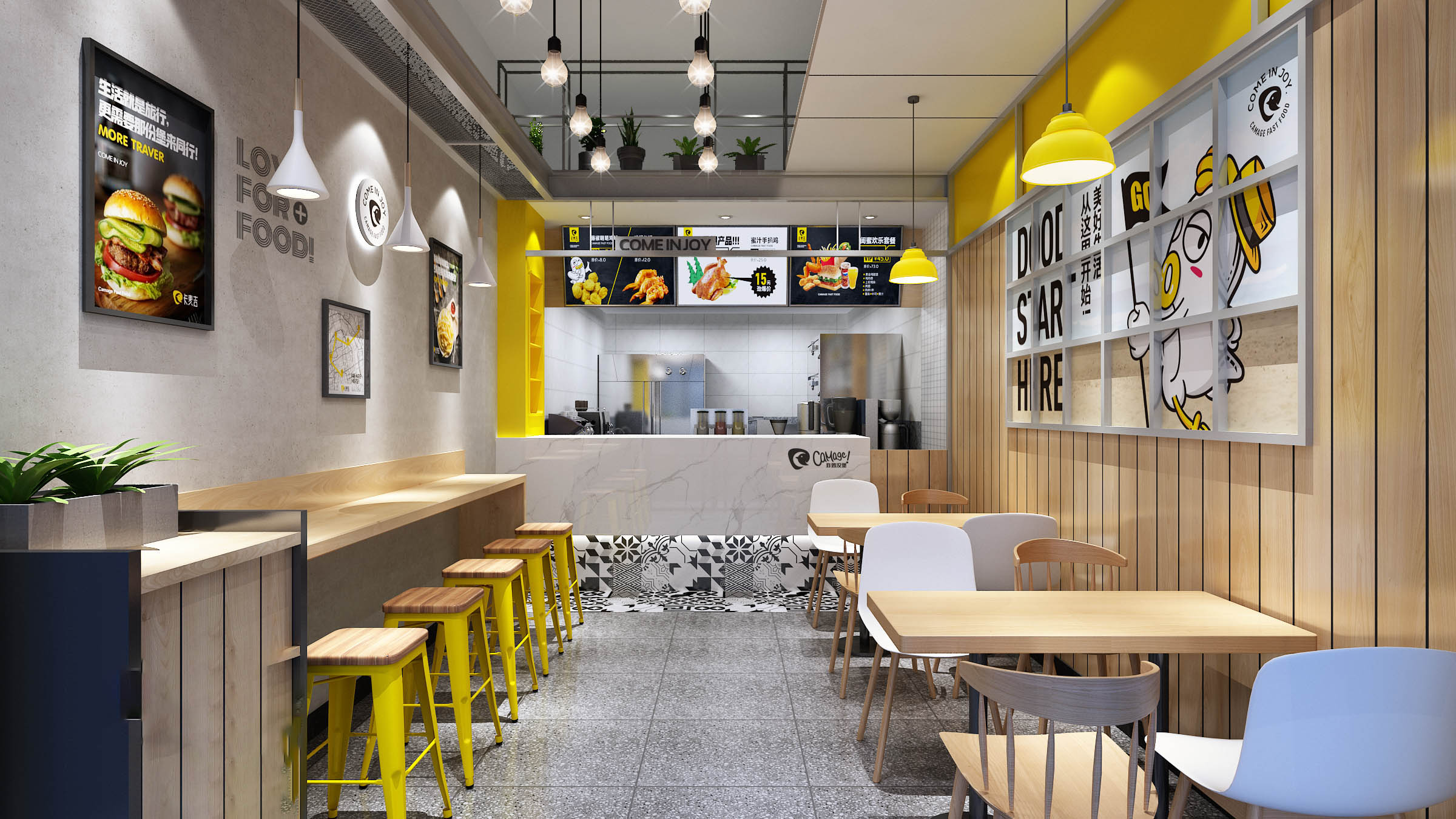
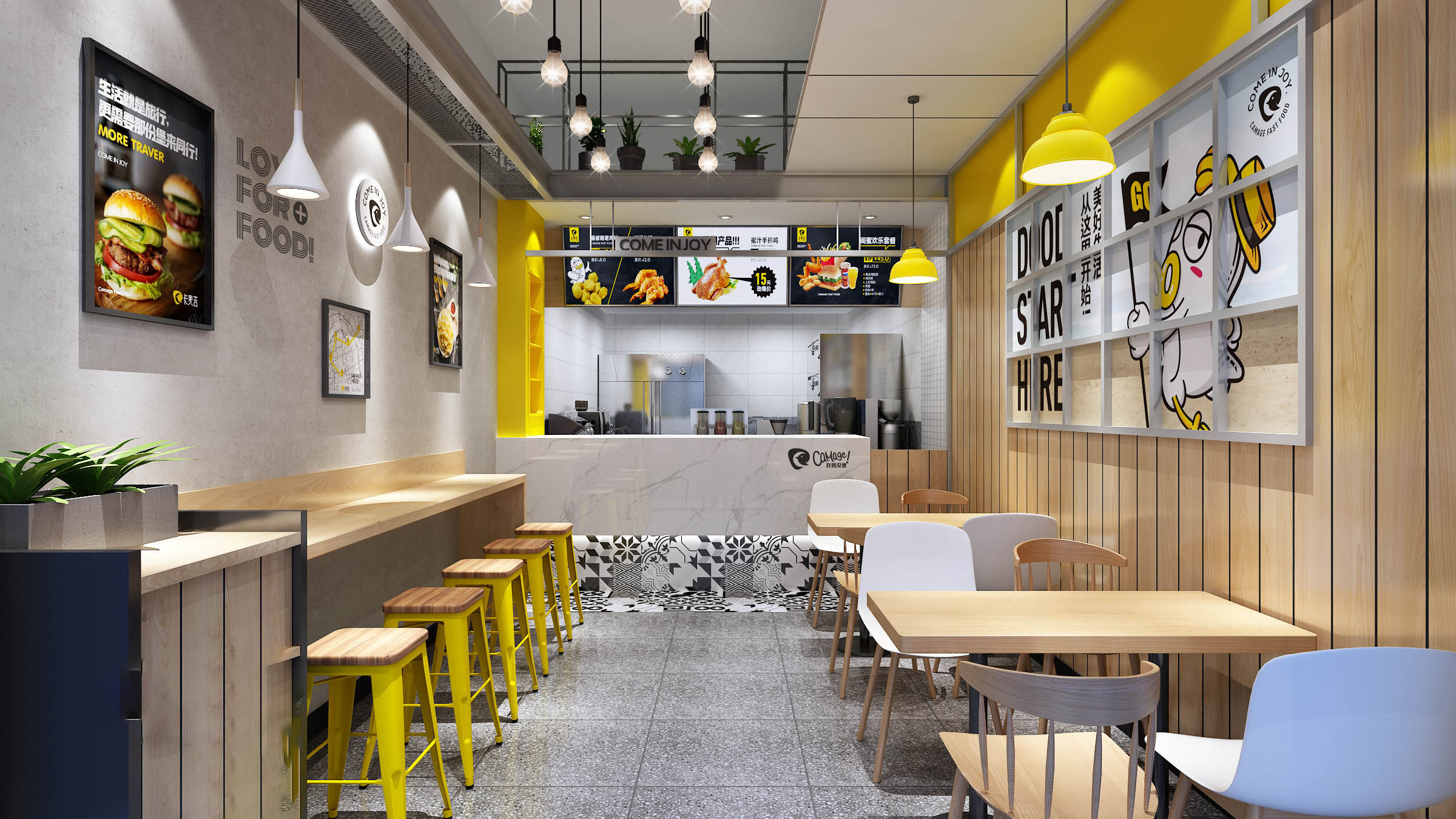
For beginners, this is an ideal setup. First of all, for this type of shops requires limited space, one to two staff members and low initial investment. Moreover, this kind of business works well in residential areas, near the school or collage.
As a result, many fast-food restaurants start as a small business
Street-style fast food shop
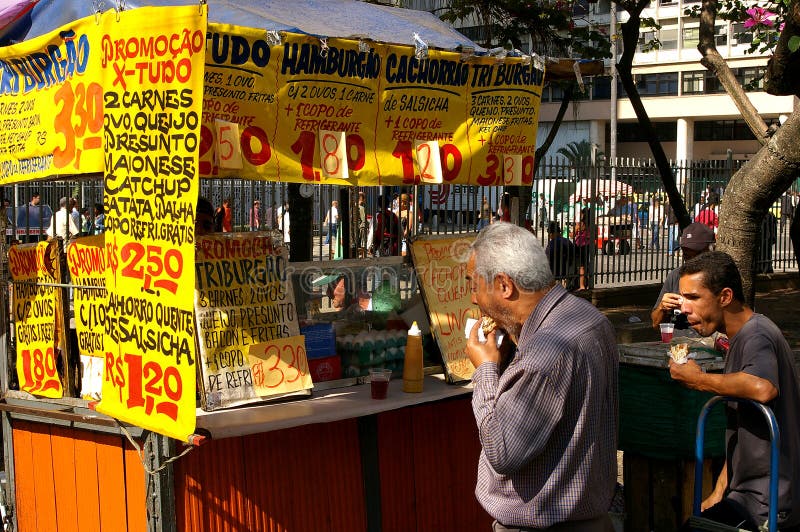
This type fast food shop sell quick and attract the street customer attention. Generally, it is built on cart with open fronted. Therefore, it is usually designed for high- traffic areas. This type of stall standardized menu that is quick to prepare, item like Panipuri, Vadapav, Samosa, Momos, Rolls, Noodles. Further more, It offers budget friendly and pre-packaged meals for students, office workers.
It is one of the easiest way to entre the fast-food business industry.
Source: dreamstime
Cloud Kitchen Fast-Food business
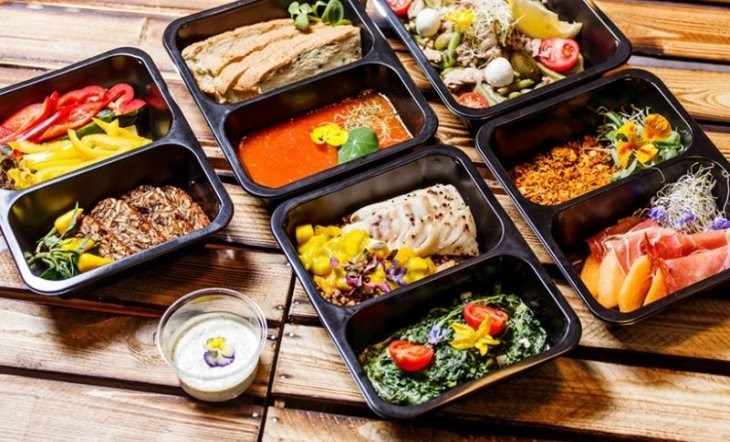
This business prepare meals for only order food online via aps or website. As a result, this model reduces rent and seating costs. Moreover, it allows entrepreneurs to run multiple fast food shop from one kitchen.
Therefore, This option is popular in hotspot areas where the have strong online delivery demand.
Source: posist
How to start a Fast Food business: Guide
If you serious about how to start a fast-food business, follow this guide step by step
1. Conduct Market Research
To conduct market research first of all you have to define your target audience, then you have to study local demand to understand what people eat and what missing. After that, you have to visit busy local market street, malls, market and food hubs and have to observe the things like which one food stall crowded and note the peak hours of breakfast, lunch, dinners. Then next step you have to analyze your competitors and noted the things like what menu they were provided in which price, offers, combos. Overall, this will helps you what people wants and how strong the competition.
2. Choose Your Business model
Choosing the right business idea is the key decision for a fast food business. Therefore, It should align your budget, location and growth plan.
Quick guide to choose right business model:
| Your Situation | Best Model |
|---|---|
| Low budget | Cart / Cloud Kitchen |
| New to business | Street food |
| Prime location | Quick Service Restaurants |
| Delivery-heavy area | Cloud Kitchen |
| Big budget & low risk | Franchise |
3. Select the Right Location
Selecting the right location decides whether your business succeeds or fail. In a research we show that an average food sells more in a good location but on the other side excellent food struggles for bad choosing bad location.
Here we provide a table that will helps you to determine the right location.
| Business Model | Best Location |
|---|---|
| Food cart | Busy streets, markets |
| Takeaway | Main road, residential entry |
| Cloud kitchen | Low-rent areas |
| QSR (dine-in) | Malls, high streets |
4. Plan your budget
Properly planning of your budget helps you to avoid losses, control cost and reach fast profit of your business. Therefore, below here we provide a sample budget plan of a small fast food shop.
| Expense Head | Approx. Cost |
|---|---|
| Shop & Infrastructure | ₹50,000 |
| Kitchen Equipment | ₹1,50,000 |
| Licenses and Registration | ₹15,000 |
| Initial stock | ₹30,000 |
| Branding & marketing | ₹25,000 |
| Emergency fund | ₹30,000 |
| Total | ₹3,00,000 |
5. Get all required necessary License
In India for fast food restaurants, you need a few mandatory license and registration to run the business legally. However The exact requirement depends on your business model. Below is complete list of license to open a fast-food business.
- First of all, you must need FSSAI license for food safety (Mandatory)
- Next, shop establishment license for address proof
- Moreover, GST registration required if you sell via swiggy, Zomato and the transaction exceeds 20 lakh
- Additionally, Trade License for permission to operate business in a specific location
- Furthermore, fire-Safety certificate needed if there use LPG and if there have dine-in space
- Finally, eating house license
My favorite first top four
6. Kitchen Setup
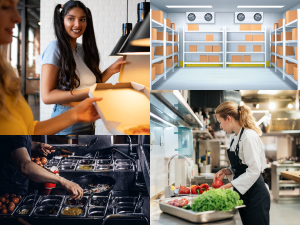
In fast food restaurants Kitchen set up is one of the most important things it is all for hygiene, efficiency and speed. Below we provide step by step practical kitchen setup guide
1. Kitchen Layout
For kitchen layout layout needs
- First of all, need a storage Area
- Next, Preparation Area
- After that, Cooking Area
- More over, Packing Area
- Finally, Washing Area
Source: Freepik
2. Essential Kitchen Equipment’s
A. Cooking Equipment’s
- First of all, Gas stove (2–4 burner)
- After next, Deep fryer
- More over, Tawa / Griddle
- After that, Microwave / OTG (if required)
- Finally, Steamer (for momos, idli, etc.
B. Cold Storage
- Refrigerator
- For frozen items deep freezer
C. Preparation Equipment
- First of all, a Chopping table (food-grade)
- Next, Cutting Boards and Knives
- Finally, Blender (if needed)
D. Safety and Exhaust
- Chimney / exhaust hood
- LPG cylinders & pipeline
- mandatory Fire Extinguisher
- Floor that not skid
3. Storage Setup
maintaining the proper storage that reduce wastage and keeps maintain hygiene therefore a well organized storage system required.
- First of all, off the floor dry storage rack
- More over, airtight containers
- Finally, separated veg and non-veg storage
4. Food Safety Setup
This is critical for FSSAI compliance.
- Handwash sink with soap
- Separate sink for utensil washing
- Hair caps, gloves, aprons
- Wet and Dry dustbins with lids
6. Packaging Areas
For a fast food restaurants who deliver meal in online having, the proper setup is mandatory.
- First of all, a packing Table
- Moreover, order Labeling system
- Finally, for online order Swiggy/Zomato delivery Rack
7. Menu setup
If you do the menu smartly your business get more profit. In fact a good menu is small, profitable and easy to remember
For smart menu setup below provide step by step guide
- First of all, decide one main category
- Next, keep the menu short
- Moreover, offer Combos
- After that, price your menu correctly
- Finally, balance veg and non veg items
To know the best Fast food items visit this blog
8. Hiring Trained Staff
Hiring the right staff is important because for fast food restaurants needs fast service, hygiene and speed as it affects sales and repeat customer. For a fast food business at least needs three person that is cook, helper and cashier.
Final Thought
Starting a fast food business is not all about a big investment rather, its about a clear planning. When you choose the right fast food restaurants model, you have to look the busy area or location, proper budget planning , efficient kitchen setup, creating focused menu and hiring well trained staff. As a result, if you do all of this your problem will solve 80 percentage.