
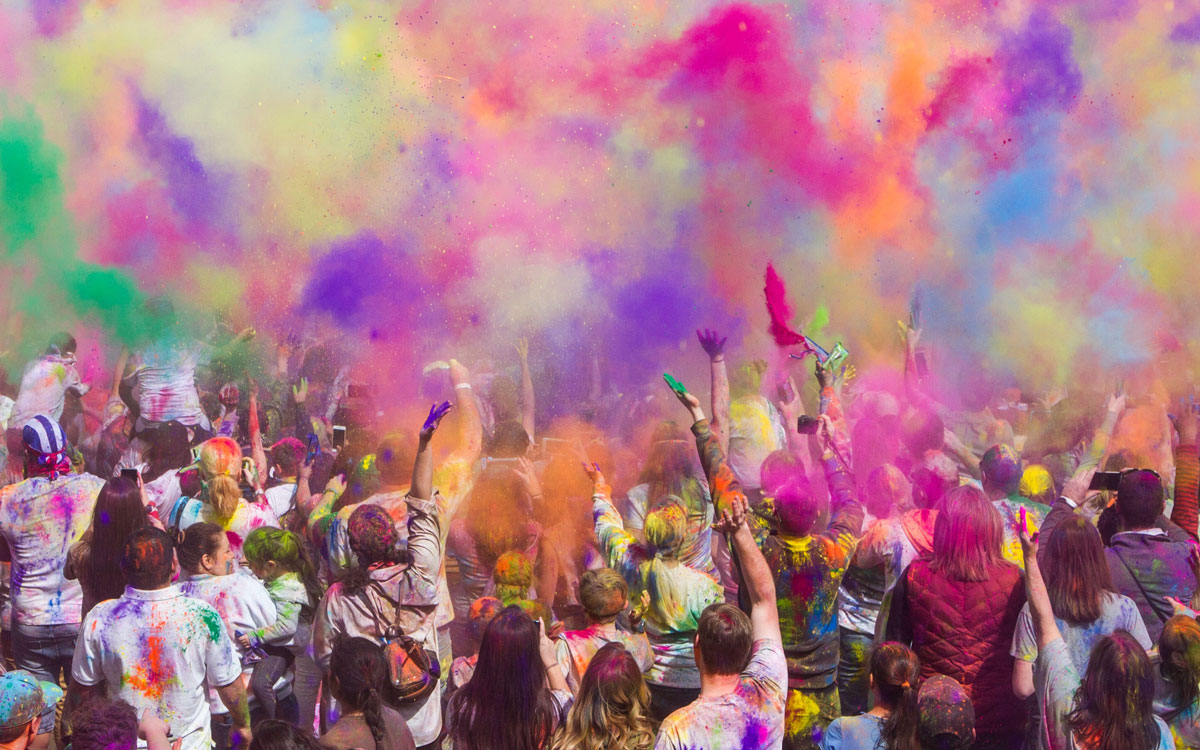
Indian Cultures: Exploring the Festival spirit of India

India is a land of unity in diversity, where traditions, languages, and beliefs beautifully blend into a colorful cultural tapestry. To understand what is Indian cultures, one must look at its vibrant festivals that reflect the heart and soul of the nation. Every celebration in India—whether religious, seasonal, or regional—tells a story of faith, love, and togetherness. From the glowing lights of Diwali to the joyful colors of Holi, the festival spirit of India truly showcases the richness of Indian heritage & culture. The cultural history of India dates back thousands of years, influenced by various dynasties and civilizations.
Vibrant Indian Cultures
Core Components of Indian Cultures & Heritage
At its foundation, Indian heritage & cultures are built on the ideas of spirituality, family, community, and respect for nature. Every region of India adds its own flavor—languages, cuisines, music, and art—yet they all uphold shared values like gratitude, harmony, and celebration.
For example, the rhythmic beats of dhol during Baisakhi in Punjab, or the classical Kathakali performances during Onam in Kerala, showcase the artistic brilliance of Indian heritage & culture.
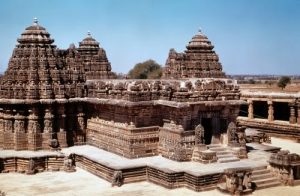
Source : Davis
Examples of Indian Cultures in Action
During Pongal in Tamil Nadu, people thank the Sun God for a good harvest. In Rajasthan, the Pushkar Camel Fair turns a desert town into a carnival of colors. And in Kolkata, women wear the cultural Bengali traditional dress—the elegant red-and-white saree—during Durga Puja, symbolizing purity and celebration.
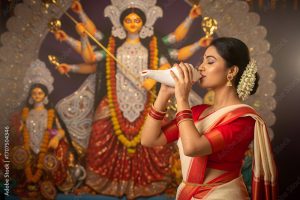
Source : Abode Stock
Main Types of Indian Cultures (With Examples and Use Cases)
1: Religious Festivals
Religious festivals are at the core of Indian cultures. Festivals thus serve as a living classroom, where one learns what is Indian cultures —through art, devotion, and joy.
- Diwali (Hindu): Festival of lights celebrating victory of good over evil.
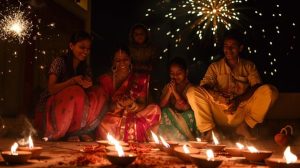
People celebrates Diwali with family Source : StockCake
- Eid-ul-Fitr (Muslim): Marks the end of Ramadan with charity and feasting.
- Christmas (Christian): Celebrated with carols, midnight prayers, and joy.
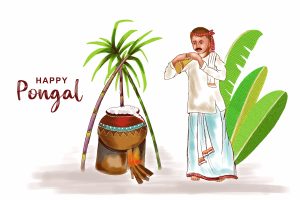
2: Harvest Festivals
source : Freepik
Agriculture being India’s backbone, harvest festivals express thanks to nature.
- Pongal in Tamil Nadu
- Baisakhi in Punjab
- Makar Sankranti across northern India
Each shows how the cultural history of India is rooted in farming and seasonal change.
3: Regional and Folk Festivals
Every region adds unique traditions—music, dance, and crafts.
- Bihu in Assam
- Navratri Garba in Gujarat
- Onam in Kerala
These festivals promote tourism and reveal what is Indian cultures diversity.
4: National Festivals
National festivals reflect the unity of India’s people.
- Independence Day, Republic Day, and Gandhi Jayanti inspire patriotism and pride in Indian heritage & culture.
5: Art and Cultural Festivals
Modern India also celebrates creativity. Events like the Jaipur Literature Festival or Kala Ghoda Arts Festival bring together artists, youth, and cultural enthusiasts from around the world.
The cultural history of India shows that India has always been a land of tolerance and coexistence.
The Role of Food in Indian Festivals
No festivals in India is complete without food. Every region’s cuisine tells a story of its land and people. During Pongal, South Indians prepare a sweet dish made from rice and jaggery, Bengalis celebrate Durga Puja with bhog and sweets. On Eid, biryani and seviyan mark the occasion, while during Diwali, homes are filled with the aroma of sweets like laddus, barfi, and jalebi.
These dishes are not just meals—they are traditions that connect families and communities. The cultural history of India teaches that sharing food strengthens relationships and spreads happiness. The act of cooking and eating together continues to be a vital expression of Indian heritage & culture, reflecting warmth, love, and unity.
Real-World Examples of Indian Cultures
- Diwali in Varanasi – The ghats of the Ganges glow with thousands of diyas, attracting both families and global tourists.
- Durga Puja in Kolkata – A city-wide celebration of art, devotion, and cultural pride, where each pandal tells a mythological story.
- Pushkar Fair in Rajasthan – A mix of spirituality, commerce, and entertainment, drawing visitors who want to feel the essence of rural India.
Each of these examples shows how Indian cultures transform every season into a reason to celebrate.
Source : Ace the Himalaya
How to Build Indian Cultures Step by Step
To truly experience and promote Indian cultures, follow these steps:
- Learn and Observe: Start by studying regional customs, languages, and festivals.
- Participate: Join local celebrations—try traditional foods, music, and dance.
- Dress Culturally: Embrace attire like the Bengali traditional dress or kurta-pajama during cultural events.
- Share and Preserve: Document traditions through photography, blogs, or vlogs to inspire others.
- Support Local Artisans: Promote handmade crafts and textiles that represent the Indian heritage & culture.
This approach connects you not just to the celebration, but to the soul of the nation.
Tips for Learners, Students, or Professionals About Indian Cultures
- Students: Share your learning about what is Indian culture with others. It spreads awareness and fosters mutual respect in global communities.
- Travelers: Plan visits around major festivals like Holi, Diwali, or Onam to experience India’s vibrancy firsthand.
- Professionals: Use festivals as networking opportunities—corporate celebrations often promote team bonding through cultural events.
- Content Creators: Create travel vlogs or blogs that showcase Indian cultures from a fresh, youthful perspective.
Key Takeaways on Indian Cultures
- India’s culture is a blend of history, art, and faith that unites diverse communities.
- Festivals reflect gratitude, spirituality, and joy.
- Every region offers unique traditions and attire, like the Bengali traditional dress.
- Understanding what is Indian cultures means valuing its living heritage.
- Promoting cultural awareness strengthens tourism, identity, and harmony.
Final Thought: The Future of Indian Cultures
As modernization expands, preserving Indian cultures becomes even more vital. Festivals and traditions are not just relics of the past—they are bridges to the future. The cultural history of India reveals that festivals have always been more than rituals—they are lessons in unity and joy. They showcase the depth and diversity of Indian heritage & culture while answering the timeless question of what is Indian cultures.