Kerala Culture and Traditions: A Complete Guide for Travellers

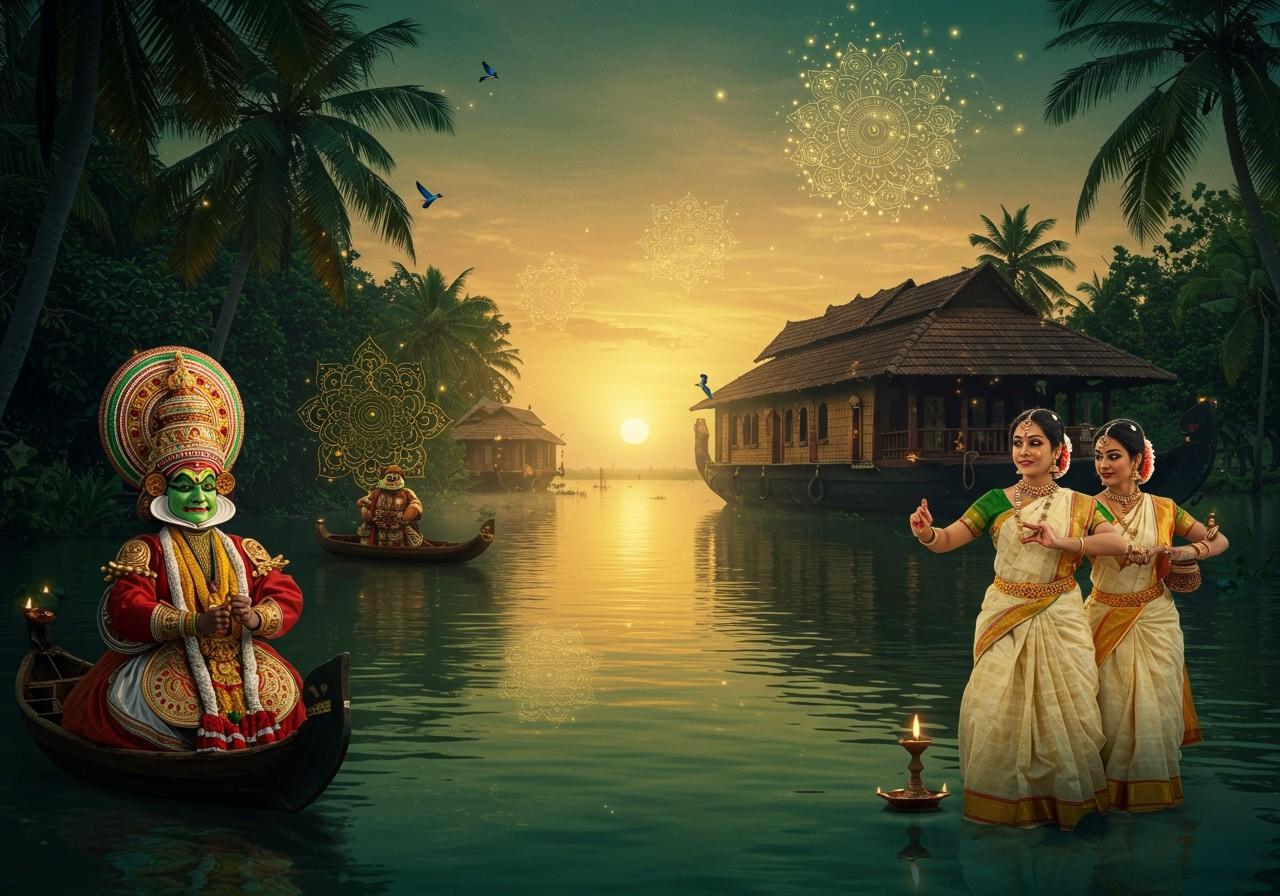
Image Source: Pooja
Kerala culture and tradition are often described as the heartbeat of God’s Own Country, and the moment you arrive, you understand why. From the sound of chenda drums echoing across temple grounds to the calm glow of the backwaters at dusk, every corner of Kerala reflects centuries of heritage shaped by trade, art, festivals, and faith.
This guide explores the depth and beauty of Kerala culture and tradition—offering you essential insights, practical tips, and local experiences to help you connect more meaningfully with this extraordinary state.
It feels different the instant you go to Kerala for culture and tradition.
Imagine this: palm shadows reaching over calm water, backwaters at sunset, and the far-off, thunderous rhythm of chenda drummers practicing for Onam festivities. According to Kerala Tourism’s 2024 projections, this combination of tranquil scenery and cultural diversity attracts about 20 million visitors annually.
Kerala’s Deep Roots in History Understanding Kerala’s culture starts with its past.
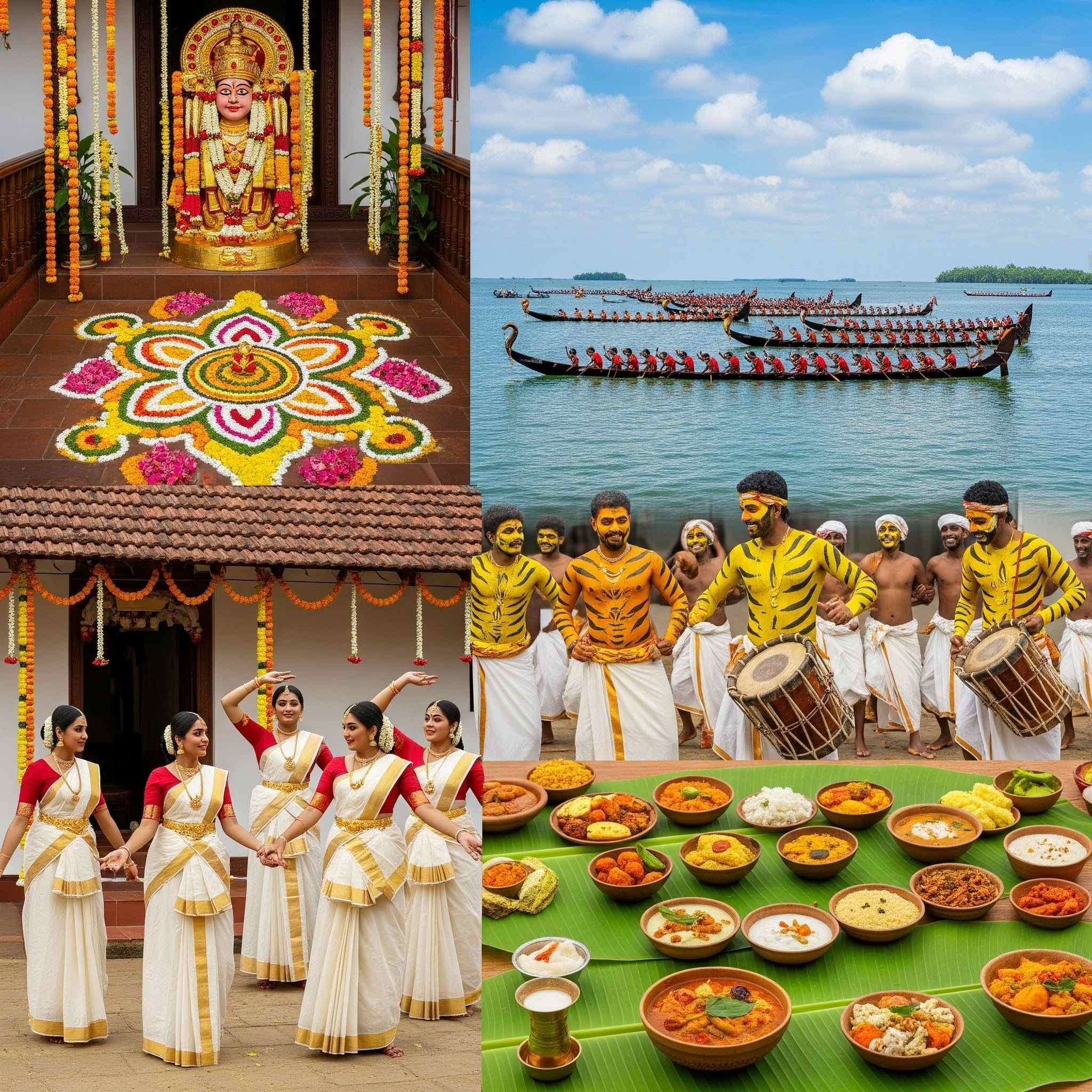
Image Source: Bhakti Bhava
Here, history of lives in ports, palaces, rituals—even in the spices used for everyday cooking.
Ancient Influences and Trade Links Dravidian communities laid Kerala’s cultural base. Over centuries, the coastline became a global trading hub for pepper, cardamom, and cinnamon. Arab traders brought new cuisines and customs. Jewish communities built settlements, like the famous Paradesi Synagogue in Kochi.
Cultures met, merged, and formed a unique identity that persists today. Colonial Marks and the Road to Independence European powers—the Portuguese, Dutch, and British—left clear traces across the state. Fort Kochi offers one of the finest examples. Colonial architecture there contrasts with today’s vibrant street art.
The Portuguese gifted Mattancherry Palace to local royalty. It holds rare murals from Hindu epics and gives a close look at Kerala’s royal history. Historian M.G.S. Narayanan says, “Kerala’s past lives in its ports.” At any coastal dock, you can picture merchant ships from centuries ago. They brought goods, stories, and influences that shape modern life. Travelers can book performances, workshops, and guided sessions through official apps. It is an easy way to reach authentic culture.
Ways to explore:
- Take heritage walks in Fort Kochi and Trivandrum.
- Learn simple Malayalam phrases like namaskaram (hello) and nanni (thank you).
Vibrant Festivals That Light Up Kerala Every month brings a festival in Kerala.
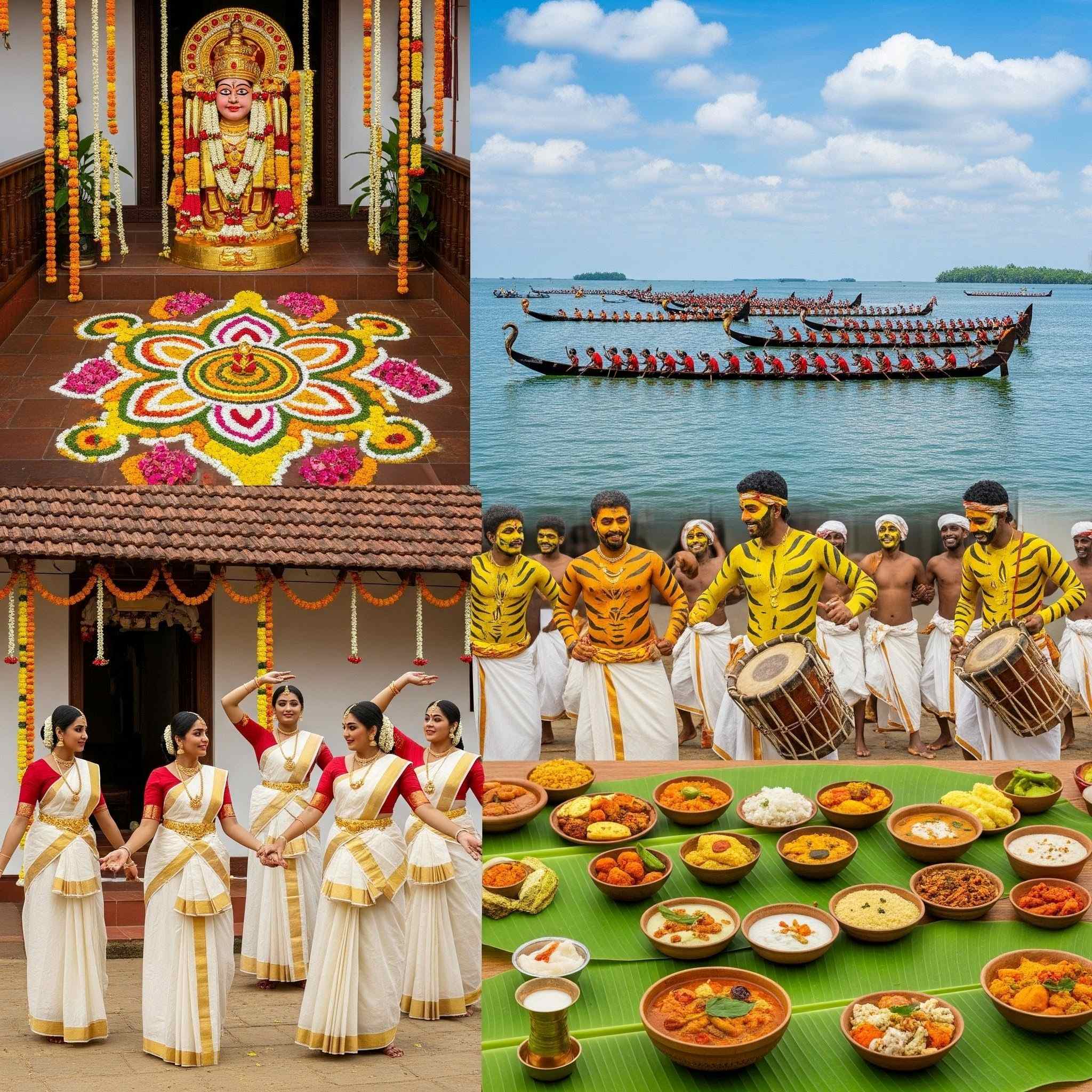
Culture jumps from monuments to the streets with colors, music, processions, and food. Onam: The Harvest Celebration Onam falls between August and September. It is Kerala’s biggest festival, celebrated by about 50 million people in the state.
Homes get intricate pookalam, or flower carpets. Families prepare traditional feasts. Villages host cultural shows. A highlight is the Aranmula Boat Race. Over 100 boats slice through river waters to boatmen’s chants. The energy, pride, and community spirit make it a traveler favorite.
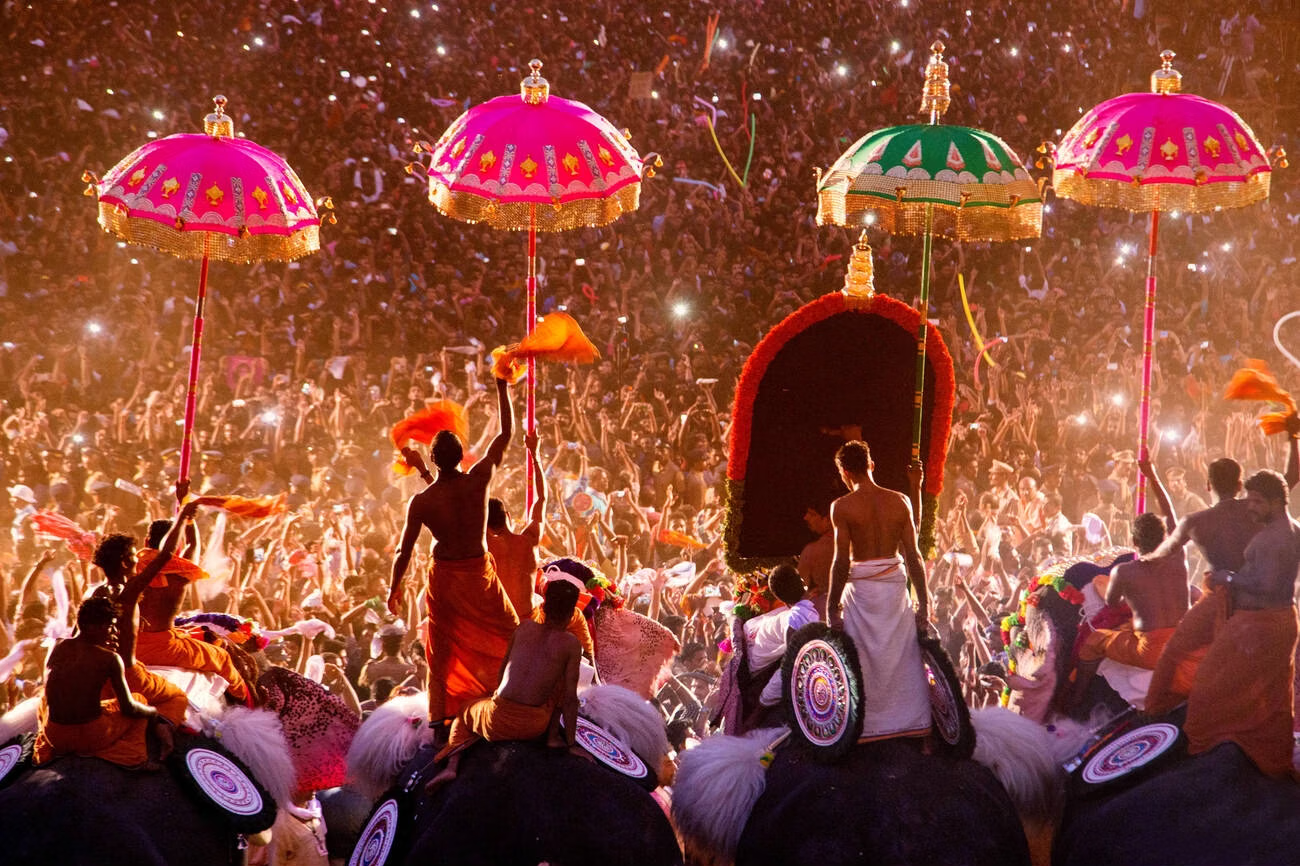
Image Source: Wadren
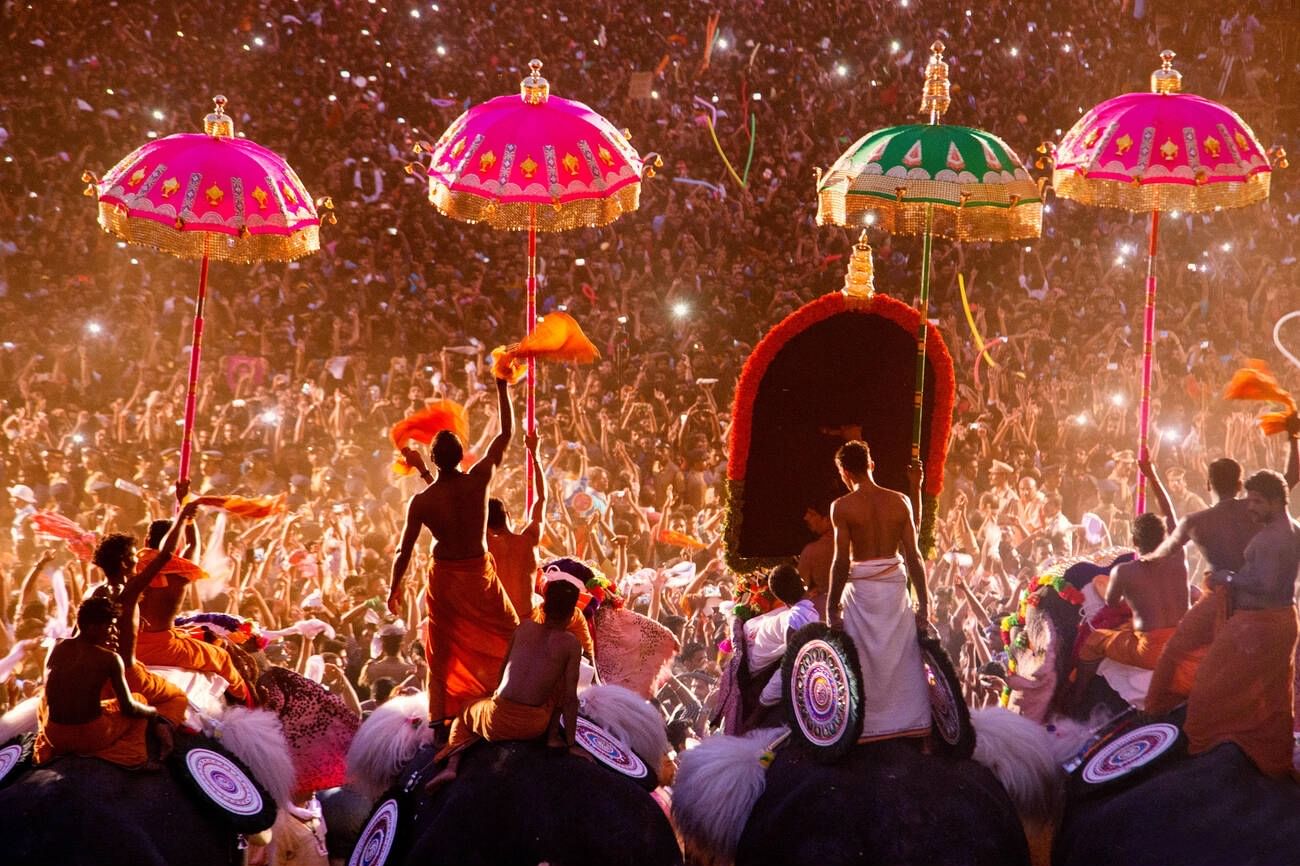
Thrissur Pooram: Kerala’s Most Spectacular Festival Every year in April–May, Thrissur Pooram lights up the city. It offers an unforgettable sight: 30 caparisoned elephants line up on temple grounds. Percussion artists pound rhythms that shake the earth. They draw about 500,000 spectators. Festival organizer K.
Unique Christmas and Temple Celebrations Coastal towns glow with lanterns, stars, and lights. Kerala’s Christian communities celebrate the holidays with warmth. Temple festivals across the state draw millions too. The Sabarimala pilgrimage runs from November to January. It features devotion, chants, and ritual processions.
Traveller tips:
- Wear modest clothes in temples and churches.
- Try a sadhya, the traditional vegetarian feast served on a leaf.
Arts, Dance, and Crafts You Must Experience Kerala’s performing arts are traditions passed down for generations.
Kathakali: The Classical Epic Dance-Drama Kathakali is one of India’s most striking art forms. It features elaborate makeup, facial expressions, and intense stories. All-night shows depict scenes from the Mahabharata and Ramayana. Kerala Kalamandalam trains nearly 200 artists each year. It is the best spot to watch or learn this UNESCO-recognized art.
Mohiniyattam, Theyyam, and Folk Performances Mohiniyattam—the “dance of the enchantress”—is graceful. Women traditionally perform it with slow, swaying moves and gold jewelry. In northern Kerala, Theyyam rituals make deities come alive. They use vivid costumes and fire dances. Watch Theyyam in a village for a rare, spiritual experience.
Crafts and Handicrafts Kerala’s artisans excel in wood carving, mural painting, brassware, and bell-making. Thrissur markets sell authentic items at fair prices.
Actionable tips:
- Look for government emporium tags to skip fakes.
- Negotiate politely.
- Join DIY craft workshops in Kochi and Kovalam. Artisan Rajan says, “Each piece tells a myth.” Take one home to carry Kerala’s stories with you.
Food Traditions Tied to Rituals Kerala cuisine links to rituals and farms.
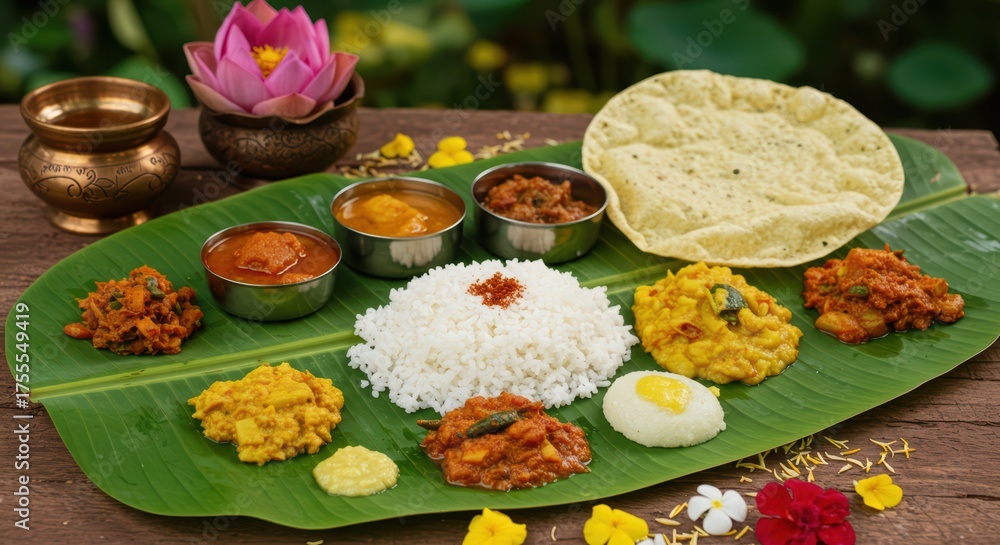
Image source: Adobe Stock
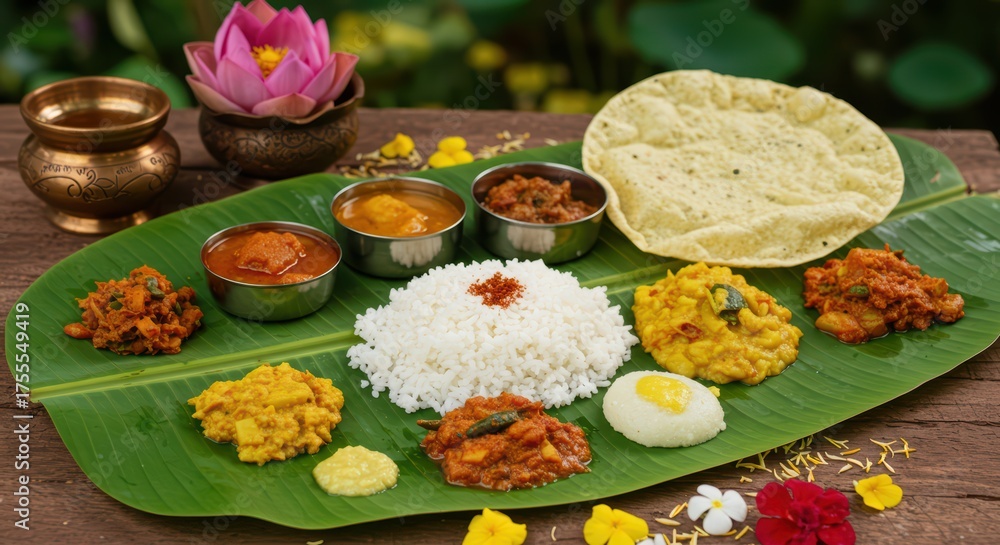
Sadhya: A Grand Vegetarian Feast A sadhya comes on a plantain leaf. It has over 25 dishes—like avial, thoran, olan, pachadi, pickles, and payasam. On Onam, nearly a million plates serve each day. The meal shows abundance, harmony, and community.
Seafood and Coconut-Based Specialties Much of Kerala’s cuisine follows Ayurvedic ideas. It balances body heat, digestion, and immunity. Turmeric, cumin, fenugreek, and curry leaves form the base of daily meals. Travelers visit kalari centers for Ayurvedic food, massages, and wellness sessions.
Additional Practical Tips
- Pick busy stalls for street food.
- Tell staff about allergies. Restaurants handle them well.
- Drink boiled or bottled water.
Respectful Travel: Customs and Etiquette Learn basic norms, and you will fit right in.
Greetings, Dress, and Home Etiquette Greet with namaskaram and folded hands. One survey shows that 90 percent of Kerala homes welcome guests warmly—especially homestays.
Family Roles and Social Norms Many Kerala communities follow matrilineal traditions. Women head most households. Elders get deep respect. Lunchtime bonds families. Homestays in Alleppey let travelers join these customs.
Eco-Friendly and Spiritual Conduct Kerala enforces green rules. Skip plastic on beaches and trails. Temples demand silence, modest dress, and no photos in some spots. Local guide Suma Nair says, “Respect goes both ways.” The state welcomes travelers who follow etiquette.
Recommended actions:
- Pack cotton clothes, scarves, and sandals.
- Bring reusable bottles. Stay quiet in sacred places.