
Lab-Grown vs Natural Diamonds: Which Is Better?

Compare lab-grown and natural diamonds by price, quality, and key differences. Discover which diamond offers the best value for your jewellery.
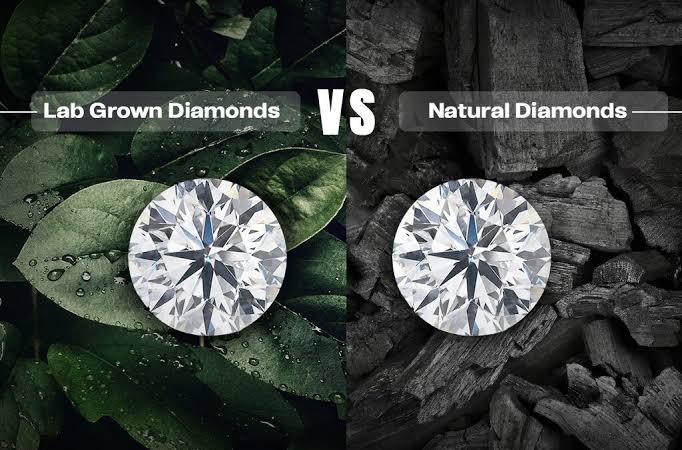
Image Source: Gold City Jewelers
First, What Is a Lab-Grown Diamond?
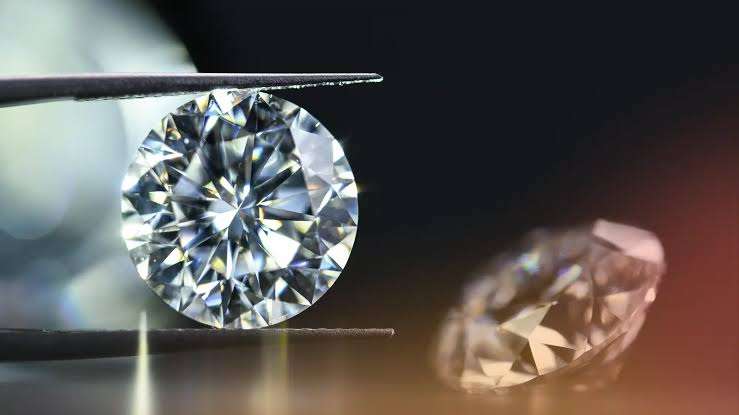
Image Source: Simply Majestic
A lab-grown diamond is a real diamond. It has the same carbon crystal structure and the same hardness, and it sparkles the same way. The difference is origin: it’s grown in a controlled environment over weeks, using methods like HPHT (high pressure, high temperature) or CVD (chemical vapour deposition), instead of forming over billions of years deep in the earth.
This is different from a diamond simulant such as cubic zirconia or moissanite, which only look similar. Lab-grown diamonds are chemically diamond.
The Price Gap: What the Numbers Say
This is where the two have drifted furthest apart. Prices move fast, so treat these figures as a 2026 snapshot.
- A good-quality 1-carat natural diamond (G–H colour, VS2 clarity, excellent cut) costs $4,000 to $6,000 in 2026, while the same diamond grown in a lab costs $700 to $1,500.
- Looking at the longer trend, one analysis notes that a one-carat lab-grown diamond has fallen from about $3,500 in 2021 to about $350 in 2026, while comparable natural stones have stayed around $6,000. That’s a market commentary figure, and retail prices at most jewellers sit higher, but the direction is clear.
- De Beers’ 2026 report says retail prices of lab-grown diamonds have continued to trend lower even as volumes have increased.
The gap also widens with size. Natural diamond prices climb steeply because large stones are exponentially rarer. One guide points out that a 2-carat natural diamond isn’t twice the price of a 1-carat, but three to four times. Lab-grown prices don’t spike nearly as sharply.
In practical terms, a $5,000 budget buys a good 1-carat natural diamond, or a 2.5 to 3-carat lab-grown stone of equal fire and brilliance.
Key Differences That Actually Matter
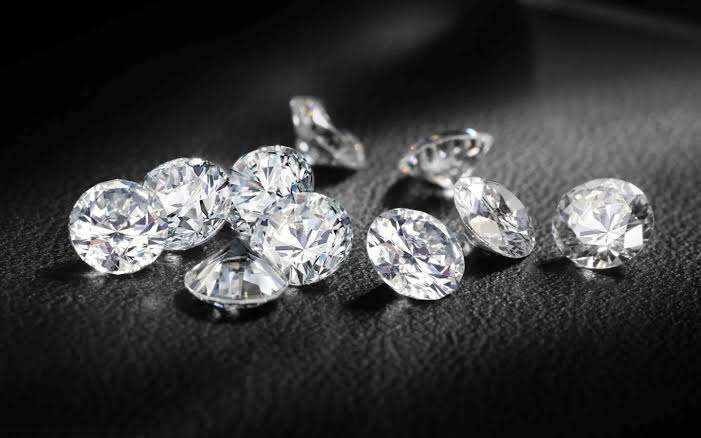
Image Source: Baunat
- Origin and rarity. Natural diamonds are finite and geologically formed. Lab-grown diamonds can be produced on demand. If rarity and “earth-made” stories matter to you emotionally, that’s a perfectly valid reason to choose natural.
- Appearance. To the naked eye, even trained eyes, they’re essentially indistinguishable. Separating them takes specialised equipment. Anyone who tells you they can spot the difference by looking is guessing.
- Resale value. This is the part many sellers gloss over. Natural diamonds generally retain more resale value than lab-grown ones, and with lab-grown prices still falling, a lab-grown stone you buy today may be worth considerably less tomorrow. Treat any diamond as something you buy to wear and enjoy, not as an investment. I’m not a financial advisor, so if resale matters to your decision, ask a certified valuer.
- Ethics and environment. Both sides make claims here, and the honest answer is that it’s nuanced. Lab-grown avoids mining’s land disruption, but growing diamonds uses significant energy, and the footprint depends on the power source. Natural diamonds can come with traceability and, from reputable sources, responsible-mining credentials. Ask for documentation either way instead of trusting a marketing line.
Quality: The 4Cs Still Rule
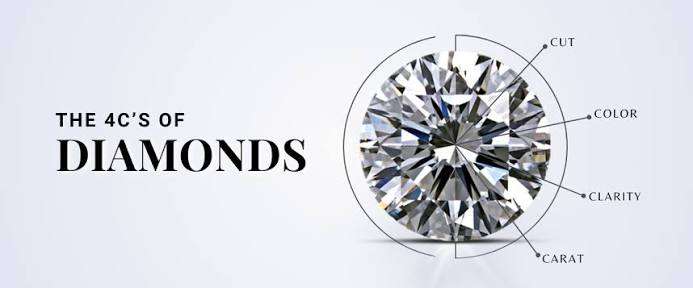
Image Source: Mudrika
Whether natural or lab-grown, quality is judged on the same four Cs:
- Cut: the biggest driver of sparkle. Always prioritise this.
- Colour: graded D (colourless) to Z. G–H looks white in most settings.
- Clarity: VS2 or SI1 is often “eye-clean” and offers better value than flawless grades.
- Carat: weight, not necessarily visual size.
Insist on a grading report from a recognised lab such as GIA or IGI. It’s your proof of what you’re paying for, and it should state clearly whether the stone is natural or laboratory-grown. For lab-grown stone jewellery, a laser inscription on the girdle matching the report is a good sign of transparency.
How to Choose: A Practical Framework
Choose lab-grown if:
- You want the biggest, best-quality stone jewellery for your budget.
- You value modern, accessible luxury over rarity.
- You’re not buying primarily for resale or heirloom value.
- You’d rather put the savings toward a better setting, a house deposit, or the honeymoon.
Choose natural if:
- Rarity, geological history and tradition are part of what makes the jewellery piece meaningful.
- You want a stone you can pass down knowing its category is established.
- Resale or trade-in value matters to you.
A middle path:
Some people choose a natural centre stone and lab-grown side stones, or the reverse, to balance cost and meaning.
Five Tips Before You Buy
Image Source: Siyari
- Set your budget before you fall in love with a stone. Prices at different sizes can be eye-opening.
- Compare certified stones, not just photos. Ask for a video of the actual diamond.
- Check the return and exchange policy, and get it in writing.
- Look at the setting and metal quality too. A great diamond in a poorly made mount is a disappointment. Hallmarked gold or platinum is a must.
- Buy from a jeweller you can reach after the sale. Cleaning, resizing and warranty support matter for years.
Frequently Asked Questions
Are lab-grown diamonds “fake”?
No. They’re real diamonds with the same chemistry as natural ones, just created differently.
Will a lab-grown diamond scratch or cloud over time?
No. It has the same hardness (10 on the Mohs scale) as a natural diamond.
Do lab-grown diamonds come with certificates?
Yes, reputable ones do, from labs like IGI and GIA. If a seller can’t provide one, walk away.
The Bottom Line
Image Source: Vecteezy
There’s no universally “better” diamond, only the one that fits your budget, values and the story you want the jewellery to tell. If you love the idea of more sparkle for less money, lab-grown is a smart, beautiful choice. If you’re drawn to the rarity and tradition of something formed over eons, nature still carries that magic.
Whichever jewellery you choose, buy certified, compare carefully, and ask questions. A good jeweler will welcome them.
Conclusion:
Prices vary by retailer, region and quality, and change quickly in this market. Check current quotes before you decide.