Tanabata Festival: History and Traditions of Japan’s Star Festival

Japan is famous for its beautiful cultural traditions, colourful celebrations, and seasonal festivals. Among these celebrations, the Tanabata Festival, also known as the Japanese Star Festival, holds a special place in Japanese culture. This tanabata festival traditions is celebrated every year to remember a romantic legend about two lovers, Orihime and Hikoboshi, who are represented by the stars Vega and Altair.During Tanabata, streets, shopping areas, and homes are decorated with colourful paper ornaments and bamboo branches. People write their wishes on small pieces of paper called Tanzaku and hang them on bamboo trees, hoping that their dreams will come true. The festival represents love, hope, happiness, and the importance of dreams in Japanese society.
1. History and Origin of Tanabata Festival
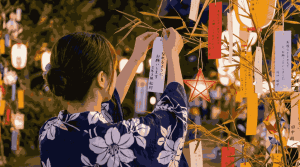
IMAGE SOURCE:stock.adobe.com
The history of the tanabata festival dates back to ancient Chinese traditions. It was influenced by the Chinese Qixi Festival, which celebrates the meeting of two star-crossed lovers. This tradition was introduced to Japan many centuries ago and gradually became part of Japanese cultural celebrations.During the Heian period (794–1185), Tanabata became popular among members of the Japanese imperial court. People celebrated the occasion by offering prayers for better weaving skills, artistic abilities, and success in their work.Over time, the celebration spread beyond the royal court and became popular among ordinary Japanese people. Today, Tanabata is one of Japan’s well-known traditional summer festivals, combining ancient beliefs with modern celebrations.
2. The Romantic Story Behind Tanabata Festival: Orihime and Hikoboshi

IMAGE SOURCE: stock.adobe.com
The most beautiful and meaningful part of the Tanabata Festival is the ancient love story of Orihime and Hikoboshi. This romantic legend explains why the Japanese Star Festival is celebrated every year and why it is associated with love, hope, and dreams.According to Japanese folklore, Orihime was a beautiful and talented young princess who lived in the heavenly kingdom. She was the daughter of the Sky King, Tentei. Orihime was an excellent weaver who spent her days beside the Milky Way, weaving beautiful clothes for the gods. Her father admired her hard work but worried that she spent all her time working and had no opportunity to find love.One day, the Sky King introduced Orihime to Hikoboshi, a hardworking young cowherd who lived across the Milky Way. Hikoboshi was responsible for taking care of cattle and was known for his dedication and kindness. When Orihime and Hikoboshi met, they immediately fell in love.Soon, they got married and began spending almost all their time together. However, their love made them forget their responsibilities. Orihime stopped weaving clothes for the gods, while Hikoboshi neglected his cattle. This made the Sky King very angry.As punishment, he separated the two lovers by placing them on opposite sides of the Milky Way. Orihime became heartbroken and cried every day because she could no longer meet her beloved husband.Seeing his daughter’s sadness, the Sky King eventually felt sorry for her. He allowed Orihime and Hikoboshi to meet once a year, on the seventh day of the seventh month, provided they fulfilled their responsibilities.According to the legend, a flock of magpies forms a bridge across the Milky Way so that the two lovers can finally meet. This special reunion is celebrated during Tanabata.In the night sky, Orihime is represented by the star Vega, while Hikoboshi is represented by Altair. Their annual meeting is the central inspiration behind the Japanese Star Festival.This touching story teaches people about love, patience, dedication, and the importance of balancing personal happiness with responsibilities. It is also why people write their wishes on colourful Tanzaku paper strips during Tanabata, hoping that their dreams will come true.
3. When Is Tanabata Festival Celebrated?
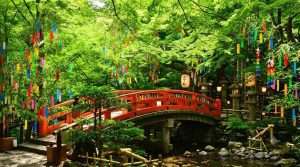
IMAGE SOURCE: stock.adobe.com
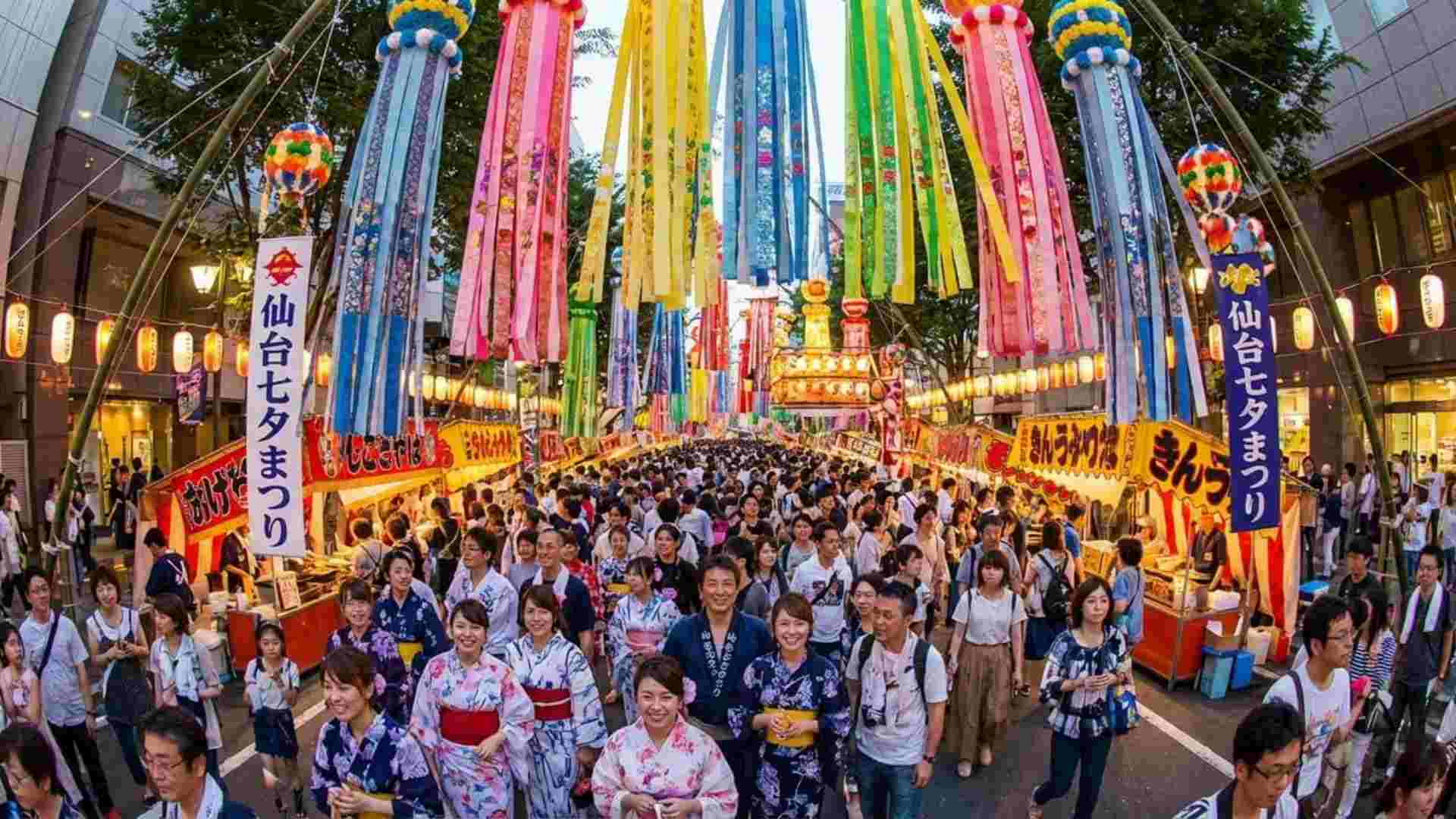
The tanabata festival in japan is traditionally celebrated on the seventh day of the seventh month. However, the exact celebration date varies depending on the region and the calendar followed.Many places celebrate Tanabata on July 7 according to the Gregorian calendar. Other regions follow the traditional lunar calendar and celebrate it in August.For example, Sendai, one of Japan’s most famous Tanabata destinations, holds its major celebration from August 6 to August 8 every year.The festival usually takes place during the summer season, when colourful decorations and outdoor events create a joyful atmosphere throughout Japanese towns and cities.
4. Traditional Customs and Celebrations of Tanabata
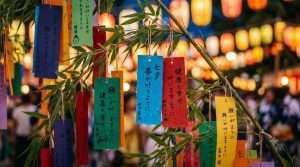
IMAGE SOURCE: stock.adobe.com
The tanabata festival traditions include several beautiful customs that reflect Japanese culture and creativity.Writing Wishes on TanzakuOne of the most popular traditions is writing wishes on colourful paper strips called Tanzaku. People write their hopes, dreams, and personal goals on these papers and hang them on bamboo branches.Children may wish for good school results, while adults often wish for happiness, success, good health, and prosperity.
Decorating Bamboo Branches
Bamboo branches play an important role in Tanabata celebrations. People decorate them with colourful paper strips, stars, lanterns, and handmade ornaments.These decorations make streets, homes, schools, and shopping centres look bright and festive.
Colourful Paper Decorations
Traditional Tanabata festival decorations include different types of handmade paper ornaments. Each decoration carries a special meaning, such as good fortune, creativity, protection, and prosperity.These colourful decorations also demonstrate the artistic skills and imagination of Japanese communities.
5. Meaning of Tanabata Decorations
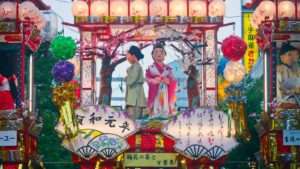
IMAGE SOURCE: stock.adobe.com
Tanabata festival decorations are not only beautiful but also represent different hopes and cultural beliefs.
Some popular decorations include:
- Tanzaku: Colourful paper strips on which people write their wishes.
- Fukinagashi: Long streamers that represent weaving threads and are associated with Orihime.
- Paper Cranes: Symbols of long life, happiness, and good fortune.
- Kinchaku: Traditional paper decorations shaped like bags, representing wealth and financial prosperity.
- Amikazari: Net-shaped paper decorations associated with protection and good fishing.
These ornaments make the tanabata festival tradition visually attractive while preserving the traditional values of Japanese culture.
6. Famous Tanabata Festivals in Japan
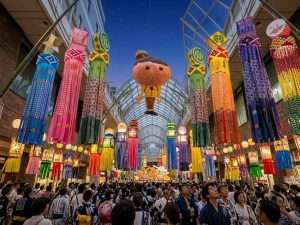
IMAGE SOURCE: tokyocheapo.com
Although Tanabata is celebrated in many parts of Japan, some cities are particularly famous for their colourful events.
Sendai Tanabata Festival
The Sendai Tanabata Festival is one of the most famous celebrations in Japan. It takes place in Miyagi Prefecture, usually from August 6 to August 8.The city becomes decorated with enormous handmade streamers, colourful paper ornaments, and beautiful bamboo displays. Thousands of visitors come to enjoy the festive atmosphere.
Hiratsuka Tanabata Festival
The Hiratsuka Tanabata Festival, held in Kanagawa Prefecture, is another popular celebration. It is known for its impressive decorations, entertainment, food stalls, and lively street atmosphere.
Asagaya Tanabata Festival
The Asagaya Tanabata Festival takes place in Tokyo. It is especially famous for its creative handmade decorations and colourful paper figures displayed throughout the shopping streets.
These celebrations show how different regions of Japan preserve and express the spirit of Tanabata in their own unique ways.
7. Cultural Significance of Tanabata Festival

IMAGE SOURCE: tokyocheapo.com
The tanabata festival traditions has great cultural importance in Japan. It connects ancient folklore with modern Japanese life and encourages people to express their dreams and hopes.The festival also teaches the value of love, patience, dedication, and responsibility through the story of Orihime and Hikoboshi.Furthermore, Tanabata encourages creativity through handmade decorations and traditional crafts. Families, schools, and local communities participate together, helping younger generations understand and appreciate their cultural heritage.It also attracts international tourists who want to experience Japanese traditions, seasonal celebrations, and local customs.
The Lasting Charm of Tanabata Festival
The Tanabata Festival, also known as the Japanese Star Festival, is a beautiful celebration that combines romance, folklore, art, and cultural traditions. Inspired by the legendary love story of Orihime and Hikoboshi, the festival reminds people of the importance of love, hope, and dreams.From writing wishes on Tanzaku to decorating bamboo branches with colourful ornaments, every tradition makes Tanabata special. Even today, this ancient celebration continues to bring Japanese communities together and attract visitors from around the world.The Tanabata Festival is not just a celebration of two stars meeting in the night sky; it is also a meaningful expression of Japan’s rich cultural heritage.