
Post-Workout Recovery Meals: What Works Best?

Post-Workout Recovery Meals: Fueling Your Body for Optimal Results
The hours right after you exercise are super important. This is when your body works hard to fix muscles and get energy back.After a tough workout, it’s easy to feel tired. Sometimes you just want to grab any food that’s quick. But what are the best ways to help your body recover? We’ll talk about key nutrients, the right time to eat, and some easy post-workout recovery meals ideas.

Image Source : Post-workout recovery meals
The Science Behind post-workout recovery
Understanding Macronutrient Needs
Your body really needs specific building blocks after a workout. These are called macronutrients. Macronutrients play a crucial role in the recovery process, as they provide the necessary nutrients for muscle repair and energy replenishment. Protein is vital for repairing and building muscle tissues that may have been damaged during your workout. Meanwhile, carbohydrates serve as a quick source of energy, replenishing glycogen stores that are depleted after intense physical activity. Additionally, incorporating healthy fats into your post-workout meal supports overall cellular function and hormone production, further enhancing recovery.
The Crucial Role of Protein
Exercise makes tiny tears in your muscle fibers. Protein helps repair these tears. It’s like the bricks your body uses to rebuild and make muscles stronger. While some people think you have a super short “anabolic window” to eat protein, it’s more flexible than that. You should aim for a quality protein source after your workout.
Replenishing Glycogen Stores
When you work out hard, your body burns through its main energy source called glycogen. Glycogen is stored carbs in your muscles and liver. Getting carbs back in helps refill these stores. How fast you need to do this depends on how long and hard you you exercised. Eating carbs that are easy to digest is a smart move right after a sweat session.
The Role of Healthy Fats
Fats are important for your overall health. But they aren’t the top priority right after a workout. Healthy fats can help lower swelling in your body and keep your hormones working right. Choose unsaturated fats when you add them to your recovery meals.
Hydration: The Often-Overlooked Pillar
Drinking enough water is just as key as eating well for recovery. Many people don’t think about it. But water is super important.
Why Water is Paramount
If you don’t drink enough water, your body can’t recover well. Water helps move nutrients where they need to go and get rid of waste. Not having enough water can also cause muscle cramps. Drink water before, during, and after your workout to stay hydrated.
Electrolytes for Enhanced Rehydration
When you sweat, you lose important minerals called electrolytes. These include things like sodium, potassium, and magnesium. They help your muscles and nerves work well. Replacing electrolytes is extra important after long exercise or in hot weather. Sports drinks or certain foods can help you get them back.
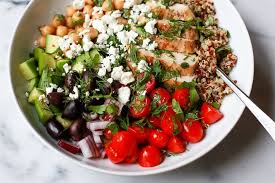
Image source : Recovery Meals
Optimal Timing for Post-Workout Meals
The “Anabolic Window” Myth vs. Reality
For a long time, people thought you had a very small window to eat after a workout. If you missed it, you lost all your gains. That’s not totally true.
Understanding the Flexibility
Eating soon after exercise is good, but the timing is more forgiving. Research shows you have a larger timeframe to get your nutrients in. Someone who works out just for fun has different needs than a pro athlete. For most of us, eating within a few hours is just fine.
Prioritizing Pre-Workout Fueling
What you eat before your workout matters a lot too. A good meal ahead of time can actually help your recovery needs later. Sports nutritionist Dr. Elena Rodriguez says, “What you eat before your workout sets the stage for how well you can recover after.” Proper pre-workout fuel means you might not need to rush so much right after.
Practical Meal and Snack Strategies
You can make smart food choices easily. Think about what your body needs and when.
Immediate Post-Workout (Within 1-2 Hours)
Focus on foods that are easy for your body to break down. This is crucial because your body needs readily available nutrients to initiate the recovery process efficiently. For instance, think about incorporating protein shakes, which provide a quick and convenient source of high-quality protein. Additionally, Greek yogurt with fruit not only offers protein but also includes carbohydrates and essential vitamins, making it an excellent post-workout choice.
Later Meals (Within 3-4 Hours)
Your next meal should be full of whole, unprocessed foods. This means a good mix of protein, carbs, and healthy fats. Incorporating these elements not only fuels your body but also supports overall health and well-being. For example, try grilled chicken with a baked sweet potato and some green veggies. This combination not only provides lean protein but also offers complex carbohydrates and essential vitamins. Alternatively, you might enjoy salmon with quinoa and asparagus, as this pairing delivers omega-3 fatty acids along with fiber and antioxidants.
Top Post-Workout Meal & Snack Ideas
High-Protein Powerhouses
Getting enough protein is key for muscle recovery. You have many tasty options.
Lean Meats and Fish
These are such as great sources of protein. You can grill chicken breast also bake some salmon, or use lean ground turkey in a stir-fry. However they provide a lot of muscle-building power.
Dairy and Alternatives
If you eat dairy then Greek yogurt or cottage cheese are excellent. For those who don’t, look for plant-based yogurts that have added protein. Both are quick and convenient.
Plant-Based Proteins
Vegetarians and vegans have many choices when it comes to incorporating protein into their diets. For instance, lentils, black beans, tofu, tempeh, and edamame all offer complete protein, making them excellent alternatives to meat. These versatile ingredients can easily be integrated into a variety of dishes, enhancing both their nutritional value and flavor. For example, try adding them to salads or stir-fries for a nutritious boost.
Carb-Rich Replenishers
Carbohydrates help bring your energy levels back up. Pick a mix of different types.
Whole Grains
These foods not only give you lasting energy but also have lots of fiber. For example good choices include quinoa, brown rice, oatmeal, or whole-wheat bread. They keep you feeling full.
Fruits and Vegetables
Fruits and veggies have carbs and lots of vitamins and minerals. Berries, bananas, and sweet potatoes are great. Don’t forget leafy greens for added nutrients.
Starchy Vegetables
These options provide quick energy. Potatoes, corn, and peas are good examples. They are easy to add to almost any meal.
Balanced Meal Combinations
Mixing proteins and carbs together makes a complete recovery meal. Here are some ideas.
Post-Run Recovery Bowl
After a run, try a bowl with grilled chicken or seasoned tofu. Add quinoa, black beans, some sliced avocado, and a dollop of salsa. It’s flavorful and packed with nutrients.
Post-Lift Refuel
Following a weightlifting session, opt for baked salmon with roasted sweet potatoes. A side of steamed broccoli finishes the meal. This meal helps both muscle repair and energy.
Quick Snack Ideas
Sometimes you just need a fast snack. Apple slices with almond butter is a simple, good choice. Hard-boiled eggs are another easy protein source. If you grab a protein bar, check the sugar content first.
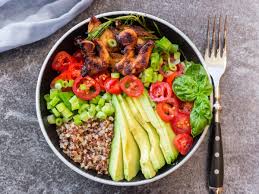
Image source : Healthy meals
Factors Influencing Your Recovery Needs
Not everyone needs the exact same recovery plan. Your body and your workouts are unique.
Type and Intensity of Exercise
Different workouts use your body in different ways. This changes what you need to eat.
Endurance vs. Strength Training
Running a marathon uses up a lot of glycogen. Your main goal is to refill those energy stores. Lifting weights causes more muscle breakdown. So, protein for repair becomes a huge focus. During long endurance runs, glycogen stores can drop by 60-90%. Strength training primarily causes micro-tears in muscle fibers.
High-Intensity Interval Training (HIIT)
HIIT workouts hit both energy stores and muscles hard. You need to focus on both carbs to refill energy and protein for muscle repair after these tough sessions.
Individual Physiology and Goals
Your own body and what you want to achieve play a big part.
Metabolic Rate and Body Composition
How fast your body uses energy and what your body is made of affect how many calories and nutrients you need. Someone with more muscle usually needs more fuel.
Specific Fitness Goals
Are you trying to build muscle, lose fat, or improve your sports performance? Your post-workout food choices should match your goal. Listen to your body and adjust what you eat based on how you feel.

Image Source : HIIT workout
Conclusion
Getting your post-workout recovery meals right is a smart move for your fitness. Remember to load up on protein to fix those muscles. Carbs are essential for getting your energy back. Also, don’t forget to drink plenty of water. Getting these macronutrients at the right time is important, but there’s more flexibility than you might think.
Making consistent, smart food choices after you exercise is a powerful way to reach your fitness goals. Try different foods and see what makes your body feel best. Prioritizing your recovery helps you get stronger, perform better, and feel great every day.