
Protein in one Egg: Discover the Amazing Nutritional Benefits

Eggs are among the most nutritious and convenient foods, offering several Health Benefits of Eggs. They can be prepared in different ways according to personal preferences, such as boiled, scrambled, poached, or in an omelette. But how much protein does an egg contain, and why do nutritionists recommend including eggs in a balanced diet? Let’s explore the nutritional value of eggs, their key health benefits, and simple ways to enjoy them in your daily meals.
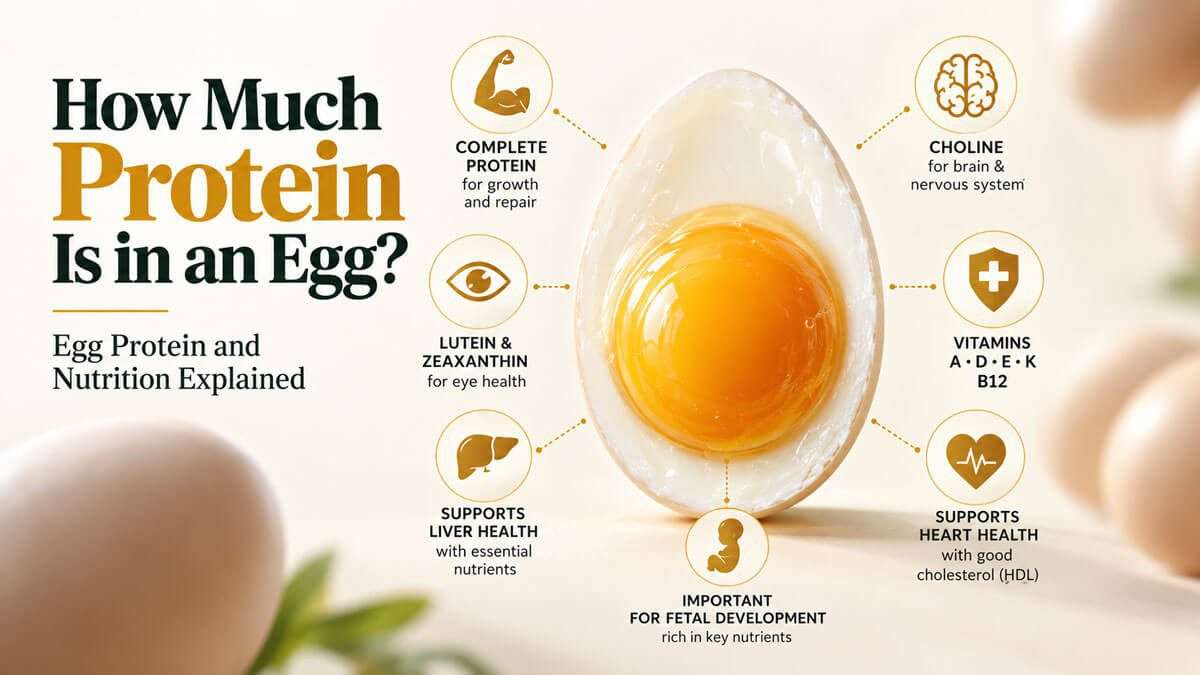
Image Source: Ultimate Organic Life
Protein Content in One Egg
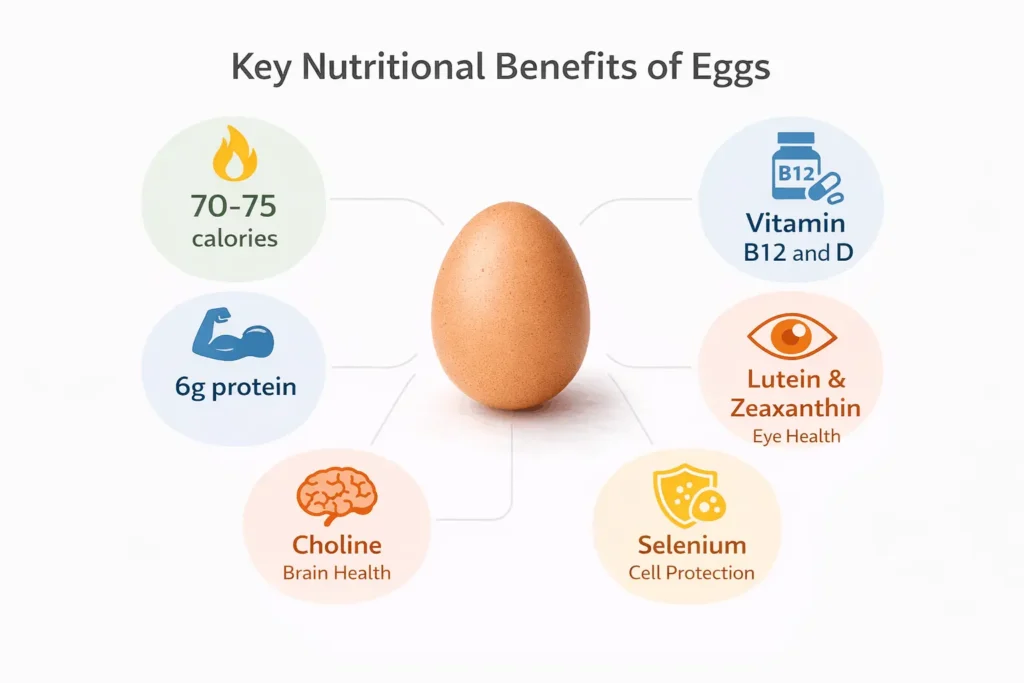
Generally speaking, a large egg provides approximately 6–7 grams of protein in one Egg, depending on its size.
Protein in one egg is considered high-quality protein because it provides all nine essential amino acids that the body needs but cannot produce naturally.
Protein Content by Egg Size
Egg Size Protein Content
Small Egg 4.8–5 g
Medium Egg 5.5–6 g
Large Egg 6–7 g
Extra-Large Egg 7–7.5 g
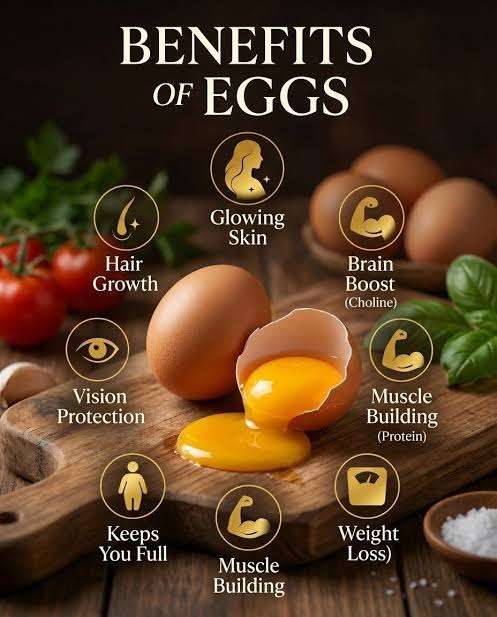
Image Source: Facebook
The Incredible Health Benefits of Eggs
Protein in one egg offers more than just high-quality protein, providing essential nutrients that support overall health and well-being. They also offer a variety of nutrients that contribute to overall well-being.
1. Promotes Muscle Development and Recovery
Protein is essential for muscle development and maintenance. Eggs contain high-quality protein and provide essential amino acids that help the body repair and maintain muscle tissue. Including eggs in a balanced diet can be useful for athletes, fitness enthusiasts, and anyone looking to meet their daily protein needs.
2. Helps You Feel Full for Longer
Additionally, an egg-based meal can help you stay satisfied for a longer period. Protein contributes to feelings of fullness and may help reduce unnecessary snacking between meals. Moreover, combining eggs with whole-grain bread, vegetables, or fruits can create a balanced and satisfying meal.
3. Supplies Vitamins and Minerals Necessary for Health
Eggs contain several important nutrients, including:
Vitamin A: Supports normal vision and immune function.
Choline: Supports normal brain function and other essential processes in the body.
Vitamin D: Helps the body absorb calcium and contributes to bone health.
Selenium: Helps protect cells and supports normal thyroid function.
Vitamin B12: Supports normal nerve function and red blood cell formation.
Moreover, egg yolks are rich in vitamins and essential nutrients, whereas egg whites provide a good amount of protein.
4. Supports Brain and Eye Health
Egg yolks are a source of choline, which is important for normal brain and nervous system functions. Additionally, egg yolks contain beneficial compounds such as lutein and zeaxanthin, which help support eye health. Therefore, these nutrients make eggs a valuable and nutritious addition to a well-balanced diet.
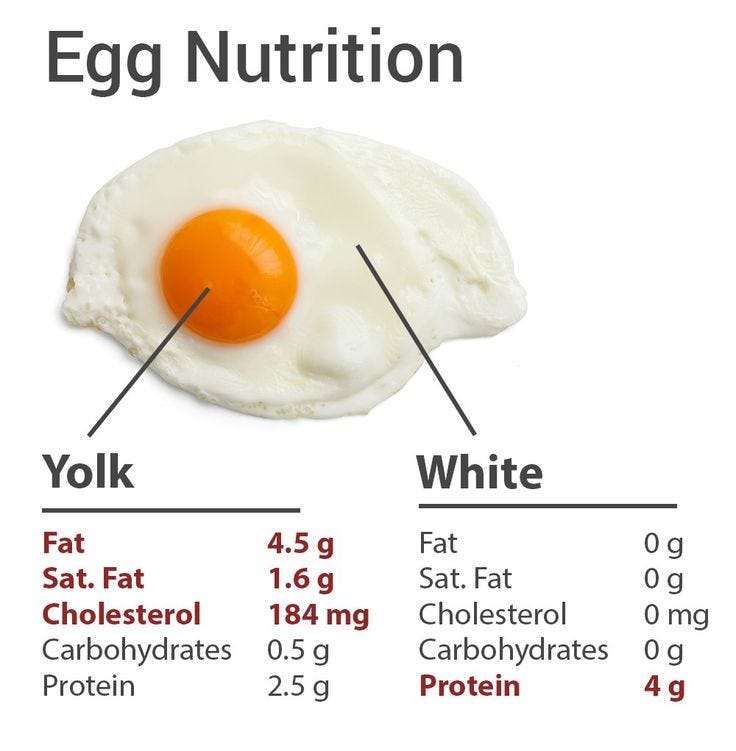
Image Source: Medium
Benefits of Eggs: Comparing Protein in Egg Whites and Yolks
Moreover, the nutritional value of eggs comes from both the egg white and yolk, with each part providing a different amount of this essential nutrient, protein.
Protein in Different Parts of an Egg
Egg Part Protein per Serving
White Part 3.5 – 4 g
Egg Yolk 2.5 – 3 g
Whole Large Egg 6 – 7 g
Egg whites consist largely of water and protein. Furthermore, egg yolks provide protein along with healthy fats, vitamins, minerals, and other essential nutrients.
For many people, eating the whole egg is a useful way to benefit from the nutrients found in both the white and the yolk.
Easy Ways to Enjoy the Benefits of Protein in One Egg
Moreover, the nutritional value of eggs makes them a healthy and convenient food choice that can be prepared easily without spending time on complicated recipes.
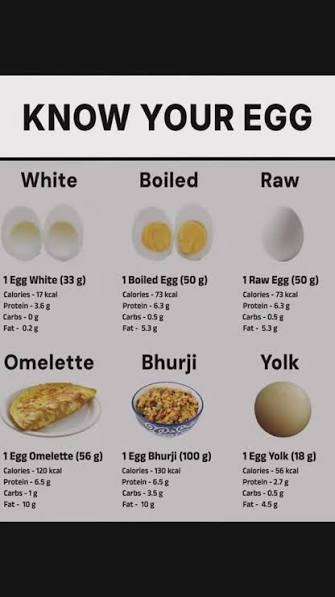
Image Source: Instagram
Discover the Health Benefits of Eggs Through Easy Meal Ideas
Hard-boiled eggs: A convenient choice for breakfast or a snack.
Vegetable omelette: Combine eggs with spinach, tomatoes, onions, or other vegetables to make a tasty omelette.
Scrambled eggs: Scramble eggs to your preference and serve with whole-grain toast.
Poached eggs: A simple cooking method that does not require added cooking oil.
Egg sandwich: Place boiled or scrambled eggs between two slices of whole-grain bread for a satisfying meal.
Additionally, choose egg-cooking methods that suit your needs and follow proper food-safety practices when handling and preparing eggs.
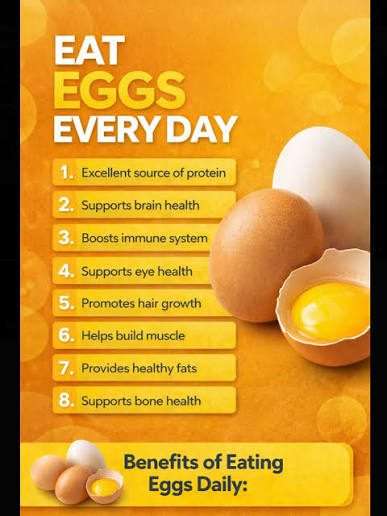
Image Source: Instagram
What Are the Health Benefits of Eggs, and Is It Worth Eating Them Daily?
For many healthy people, eggs can be included regularly as part of a balanced diet. However, individual nutritional needs vary by age, activity level, health conditions, and overall food choices.
Furthermore, maintain a balanced and varied diet by combining eggs with vegetables, fruits, whole grains, beans, and other sources of protein rather than relying on a single food.
If you have medical concerns or specific dietary restrictions, consult a qualified healthcare professional or registered dietitian to determine what amount is appropriate for you.
Conclusion
So, how much protein does one egg contain? A typical large egg provides approximately 6–7 grams of protein, along with several important nutrients. This makes eggs a convenient way to include protein and other nutrients in your diet.
Moreover, eggs are not only a good source of protein but are also affordable and versatile. They can be used in a wide variety of dishes, making it easier to enjoy balanced meals. The next time you prepare a meal, remember the nutritional value that a simple egg can offer.