
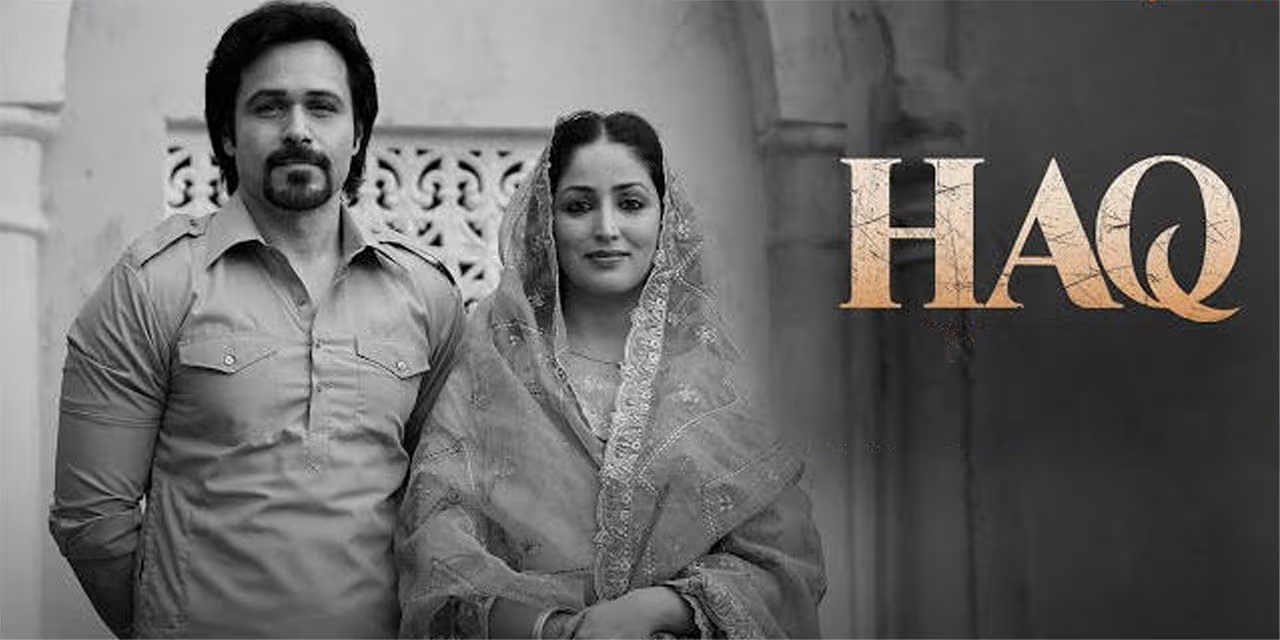
Shazia Bano: Why The Story Of HAQ Hit Home Today

Some movies open our eyes, while a few others hold up a mirror. ‘Haq’ falls in the second category. It is not just a movie but a social reflection. A film that compels us to look within and ask how far women’s rights in India have really come. The story of Shazia Bano, the protagonist, is powerful, yet painfully real. Her journey speaks to every woman who has fought for respect, recognition, and justice in a world that often denies them all three.
Image Source: bookmyshow
A Story of Shazia Bano That Touches the Heart
At the core of Haq is the story of Shazia Bano, who was expected to start over after her husband abandoned her. Instead, she boldly takes a step towards seeking justice through the law. However, it’s not for money that sustains life but for dignity.
The strength of the movie is in its realism. It doesn’t exaggerate or dramatize her sufferings. The movie captures the day-to-day moments, from courtroom confessions to silent breakdowns to small victories. It portrays the story of how hard it is for women to make a place for themselves in society. Though Shazia’s story might be inspired by real-life cases from Indian legal history, it came across as deeply personal, something which could well belong to any woman we know.
Why Haq Appeals to Audiences
Today’s audience wants to see stories based on real life. Not everyone identifies with fairytale romance or fantasy adventures anymore. They want to see stories that question injustice, challenge norms, and project the voice of the voiceless. Haq hits the perfect spot in this regard. It gives a riveting personal story along with a social message at the same time. It reminds us that films can do more than just entertain. They can inform and drive change.
The Core Message: Women’s Rights and Dignity
Haq makes it clear from the very first frame that this film is about much more than one woman’s financial struggle. For Shazia, the fight is about recognition, equality, and respect. Some very serious and pertinent questions are being asked in this film:
- Why should a woman face stigma for seeking financial independence?
- How do the religious personal laws align with constitutional equality?
- Why does society still expect women to carry both emotional and economic burdens after a marriage has ended?
These are not new questions, but this film renders them urgent. As Shazia’s story unfolds, the fight for the rights of women in India boils down to one factor in particular: a battle to change mindsets. A truly equal society needs to ensure protection for women both in the law and in everyday life.
Instead, Haq digs deeper than gender alone: the way multiple forces interplay to shape women’s lives-from community pressure and family honor to religious and political biases.
The movie highlights:
- Societies that shame women for speaking up.
- Families that tie their honor to a woman’s marriage.
- Media narratives that distort and belittle real struggles.
- A justice system that is slow and painfully saps emotional energy.
These layered pressures show how women are silenced long before they ever reach a courtroom. The brilliance of Haq lies in how it weaves these realities without victimizing Shazia. It shows the quiet, enduring courage that drives real change.
Evolution of Shazia Bano: A Voice Unveiled
Perhaps the most inspiring part of Haq is the transformation of Shazia. She begins her journey frightened and unsure. As she faces each obstacle, from ridicule to bureaucracy, her resolve grows stronger. By the end, she is no longer a woman seeking help but a woman demanding her rights.
This film does not project her as some kind of damsel in distress, who sits and waits for rescue. Instead, she becomes a figure of strength, symbolizing the many women in the world who find their power in persistence. Her journey suggests that gender equality is not just about policy but about personal awakening. It is the battle to realize that you deserve respect, independence, and choice.
Real-World Impact: Why It Matters
Haq’s reach extends beyond the screen. Universities, women-related groups, and social media platforms continue to discuss it. The film has stirred much-needed conversations about:
- Women’s financial independence and equal opportunity at work
- The reform of outdated personal and family laws
- Recognizing emotional abuse as an aspect of domestic violence
- Legal rights for women in cases of abandonment or divorce
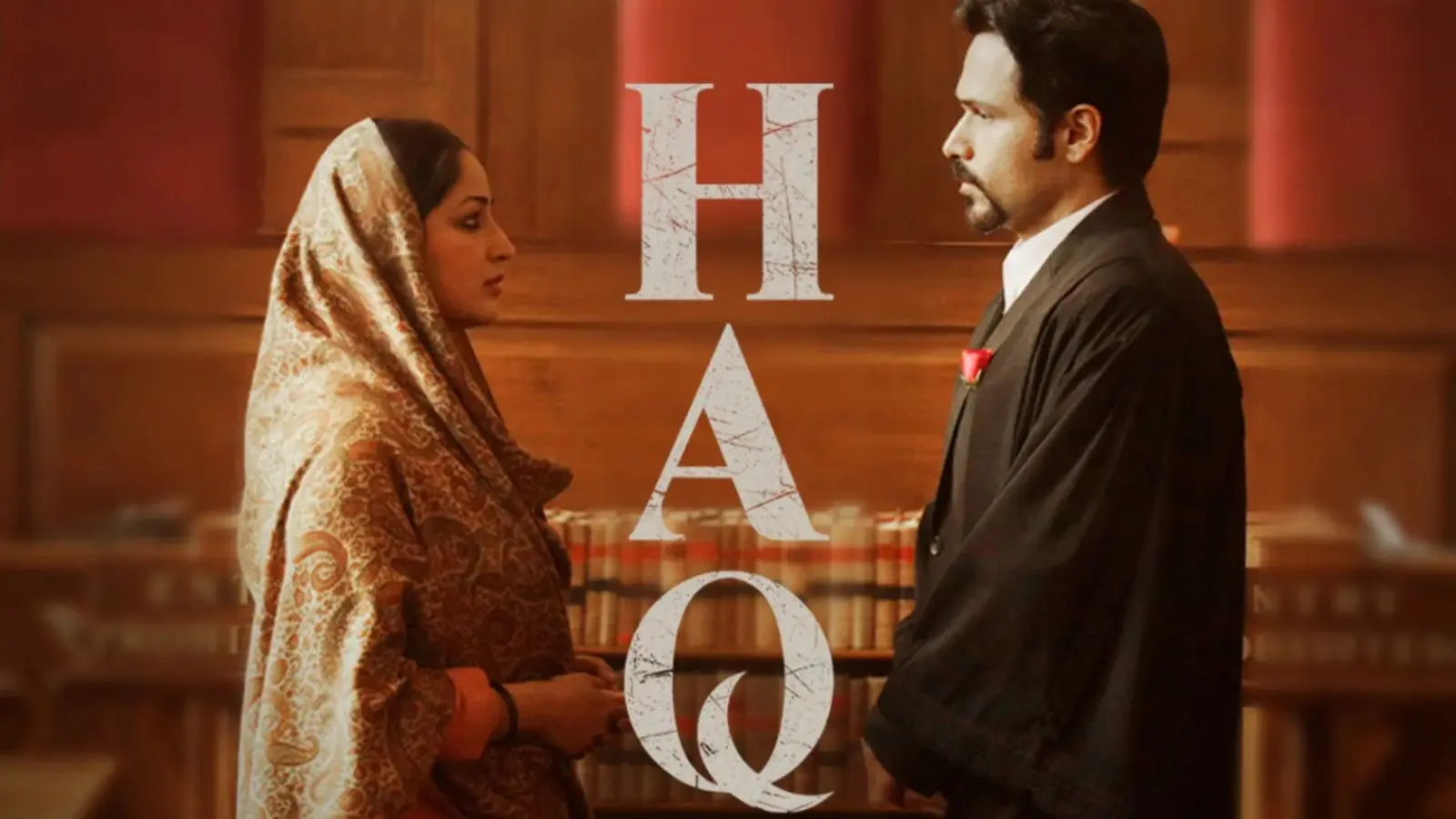
Image Source: M9News
The stigma women face in challenging norms is unwavering. These discussions essentially show that if cinema is done with conviction. Then, it can be a tool for the education of the general public. Haq converts this struggle of a woman into a movement of awareness. On the other hand, society rethinks its meaning of justice and equality.
Films like ‘Haq’ resonate particularly among the younger generation. They question traditions, authority, and systemic inequity more openly than before. Shazia’s story, therefore, becomes the story of resilience passed down through generations of women who refused to remain silent. This reminds one that justice is not simply declared by courts but is demanded, fought for, and gained through bravery.
The story of Shazia Bano stays in the viewer’s mind long after the credits roll. It’s a personal and political struggle toward justice that starts with the courage to protect women’s dignity. Haq is not a mere courtroom drama. It reminds us that real justice begins with empathy, evolves through courage, and ends in equality.