
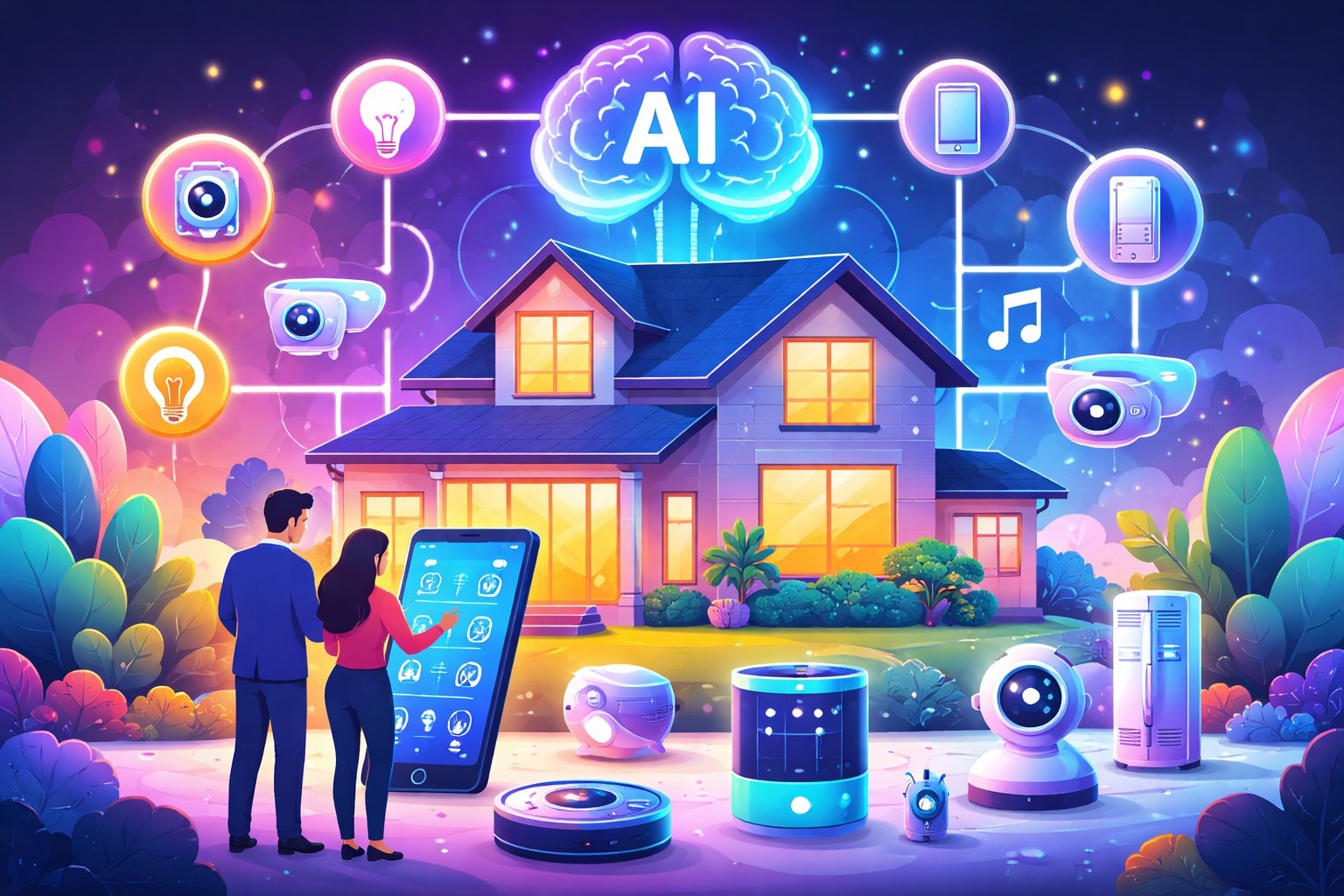
How Smart Home Devices Are Changing Everyday Life

At present, Smart home devices represents an important part of our existence since it influences all aspects of our activity, ranging from communication and work to acquiring food products and studying, taking rest, and doing any other daily chores making life more convenient and efficient every day. One of the most important recent innovations is home automation.
With devices such as voice assistants, smart lighting, advanced security systems, and automated washing machines, smart home technology is transforming everyday life. What was once considered science fiction is now a reality, with smart home devices becoming increasingly common in Indian households.
More Internet connections, affordable technology, and desire to live in an intelligent house become the factors that lead to the emergence of home automation in our lives. Today, people can link multiple devices to their smartphones or simply order a device by its name, and smart home devices will instantly react.
In the following article, we will examine the main characteristics of smart homes, discuss them from several points of view, analyze their advantages and disadvantages, and talk about the future of this industry. We will also explore how these technologies affect daily life, improve efficiency, enhance security, and contribute to a more comfortable and sustainable lifestyle.
Nevertheless, before discussing the effects of these technologies on our lives, it is necessary to determine what smart home devices are. Understanding their basic features, functions, and working mechanisms will help us better evaluate their importance, usefulness, and growing role in modern households across the world.
Some examples of such devices are:
- Voice-controlled speakers
- Automated lighting systems
- Intelligent temperature control devices
- Remote-access door locking systems
- Security cameras
- Smart TVs
- Smart kitchen appliances
- Vacuum cleaners
These devices create a network within which users can control their homes and perform automated tasks in a convenient way.
Why Smart Home Devices Are Becoming Popular
There has been an unprecedented rise in the demand for home automation gadgets in recent years. Thus, the homeowners are searching for devices which make their life easier and more convenient in addition to offering security.
To begin with, convenience is the main reason why there has been an increase in demand. This is because these devices give users a chance to turn on or off lighting, fans, air conditioners, television, and many other electronic devices even when one is not at home.
In addition, there is an increase in demand because now many people can afford such gadgets. Previously, these gadgets could only be purchased by the wealthy homeowners since they were very costly. However, the manufacturers have made such gadgets available and budget friendly.
In addition, the use of smartphones and fast internet connection has made it possible for people to adopt such devices. Thus, homeowners can monitor their houses remotely.
In addition, saving electricity and ensuring the security of homes has become important for many people nowadays. Thus, they opt for automated gadgets for the purpose of saving energy and enhancing security.
That is why people are going for automated gadgets.
Finally, the emergence of a voice ecosystem has boosted the demand for home automation devices. Different devices may be connected with
Convenience Benefits of Smart Home Devices
The other advantage provided by these devices is the convenience. In reality, automation of processes means that one does not have to do certain things manually.
To explain, smart light bulbs turn on when someone walks into the room and turn off after the individual exits the room. In this way, energy is not wasted. Besides, people can remotely control various devices using smart plugs. This increases their efficiency and convenience.
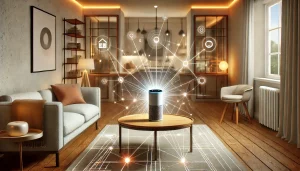
Moreover, voice-operated assistants like Amazon’s Alexa provide convenience in terms of helping people to complete various operations using voice commands. In this way, there is no need for pressing any button in order to complete operations like listening to music, weather forecast, setting alarms, and controlling other functions. In this way, people can save time and energy.
What is more, automation makes it possible to carry out various operations with one click or voice command. For example, one may command “good night” which will make the system switch off the lights, close doors, and regulate room temperature.
For example, saying “good night” as a command would automatically lead to the switching off of lights, locking, and reducing temperatures and more.
Affordable Smart Home Devices for Modern Homes
Another important aspect of smart homes’ features that may motivate people to invest into such technology is security. For example, there are many possibilities offered by smart home security systems nowadays.
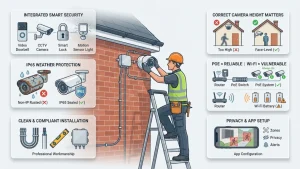
For example, smart home cameras provide an ability to view your house’s activities in every room through a smartphone. Also, smart home systems are equipped with motion sensors that can identify any suspicious activity and report about it instantly. Furthermore, one can use smart doorbells to observe the person standing at his/her door even if he/she is miles away from home.
In addition, smart locks allow users to control opening and locking their doors remotely. In addition, one can generate access codes that will grant entry to the building to someone for a certain period of time.
Therefore, due to these advantages, people feel more secure and get additional peace of mind especially when it comes to traveling frequently. Additionally, people have an opportunity to watch their home from virtually anywhere.
Finally, there are advanced home security systems that use technologies like facial recognition and artificial intelligence-based threat detection.
Some sophisticated systems also feature facial recognition capabilities and threat detection based on artificial intelligence.
How Smart Home Devices Work with Voice Assistants
Another crucial advantage of using home automation technology is the ability of the user to save energy. Indeed, the equipment enables people to control and minimize their energy wastage.
To illustrate, smart thermostats ensure that the room temperature changes depending on the preferences and requirements of the users. Smart lights will turn on or off based on their necessity. Besides, smart power strips will shut down the equipment that goes into standby mode.
In addition to that, most of the devices used in a smart house have the capability of showing energy consumption reports. Hence, the homeowner will be able to analyze the situation and make improvements where necessary.
Moreover, due to the high cost of electricity today, the rational consumption of energy is essential. Thus, people try to reduce the expenses by using such technology.
Lastly, some smart homes are equipped with solar panels and battery backup facilities. Consequently, people are able to consume renewable energy sources to the fullest.
Essential Smart Home Devices for Modern Homes
Smart Speakers and Voice Assistants
Smart speakers have become the most popular of all smart home gadgets. They serve as controllers for other gadgets that can be controlled remotely.
The capabilities of a voice assistant include the following operations:
Music playback
Alarm setting and reminding
Getting updates on the latest news
Light bulb control
Appliance control
Answering inquiries
Convenience is achieved through hands-free voice control.
Smart Lighting Systems
One of the simplest means to embark on a journey in home automation is by using intelligent lighting. With intelligent lighting, the brightness level, colors, and time scheduling can be controlled through a smartphone application.
Advantages of intelligent lighting are:
Reduced power usage
Increased home security
Custom lighting scenes
Remote control options
Increased convenience
Intelligent lighting is widely employed by many individuals to produce various moods for working, relaxing, entertainment, and sleeping purposes.
Binary Tech {LABS}
Smart Security Cameras and Doorbells
The use of security-oriented smart home devices has gained immense popularity across the globe and particularly in India.
The advanced camera systems provide functions including:
Real-time video streaming
Motion detection
Night vision
Video cloud storage
Alerts on mobile phones
The video doorbell system helps one view who is at the door without having to open it.
Smart Plugs and Smart Switches
Smart plugs are cost-effective components that can turn normal appliances into smart appliances.
Some appliances that you can control using smart plugs include:
Fans
Light bulbs
Coffee machines
Hot water heaters
TVs
Air purifiers
Smart switches also offer remote control capabilities, making them crucial to smart homes.
Smart Thermostats and Climate Control Systems
The regulation of climate is another field that proves to be very useful for smart homes. With smart thermostats, the temperature in the house is adjusted according to user requirements and preferences.
This way it becomes possible to have a perfect indoor climate without wasting energy resources.
Smart home devices Kitchen Appliances
Various forms of technology in the home environment are becoming increasingly common in today’s kitchens. The advanced appliances include smart refrigerators, ovens, coffee machines, and dishwashers to make our lives better and more convenient.
These include:
Remote monitoring
Adjustment of cooking parameters
Inventory management
Energy saving
Routine maintenance notifications
Make life in the kitchen much easier for homeowners.
How Smart Home Devices Improve Daily Life
Better Time Management with Smart Home Devices
With the busy pace of life in our times, life is often hectic and full of pressure. Thus, smart home solutions become necessary for saving time of users with automation of regular household routines.
As an illustration, smart lighting solutions can automatically switch on in the evenings without requiring any intervention from the user. Also, automatic coffee machine will make the morning coffee ready even before the user gets out of bed. Moreover, the security system of the house can be switched on automatically when everybody leaves the house. Besides, smart vacuum cleaners can work based on a predetermined schedule.
Increased Comfort Through Smart Home Technology
One of the key reasons for adopting smart home technology is comfort. Smart homes have the ability to create unique surroundings that cater to each person’s tastes and preferences.
The following can be automated by smart homes:
Room temperature
Light levels
Entertainment systems
Window coverings
Air quality control systems
Greater Accessibility for Families
Smart houses provide significant help to the elderly and people with disabilities.
Smart gadgets that depend upon voice-controlled technologies do not need the users to physically manipulate any locking mechanism, switch, or device. Voice commands are sufficient to operate the smart devices.
In addition to this, people can monitor their families remotely and through alerts.
Health and Wellness Improvement
Moreover, there are numerous smart gadgets that help develop healthy habits in people’s life. In particular, the smart air purifier checks and improves the quality of air in the room. Also, the smart humidifier keeps the perfect humidity in the Home automation. Additionally, the wearable gadgets can be utilized for monitoring the sleeping schedule and tracking different health statistics. Consequently, people become aware of their health and take proper decisions concerning their life.Also, some wearable devices can be used to monitor the sleep pattern and the health condition of the people using the system.
Smart Home Devices for Remote Work and Learning
Remote working and distance learning have made the adoption of smart homes essential.
Features of a smart Home automation that help boost efficiency include:
Automatic lighting in offices
Smart speaker assistance
Sound level monitoring
Smart home climate control
Sophisticated video conferencing systems
All these factors make a conducive working or learning environment at home.
Privacy and Data Security Concerns
Although there are many benefits, the smart devices for homes bring up issues like privacy and cybersecurity.
Smart devices gather information in order to tailor their services to you. If the cybersecurity is not strong enough, then hackers might try to break into your system.
Some tips to ensure better security are:
Use strong passwords
Use two-factor authentication
Install updates often
Buy from reputable companies
Initial Setup Costs
Even though prices have gone down, there are still certain automation devices for homes that require an upfront payment.
The cost might be associated with:
Device purchase
Installation service
Network upgrade
Subscription fee
Nonetheless, a number of homeowners consider energy saving and convenience worth paying for.
Internet Dependency
Most smart home devices depend significantly on connectivity to the internet. In case the internet connection becomes disconnected, some functionalities could be unavailable.
It becomes necessary for a reliable broadband network to facilitate this connectivity.
Compatibility Issues
All intelligent devices are not always compatible with every system. There can be instances where some intelligent devices require certain systems or applications to operate properly.
It is advised that buyers check for such compatibility before buying such devices.
Advanced Smart Home Devices and Future Trends
The potential of smart home appliances is extremely bright. Thanks to new technologies, like artificial intelligence, machine learning, and Internet of Things, smart homes become more and more intelligent.
In the future, smart homes can:
Make predictions about the behavior of their users;
Automatically optimize the consumption of energy;
Identify problems that need repairs;
Enhance security using AI;
Connect with other components of the smart city.
AI will enable appliances to learn the routine activities of their users and operate automatically.
AI will allow appliances to understand the habits of their owners and function on autopilot mode.
In other words, the intelligent house will be able to regulate such parameters as lighting, heating, and an entertainment system depending on the daily routine of the owner.
Further advancement in technology is likely to make smart homes even smarter and easier to use.
Smart Home Devices in India: Rising Demand
India appears to be one of those countries in which the market of smart home devices develops rapidly.
Various reasons contribute to that:
Increased use of smartphones
Internet accessibility at affordable rates
Higher disposable income
Increased concern about home security
Development of e-commerce sites
While urban areas drive the adoption of smart home devices, the interest is rising in small towns as well.
Popular smart home devices being used in India are:
Smart speakers
Smart lighting systems
Security cameras
Video doorbells
Smart plugs
Smart locks
Various government initiatives to make the transition towards a digitally transformed country are also fueling the adoption of connected technology.
As more affordable products are launched, smart homes will soon be a common occurrence in India.
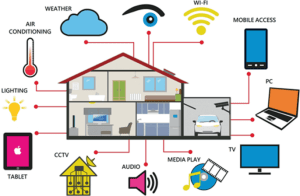
The Future of Smart Home Devices and Smart Living
Home automation is no longer limited to controlling individual devices. Modern smart homes are evolving into fully connected ecosystems where multiple technologies work together to improve convenience, security, and efficiency.
How Smart Home Devices Create Connected Homes
Imagine a home where:
- Lighting adjusts automatically based on natural sunlight.
- Security systems recognize family members.
- Appliances operate during off-peak electricity hours.
- Smart refrigerators monitor food supplies and create shopping lists.
- Health monitoring devices track wellness and provide alerts.
These innovations help create homes that are safer, more energy-efficient, and better adapted to users’ daily needs.
The Role of Smart Home Devices in Future Innovation
Artificial intelligence, cloud computing, and advanced sensor technologies will continue driving innovation in smart home solutions. Future smart Home automation devices will become more intelligent, responsive, and capable of learning user preferences automatically.
As technology advances, homeowners can expect greater automation, improved energy management, and enhanced convenience through interconnected smart systems.Artificial intelligence is expected to play a major role in this transformation by enabling devices to learn routines, predict user needs, and make automated decisions. To understand the different categories of AI and how they influence modern technologies, you can read our guide on Types of AI: https://www.bloggercap.info/types-of-ai/
These technological advancements will make smart homes more efficient, secure, and user-friendly in the years ahead.
Sustainable Living with Home automation
Sustainability is expected to become a major focus in future home automation. Smart home devices can help reduce energy consumption, optimize resource usage, and lower carbon footprints through intelligent monitoring and automation.
As environmental awareness grows, smart homes will play an increasingly important role in supporting sustainable and eco-friendly living practices.
Final Thought: Smart Home Appliances – The Future of Living?
It is evident from the quick embracement of Home automation gadgets that technological innovations are transforming our day-to-day existence. This is what makes these innovations convenient, secure, comfortable, accessible, and energy efficient.
Despite the presence of potential disadvantages including privacy issues, expenses for installation, and dependence on the internet, the benefits of smart homes remain much more prominent than their downsides. With the improvement and development of home automation, smart homes are bound to become popular amongst a wider range of people.
The prospects of smart homes seem really promising. Houses evolve not only by turning into places of residence but also by becoming active helpers for us. No matter if it is the possibility of operating light bulbs via the voice control, watching over the security system, economizing energy or promoting health, smart homes make our lives smarter. The key question here is no longer whether smart homes will be the future. It is the rate at which they will become widespread.


