
Best Spices to Make True Bengali Cuisine: A Guide

Best Spices to Make True Bengali Cuisine: A Guide
Introduction
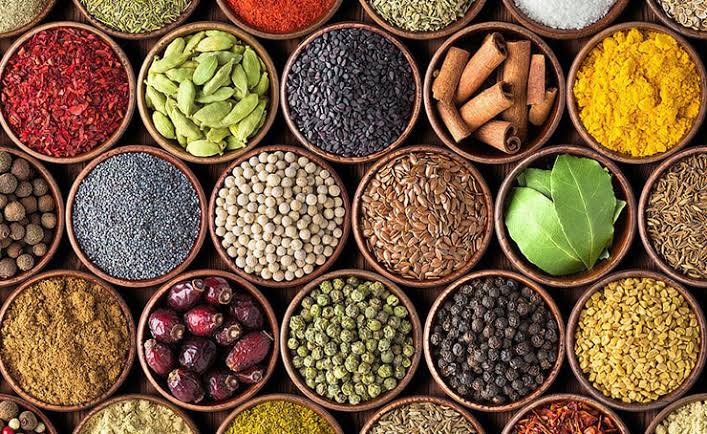
As soon as the world of Bengali cuisine is entered, one common experience is immediately felt by everyone: the aroma of spices, the fragrance of mustard oil being heated in hot pans, the scent of cumin seeds, and the tangy smell of freshly cut chilies.As soon as one dives into the world of Bengali cuisine, there is one common experience that is immediately felt by everyone: it is the aroma of spices – the frying of mustard oil in hot pans, cumin seeds, and tangy smells of freshly cut chilies.
Bengali cuisine is not only about spices but is a perfect combination of flavors and aromas that form an ideal harmony in the end.
The soul of Bengal can be sensed even in the simplest meal and in the most complicated dishes.
In order to recreate genuine Bengali flavors at home, one needs to know about spices that should be used for preparation of traditional dishes rather than relying on commercial curry powders.
Image Source: Annanya Organic Products
This guide will help you learn how to make genuine Bengali flavors at home.
The Spices of Bengali Flavors: The Essentials
Panch Phoron: The Five Spice Blend
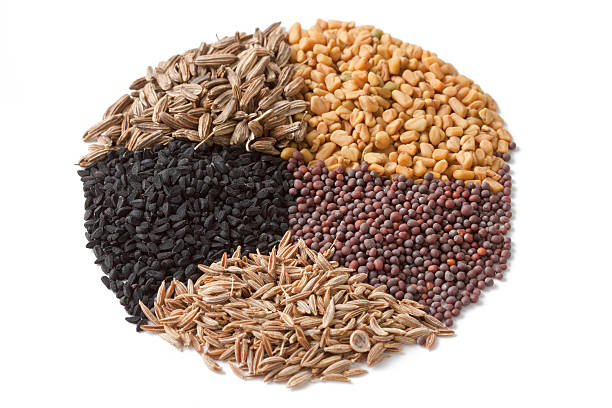
Image Source: iStock
Bengali cooking would never be complete without Panch Phoron. This spice mixture includes five different ingredients which
are cumin, nigella, fenugreek, radhuni (or mustard), and fennel and gives food a great aroma and taste.
They are normally roasted in mustard oil prior to their inclusion in any vegetable or lentils dish. This step helps highlight their different tastes.
It is preferable to use whole spices rather than ground spices since the taste of whole spices is special and can’t be replicated.
Turmeric and Red Chili: Basic Two Spices
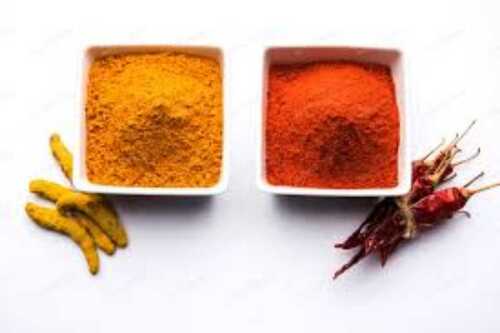
Image Source: Tradeindia
Besides coloring food, Turmeric gives it a bitter taste and has several beneficial properties.
There are two kinds of red chillies used in Bengali cooking:
– Kashmiri chilli for coloring
– Bird’s eye chilli for spiciness
In an optimal combination of spices for a curry, turmeric should be used twice as much as chili powder.
Mustard Seeds and Oil: Bringing Special Boldness to Bengali Cooking
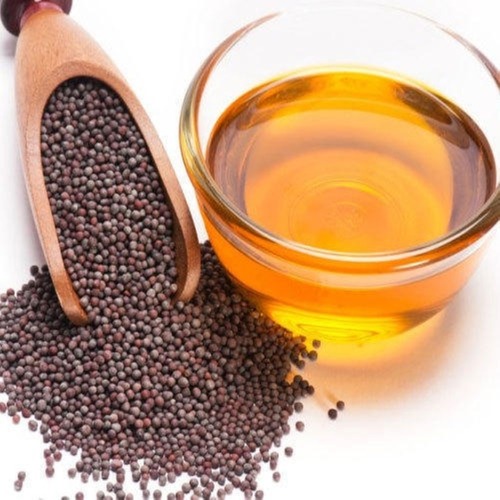
Image Source: Tradeindia
Mustard is an important ingredient in the preparation of seafood dishes in Bengali cuisine.
Black mustard seeds tend to be more spicy, while the yellow seeds are milder and nutty.
Both of these are combined to get the required balance of taste.
Mustard oil is also one of the essential ingredients that help bring out the true flavor of the dishes.
Elevating Seafood and Meat Dishes
Ginger-Garlic Paste: An Aroma Base
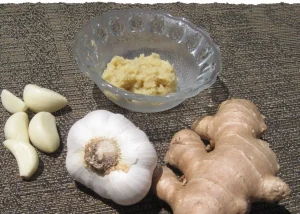
Image Source : Simply Bhonu
The aroma in the homemade ginger garlic paste is more intense than that of store-bought products.
While making light fish curries such as Machher Jhol, Bengali chefs add more ginger to get flavor without the fish getting lost in the dish.
In heavy meat curries such as Kosha Mangsho cooked in mutton, the use of ginger removes the greasy feel from the meat.
Garam Masala: The Final Ingredient in the Spices Mix
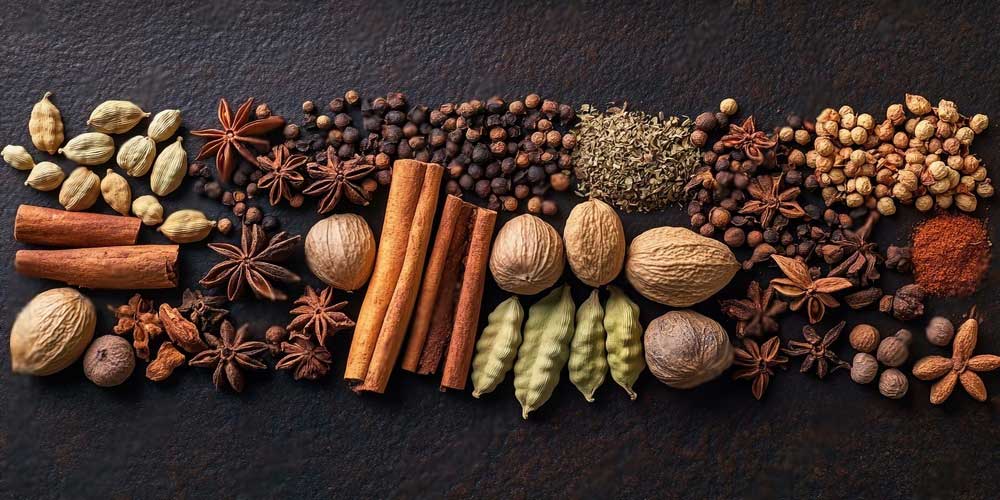
Image Source: Ekirana
Unlike the North Indians who use garam masala while preparing their food items, the Bengalis use this spice towards the end of the preparation.
Bengali Garam masala comprises cinnamon, green cardamom, and cloves. It acts as the finishing agent to give the food a sweet smell without making it bitter.
One can achieve this by adding fresh garam masala powder right before eating.
The Trick Behind Poppy Seeds (Posto)
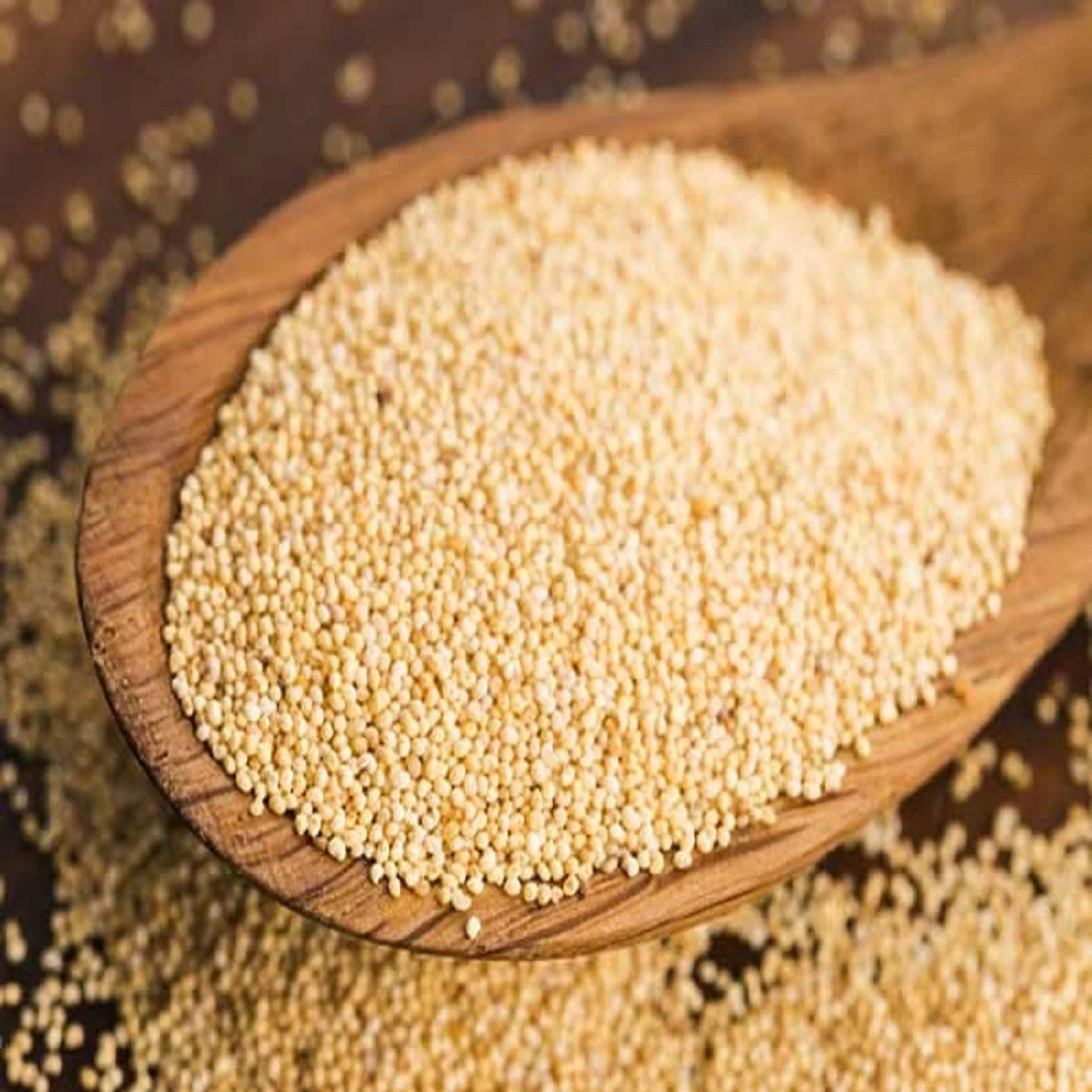
Image Source: Grain Cul
White poppy seeds, known as “Posto” in Bengali, are very much significant in the cuisine culture of the place. A common dish prepared using this spice is called Alu Posto, where mashed potatoes are combined with a mixture of poppy seeds and green chilies.
The good quality poppy seeds smell sweet, but the low-quality seeds do not.
Balancing the Bitterness, Sweetness, and Sourness
Tamarind and Kokum: The Sour Component in Spices

Image Source: The Hotel Skills
Sourness forms an integral part of the flavours used in Bengali cuisine, particularly when cooking fish.
For a milder sour flavour, tamarind pulp is used, but Amchoor or dry mango powder should be used to give vegetables their flavour. This is important in bringing out the true taste of river fish.
Green Chilies: A Hot Flavour
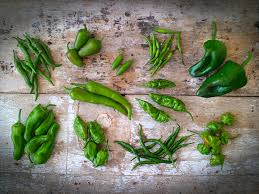
Image Source: World of chillies
The degree of hotness in green chilies is varied according to preference.
Cutting the chilies adds a medium amount of hotness, while smashing them adds more. Green chilies may also be used as a garnish for adding freshness, especially in summer recipes.
As one Bengal-based chef puts it, “Fresh green chilies bring a freshness that chili powder cannot beat.”
The Taste of Sugar: Sweetness in Bengali Cuisine
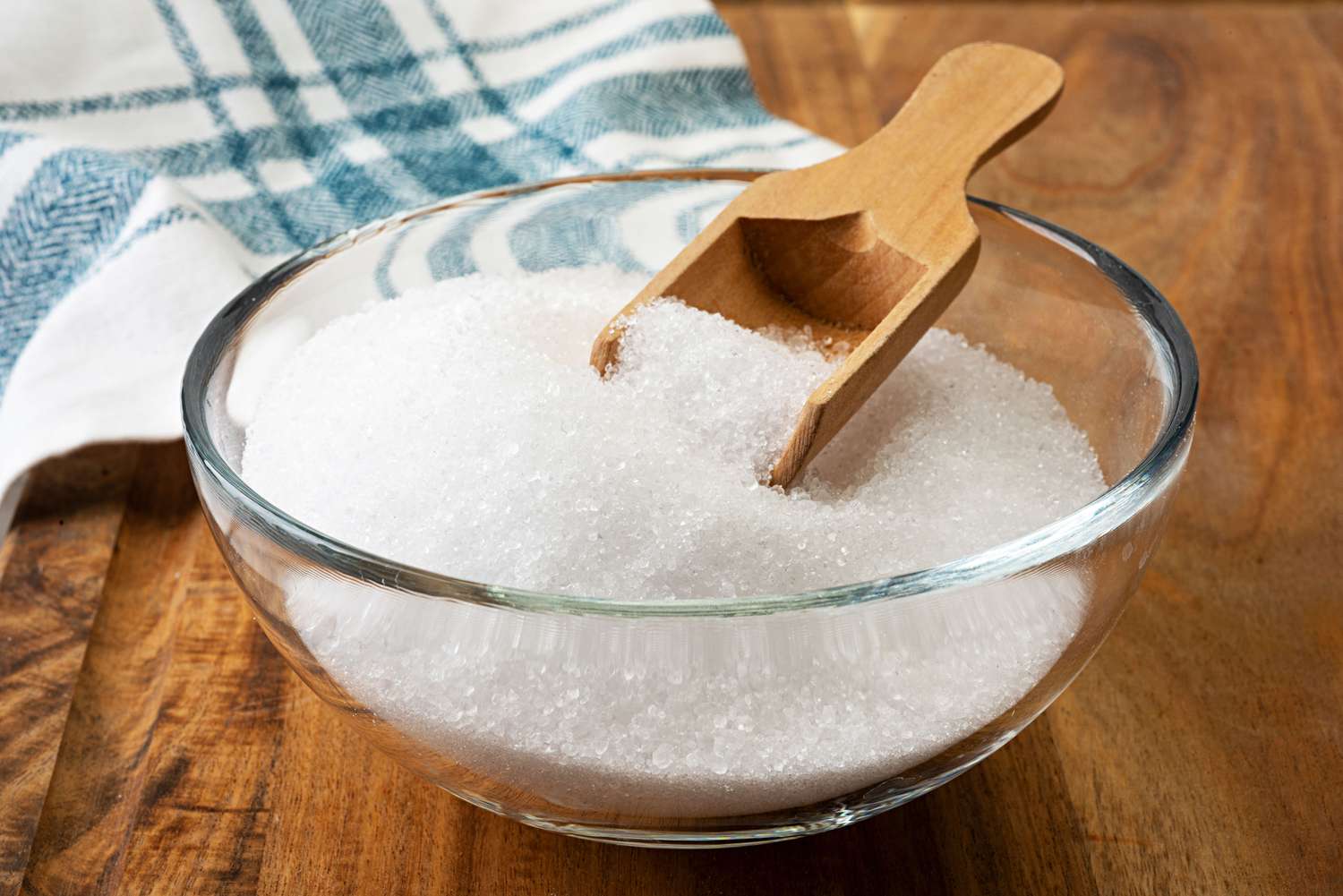
Image Source: Martha Stewart
Small quantities of sugar are used in spicy Bengali dishes.
Sugar plays an important role in reducing the spiciness of mustard and other spices used in shrimp and vegetables recipes. Moreover, sugar reduces the bitterness of fenugreek used in the Panch Phoran recipe.
The sweet-spicy taste is unique to the cuisine of the Kolkata region.
Practical Guide: From Market to Pot
Storing spices properly
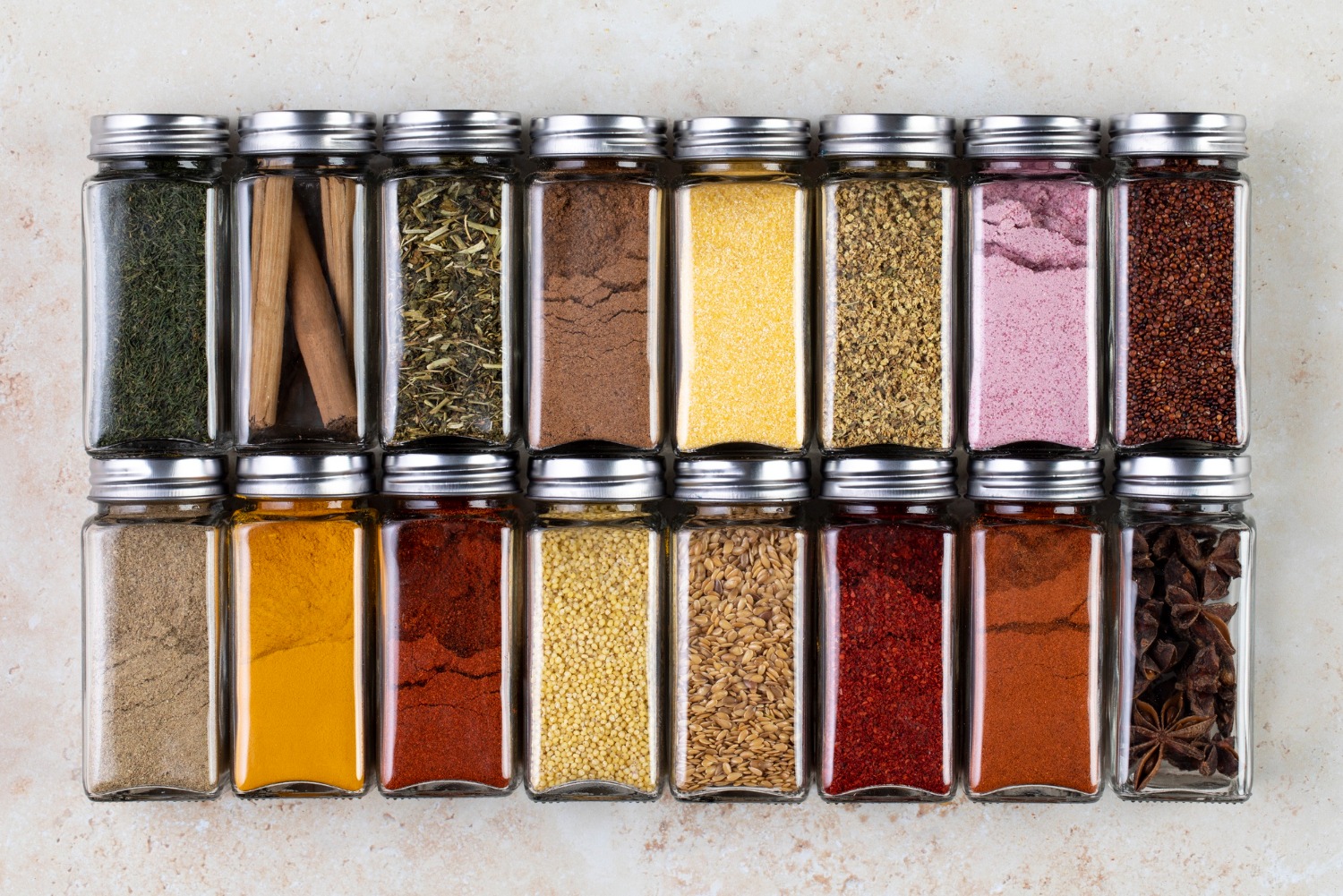
Image Source: jkcart
Spices should be kept in air-tight glass jars for proper preservation.
Powdered spices usually remain fresh for six months whereas whole spices last longer.
One should prefer purchasing smaller quantities rather than buying in large quantity and storing them for a long time in order to get better flavours from the spices.
Toasting and Grinding of Spices in the Kitchen
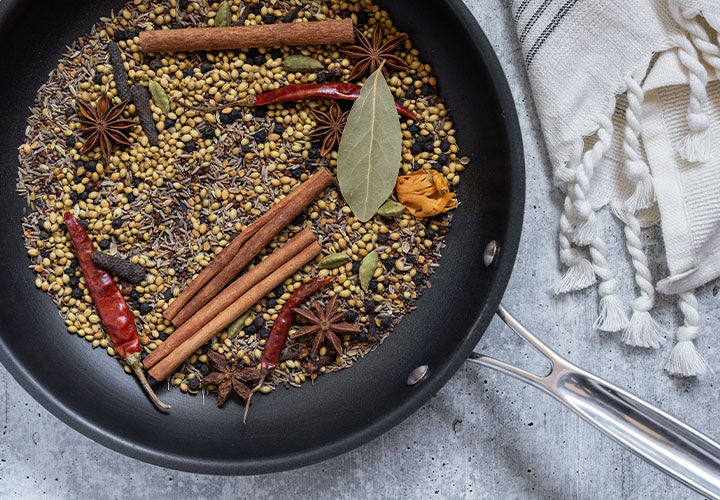
Image Source: The Spice House
Dry-roasting of spices adds to their taste and aroma.
Dry roast the spices over low heat and allow it to cool down to room temperature before grinding.
Mortar and pestle usually works best since this device grinds spices slowly, releasing more flavor and aroma compared to using an electric grinder.
Map of Flavour by Type of Food
There are different types of Bengali dishes that require different spices:
- Shukto (vegetables mix): It requires plenty of nigella seeds and ginger.
- Sorshe Ilish (hilsa fish in mustard sauce): It requires lots of mustard and green chilies.
- Kosha Mangsho (mutton dish): It requires plenty of cinnamon and cloves.
Knowing the ratio of these spices will definitely help you create delicious food instead of regular curries.
Conclusion
It takes only a little of perfectly proportioned spices to provide the unique flavor of Bengali cuisine.
Panch Phoron, mustard oil, turmeric, ginger, green chilies and garam masala are usually used in almost any type of food.
If you want to experience Bengali cuisine, making your own spice mix will be a good start point.


