The Ultimate Guide to Coffee: Types, Benefits, and Brewing

Coffee is more than just a drink which helps people to start their day. It may have sweet, fruity, nutty, smoky, bitter, or smooth flavors depending on where the beans were grown and then roasted, grounded, and brewed. For example, the International Coffee Organization claims that daily consumption of it on Earth reaches about 2 billion cups a day.
The National Coffee Association stated that 67% of adult Americans were drinking brew at least once during a given day in 2024, basically in the starting of their day. No matter whether you prefer filter, espresso, cappuccino or any other specialty instant brew, you should understand the basics to prepare a good cup.
Why Does Coffee Taste So Different?
Image Source : Tripathi Products
Five main aspects affect nearly all cups :
- Species of beans used and the place of their growing: Arabica and Robusta are quite different in their flavors and caffeine content.
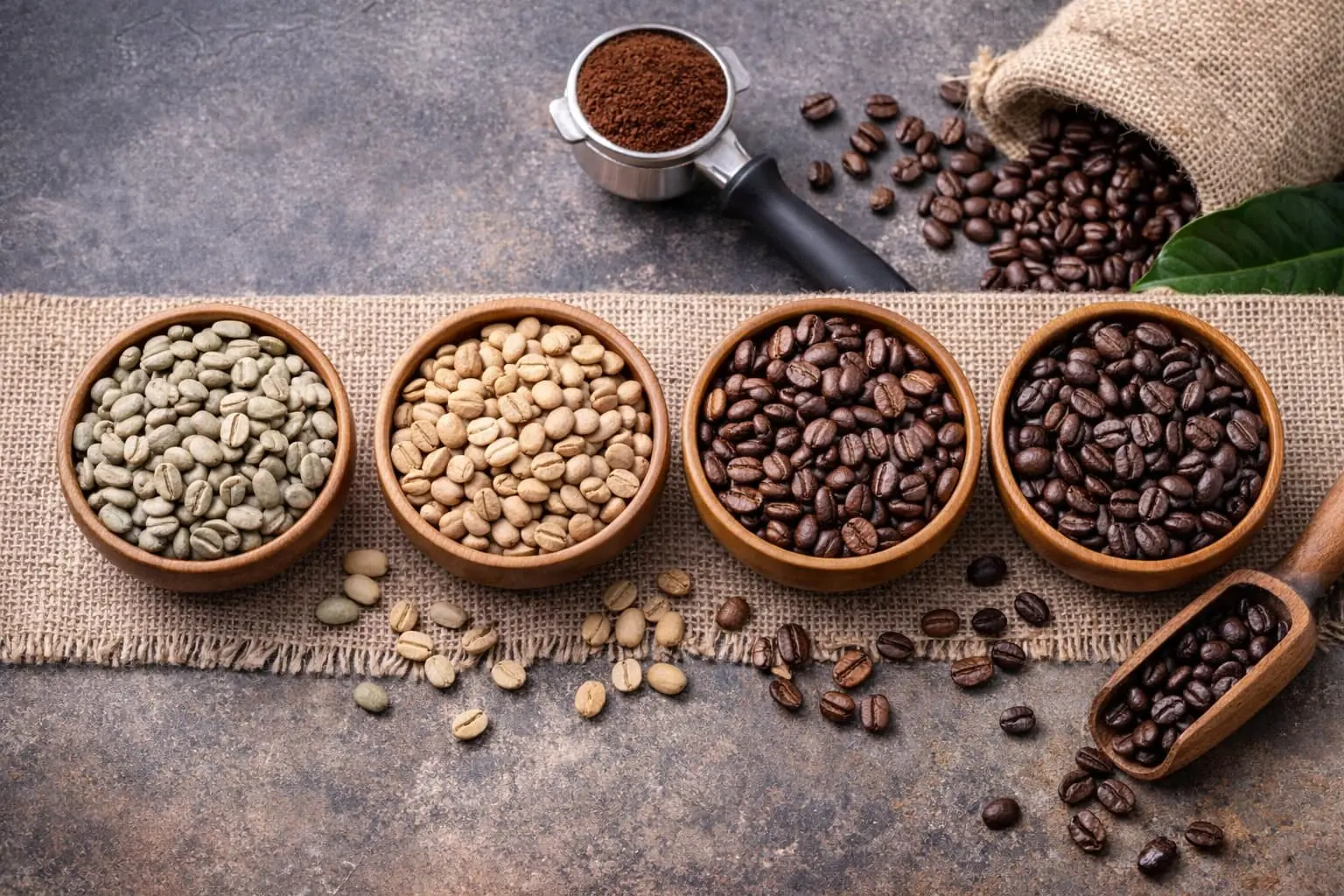
- Level of roasting: light, medium, and dark roasting will lead to different acidity, bitterness, sweetness, and flavor.
- Type of grinding: fine grinding is appropriate for espresso, while for French press – coarse grinding.
- Water: clean and fresh water always matters.
- Brewing time and technique: they control the extraction of flavors.
Think of coffee as a basic taste map. It comes from light-roasted Ethiopian beans and is brewed using the pour-over method will give you fruity and bright java. Medium-roasted Colombian beans would serve well as balanced filter brew. The darker Brazil javas will give you a bold and roasty java when used in espresso or French pres
Types for Every Taste
Arabica, Robusta, and Blends
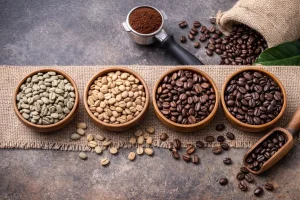
Image Source : My Pahadi Dukan
Arabica is generally smooth and sweet; it has fruity and floral notes as well. Robusta has bitter, stronger notes and is high in caffeine. Espresso blends combine both varieties, which make it more intense and body. For a softer and gentler specialty java, opt for Arabica. You should pick Robusta espresso java blends for a powerful taste and thick cream.
Roasting Level
- Light roast: Fruit, floral and acidic.
- Medium roast: Sweet and balanced.
- Dark roast: Roasty and bitter.
A popular misconception about coffee is that dark roast contains more caffeine. This is incorrect since caffeine content depends on the variety of beans, size of the serving and how it was brewed.
It is not difficult to grasp popular beverages either. Espresso is a highly concentrated java drink prepared under high pressure. Americano is espresso with hot water, while a latte is espresso with hot milk, and a cappuccino is a mixture of espresso, milk, and a lot of foam. Cold brew is made through steeping java in cold water.
One’s lifestyle can be an indication on how he or she should choose java – a commuter may opt for batch-brewed java, a person preferring milk beverages will go for latte, and someone who seeks for smoothness and reduced bitterness will enjoy cold brew.
Coffee Benefits and Caffeine Facts

Image Source : Levista Coffee
Not only does brew provide taste and vigor but it might be beneficial for one’s health as well. Coffee drinking in the starting of one’s day has been correlated with higher levels of alertness, a decreased risk of certain liver diseases and Type 2 diabetes. Moreover, some studies suggested that there are cardiovascular benefits from brew drinking. However, all of these findings are observational.
Coffee is made from caffeine. According to the FDA, daily drinking of 400 mg of caffeine a day does not pose any adverse effects for most people. An average 8-ounce brewed java holds about 95 mg, but this amount can vary greatly.
The excess consumption of caffeine can result in hand tremors, rapid heartbeat, headache, digestive problems, nervousness, or insomnia. Some people should consume less caffeine than others depending on their medical condition.
Caffeine consumption when drinking coffee during pregnancy requires consultation with a medical practitioner. According to the guidelines provided by ACOG, one must consume less than 200 mg of caffeine per day when pregnant.
It is important to note that caffeine can come from more sources other than just brew. Tea, sodas, chocolate, energy drinks, and even supplements all contain caffeine.
Techniques for Brewing Better Coffee
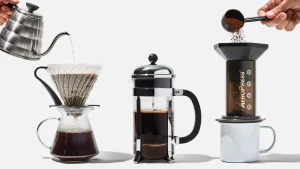
Image Source : Bon Appetit
Make a decision based on your preferences and schedule:
- A drip coffee maker is a simple and effective way to make several cups.
- Pour Over: More control and flavor.
- Espresso Machine: Quick to make concentrated coffee to drink.
- AeroPress: Quick and versatile when preparing for small amount.
- Cold brew: It is smooth and chilled with reduced bitterness.
The best way to start is using the 1:16 ratio of brew to water. For instance, use 30 grams of java with 480 grams of water. To prepare smaller pour-over, you can use 20 grams of java with 320 grams of water.
Regarding brewing temperature, the best is 195-205°F (90-96°C). Start using a digital scale helps to become more consistent during brewing.
If your brew is bitter, then you can make it less bitter by grinding the brew coarsely, using cooler water, or reducing brewing time. In case it is sour, grind the coffee finely, use hotter water, or increase brewing time.
Buying and Storing Coffee
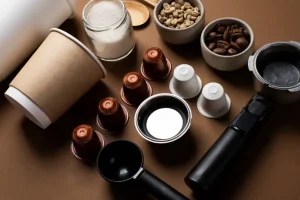
Image Source : Hustle Coffee
Look for the date of roasting, country of origin, kind of bean, roast style, flavor notes, and producer details when purchasing java beans. In addition, you could find the roast date more useful compared to the “best by” date in terms of measuring the freshness of the product.
Keep the beans in an air-tight and opaque container, in a cool and dry place like your cupboard. Make sure you avoid light, humidity, heat and any smell because those factors can ruin the taste. You should start purchase small amounts of beans that would last you a few weeks.
There is no need for you to spend lots of money on getting better quality of java beans. All that you would require is some home basics such as a burr grinder, electronic scale, drip machine or pour-over cone, kettle and air-tight container. If money is limited, a good start would be a French press, manual grinder and timer.
Also important in the third wave coffee roaster industry.
A Simple Daily Coffee Routine

Image Source : Ratio Coffee Machines
To have the perfect cup every day at starting, you should weigh 20 grams of freshly roasted coffee, use 320 grams of water, a medium grind, and water temperature between 200°F (93°C). In case of pour-over, the brewing process should last for three to four minutes.
Taste your brew before making any changes. But make the changes one by one.
Take notes on the type of coffee beans, its roasting date, method of preparing coffee, coffee-to-water proportion, brew time, and taste. Describe the tastes in simple words – sweet, sour, bitter, smooth, light, heavy, fruity, nutty, smoky, etc. Comparing two coffees can be more helpful than remembering the tastes.
Conclusion: Great Coffee without the Price of the cafe
There is no need for you to drink the most expensive coffee in the world, a fancy coffee shop, and expensive machines to drink excellent brew. Whether you love chicory coffee, Nescafe Classic instant coffee, Nescafe Clasico instant coffee, Irish coffee, chocolate cold coffee, or specialty espresso, the basics are always the same.
Even searches like coffee near me, coffee shops near me, coffee cafe near me, Costa Coffee prices, 7 Brew, The Grind, 3rd wave coffee, or Coffee Bean and Tea Leaf always bring to the same question: why does a cup of brew taste so good?
Always begin from fresh java beans, clean water, stable 1:16 ratio, and good grinder. Change your grind before investing in a new brew machine. Also, pay attention to how such statements as black coffee for weight loss have to be interpreted – black java may be calorie free, but it is not a secret weight-loss drink.
It all comes down to slight improvements rather than spending lots of money. After you get to know your beans, brewing method, and your maximum caffeine intake level, an ordinary morning cup of java will be your regular favorite drink.