
The Living Spirit of Bengal

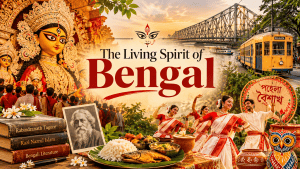
The Living Spirit of Bengal
Introduction The Living Spirit of Bengal
Bengali culture is one of the most colourful and expressive cultural traditions of the Indian subcontinent. Known for its rich literary heritage, soulful music, artistic creativity, delicious cuisine, and vibrant festivals, it reflects a deep connection between people, history, nature, and community. Rooted primarily in the Indian state of West Bengal and Bangladesh, Bengali culture has evolved over centuries while preserving many of its distinctive customs and values.
For Bengalis, culture is not limited to historical monuments, books, or traditional performances. It can be found in the songs heard during the morning, the aroma of freshly prepared fish curry, the excitement of shopping before Durga Puja, and the warmth of sharing sweets with friends and family.
A popular Bengali expression, “Baro Mashe Tero Parbon,” translates to “thirteen festivals in twelve months.” Although it is a traditional expression rather than a literal count, it captures how celebrations are woven into Bengali life throughout the year.
From the grand celebrations of Durga Puja to the cheerful arrival of Poila Boishakh, Bengali festivals bring people together across generations and communities. They preserve traditions, support local artists, and create memories that connect the past with the present.
1. The Historical Roots of Bengali Culture
The cultural identity of Bengal has developed through centuries of interaction among different communities, kingdoms, religious traditions, and artistic movements. Ancient and medieval Bengal experienced the influence of dynasties such as the Palas and Senas, followed by the Bengal Sultanate and Mughal rule. Later, colonial rule and the Bengal Renaissance also influenced the region’s intellectual and artistic development.
These historical experiences helped shape Bengal’s distinctive cultural character. Its traditions reflect a combination of indigenous practices, Hindu and Buddhist philosophical influences, Islamic cultural contributions, and interactions with wider South Asian and global ideas.
The Bengal Renaissance, particularly during the nineteenth and early twentieth centuries, brought significant developments in education, literature, social reform, science, and the arts. Thinkers and reformers such as Raja Ram Mohan Roy and Ishwar Chandra Vidyasagar contributed to important debates about education and social progress.
Bengal also developed a strong tradition of intellectual discussion, political engagement, theatre, and creative expression. Today, this heritage continues through educational institutions, literary gatherings, cultural festivals, cinema, and contemporary artistic movements.
2. Bengali Language and Literature: The Heart of Cultural Identity
The Bengali language, known as Bangla, is one of the most important elements of Bengali identity. Spoken across West Bengal, Bangladesh, and Bengali-speaking communities elsewhere, it connects people through literature, storytelling, poetry, music, and everyday conversation.
Bengali literature has produced many influential writers and poets. Among the most celebrated is Rabindranath Tagore, who won the Nobel Prize in Literature in 1913. His poems, songs, stories, novels, and plays explore humanity, nature, love, spirituality, and society.
Another major literary figure is Kazi Nazrul Islam, popularly known as the Rebel Poet. His poetry and songs express themes of freedom, equality, resistance, and human dignity. Other important writers include Bankim Chandra Chattopadhyay, Sarat Chandra Chattopadhyay, Jibanananda Das, and contemporary authors whose works continue to expand Bengali literature.
Literature also finds expression in children’s stories, folk tales, novels, and the popular tradition of reading magazines and books during leisure time. The annual Kolkata Book Fair, for example, demonstrates the enduring enthusiasm for books and literary discussion.
The importance of language is also reflected in International Mother Language Day, observed on 21 February. The date commemorates the Bengali Language Movement in what was then East Pakistan, now Bangladesh, and has become a worldwide celebration of linguistic diversity.
3. Durga Puja: The Grandest Festival of Bengali Culture
Durga Puja is one of the most prominent cultural celebrations associated with Bengal, especially West Bengal. Usually held in September or October, the festival honours Goddess Durga and celebrates the victory of good over evil.
Preparations begin months before the festival. In Kolkata’s traditional artisan neighbourhoods, including Kumartuli, sculptors create intricate clay idols of Goddess Durga and her family. Community organisers, artists, architects, electricians, decorators, and volunteers work together to transform neighbourhoods into extraordinary festive spaces.
The most recognisable feature of Durga Puja is the pandal, a temporary structure built to house the deity. Some pandals draw inspiration from traditional temples, while others recreate historical buildings, natural landscapes, or contemporary artistic concepts. These installations turn the city into an open-air exhibition of design and creativity.
The principal days include Shashthi, Saptami, Ashtami, Navami, and Dashami. Mahalaya, observed before the main festivities, traditionally marks the beginning of the goddess’s ceremonial arrival in popular Bengali observance.
During the celebrations, families wear new clothes, visit pandals, enjoy traditional meals, watch cultural performances, and spend time with friends. Dhak drumming, devotional songs, lights, and elaborate decorations contribute to the festive atmosphere.
On Vijaya Dashami, the idols are taken in processions for immersion, symbolising farewell and the cyclical return of the goddess.
In 2021, UNESCO inscribed Kolkata’s Durga Puja on its Representative List of the Intangible Cultural Heritage of Humanity. This recognition highlights the festival’s combination of religion, public art, traditional craftsmanship, and community participation.
Durga Puja also creates opportunities for artisans, small businesses, food vendors, performers, and local industries. Its significance extends beyond religious devotion: it represents creativity, belonging, and the shared cultural identity of Bengal.
4. Poila Boishakh: Welcoming the Bengali New Year
Poila Boishakh, also known as Pohela Boishakh, marks the first day of the Bengali calendar. Celebrated in mid-April, it is a festival of renewal, prosperity, and hope.
People often begin the day by wearing traditional clothing, visiting places of worship, meeting relatives, and enjoying special meals. Cultural programmes featuring Bengali songs, poetry, dance, and processions are organised in many communities.
A notable business tradition is Halkhata, in which traders ceremonially open new account books and welcome customers. Shops may distribute sweets and greetings as they begin a new financial or accounting cycle.
Food is an essential part of the celebration. Families may prepare elaborate Bengali lunches featuring rice, fish, vegetables, and sweets. Markets become lively as people purchase new clothes, gifts, and festive ingredients.
Although customs differ between West Bengal and Bangladesh, Poila Boishakh serves as an important symbol of Bengali linguistic and cultural identity. It reminds people to honour their roots while welcoming fresh opportunities.
5. Saraswati Puja: A Celebration of Learning and Creativity
Saraswati Puja is particularly popular among Bengali students, teachers, artists, and educational institutions. Dedicated to Goddess Saraswati, who is associated with knowledge, music, and the arts, the festival places education and creativity at its centre.
Schools, colleges, and homes arrange worship ceremonies, decorate their surroundings, and offer flowers and prayers. Books, notebooks, and musical instruments are sometimes placed near the deity as a symbolic expression of respect for learning.
Yellow is commonly associated with the celebration because of its connection with spring, brightness, and renewal. Many young people wear traditional yellow or white outfits and gather with friends at schools, colleges, and community events.
For students, Saraswati Puja is often a particularly memorable occasion because it combines religious traditions with friendship, cultural activities, and youthful enthusiasm.
The festival reflects an important value within Bengali society: the belief that knowledge, artistic expression, and intellectual curiosity deserve respect and encouragement.
6. Kali Puja, Lakshmi Puja, and Other Religious Celebrations
Bengal’s festival calendar includes many other important celebrations.
Kali Puja honours Goddess Kali and often coincides with Diwali. Homes, temples, and public spaces are decorated with lights, while communities participate in worship and festive gatherings. The festival carries spiritual meanings associated with divine power and the overcoming of darkness.
Lakshmi Puja is associated with prosperity, good fortune, and well-being. Families decorate their homes, prepare offerings, and pray for happiness and abundance. In Bengal, Kojagori Lakshmi Puja is especially associated with the full-moon night following Durga Puja.
Jagaddhatri Puja is another important celebration, particularly in places such as Chandannagar and Krishnanagar. It is known for its beautifully decorated idols and elaborate lighting displays.
Rath Yatra, the chariot festival associated with Lord Jagannath, is also celebrated in different parts of Bengal. Religious processions, community gatherings, and traditional fairs make it an important occasion in many localities.
Bengal’s cultural life also includes Eid-ul-Fitr, Eid-ul-Adha, Christmas, Buddha Purnima, and other religious celebrations. These occasions reflect the contributions of different communities to the region’s social and cultural fabric.
The ways people celebrate vary according to religion, locality, and family tradition, but shared meals, hospitality, community participation, and festive greetings are common features of many occasions.
7. Seasonal Festivals: A Celebration of Nature and Rural Life
Bengali traditions are closely connected to the changing seasons and agricultural cycles.
Basanta Utsav, or the festival of spring, celebrates the arrival of warmer weather, colourful flowers, and renewed life. Shantiniketan is especially associated with a distinctive celebration featuring music, dance, poetry, and colourful clothing. The festival reflects the artistic traditions inspired by Rabindranath Tagore.
Nabanna celebrates the new harvest, particularly newly harvested rice. Traditionally associated with rural Bengal, it brings families together to prepare dishes using fresh agricultural produce and express gratitude for the harvest.
Poush Sankranti, celebrated around the winter transition, is associated with traditional sweets known as pithe and puli. These delicacies may be prepared using rice flour, coconut, milk, and date-palm jaggery. Different families and regions have their own recipes.
Poush Mela, held in Shantiniketan, combines crafts, folk music, cultural performances, and local commerce. Visitors can explore traditional textiles, handmade products, and regional food.
These seasonal festivals demonstrate that Bengali culture is not confined to urban celebrations. It is equally rooted in village life, agriculture, traditional knowledge, and the relationship between people and the natural environment.
8. Bengali Food: A Delicious Expression of Tradition
Food is one of the most recognisable expressions of Bengali culture. Bengali cuisine is known for its variety, distinctive flavours, seasonal ingredients, and careful balance of spices.
Rice is a staple food, commonly accompanied by dal, vegetables, fish, and other preparations. Fish occupies a prominent place in many Bengali culinary traditions, with hilsa being particularly celebrated. Mustard seeds, mustard oil, poppy seeds, and a variety of spices contribute to the distinctive flavours of regional dishes.
A traditional meal may begin with shukto, a mildly bitter vegetable preparation, followed by rice, dal, fried vegetables, fish or meat, chutney, and sweets. Meals vary according to region, household customs, religious practices, and personal preferences.
Bengal is also famous for its sweets. Rosogolla, sandesh, mishti doi, and numerous regional delicacies are enjoyed during festivals and family occasions. Seasonal pithe and puli are especially popular during winter celebrations.
Food plays a major role in Durga Puja, Poila Boishakh, weddings, and family gatherings. Community kitchens and food stalls add to the festive atmosphere, while sharing meals strengthens social bonds.
In Bengali culture, offering food to guests is an important expression of hospitality. The cuisine therefore represents more than culinary skill: it expresses affection, tradition, and the joy of being together.
9. Music, Dance, Theatre, and Traditional Art
Bengal has a rich tradition of musical and performing arts.
Rabindra Sangeet, the songs written and composed by Rabindranath Tagore, occupies a special place in Bengali cultural life. These songs explore nature, love, devotion, patriotism, and human emotion. Nazrul Geeti, associated with Kazi Nazrul Islam, is equally significant for its themes of freedom, spirituality, and equality.
Folk traditions add another dimension to Bengali music. Baul singers are known for philosophical songs exploring spirituality and the search for truth. Bhawaiya music, associated particularly with northern Bengal and neighbouring regions, expresses the emotions and experiences of rural life. Jatra, a traditional form of popular theatre, combines dramatic storytelling, music, and performance.
Bengal’s visual arts and crafts are equally distinctive. Kantha embroidery transforms simple stitching into decorative textiles, while Bengal’s Patachitra traditions use painted images to tell stories from mythology, folklore, and everyday life. Terracotta art, clay sculpture, traditional mask-making, and handloom weaving showcase the skills of local craftspeople.
Traditional textiles, including Baluchari and other regional handloom sarees, are often worn during festivals and important family occasions.
These artistic practices preserve cultural knowledge while creating livelihoods for artisans and performers. They also influence contemporary fashion, interior design, cinema, and visual communication.
10. Traditional Clothing and Bengali Weddings
Traditional clothing remains an important part of Bengali celebrations. Many women wear sarees, including white sarees with red borders during certain festive occasions. Men may choose kurta-pajamas, dhotis, or other traditional outfits.
Modern Bengali fashion blends traditional textiles and designs with contemporary styles. Young people often wear ethnic clothing during festivals while choosing modern casual or formal wear for everyday life.
Bengali weddings are another important expression of cultural heritage. Wedding customs may include the aiburo bhaat, a ceremonial meal before marriage; the bride’s traditional attire; the shubho drishti, when the bride and groom exchange their first ceremonial glance; and rituals such as sindoor daan in Hindu weddings. Customs differ among communities, and not every wedding follows the same sequence.
Food, music, family participation, and elaborate decorations play a central role in many wedding celebrations. These traditions turn marriage into a community event that brings relatives and generations together.
11. Bengali Culture in the Modern World
Bengali culture continues to evolve while maintaining its historical foundations. Modern cinema, digital media, contemporary literature, photography, fashion, and independent music provide new ways to express traditional ideas.
Festivals increasingly combine traditional rituals with creative installations, environmental themes, accessible public spaces, and modern technology. Social media enables people living outside Bengal to participate virtually in celebrations and remain connected with family traditions.
At the same time, preserving cultural heritage requires attention to local languages, traditional crafts, folk music, and the livelihoods of artisans. Sustainable festival practices, responsible waste management, and the use of environmentally appropriate materials are increasingly important considerations.
Bengali culture is therefore not simply a collection of old customs. It is a living and changing tradition that adapts to new circumstances while continuing to value language, creativity, community, and belonging.
Conclusion: A Heritage That Brings People Together
Bengali culture is a rich combination of history, language, literature, music, art, cuisine, and festivals. From the spectacular pandals of Durga Puja to the hopeful celebrations of Poila Boishakh, each occasion carries its own stories, emotions, and traditions.
Its true beauty lies not only in its grand celebrations but also in everyday life: the songs people sing, the books they read, the food they share, the crafts they preserve, and the relationships they nurture.
Bengal’s festivals bring communities together, support generations of artists and craftspeople, and provide opportunities for younger people to understand their heritage. They also demonstrate that cultural identity can remain strong while welcoming change and respecting diversity.
Ultimately, Bengali culture is a living celebration of creativity, hospitality, resilience, and togetherness. Its traditions continue to connect the past with the present, making Bengal’s cultural heritage an enduring and treasured part of India’s diversity and the wider world.