What Makes Sustainable agriculture Tough for Small Farmers

1. Soil and Water Challenges
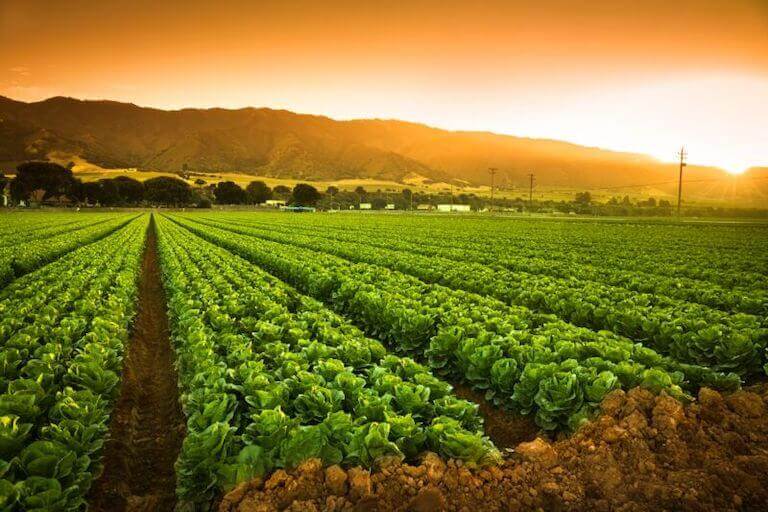
Healthy soil is the backbone of sustainable agriculture, yet 1.5% of India’s farmland soil is lost annually. Combine that with water scarcity, affecting 60% of Indian farmers, and erratic rainfall, and the problem worsens. Most farmers guess because they often have no reliable soil and water data. just because of this sustainable farming is not possible.
Img source: escoffer
Actionable takeaway:
Track rainfall patterns with the Gramik AgriTech app and get early warnings to plan irrigation schedules in order to avoid water stress.
2. High Costs of Chemicals and Crop Waste
In Nigeria, farmers spend an average of 30% of their income on pesticides. These chemicals degrade the soil over time and often do not ensure long-term solutions. Poor planning leads to 20–30% crop waste, eating into profit.
Take Raj from Maharashtra-he lost 25% of his harvest due to pests in 2023 because he did not know the early signs of an infestation.
This is where the features for pest control within the Gramik app get real value: early detection, targeted treatment, and eco-friendly solutions which reduce costs without compromising the land and improve sustainable agriculture.
3. Lack of Data and Knowledge Gaps
In the words of agronomist Dr. Priya Singh, “Farmers need real-time info, not guesswork.” But even today, 70% of small farmers do not have access to soil tests, according to a survey in 2025.just because of this sustainable farming is not possible for farmers.
A small farm group tackled the same problem in Punjab, until Gramik helped them conduct scans of soil and nutrients at economical rates. Their story illustrates how technology can bridge knowledge gaps to bring scientific farming to remote areas.
Key Features of Gramik AgriTech for Green and sustainable agriculture
Img source: gramik
1. Smart Soil Testing and Personalized Advice for sustainable agriculture
The Gramik app has soil health tracking tools that allow farmers to scan soil using a smartphone camera, and AI provides detailed nutrient insights along with personalized fertilizer recommendations. This feature alone helps farmers decrease the use of fertilizers by 20–35%, promotes soil health, and reduces costs.
Quick takeaways:
- Test soil every week with the app’s scan tool
- Follow the organic mix and fertilizer tips of the app for eco-friendly nutrient management.
2. Water-Saving Irrigation Tools
Among the strongest features of Gramik is water management. Water-saving tools included in the Gramik Agritech application predict irrigation needs using real-time weather and moisture data. Farmers save 30–50% of water and avoid over-watering.
It also provides crop-specific drip irrigation schedules for rice, cotton, and sugarcane. One farmer from Karnataka said he had more improvement in sustainable farming and he saved ₹15,000 every year after following the irrigation advice given by the app.
3. Eco-Friendly Pest Alerts for sustainable agriculture
The AI-powered pest scanner of the app can identify bugs from a photo and recommend natural remedies like neem sprays instead of using heavy chemicals.
For sustainable farming Farmers using such sustainable pest control tools on Gramik have witnessed a 40% decrease in pesticide use, hence resulting in cost reduction and improved soil health.
Real Farmer Success Stories with Gramik
1. Village Co-op Increases Yields by 28%
In Uttar Pradesh, a cooperative of 50 farmers used Gramik to monitor soil, track water, and optimize crop rotation. Their yields increased by 28% in 2024. The group leader shared with us: “Gramik showed us waste spots we never noticed before.”
2. Solo Farmer Beats Drought With Smart Planning
Lakshmi of Tamil Nadu applied the sprinkler and irrigation guides provided through the app. It reduced water use by 45%. The yield increased from 2 to 4.5 tons per acre.
Her secret?
- The app forecast rain, so
- Checking soil moisture maps
- Watering frequency adjustment
3. Group Efforts Improve Local Biodiversity
A farming collective in Madhya Pradesh followed Gramik’s crop rotation and covercrop advice. Over the next year, bird and insect life increased 15%, which improved pollination and natural pest control.
Pro tip:
- use the group chat feature to share tips and track joint progress via the app.
- Actionable Steps to Start Using Gramik for Sustainable agriculture.
1. Download and Setup the Basics
The Gramik AgriTech App is free on Android. It takes just five minutes to setup your farm profile.
Checklist
- Link your farm with GPS
- Add crop and soil type
- Connect to the closest weather station
- Calibrate your camera to scan soil and pests
2. Building Daily Habits
- Check app alerts morning and evening
- Log weekly yields to build a timeline of data
- Join community forums for local recommendations.
This approach helps to improve both short-term yield and long-term soil health. as a result sustainable farming will flourish.
3. Measure Your Wins and Expand
Water saved, chemical reductions, yield improvements, and profit changes can be viewed inside the Gramik app dashboard. Aim for at least 20% reductions in inputs in your first season. “Data beats tradition every time,” explains the developer of Gramik.
Conclusion
Sustainable agriculture is a dream transformed into a reality in the fields of India by technology. The Gramik AgriTech app enables farmers to reduce costs, increase yields, maintain soil health, save water, reduce chemicals, and plan for better sustainable farming. With sustainable agriculture lasting twice as long, the future belongs to those who can adopt smart tools early.