Minimalist Jewellery Is the New Favourite Among Young Indians

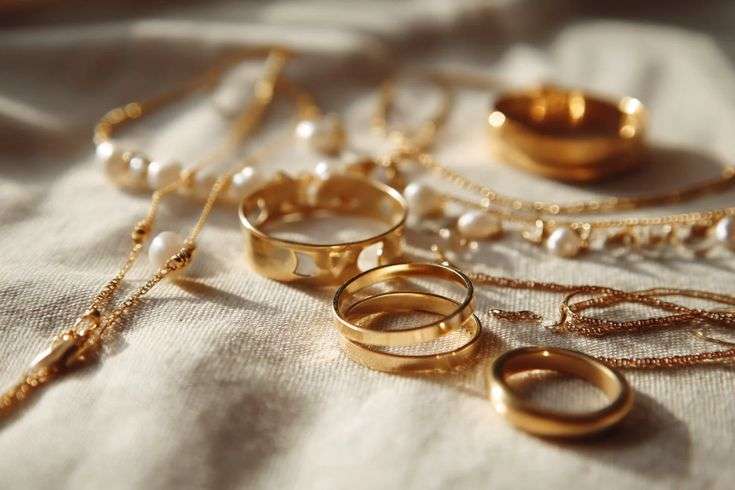 Image Source – www.tinsonwebuygold.com
Jewellery has changed, Chunky statement pieces are giving way to thin gold chains, tiny studs, and rings so delicate you almost miss them. This isn’t a passing phase — it’s how an entire generation is redefining what jewellery is for.
For many young Indians, jewellery has moved beyond weddings and festivals.. It’s become part of the daily outfit, something worn to college, to work, on a coffee date, or just because it feels nice. And the pieces leading that shift are almost always minimal.
What Do We Even Mean by “Minimalist Jewellery”?
Nothing complicated, really. Think thin bands instead of chunky rings, small pendants instead of elaborate necklaces, tiny hoops instead of statement earrings. The whole idea is that less detail can still say a lot — the design does its job through clean lines and proportion rather than size or sparkle.
What makes these pieces so practical is how easily they move between contexts. The same delicate chain that goes with your kurti on Monday can sit just as well with a plain white shirt on Wednesday. That kind of flexibility is hard to get from bigger, louder jewellery.
So Why the Shift towards minimal Jewellery ?
It actually fits into daily life. Most people don’t want to save their jewellery for “special occasions” anymore — they want to wear it, period. A slim ring or a small pendant slips into an everyday outfit without turning it into a costume. And because the pieces are simple, they’re easy to mix, stack, and layer however you like.
It bridges two worlds.Indian fashion keeps its cultural roots while embracing new flexibility. A small gold pendant looks just as at home with a saree as it does with jeans. That in-between quality is exactly what a lot of younger shoppers are after: something that feels rooted but not old-fashioned.
It means something personal. There’s a growing pull toward jewellery that says something about the wearer, rather than just looking expensive. Birthstones are a big part of that. Garnet for January, amethyst for February, emerald for May, sapphire for September, opal or tourmaline for October, citrine or topaz for November — people are choosing stones tied to their birth month, a loved one’s, or just a colour they’re drawn to. It gives an otherwise simple piece a story.
Coloured Jewellery Are Having a Moment
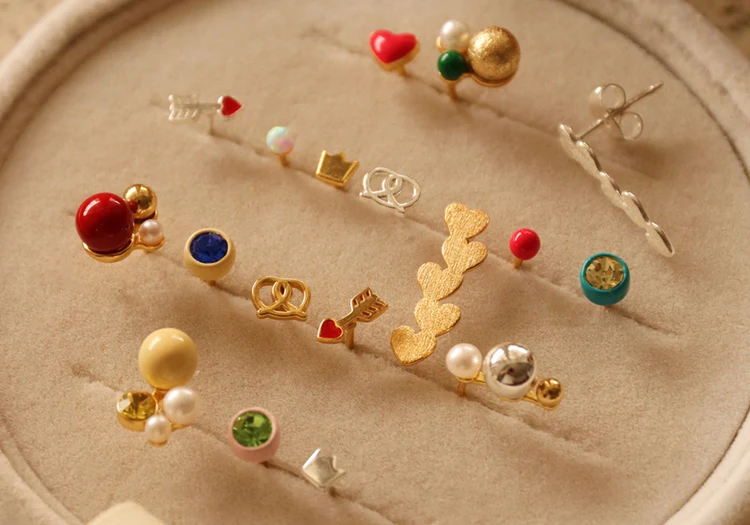
Diamonds aren’t going anywhere, but a lot of buyers are branching out into colour. An emerald set into a plain gold band, or a soft, cloudy opal on a thin ring — these bring in personality without tipping the whole look into “extra.” It’s less about following one trend and more about picking something that actually feels like you.
Image source – Pintarest
Even Diamonds Are Getting Quieter
Diamonds used to mean big, showy engagement rings. That’s changing too. Small studs, a single stone on a thin band, a barely-there solitaire pendant — these are now just as popular, if not more, among people who want the diamond without the drama.
Shape matters more than people realise here. A round-cut stone reads completely differently from an oval or a marquise, even at the same size. For someone building a minimal collection, that choice of shape is often where the personality actually shows up.
Making It Work With Your Wardrobe
A few easy combinations that tend to work:
- For college: small hoops, a thin chain, one simple bracelet
- For the office: a slim ring, small studs, a subtle pendant
- For casual days: two or three delicate necklaces layered over a plain tee
- For traditional outfits: minimal gold pieces with a saree or lehenga
- For a date: a small diamond pendant or a single gemstone ring
The trick isn’t really about rules — it’s about letting the jewellery support the outfit instead of competing with it.
Social Media Changed How We Shop for This Stuff
It’s hard to talk about this trend without mentioning Instagram and P interest. Scroll through either for five minutes and you’ll see the same aesthetic everywhere: delicate necklaces, stacked rings, tiny hoops. These pieces photograph beautifully, which isn’t a small thing — a lot of buying decisions now start with “I saw this online and wanted it.”
Content creators have also changed the conversation from what to buy to how to wear it. The same ring styled five different ways in five different reels does more to sell a piece than a product photo ever could.
Buying jewellery Online Has Gotten Easier To
Fewer people are walking into three or four stores before deciding anymore. It’s simpler to browse designs, compare prices, and read reviews from your phone first. That said, plenty of people still search things like “jewellery near me” before finalising a purchase — online research followed by an in-person look is still pretty common, especially for anything with real gemstones or diamonds involved.
Whatever route you take, it’s worth checking the basics: what the metal actually is, whether stones are natural or lab-grown, if there’s any certification involved, and what the return policy looks like.
A Quick Checklist Before You Buy
- Material — solid gold, gold-plated, sterling silver, or something else?
- Gemstones — natural, lab-grown, or treated?
- Diamonds — check the stone’s details and certification if it applies
- Comfort — will you actually want to wear this daily?
- Versatility — does it work with more than one kind of outfit?
- The seller — clear descriptions, honest reviews, a real return policy
None of this is complicated, but skipping it is how people end up with jewellery they never wear.
Where This Is Headed
This isn’t really a trend that’s going to fade — it reflects a genuine shift in how people think about getting dressed. There’s more interest now in pieces that mean something, that get worn often, and that don’t scream for attention. Birthstones, coloured gems, quieter diamonds — they all fit into that same idea.
Traditional Indian jewellery isn’t disappearing either. If anything, it’s evolving alongside this minimalist wave rather than being replaced by it.
A Few Common Questions
Is minimalist jewellery okay for everyday wear? Generally, yes — lightweight pieces are built for exactly that. Just pay attention to the material and any gemstones involved so they hold up over time.
How do I pick a birthstone? Go by your birth month, or honestly, just pick whatever colour you like. Garnet (January), amethyst (February), emerald (May), sapphire (September), opal (October), and citrine or topaz (November) are the common ones.
Is minimal diamond jewellery actually worth it? If you want something you’ll wear often rather than save for special occasions, it can make a lot of sense. Just compare the stone quality, metal, and certification before deciding.
What’s the easiest way to style it? Wear one piece alone for something clean and simple, or layer a couple of compatible pieces for more personality. Either way works with Indian and Western outfits alike.
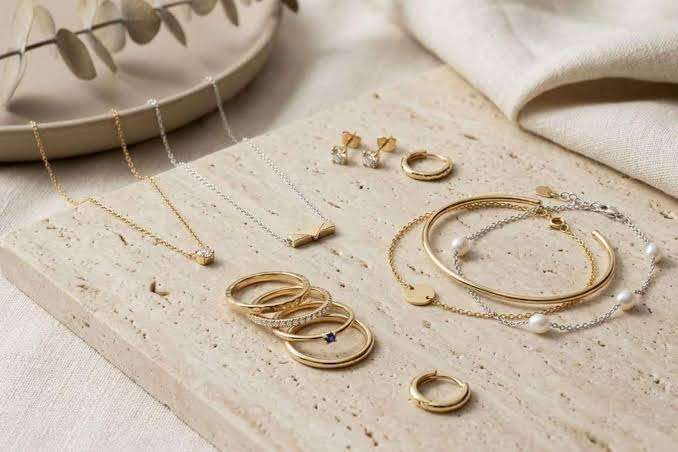
Image source – Pintarest
The Short Version
Minimalist jewellery has caught on with young Indians because it does something bigger pieces often can’t — it fits into real, everyday life. Whether it’s a birthstone with a story behind it, a coloured gem that feels like you, or a diamond quiet enough to wear on a Tuesday, the appeal comes down to the same thing: it lets people express themselves without overdoing it.