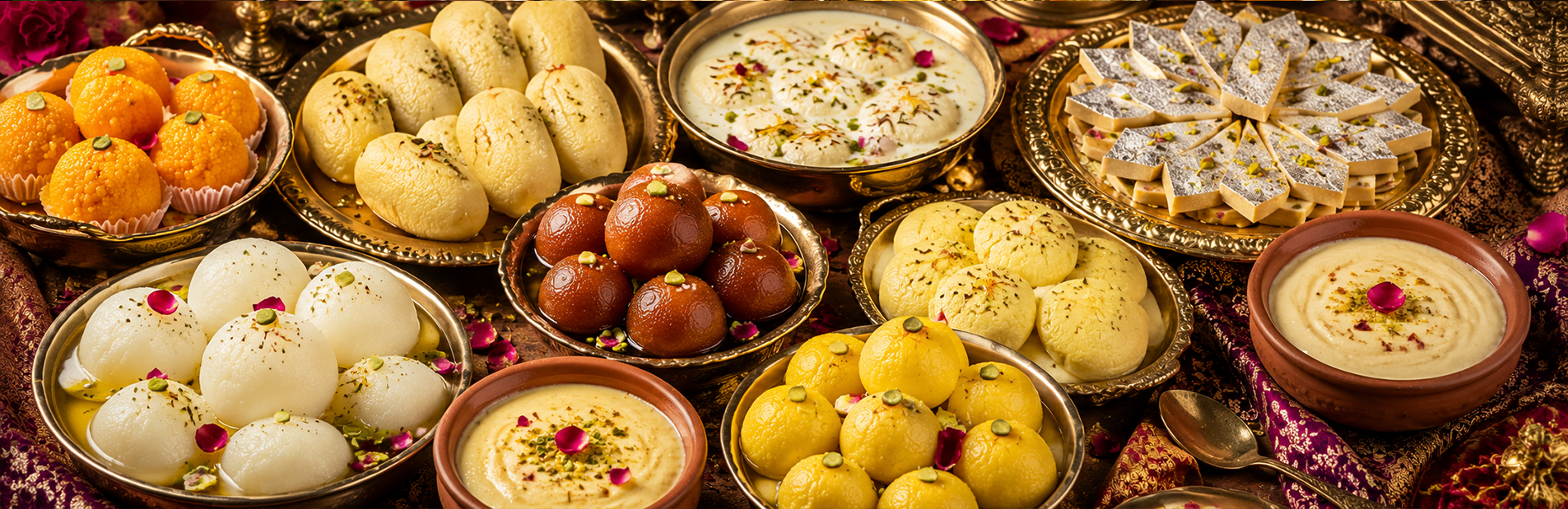
Bengali Mithai: Famous Traditional Desserts Guide

Discover famous Bengali mithai and traditional desserts, from nolen gur rosogolla to sandesh, and explore their rich history, flavours, and sweet traditions.
Why Bengali Mithai Are Different
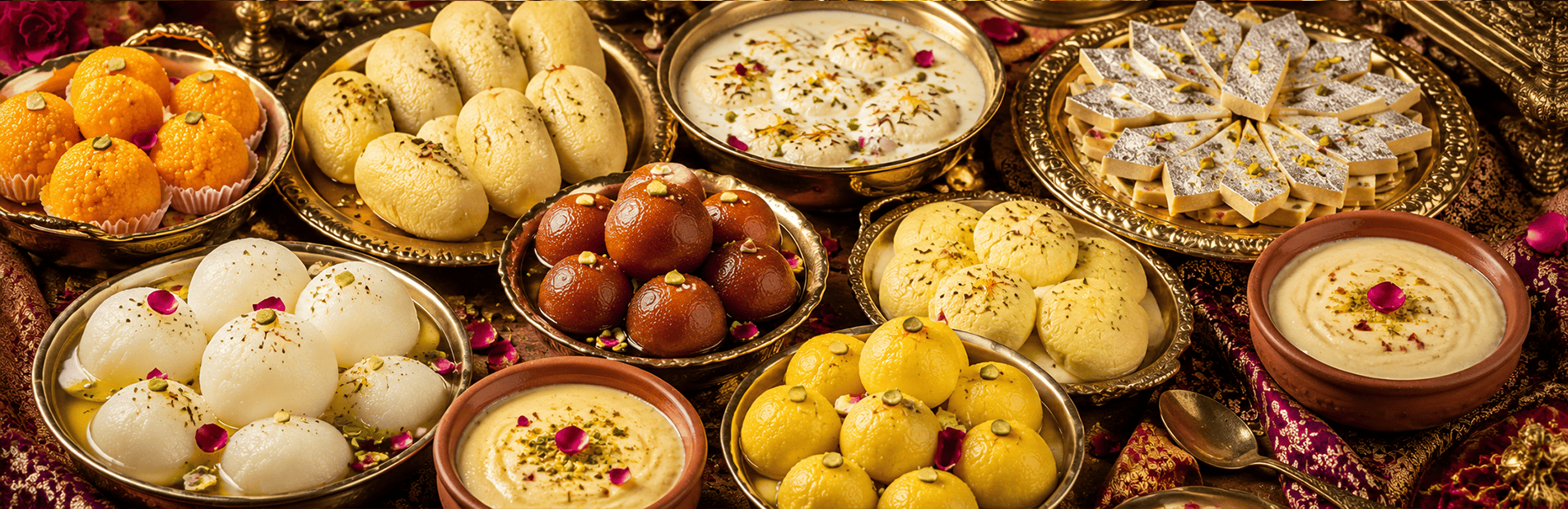
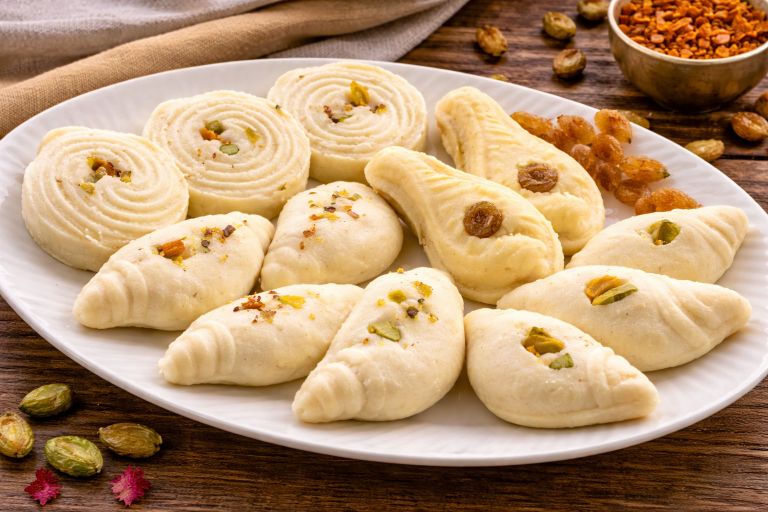
Image Source : www.bengalisweet.ca
Much of North India’s traditional desserts relies on khoya (reduced milk solids). Bengal’s signature bengali mithai are built on chhena, fresh cottage cheese made by curdling warm milk with lemon juice or whey. However historians often link this craft to Portuguese influence in the region, as traditional Hindu custom once considered curdled milk impure for offerings. Whatever the exact origin, Bengali confectioners (moiras) turned chhena into an art form. Because softness, delicate sweetness, and texture are everything.
The other hero ingredient example is nolen gur, date palm jaggery tapped in winter. Its smoky, caramel-like aroma gives seasonal sweets a flavour that refined sugar simply cannot imitate.
The Classics You Must Try
1.Rosogolla
The most famous of them all, because soft chhena balls are simmered in light sugar syrup until they turn spongy and juicy. Nabin Chandra Das of Kolkata is widely credited with popularising it in the 1860s, and his son Krishna Chandra Das later introduced the canned version that carried it across India. In 2017, West Bengal received a Geographical Indication (GI) tag for “BanglarRosogolla,” however Odisha also holds its own GI for “Odisha Rasagola,” a distinct variety. A good rosogolla should squeak between your teeth and release syrup when pressed gently.
2. Sandesh
If rosogolla is the celebrity, sandesh is the artist, because fresh chhena is kneaded with sugar or jaggery and moulded into shells, flowers, fish, and conch shapes. Varieties for example include kora pak, nolen gurer sandesh, jol bhora, and abar khabo.Sandesh is where a moira’s skill shows most. However you can taste whether the chhena was fresh or stale.
3. Mishti Doi
Sweetened yoghurt set in earthen pots, traditionally caramelised with burnt sugar or date jaggery. The clay absorbs excess moisture, giving a thick, creamy set and a faint earthy note. However this bengali mithai is the classic end to a festive Bengali meal.
4. Pantua and Ledikeni
Pantua is a deep-fried chhena-and-semolina dumpling soaked in syrup, often compared to gulab jamun but softer and less dense. Its cousin, ledikeni, is said to have been created by confectioner Bhim Chandra Nag in honour of Lady Canning’s 1856 visit to Calcutta, hence the name.
5. Chomchom
Oblong, slightly firm, and often coated with grated khoya or coconut. The version from Porabari (now in Bangladesh) is legendary, but Kolkata’s sweet shops make excellent ones too.
6. Mihidana and Sitabhog (Bardhaman)
These two tiny, delicate sweets from Bardhaman earned a GI tag in 2017. Mihidana looks like boondi made from fine gram flour and rice flour, however Sitabhog resembles rice grains blended with small gulab jamun-like balls.
7. Joynagarer Moa
This winter specialty from Joynagar in South 24 Parganas is made of puffed rice, nolen gur, and khoya. It carries a GI tag too. You’ll find it everywhere from December to February, and its aroma alone tells you winter has arrived.
8. Langcha
Named after the Bengali word for “limping” (the story goes that its creator walked with a limp), Langcha from Shaktigarh near Bardhaman is a fried, syrup-soaked, oblong sweet with a caramelised crust and soft centre.
Traditional Desserts Beyond the Bengali Mithai Shop
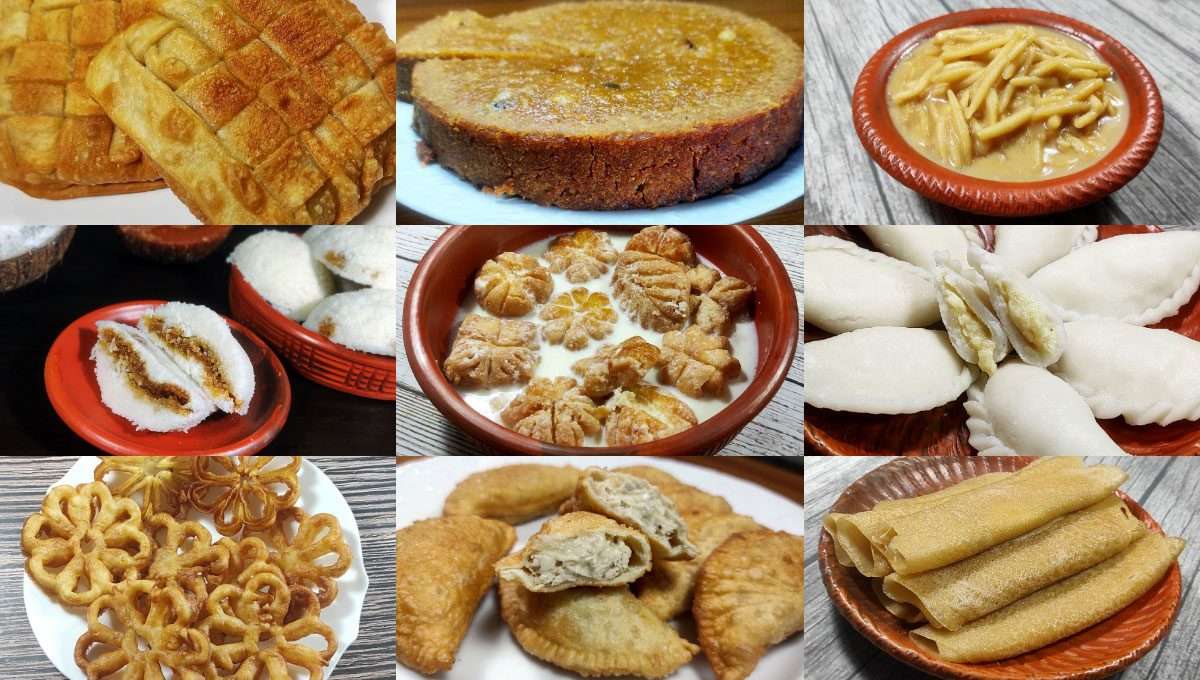
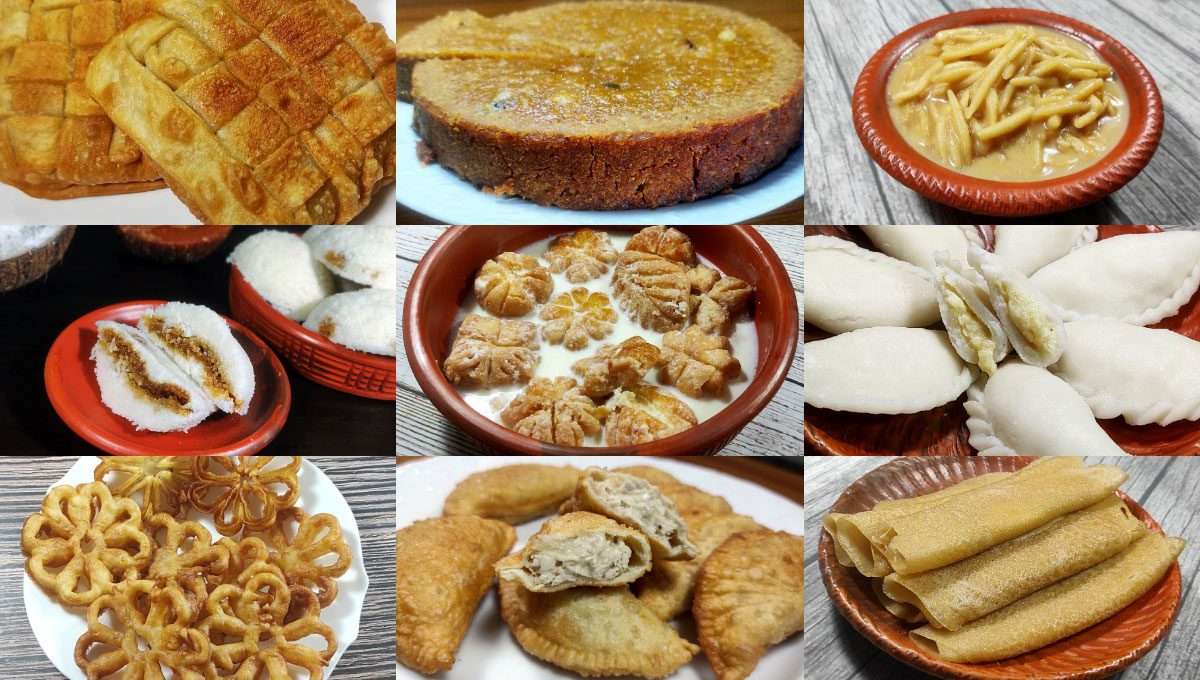
Image Source : Cookish Creation
Not everything comes from a moira’s counter. Home kitchens carry their own treasures:
Patishapta: Thin rice-flour crepes filled with coconut and nolen gur or khoya, a Poush Sankranti must.
Payesh: Rice (preferably aromatic Gobindobhog) slow-cooked in milk, sweetened with jaggery or sugar. It’s the dish served on birthdays.
Pithe: A family of rice-flour treats like puli pithe and bhapa pithe, steamed or fried and filled with coconut and jaggery.
Malpua: Pancake-like fried sweets dipped in syrup, often served with rabri.
Chhanar Jilipi: Chhena-based cousin of jalebi, softer and less crisp.
Kheer Kodom: A khoya-coated sweet with a chhena centre, named after the kadam fruit it resembles.
When to Eat What: A Seasonal Guide
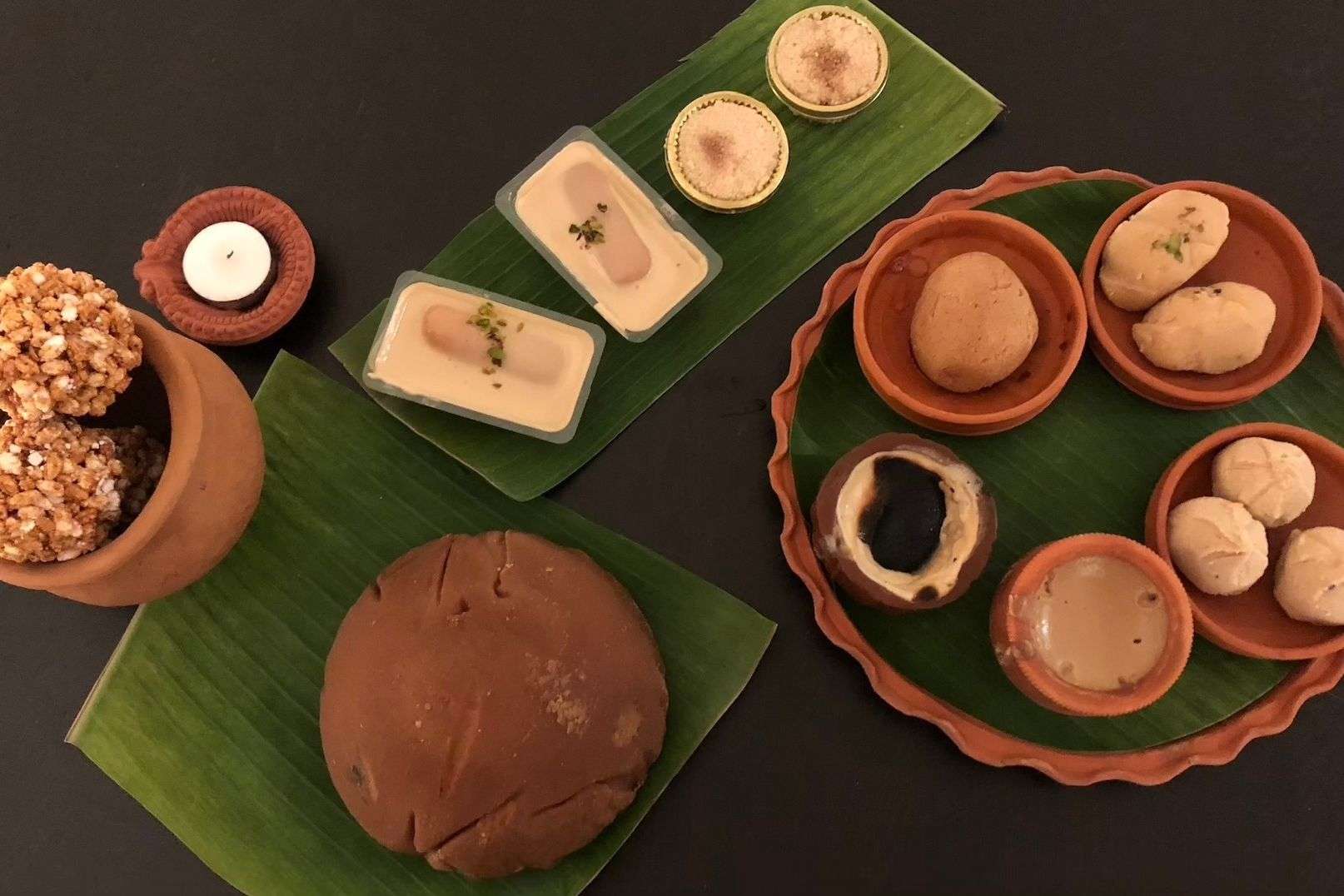
Image Source : Conde Nast Traveller India
Season : Sweets to Look For
Winter (Dec to Feb) :Nolen gurersandesh, rosogolla, Joynagarer moa, patishapta
Durga Puja (Autumn) : Sandesh, rosogolla, nadu, narkel naru
Summer : Mishti doi, chilled rosogolla, lassi-style sweets
Year-round : Pantua, chomchom, langcha, payesh
How to Spot a Quality Bengali Mithai Shop
After years of eating, comparing, and sometimes being disappointed, here’s what I look for:
Fresh chhena smell: It should smell milky, never sour.
Syrup clarity: Cloudy, thick syrup often signals reused or old batches.
Texture check: Rosogolla should spring back when pressed. Sandesh should be soft but hold its shape.
Turnover: A busy shop means fresher stock. Ask what was made this morning.
Heritage shops: Names like K.C. Das, Nakur, Bhim Chandra Nag, and Balaram Mullick have decades of reputation, though always trust your own taste over any name.
Storage and Safety Tips for Bengali Mithai
However Chhena-based bengali mithai are perishable traditional desserts. Most are best eaten within one to two days and should be refrigerated if kept longer. Bring them to room temperature before serving to restore their soft texture. For example if a sweet smells sour or the syrup looks foamy, discard it. When in doubt, don’t risk it.
Frequently Asked Questions
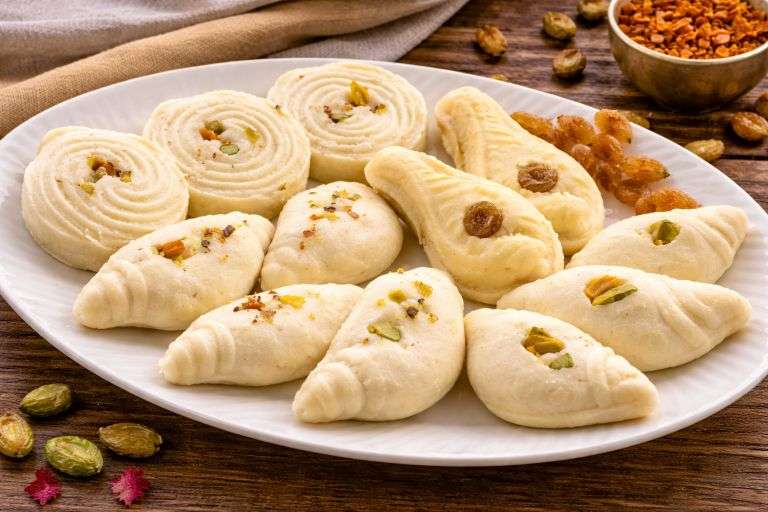
Image Source : The Food Travellers
Which Bengali mithai is best for gifting?
A mixed box of sandesh and rosogolla is the safest, most loved choice. For winter, add nolen gur varieties.
Are Bengali mithai less sugary than other Indian mithai?
Generally, yes. Many are lightly sweetened, which is why you can often eat more than you planned.
Can diabetics enjoy Bengali mithai?
Occasionally and in small portions, though sugar content varies. Anyone managing diabetes should consult their doctor first. However sugarless versions of sandesh are also available in some stores.
Conclusion
However Bengali mithai mean more than just sugar and milk. These sweets have a history and tradition behind them that dates back several centuries. Every sweet tells a different story depending on how you experience it. Example you could be enjoying a hot pantua from the roadside, or nolen gurer sandesh shared among family in wintertime. Enjoy the tradition and choose from the classics and regional favorites.