
EV Cars in India: Price, Range, Features & Benefits

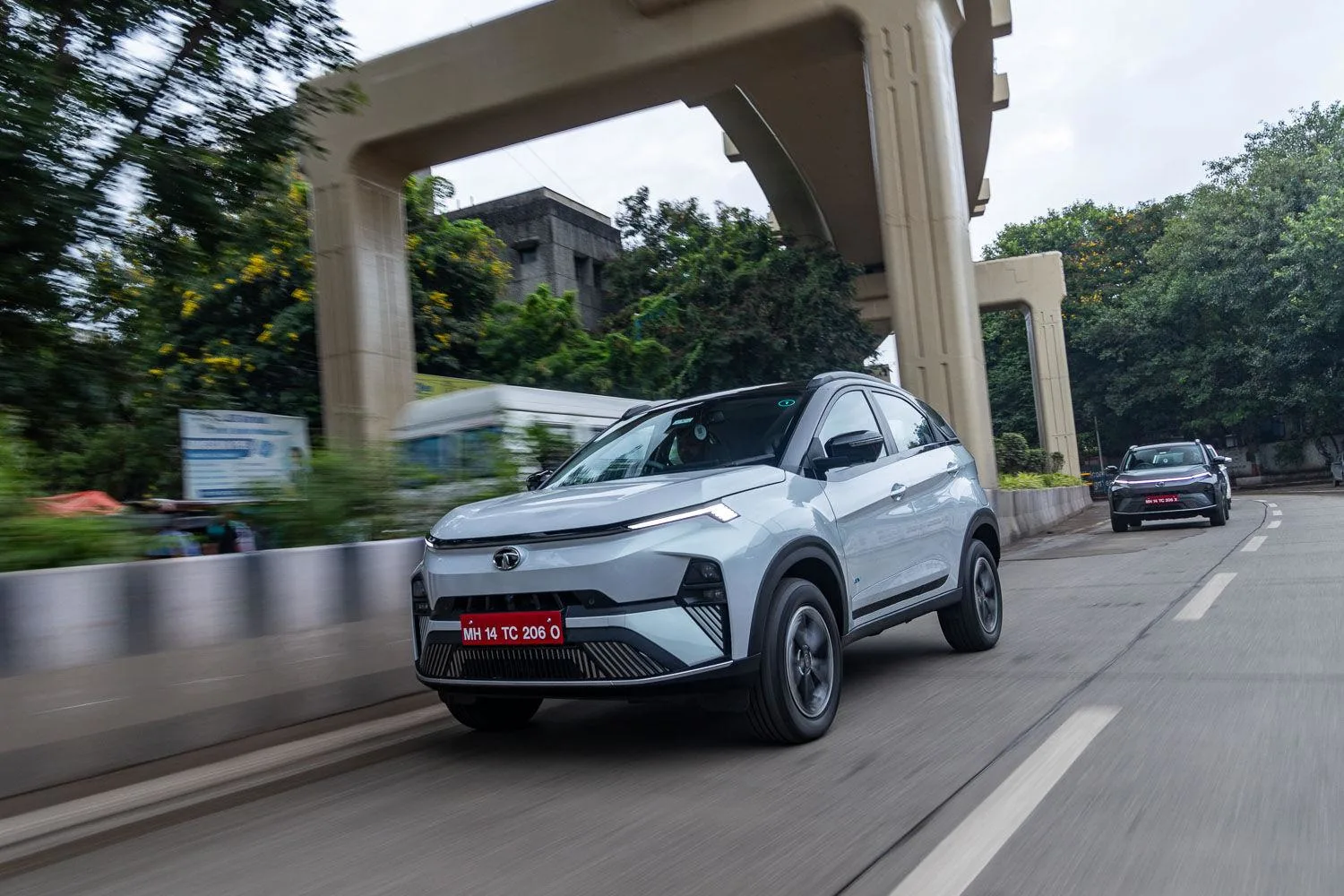
EV cars have gone from a novelty to a real shopping option for Indian families. Visit a showroom today and you’ll see electric hatchbacks, compact SUVs and premium models parked beside their petrol and diesel rivals. If you’re unsure whether one fits your budget and your daily drive, this guide explains EV price, EV range, charging and EV features in plain language.
What Are EV Cars?
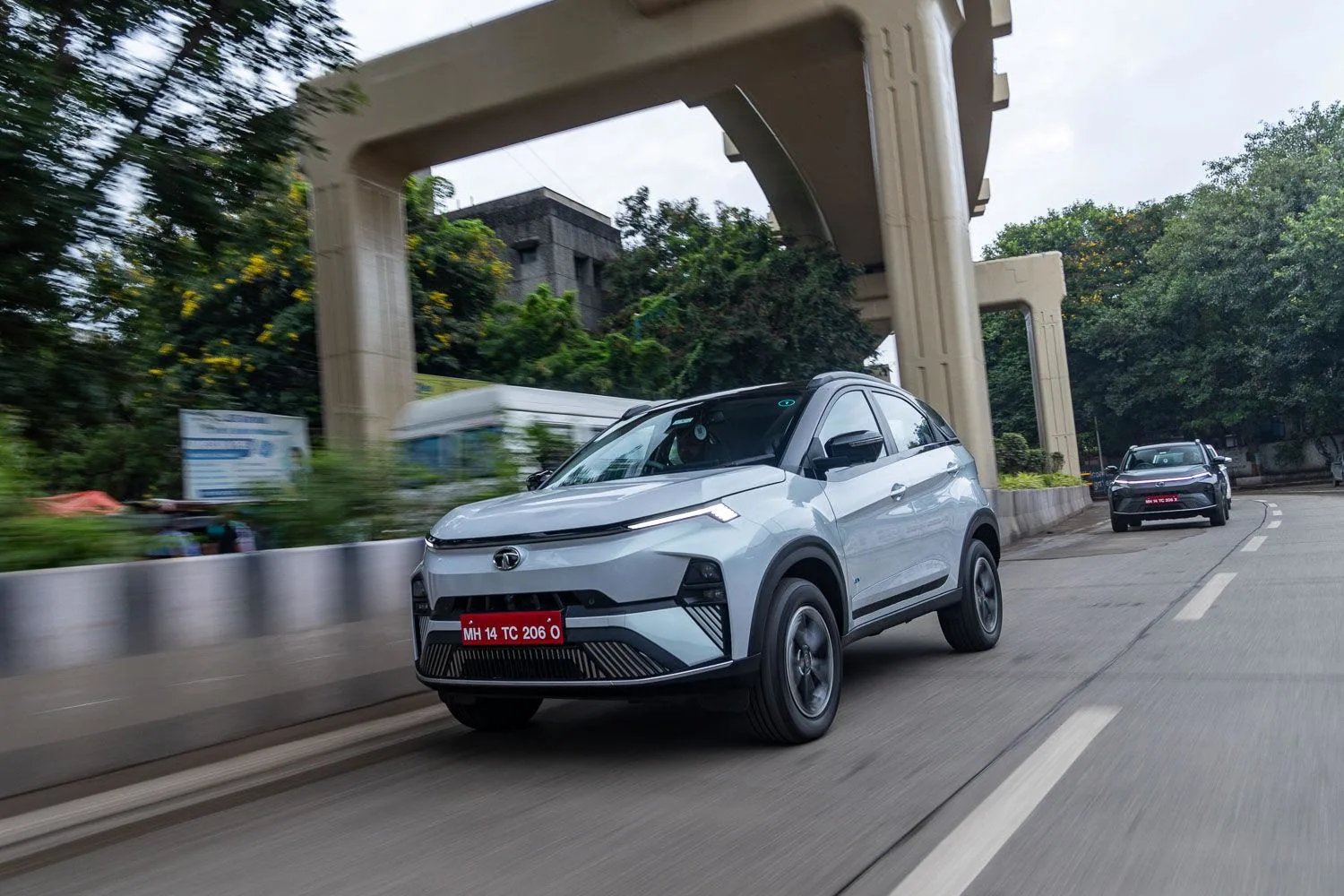
An EV car, or electric car, uses a rechargeable battery and an electric motor in place of a petrol or diesel engine. You plug it in to charge, and the stored energy turns the wheels.
There is no fuel tank, no exhaust pipe and no multi-gear transmission in most models. Power arrives the moment you press the accelerator, so these cars feel responsive in stop-and-go traffic and run almost silently. Don’t confuse them with hybrids, which still rely partly on a petrol engine.
Why EV Cars Are Gaining Popularity in India
Rising fuel bills are the most common reason buyers look at electric cars in India. Per kilometer, charging is usually cheaper than filling a tank. Pollution in large cities has also made people more conscious of what comes out of a tailpipe.
Government support plays a part as well. Electric cars carry a lower GST rate than petrol cars, and some states offer relief on road tax or registration. These benefits vary by state and can change, so check your state’s latest EV policy before you buy.
The market itself has widened. Tata and MG opened the segment, and Mahindra, Hyundai, Maruti Suzuki and other brands have since joined in. Competition has pushed makers to offer better range, richer features and a more competitive EV price.
EV Price in India: What Electric Cars Cost
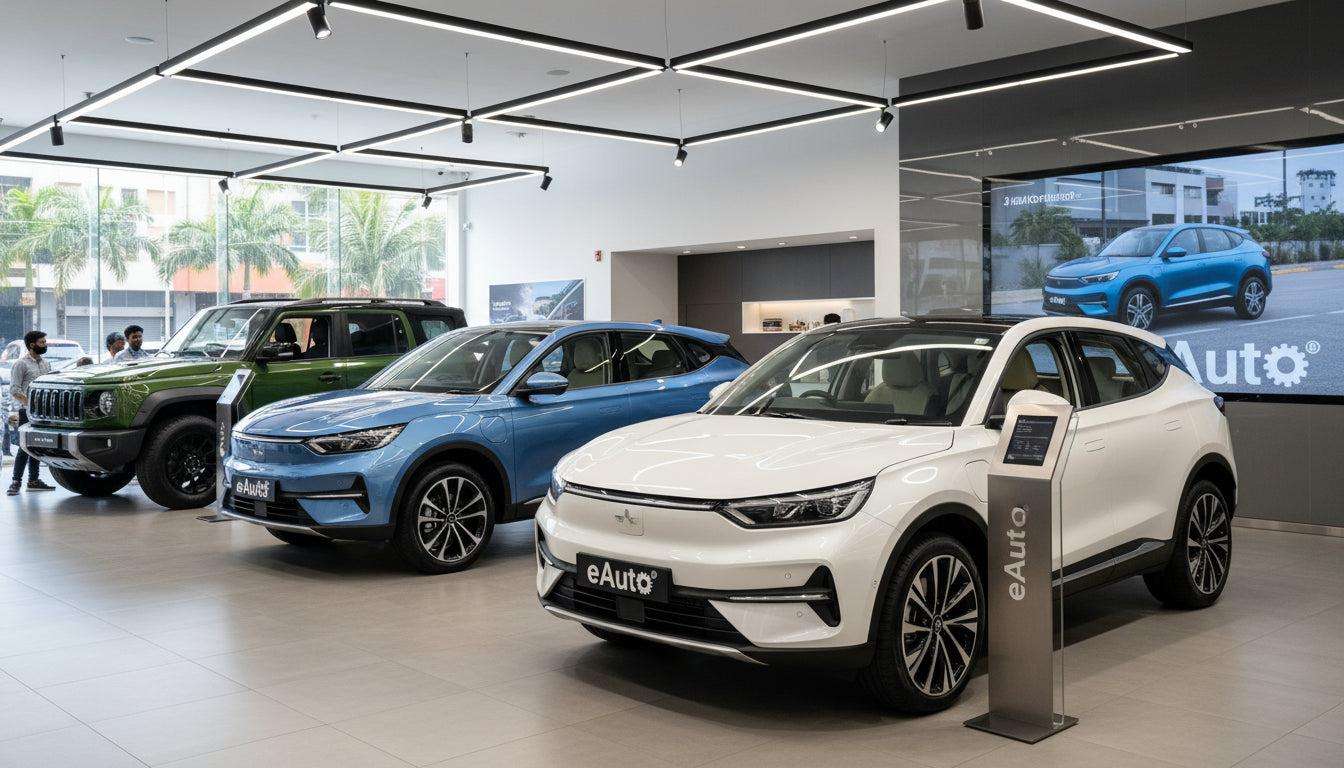
The electric car price you see depends mainly on battery size and body style. Entry-level electric hatchbacks begin at roughly ₹7–8 lakh ex-showroom. Compact electric SUVs generally fall between the mid-teens and low twenties of lakhs, while premium models cost a good deal more.
Some brands offer battery-as-a-service. You pay less for the car and then pay for the battery separately, often per kilometer. That reduces the upfront outlay, but the running charges accumulate, so calculate the total over the years you plan to own the car.
Variants, new launches and festive offers all move prices around, so confirm the on-road figure with the dealer. Also look past the sticker. A higher EV price at purchase is usually offset by lower running costs, and that gap is what you should weigh.
EV Range: What to Expect
Range is the distance a car covers on a single full charge. Most EV cars sold in India claim somewhere between about 200 km for small-battery models and more than 400 km for larger packs.
Claimed figures come from standard tests, usually ARAI certification in India. Everyday results are lower. Fast highway driving, constant air conditioning, heavy traffic, hilly roads, a full load and hot weather all cut into the distance. Treat the certified number as a ceiling and plan with a margin.
For city use, this rarely causes trouble. If you drive 40–60 km a day, even a modest battery lasts several days between charges. A realistic EV range matters most if you regularly make long intercity trips.
EV Cars Battery: Technology and Lifespan
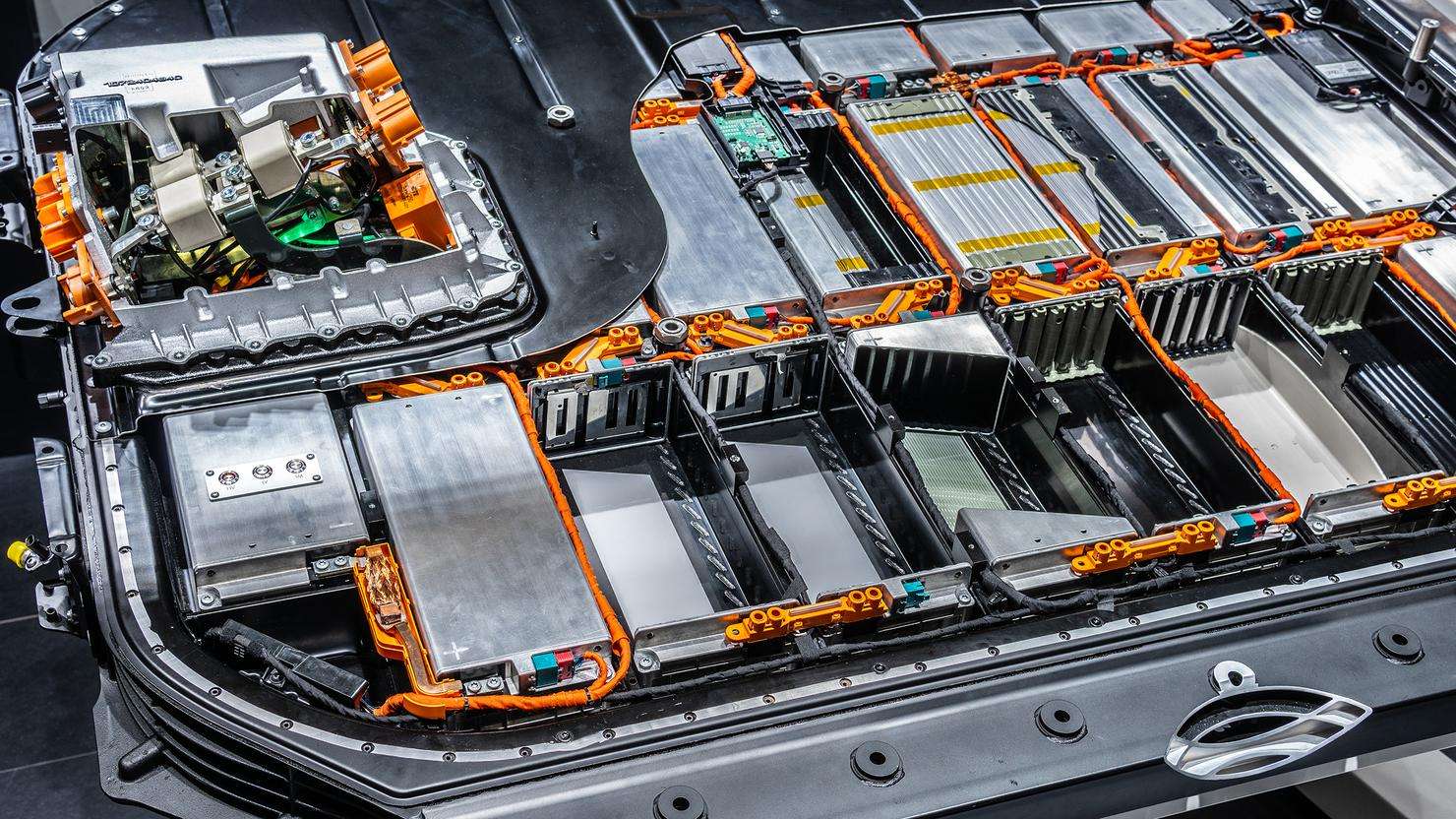
The electric car battery is the costliest part of the vehicle, so it’s where most buyers’ doubts begin. Lithium-ion packs are standard, and chemistries differ between brands. Lithium iron phosphate (LFP) packs are becoming more common because they’re durable and handle frequent charging well.
Brands typically cover the battery with a long warranty, often around eight years or roughly 1.5 lakh km, though the terms differ. Read what level of remaining capacity the warranty actually guarantees. A healthy battery also protects your EV range over the years.
Battery health fades slowly with age and use. You can slow that down by not charging to 100% on fast chargers every time, avoiding long spells at near-zero charge and parking in shade when possible. Most cars also have thermal management that protects the pack from extreme heat, which helps through Indian summers.
EV Charging in India
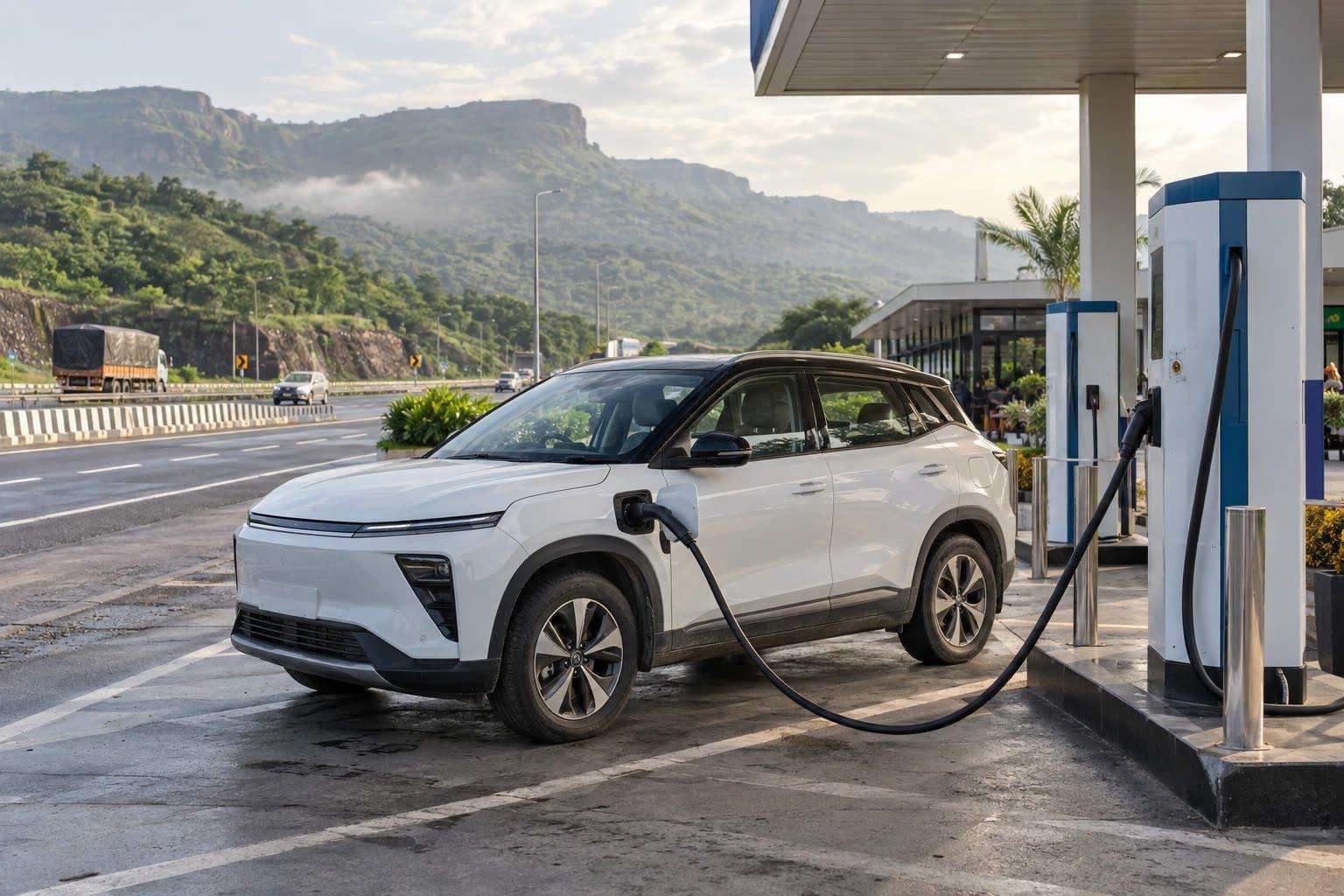
EV charging decides whether ownership feels easy or annoying, so think about it before you choose a car.
Home charging
Most owners top up overnight at home. A regular socket works but is slow. A wall-mounted AC charger, which many manufacturers help install, is quicker and safer. Apartment residents should first confirm they have a fixed parking spot and that the society will allow a charging point.
Public and fast charging
Public charging networks are expanding, mainly in big cities and on major highways. A DC fast charger can add a lot of range in under an hour, depending on your car’s maximum charging speed and the charger’s output. Apps help you locate working stations, but coverage is uneven. Smaller towns and some highway stretches still have few options, so plan long journeys in advance.
Key EV Features to Look For
Modern EV features go well beyond the battery. Many models include large touchscreens, connected-car apps, over-the-air software updates, ventilated seats and driver-assistance systems.
Regenerative braking is unique to EVs. It captures energy as you slow down and sends it back to the battery, which also reduces brake wear. Some cars offer vehicle-to-load (V2L), letting you run appliances or tools from the battery. These EV features are worth testing in person before you buy.
Also check practical details. Boot space can be affected by the battery layout, and ground clearance matters on Indian roads.
Benefits of EV Cars
The biggest advantage of EV cars is lower running cost. Electricity costs less than petrol for every kilometer, and charging at home on a domestic tariff can cut the per-kilometer expense sharply. Your actual savings depend on local power rates and how much you drive.
Upkeep is simpler as well. With fewer moving parts, there are no oil changes, spark plugs or clutch repairs. Routine service mostly covers tyres, brakes, coolant and software.
Driving is easier too. Instant torque helps with quick overtakes and city traffic, and the cabin stays calm. There are no tailpipe emissions, which helps local air quality, although the wider environmental gain depends on how the electricity is produced.
Electric Cars vs Petrol Cars
| Factor | Electric Cars | Petrol Cars |
|---|---|---|
| Purchase price | Usually higher | Usually lower |
| Running cost | Lower per km | Higher per km |
| Maintenance | Fewer parts and less upkeep | More frequent servicing |
| Refueling | Home or public charging | Quick fuel stop |
| Long trips | Needs charging plans | Simple and flexible |
| Tailpipe emissions | None | Yes |
The real question in electric cars vs petrol cars is how you use the vehicle. EV cars suit city drivers who cover decent daily distances and can charge at home, since savings often outweigh the higher purchase price within a few years. If you frequently drive long routes with few chargers, a petrol or hybrid car may still be the easier choice.
Challenges of Owning EV Cars
Ownership has its hurdles. Charging infrastructure is patchy, and apartment dwellers without dedicated parking face the toughest problem. The upfront cost is higher, and a fast-charging session takes longer than a petrol stop.
Resale value is another question mark. India’s used EV market is young, and buyers worry about battery condition, so depreciation is hard to predict. Service coverage also varies, with some brands having few workshops beyond major cities.
Things to Consider Before Buying EV Cars
Start with your daily distance and your charging access. If you can charge at home or work, most other concerns shrink. Then pick an EV range that comfortably exceeds your routine, leaving room for real-world losses.
Compare battery warranties and service networks, and take a long test drive on your usual route. Compare EV features across variants, since higher trims often add the most useful ones. Ask for the final on-road price including state incentives, and get insurance quotes. Finally, consider how long you’ll keep the car, because running-cost savings build up with time.
Frequently Asked Questions
Are EV cars worth buying in India?
They can be, particularly if you drive daily in a city and can charge at home. Lower running costs gradually offset the higher purchase price.
How long does it take to charge an electric car?
That depends on battery size and charger type. Overnight home charging usually fills the battery, while DC fast charging can add substantial range in under an hour.
How long does an electric car battery last?
Batteries are built to last many years, and brands commonly offer warranties of around eight years. Real lifespan depends on usage, charging habits and climate.
Do electric cars work well in Indian weather and on Indian roads?
Yes. They’re designed for heat, rain and mixed road conditions, and many models have good ground clearance. Extreme heat and heavy air conditioning can reduce range somewhat.
Will EV price come down in future?
Battery costs have been falling globally, and local production and competition may help. Nobody can promise future prices, so decide on today’s value rather than a forecast.
Conclusion
EV cars in India are no longer an experiment. For buyers with predictable daily driving and access to home charging, they offer lower running costs, simpler maintenance and a quiet, refined drive. The trade-offs are a higher EV price, uneven public charging and some uncertainty over resale value.
The right choice depends on your routine, not on trends. Work out your daily distance, check where you can charge, compare real-world EV range, EV features and total ownership cost, and take a proper test drive. If those numbers add up, an electric car can be a smart purchase.