
Fast Foods versus Healthy Foods: Which One Is Actually Better for You?

Introduction
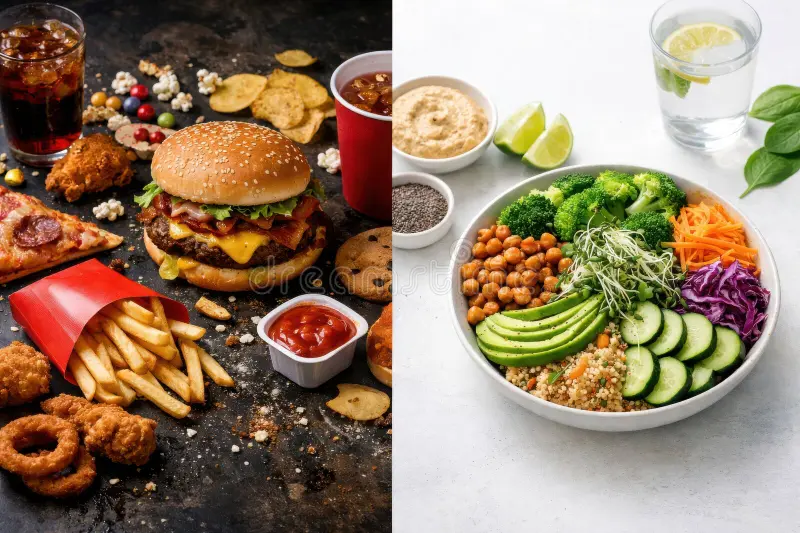
Fast food is cheap and convenient, but healthy food is good for you in the long run, health and quality of life. Imagine this: it’s been a long day and you’re hungry. You can go through a drive-thru and get a meal in five minutes, or you can spend 40 minutes making a healthy food at home. This is a decision faced by millions of people almost every day. But which is actually better for you? It’s not just a matter of calories. It’s about how food affects your energy, mood, health and quality of life. Fast food wins on speed, healthy food wins on health and quality of life.
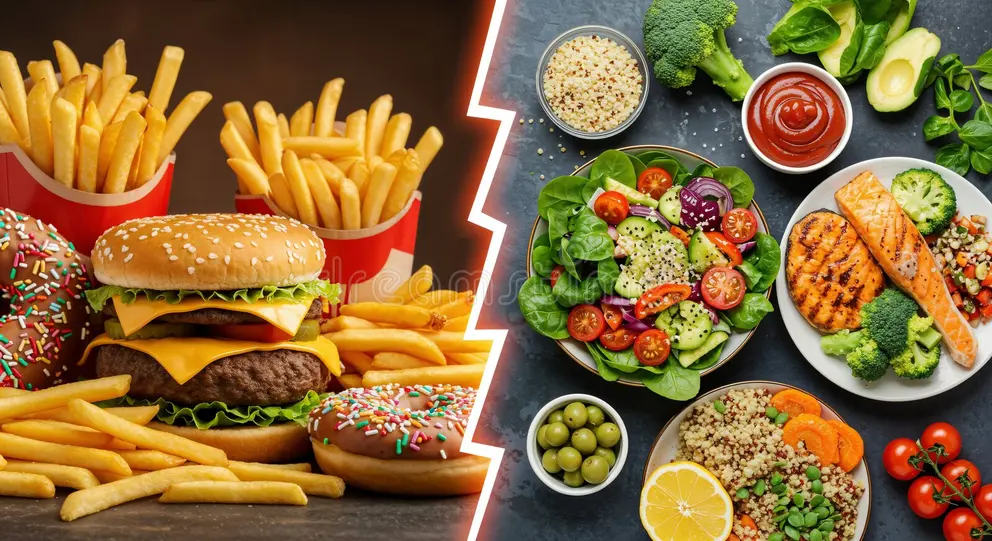
Image source: Dreamstime.Com
The True Cost of Fast Food on You
Hidden Ingredients and Additives in Fast Food
Most fast food is heavily processed and contains ingredients designed to improve flavor, texture and shelf life. Examples include refined seed oils, high-fructose corn syrup, artificial flavors, and synthetic food dyes. Food manufacturers often refer to these foods as “hyper-palatable” because they design them to trigger pleasure centers in the brain. The combination of sugar, salt and fat can make it hard to stop eating even when you are full. Take a standard fast food burger meal The burger alone packs more than 1,000 mg of sodium, almost half the daily recommended limit for many adults.
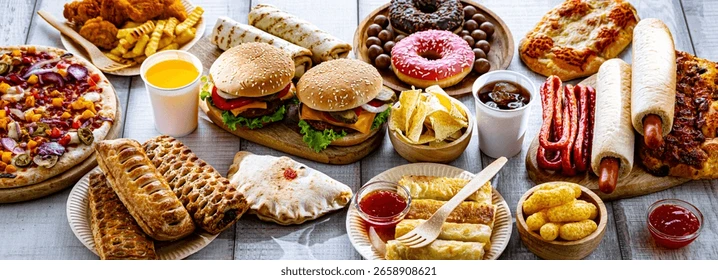
Image Source: Shutterstock
The Immediate Effect on the Body after Eating Fast Food
Fast food may include meals with refined carbohydrates and sugary drinks that can cause blood sugar to spike quickly. Blood sugar levels can rise quickly and then plummet within an hour of eating. This ‘sugar crash’ often results in fatigue, brain fog, irritability, and renewed hunger. Nutrition experts say repeated insulin spikes make the body work harder to control blood sugar. Over time this can lead to decreased insulin sensitivity and increased health risks.
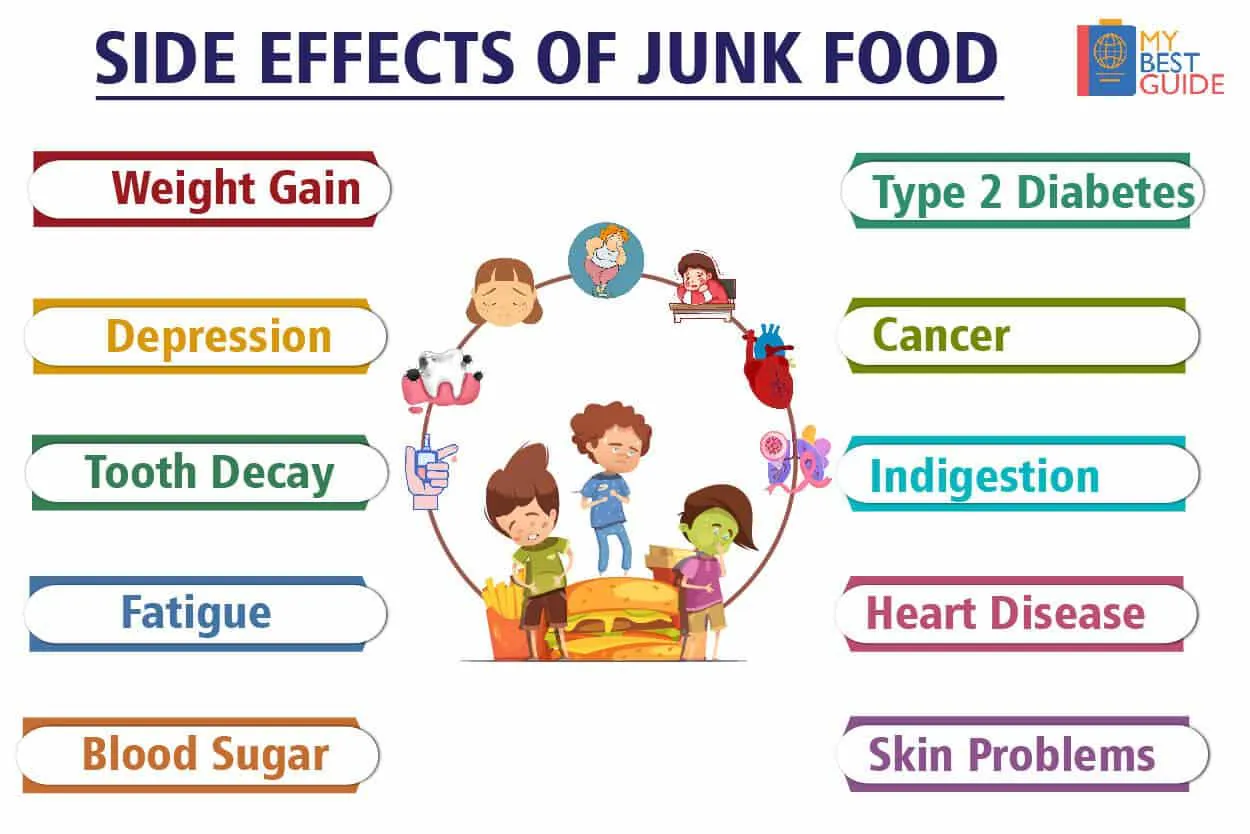
Image Source: Greenwood High
Long-Term Health Risks for Consuming Fast Food
Image Source: Instagram
Studies have consistently linked diets high in ultra-processed foods to a greater risk of heart disease, obesity and type 2 diabetes. Regular consumers of lots of processed food tend to have higher levels of inflammation and worse health outcomes overall. One 30-day experiment with a fast food diet resulted in significant increases in blood pressure, weight gain and cholesterol levels. Results vary from person to person but the experiment showed the speed with which diet changes can affect measures of health.
Why Healthy Food Wins the Long Game
Provide Nutrient Density and Energy More Than Fast Food
Healthy foods do more than just provide calories. They also provide vitamins, minerals, fiber, antioxidants and healthy fats that your body needs to function each day. Whole foods such as vegetables, fruits, legumes, nuts and whole grains provide a slower release of energy which helps maintain stable blood sugar levels throughout the day. Think of a bowl of oatmeal versus a sugar doughnut. Both can curb hunger initially but muesli has fiber and complex carbs that fuel you longer, whereas the doughnut typically results in a quick energy boost and then a crash.
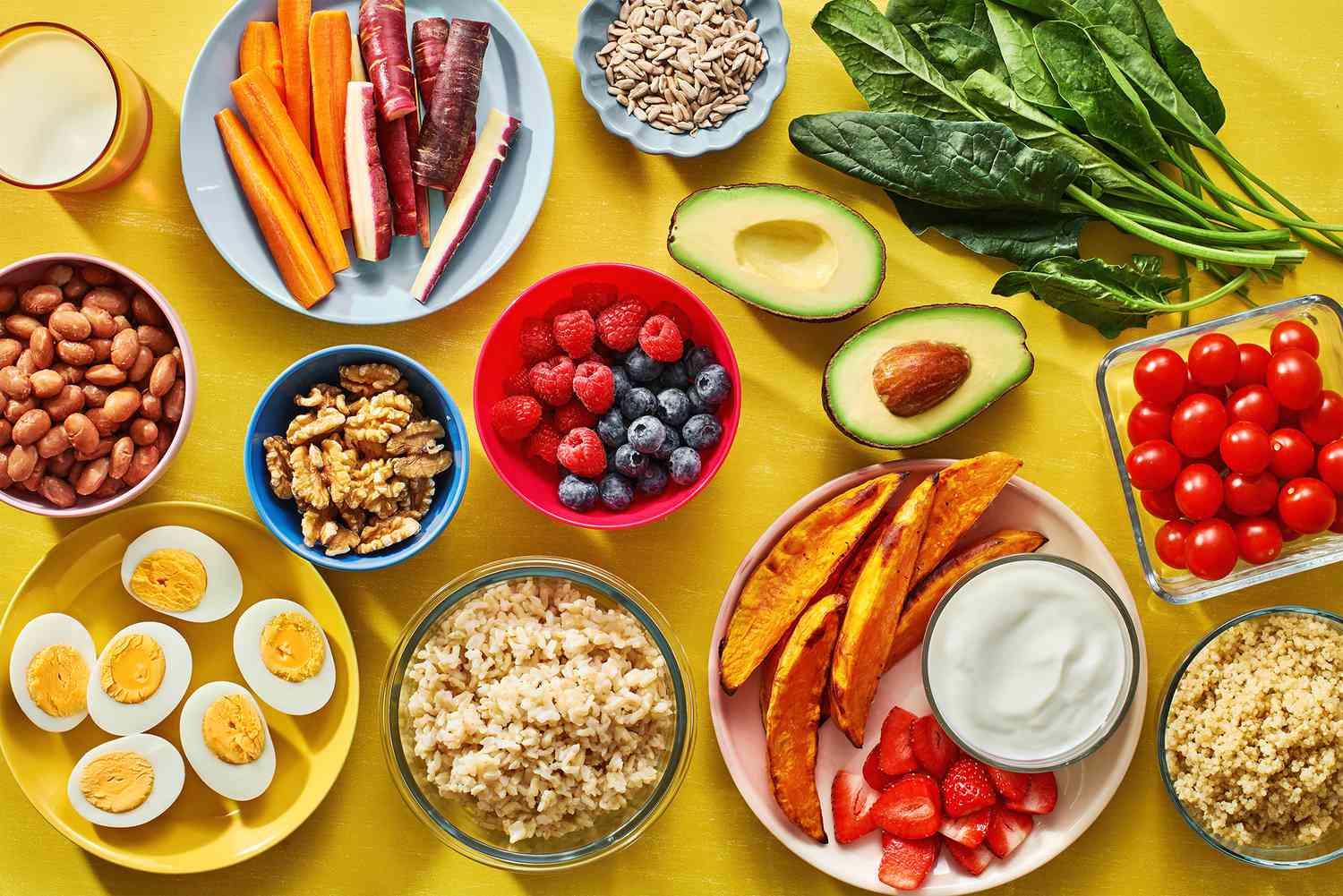
Image Source: Eatingwell
Mental Clarity and Mood after Giving up Fast Food
Apart from physical health, food has an impact on mental well-being as well. Scientists call the connection between the body and mind the “gut-brain axis.” Healthy eating promotes a favorable balance of gut bacteria, which may influence mood and emotions. Fatty acids, especially omega-3s, from foods such as fish, walnuts, and flaxseeds play an important role in brain health. Antioxidants, such as fruits and vegetables, prevent cell damage by oxidative stress. It was shown that people following a diet based mainly on plants experience less depression and anxiety than people eating processed food.
Weight Management and Longevity with Healthy Food
Another benefit of healthy foods is that they promote feelings of fullness due to satiation. These foods have plenty of dietary fibers and proteins, which make you feel full. On the other hand, processed foods may pack a lot of calories while offering little or no feelings of satiation. For instance, while a huge number of calories may be contained in several portions of fries, there might be much more nutrients in an even bigger portion of a leafy salad.
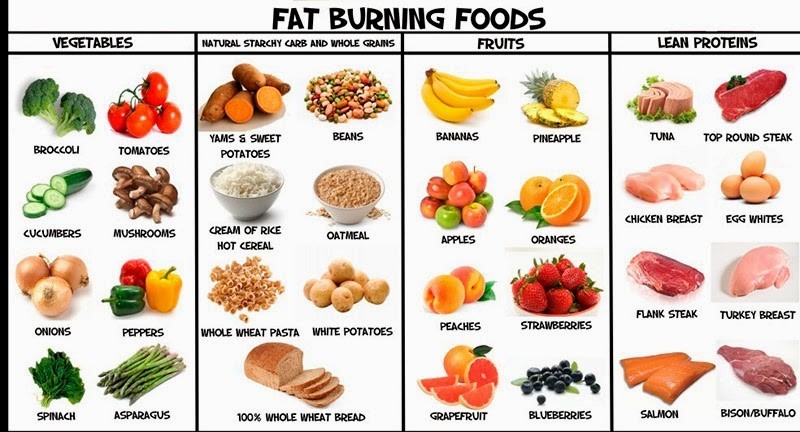
Image Source: Linkedln
Comparing the Logistics: Time, Money, and Effort
The Price Tag Myth
It is a common belief that eating healthy food is costly. The truth is that some of the most nutritious foods are also inexpensive. Rice, oats, beans, lentils, eggs, and seasonal vegetables are all examples of such foods. Even if one spends ₹4,000-4,500 on groceries every week, they might be able to purchase these basic nutritious foods for several meals. However, this money could very easily be used up by purchasing a fast-food meal every day.
The Time Crunch for Fast Food
The main strength of fast food is that it saves time. But one does not have to spend many hours preparing healthy meals. There are many recipes available for healthy food that take just 15 minutes to prepare. If one does meal preparation on Sundays, it can save a lot of time during the weekdays.
Accessibility and Food Desserts
People do not always have equal opportunities to get fresh fruits and vegetables. For example, in some cities and poorer neighbourhoods, the availability of corner stores and fast-food restaurants is higher than that of full-sized supermarkets. Even if you cannot find any fresh food in your local stores, you can always buy something healthy. Pay attention to canned beans, frozen vegetables, nuts, yogurt, and fruits.
Finding a Middle Ground: The 80/20 Rule
Avoiding the “All or Nothing” Mindset for You
Extreme diets are bound to fail due to stringent restrictions imposed by them. However, the 80/20 diet provides for a much more practical option, wherein whole foods are consumed 80% of the time and treats are taken 20% of the time. According to psychologists, having an element of moderation can help curb cravings.
How to “Hack” Fast Food Menus for Better Health
When eating fast food becomes inevitable, be wise with your decisions:
- Eat grilled dishes rather than fried dishes.
- Consume water or plain tea in place of soft drinks.
- Eat a side salad, fruit cocktail, or veggies.
- Eat less quantity when available.
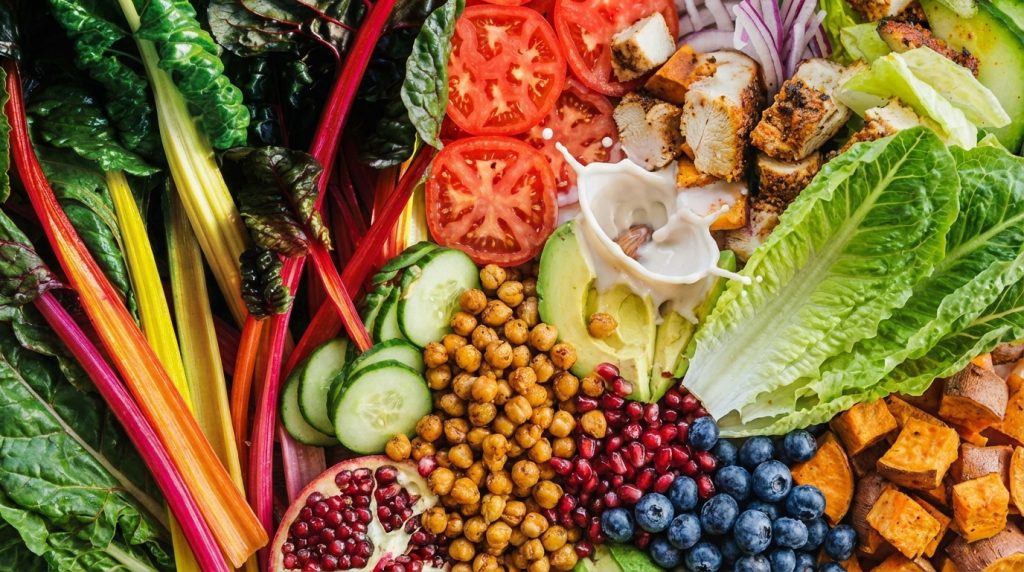
Image Source: Breadless
Easy Substitutions for Busy Individuals to Make Good Health
Making easy swaps can bring considerable health advantages:
- Frozen veggies rather than fried side dishes.
- Roasted chicken instead of chicken nuggets.
- Greek yogurt as opposed to milkshakes.
- Whole grain bread as against regular bread.
Actionable Steps to Transition Your Food to A Good Diet
Starting Your Meal Prep Journey for Good Health
Stock your pantry with these power foods:
- Oats
- Brown rice
- Lentils
- Beans
- Eggs
- Nuts
- Frozen veggies
- Fruits
Cook three days’ worth of lunch in advance using the grains, proteins, and vegetables. Store these in individual containers for quick-to-eat meals. Save time with appliances like air fryers and slow cookers to make healthy eating convenient.
Reading Labels Like a Pro
Look out for sugars that hide under names such as:
- Maltodextrin
- Dextrose
- Corn syrup
- Sucrose
Note serving size because a package may have several servings per pack. The key here would be the “5 Ingredient Rule” wherein you only choose foods with fewer ingredients.
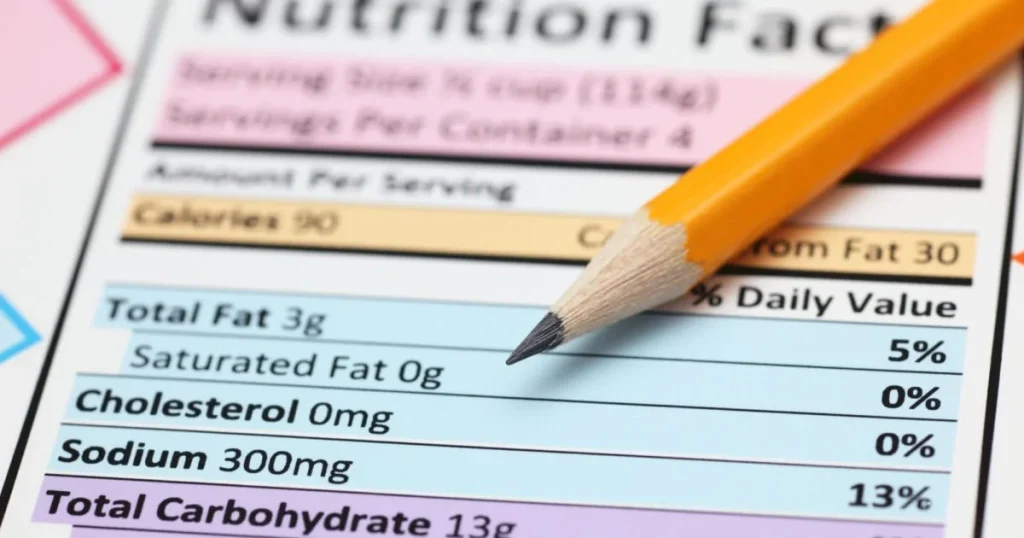
Image Source: Mandy Sacher
Building Sustainable Habits for Better Health
Make smaller changes instead of taking major steps.
- Eat a less junk food meal once per week.
- Consume water in increased amounts daily.
- Snacks should be easily accessible to you.
- Notice which foods increase your productivity level.
Image source: Medium
Conclusion
Fast food does have its uses. Fast food is convenient, speedy, and even a necessity at times due to our hectic schedules. However, convenience must be taken as something temporary and not something that becomes a part of our lives. Healthy foods are what provide us with all the necessary nutrition, energy, and mental acuity to survive and thrive. Although preparation is slightly involved at times, it is well worth it. Healthy foods must be understood as an investment in your future well-being. Let’s give it a shot this week and eat healthy food!


