
Top Operating System Ranked for Cyber Defense

The operating system is the core component of any computer, managing both hardware and software. Nowadays, people have come to realize that each type of operating software contributes uniquely to cybersecurity. From Linux, through Windows, to macOS, each OS contributes its bit to cybersecurity.
Basic Concept of Operating System
An operating system is not only an execution platform for applications, but it is also your computer environment protector. An efficient OS manages resources properly, executes processes accordingly, and enforces security protocols. A lack of an efficient OS leaves even the most efficient hardware and software vulnerable.
Functions of Operating System
Some important functions of an operating software include resource management, file handling, and security enforcement. These provide efficient performance and secure sensitive data against any attacks.
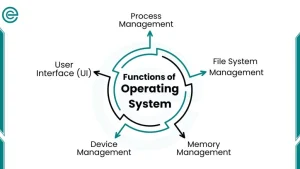
Source: educatecomputer.com
Types of Operating System
There are different types of OS: single-user OS, including Windows, multi-user OS, including UNIX, real-time OS used for defense purposes, and network OS designed to manage servers.
Examples of Operating System
Important examples of operating systems include Windows 11, macOS Ventura, Ubuntu Linux, and Cyber Security OS like Kali Linux & Parrot OS.
Best Operating Systems for Cybersecurity
Choosing the correct OS is essential when working in cybersecurity. Certain operating systems have built-in security capabilities, while some operate using third-party software.
Linux Distributions for Security
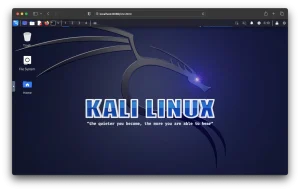
Cybersecurity experts use Linux extensively. Popular distributions include Kali Linux for Penetration Testing, Parrot Security OS for lightweight security features and anonymity, and Qubes OS which compartmentalizes tasks within the system.
Windows for Cybersecurity
Microsoft Windows still holds the market share when it comes to enterprises. Windows 11 has BitLocker, Windows Defender, and secure booting capabilities. It works well with Microsoft Active Directory.
MacOS for Secure Computing
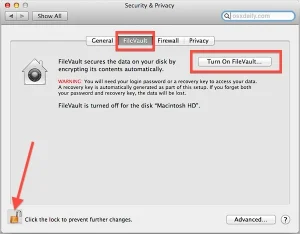
Apple’s OS guarantees security and privacy . FileVault encrypts the hard drive, Gatekeeper blocks harmful programs, and frequent upgrades guarantee improved virus security.
Specialized Cyber Security Operating System Examples
Tails OS uses Tor Network for anonymous surfing, BlackArch Linux has several thousands of cybersecurity tools, and Whonix is used exclusively for anonymous browsing.
Comparing Operating Systems for Cyber Defense
There is no perfect operating system that can be ideal for all end users. Every operating system has its own strengths and weaknesses according to the conditions under which it operates. When it comes to cyber security, the use of an appropriate operating system depends upon the user’s priorities of using the operating system for usability, transparency, and threat resistance.
Linux vs Windows
Linux when compared to other operating systems, offers more flexibility and transparency. It helps security experts to conduct penetration tests in order to secure their network and analyze the source code. But Linux requires qualified admins, which may prove difficult for some organizations.
On the other hand, the operating system that has been adopted widely in the corporate world is the Windows operating system. This is due to the usability offered by Windows, its integration with the Active Directory, and good support from the manufacturer (Microsoft). However, its wide adoption rate makes it vulnerable to all kinds of threats such as malware, phishing, and ransomware.
MacOS vs Linux
MacOS is an operating software that is very user-friendly due to its Unix architecture, which comes with robust security measures including Gatekeeper, XProtect, and System Integrity Protection. The controlled environment offered by Apple guarantees updates and a well-coordinated hardware and software platform, which makes the system ideal for professionals who require both usability and security.
In contrast, Linux is the preferred operating software for cyber defense experts. The reason being, it affords more customization opportunities; one can customize its SELinux policies as well as create customized kernels designed to meet specific defense needs. While macOS is the best choice for individuals whose preference is usability as well as basic security measures, Linux is perfect for the latter group.
Real-Time OS in Defense
Real-time operating systems play an important role in defending against cyberattacks as they offer reliable and instantaneous responses to threats. This kind of OS differs from a generic OS in terms of its application environment where even milliseconds count. As regards the military industry, real-time OS is used for missile guidance, radar, and other tasks which cannot be impacted by cybersecurity measures. In addition, in the industrial control systems, real-time OS ensures the security of power plants, manufacturing processes, and transport networks by providing predictable performance despite potential attacks.
Concepts in Advanced Operating Systems
Operating software today not only deals with simple operations such as managing files and processes; rather, advanced concepts including virtualization, cloud computing, and artificial intelligence-based cybersecurity have been developed in operating systems in recent years. This way, an OS is capable of defending itself from cyber attacks.
Operating Software Virtualization
Operating software’s virtualization concept can isolate different processes, shielding the system against viruses. Using virtualization, the operating system generates separate virtual computers, all of which continue to operate properly even if one of them is compromised. An operating software built on virtualization technology is called Qubes OS.
Cloud-Based OS Security
With the swift rise of cloud computing not only in India but worldwide, operating systems that function efficiently with cloud-based computing environments have emerged as a vital requirement. Windows Server and Linux Servers, among others, offer security and other features like encryption, remote access, and regular updates for operating systems, all designed to be compatible with the cloud environment. A cloud-enabled OS will help protect your data when it is accessed from various locations through cloud technology.
AI-Powered Functions of Operating System
AI technology is becoming more integral to OS capabilities, making way for prediction of threats and automated patching of vulnerabilities. With an AI-operating software, security experts can recognize patterns of cyber attacks quickly and effectively, leading to a more prompt response compared to human operators. AI-operated systems are more resilient in terms of their abilities to scan for vulnerabilities automatically and even self-heal.
Concluding Remarks: The Ideal OS for Your Requirements
Depending on what you need, there may be different choices of OS for you to make. People working can go for Windows, and students can go with Linux. On the other hand, Tails and Whonix would be great for people who are more concerned about their privacy. Cybersecurity isn’t about the perfect OS but the types of OSs.


