
Folk Art Painting: India’s Traditions in a Modern World

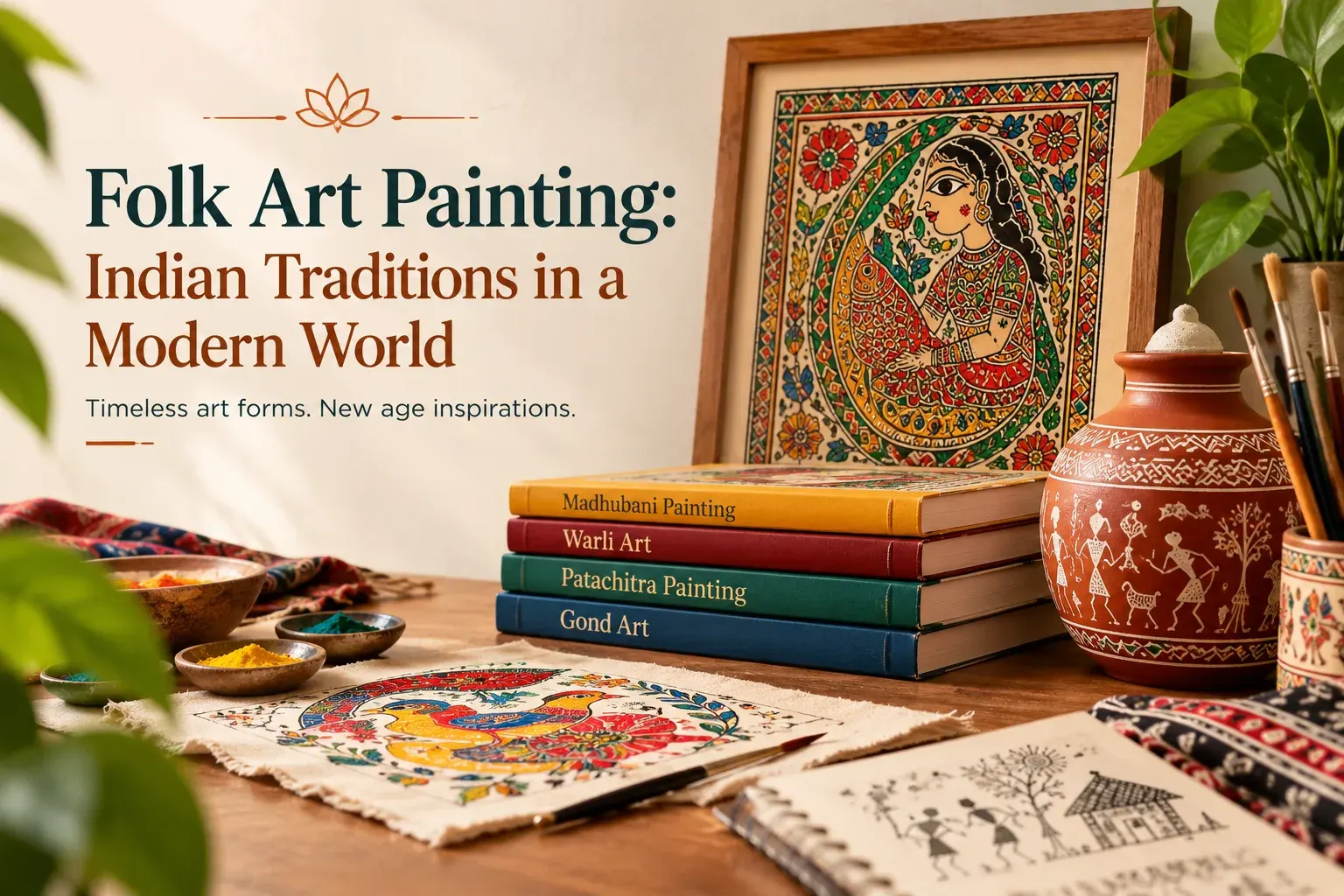
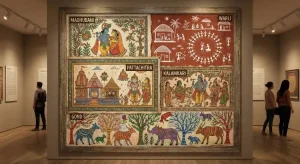
The folklore traditions of India are an inseparable part of India’s vibrant and diverse cultural heritage. The folk art painting is a living tradition that incorporates a wide range of beautiful and bright things made with bright colors, simple lines and local flavor. There are many types of folk art paintings like madhubani painting, warli art, patachitra painting and gond art. The world of art has seen a surge in traditional motifs in modern galleries, home furnishings, clothing, and even computer graphics.
Across the country, local variations of folk painting have been passed down from generation to generation as part of India’s heritage. From Madhubani, Bihar, and Warli Art in Maharashtra to Patachitra Painting in Odisha and West Bengal, Gond Art in Central India – each tradition is unique in its own way. Indian folk painting provides a connection between modern artists, designers, and their regional cultural heritage.
The Significance of Folk Art Painting in the Contemporary Society Essay
The folk traditions of India hold a special place in the cultural history of the country and its people. The communities of the country have been passing down creative practices from one generation to another. In this way, folk painting has become an integral part of cultural history.
Nowadays traditional or modern folk art paintings might already take place in museum galleries, art fairs, social media, etc. Also, cultural centers and local markets could offer young artists to study and rework some traditional motifs and also help them shape their own original style.
Also, the practice of folk painting can be employed to preserve and promote the traditional motifs and patterns. Local artists can benefit from this creative practice by gaining sustainable income and passing on the cultural heritage to younger generations. The traditional motifs used in the artists’ works present a wide array of creative opportunities.
The Folk Paintings of India: Regional Styles and Modern Interpretations
Madhubani Painting: Stories Through Traditional Patterns
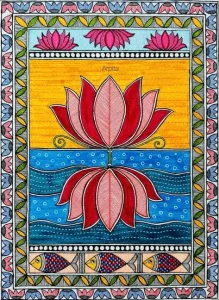
Madhubani painting is originates from the Mithila region of Bihar. It is for its capability to tell different stories, which could be on nature or Hindu mythology. The elements of this art are fine lines and dots which are used to paint flowers, fish, and sunflowers which are integral parts of the painting.
Modern adaptations of this folk art painting style see the motifs and patterns of Madhubani used in canvas, notebooks, clothes, and houseplant pots. Additionally, modern artists use Madhubani art to tell their own stories, depict social and environmental issues, and represent women’s voices. Those who wish to explore this folk painting tradition can use the Madhubani art outlines as a tool to represent their own narratives.
Warli Art: Simple Shapes and Village Life
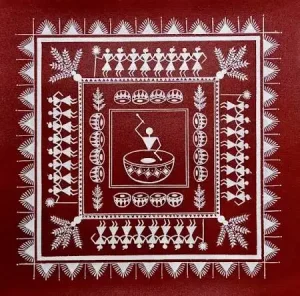
Warli Art is a folk painting tradition of the tribal people of Maharashtra. This painting style is characterized by its simplicity and use of basic geometric shapes. Artists of this folk art tradition depict village life and nature in their paintings. This folk painting tradition is unique in terms of its use of white pigment and mud to paint, as well as the use of triangles to represent human figures. In recent times it is used in furniture, graphics, public art installations, and fashion.
Patachitra Painting: Mythology and Storytelling
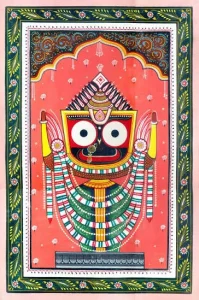
Patachitra is a scroll and cloth painting art that has been in existence for generations. The artists painting in this folklore genre present mythological themes, local events, and festive occasions in their artwork.
The artists paint using bold outlines and exquisite details. Patachitra painting style is especially closely to Lord Jagannath, while the patua art form of West Bengal has been traditionally passed down in song and verse.
Gond Art: Nature and Tribal Traditions
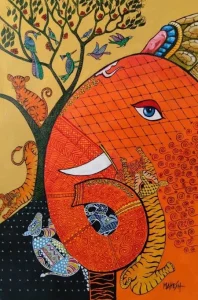
Gond Art is a centuries-old folk painting tradition of the tribal Gond people that is intricately linked to nature. Artists of this folk painting tradition depict wild animals, natural scenery, and human figures in exquisite fine lines. Gond art motifs are used in a variety of media and creative practices, presenting a great number of creative opportunities. Moreover modern Gond paintings tours of ecology and creates a relationship between nature and human.
Use of Indian Folk Painting Traditions in Modern Design
In today’s India, traditional Indian art has penetrated into modern architecture, furniture, jewelry, and house ware. Artists and designers can use this wide range of traditional Indian motifs and patterns as an excellent source of material to actualize their own creative ideas and underline the cultural significance of the design elements chosen.
Folk Painting Traditions in Indian Home Décor
Today’s painters and designers may study and make use of the patterns of folklore painting traditions in their own creations. Hand-painted wooden panelling, lamps, cushions, and trays can become a part of a modern home interiors. Moreover, Madhubani painting motifs can be used in various mediums to come up with beautiful artwork that can decorate the walls of your house. Also, the Warli art can be used in renovate for furniture.
Buyers can easily buy traditional hand crafts from local market directly and is support the local artists and appreciate their works.
Folk Painting in Fashion and Lifestyle
Fashion designers also employ Indian motifs and patterns to create designs that stand out. As such, artists can also explore the use of folk art painting motifs in fashion accessories. For instance, artists can depict traditional folk painting motifs on fabric, jewelry boxes, and scarves, or use the motifs and patterns as a source of inspiration for the creation of original works.
Now a days new designers collaborate with local artists to respect the culture and the artists receive fair compensation for their efforts.
How Young Artists Can Embrace Folk Painting Traditions Essay
Young artists that wish to explore traditional Indian folk art can begin their journey today with little to no investment in supplies. The artists can use their creativity and passion to study and recreate traditional motifs and patterns. The following are some of the steps that young artists can take to begin their journey of exploring traditional art:
Step 1 – learn and familiarize with the traditional motifs of a particular folk painting tradition;
Step 2 – practice drawing the basic elements of the chosen folk painting tradition;
Step 3 – experiment with one’s own interpretation of the selected motifs
Step 4 – post works on the social media and engage with the audience.
Indian folk painting traditions is a cultural heritage of India that deserves support and attention. The future of India’s folk painting traditions lies with the contemporary audience and the opportunity to collaborate with traditional artists.
Folk Art Painting Practices That Are Sustainable
In today’s world, many artists opt to employ sustainable techniques and materials like natural colors and paper. Sustainable practices in the folk art painting are a responsible and conscientious choice of artists that care about the environmental impact of their practice. However, artists should also consider the sustainability of their practice in terms of the materials and methods used. So, the small scale artists take the advantages of the local markets to sell their works.
Exhibitions with Folk Painting Practices
Exhibitions featuring traditional art and folk art painting give the contemporary audience an opportunity to learn more about the traditional cultural heritages of India. Such events can also provide young and traditional artists with creative opportunities, as exhibitions can be a venue for modern artists to meet traditional artists.
Curators can take advantage of such events to exhibit the works of both modern and traditional artists. Besides, exhibition centers can also use the themes of traditional art and folk painting to organize cultural exchange events and educational programs for the wider community.Such events can also feature displays of cultural artifacts, traditional costume fairs, and lectures by curators and traditional artists.
Conclusion: Preserving India’s Folk Art Painting Heritage
India’s folk traditions remain powerful because they connect people with their roots while leaving room for change. Madhubani painting, Warli Art, Patachitra Painting, and Gond Art each offer different ways to understand community, nature, and storytelling.
Modern artists can help these traditions grow through thoughtful experiments, fair partnerships, and wider public engagement. At the same time, they must respect the communities that have protected these skills across generations.