How Green Tech is Changing the World in 2026

The Green Shift: How Green Tech is Actually Saving the Planet in 2026
If you could jump back just five years and tell someone that by 2026, we’d be using our cars to power our houses, they’d probably think you’d watched too much sci-fi. However, here we are. 2026 isn’t just another year on the calendar; rather, it’s the year where Green Tech stopped being a luxury and started being the engine of our daily lives. Consequently, we’ve finally moved past the era of just talking about saving the planet. In fact, we’re actually doing it, and the clean technology behind it is cooler than we ever imagined. 
Image source: plxaby
1. Beyond the Battery: Smart Grids as Green Tech
Remember when we worried that the lights would go out if the wind stopped blowing? Fortunately, that feels like ancient history now. Specifically, in 2026, our power grids have “brains.” Using advanced AI, the grid now knows exactly when you’re going to charge your phone. Moreover, it balances energy from a thousand different sources to make sure nothing is wasted.
In addition, the biggest game-changer in clean technology is the solid-state battery. Because they’re lighter and safer than old lithium ones, they have opened the door for everything from electric planes to home backup systems.
2. Why Your Electric Car is the Ultimate Green Tech Tool
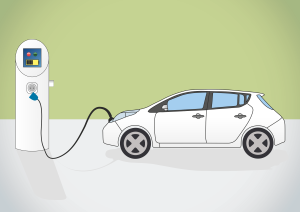
image source: plxaby
The “price parity” moment has finally arrived. As a result, buying a petrol car today feels like buying a flip phone in the age of smartphones. But the real magic isn’t just that your car is electric; instead, it’s that your car is a mobile piece of Green Tech infrastructure.
For example, picture charging your car at work using cheap solar energy. Then, when you get home at night and prices spike, your car feeds that power back into your house. Therefore, you’re essentially using your car to bypass the electric company, which is a win for both your wallet and the Earth.
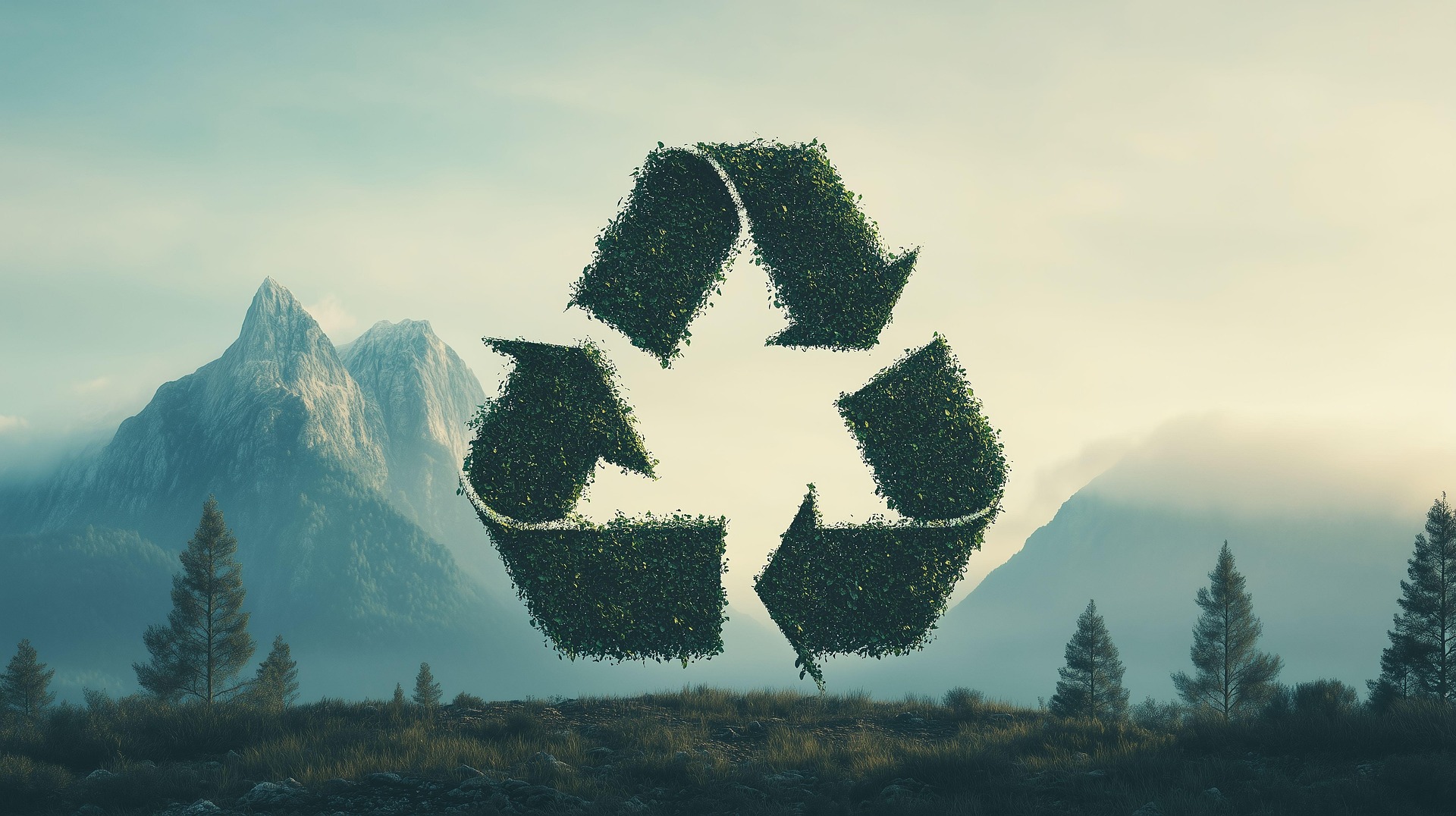
3. The “End of Waste” Era: Circular Clean Technology
We’re finally breaking up with the “throw-away” culture. In 2026, the coolest brands aren’t just selling you a product; on the contrary, they’re selling you a loop. This shift is powered by breakthroughs in clean technology:
Digital Passports
Every gadget now comes with a digital history. Consequently, when a phone dies, a recycler can scan it to see exactly how to use clean technology to extract the gold.
Carbon as a Material
We’ve stopped looking at CO2 as just a “bad gas.” Instead, innovative clean technology allows us to pull it from the air to create sneakers or concrete. Ultimately, we’re building the future out of the pollution of the past.
4. Farming Without the Field: How Green Tech Feeds Cities
image source: plxaby
Food security has been a scary topic lately, but Green Tech is stepping up. For instance, if you walk through a major city, you might pass a “Vertical Farm” without even knowing it.
These warehouses grow tons of kale using 95% less water. Furthermore, there is no soil and no pesticides. Most importantly, there are no “food miles.” Similarly, cultivated meat is now a supermarket staple. It tastes like the real thing because, biologically, it is the real thing.
5. Living Buildings: The Future of Clean Technology Infrastructure
Our homes are starting to act more like living organisms. For example, we’re seeing “Self-Healing Concrete” become the standard. When a crack forms, special bacteria wake up to fill the gap.
Additionally, we now have Solar Glass. While these windows look normal, they are actually transparent solar panels. As a result, buildings are now generating their own heartbeat of electricity, proving that clean technology can be invisible.
6. The Human Side: A New Way to Work in Green Tech
The most inspiring part of 2026 isn’t the gadgets; rather, it’s the people. The Green Tech revolution has created millions of new jobs. In particular, we’re seeing a wave of “Green Collar” workers—from AI managers to urban foresters.
Meanwhile, in rural areas, micro-grids have brought light to villages for the first time. In short, this isn’t just about carbon; it’s about giving everyone a fair shot at a powered life.
The Reality Check
Is the world perfect? Of course not. Transitioning a global civilization is a messy process, and we still face massive hurdles in ethical mining and ensuring green tech isn’t just a luxury for wealthy nations. There is a “Green Divide” we must bridge to ensure no one is left behind in the dark.
Nevertheless, the data is no longer just “doom and gloom.” On the contrary, it shows a clear path forward where economic growth and environmental health actually go hand-in-hand. Green Tech in 2026 proves we don’t have to choose between a high-tech life and a healthy planet—we are finally learning to innovate with nature instead of against it.
visit our website – blogger cap