
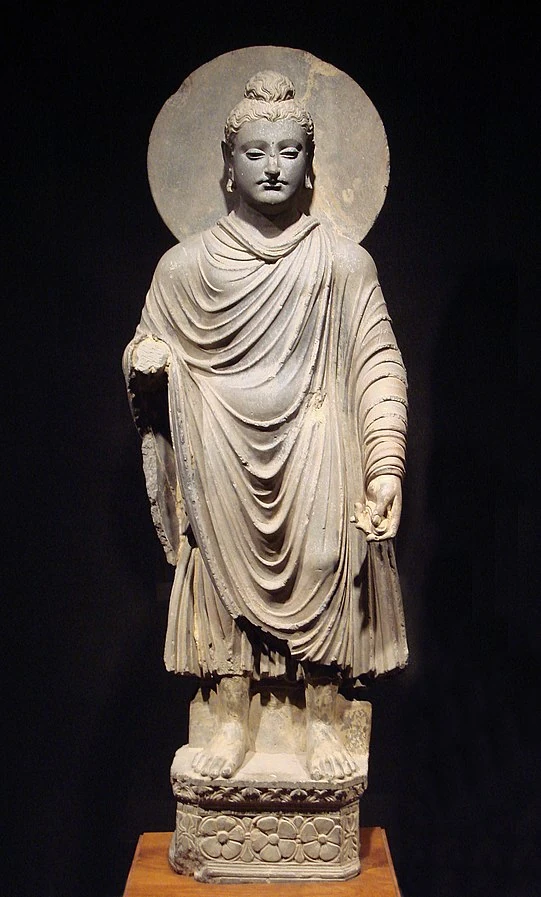
Ashoka and the Kalinga War: All You Should Know About It

Introduction
The Kalinga War is one of the most important events in the history of India. It was not just a battle between two dominant forces. Instead, it changed a cruel emperor into a peaceful one. However, the Kalinga War caused great loss and suffering. Many people lost their lives. Even then ,one positive result come from this event. As a result , it helped spread moral values, good governance, and Buddhism across South Asia.
In the blog ,we will discuss the Kalinga War, its importance, and its impact on Emperor Ashoka’s life. We will explore the lion capital of Ashoka. In addition ,we will examine the Major and Minor Rock Edicts.
What is the Kalinga War?
Image Source : Facebook
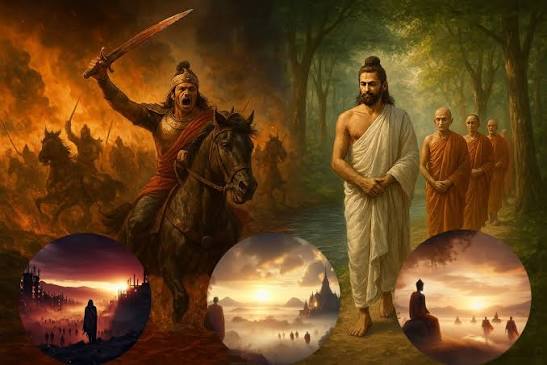
The Kalinga War took place in 261 BCE. It was fought between the Mauryan Empire under the reign of King Ashoka. The independent state of Kalinga (today known as Odisha).
Kalinga was rich and well positioned. It had strong trade routes and a stable economy. At the time, most kingdoms were already under the Mauryan Empire. However, Kalinga refused to accept Mauryan Rule. As a result, it stood out as a powerful and independent region. Therefore, it became a major concern for Ashoka and his expansion plans.
Some of the main causes of the Kalinga war included
Image Source: History Unravelled
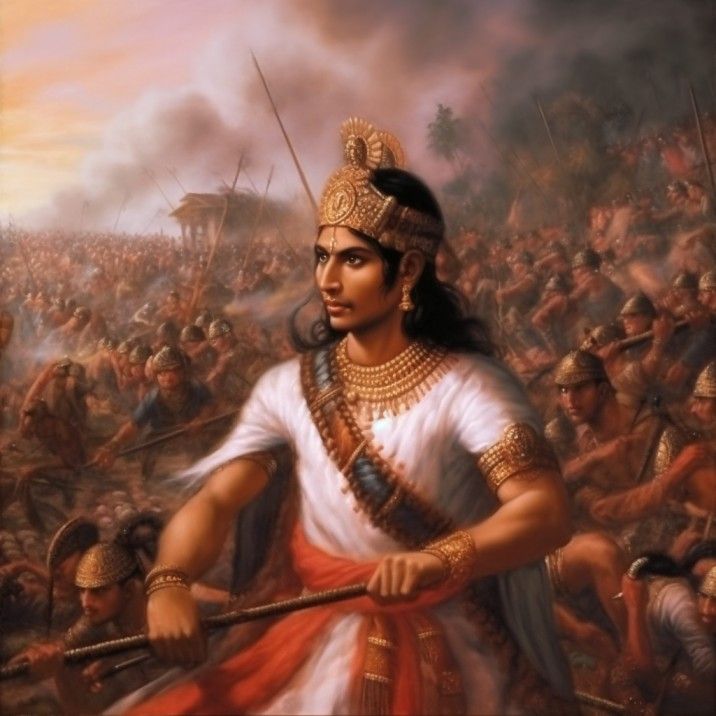
- Strategic Location: Kalinga had a strong strategic position. It gave access to important coastal routes. As a result, it was very useful for trade and control.
- Economic Benefits: In addition, Kalinga had busy ports. These ports helped trade between India and Southeast Asia. So, the region became rich and powerful.
- Political Independence: However, Kalinga remained independent. It did not accept Mauryan Rule. Therefore, it become a treat to the Mauryan Empire.
- Expansion Policy: Moreover, King Ashoka wanted to expand his empire. He aimed to bring all of India under his rule. So, Kalinga War became an important target.
Destruction of the Kalinga War
Image Source: Lexica
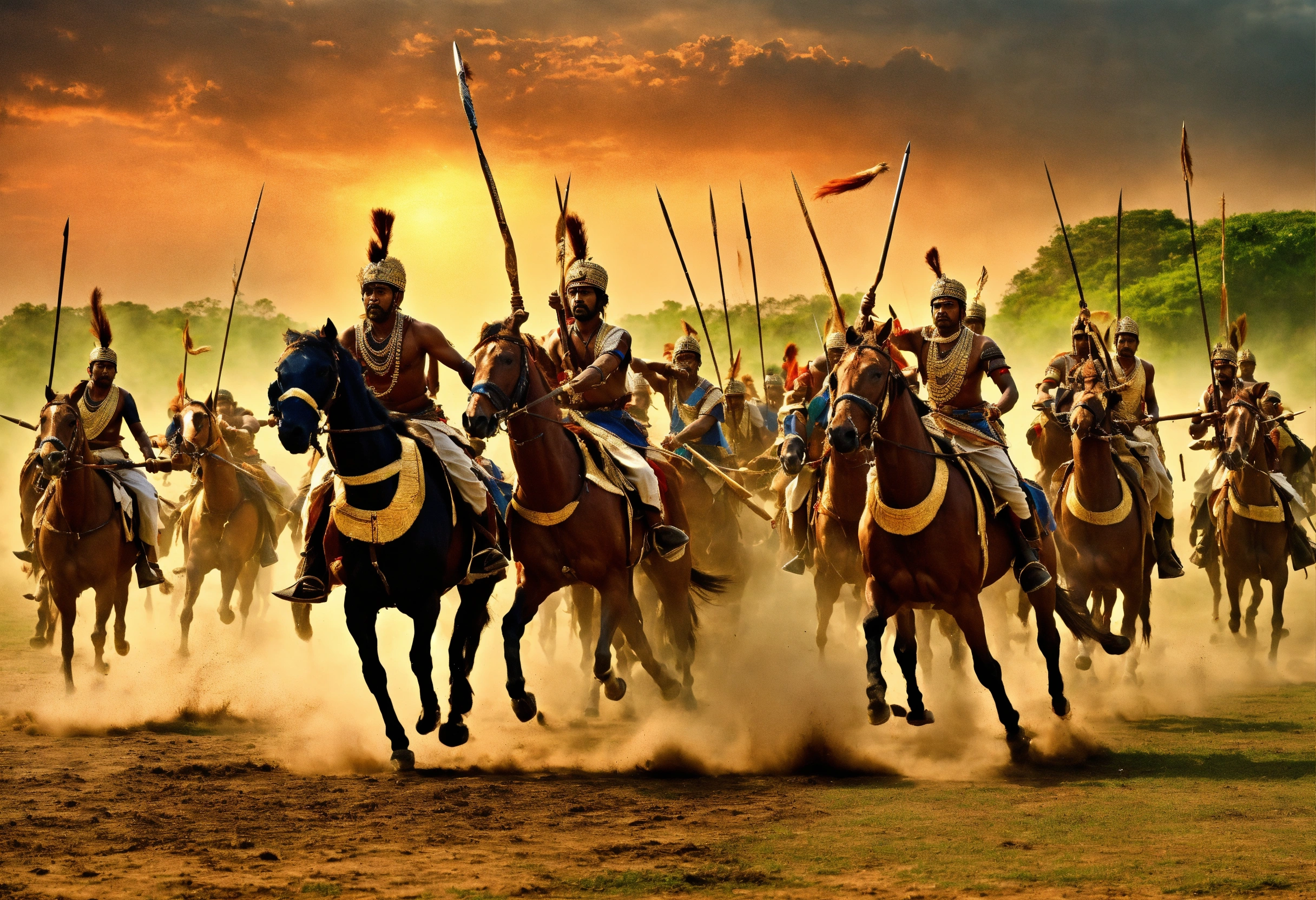
The Kalinga war was extremely brutal. As a result, Thousands of people lost their lives, and furthermore, countless innocent families suffered deeply. Therefore, the impact of the war was not limited to the battlefield alone.
- About 100,000 people lost their lives. As a result, Many families were destroyed.
- As a result, nearly 150,000 people had to migrate. Therefore , many lost their homes and security.
- Moreover, many others were injured. As a result, They lost their homes.
The Kalinga war caused massive lost of life. Not only solders died, but many common people also lost their lives. Because of this, cities were destroyed and families are broken. So, it become one of the deadliest wars in Indian History.
Change in Ashoka After the Kalinga War
Image Source : Instagram
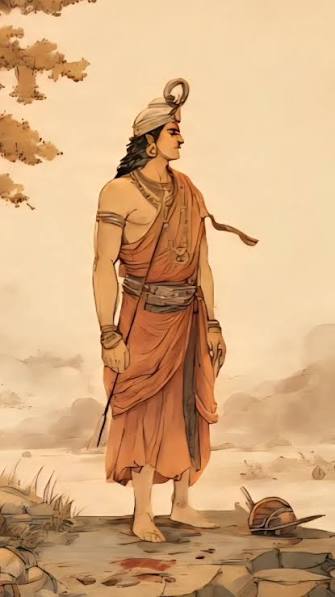
Instead of being happy with his victory, he begins thinking of:
- Suffering of innocents
- Destruction of whole communities
The price paid by humanity for this war was extremely high. As a result, thousands of lives were lost, and many families suffered deeply. Moreover, the pain and destruction affected countless people. Therefore, the war left a lasting scar on society.
It marked the turning point of his life. He decided to renounce violence and follow the path of ethics.
Concept of Dhamma
After the Kalinga War, Ashoka included the concept of Dhamma. As a result, he encouraged people to follow ethical behavior rather than strict religious practices. Moreover, this idea focused on kindness, compassion, and respect for others. Therefore, it marked a significant shift in his rule.
Dhamma stressed on following
- Ahimsa means no harm. It Shows peace. It is good.
- Respect all beings. Be kind. This matters.
- Truthfulness and Honesty
- Compassion and tolerance.
Ashoka changed his ways from Digvijaya (military conquest) to Dharmavijaya (moral conquest), trying to win the hearts of people.
Major Minor Rock Edicts
Image Source: Superb Collections
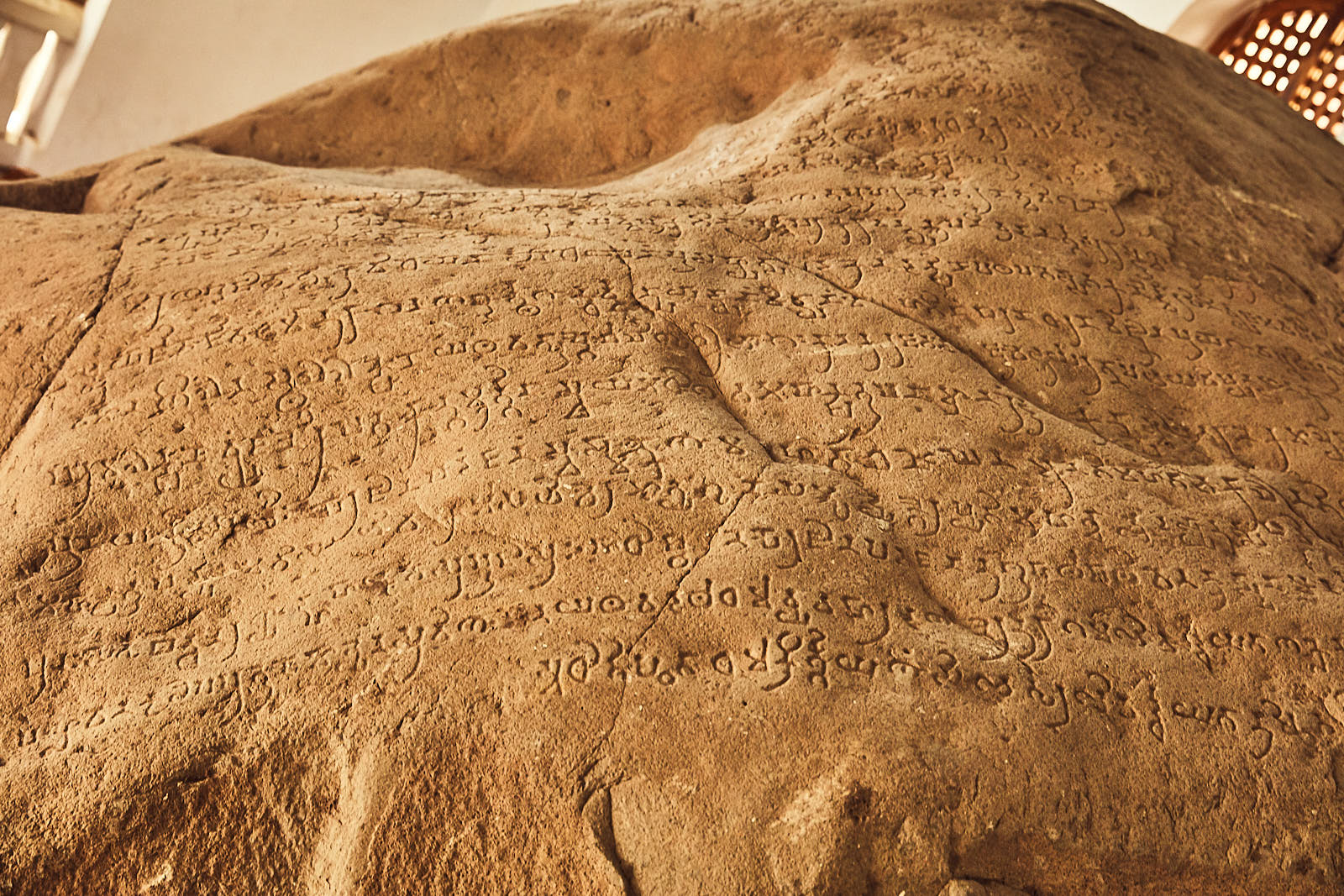
The Major Minor Rock Edicts refer to the inscriptions written on rocks and pillars in the Mauryan Empire. They are the most authentic sources regarding the ideas of Ashoka post Kalinga war.
Major Features of the Major Minor Rock Edicts
- The edicts were written in the local language of common people
- Spread in different regions of the empire
- Moral and ethical codes of conduct.
Main Messages
- Consequences of Non-violence
- Religious tolerance
- Justice and Honesty lion capital of Ashoka
- Benefits of Citizens and Animals
Ashoka’s Lion Capital
Image Source: Britanica

The Lion Capital of Ashoka can be termed as one of the most significant symbols linked with the reign of Ashoka post the Kalinga War.
Features
- Lion Capital of Ashoka facing each other back-to-back
- The lion capital of Ashoka Showcase strength, bravery, pride, and self-confidence
- The Ashoka Chakra stands for low and righteousness. It shows truth and justice. It is important.
Currently, the Lion Capital of Ashoka forms the National Emblem of India.
Lion Capital of Ashoka indicates that Ashoka has evolved from being a warrior to an emperor governed by ethics and righteousness.
Welfare Policies of Ashoka
After the Kalinga War, Ashoka focused on public welfare, not on expanding his army. In this way, he cared for his people. Therefore, his rule became peaceful.
Some of the significant actions taken by him included
- In addition, he built hospitals for people and animals. In way ,he created for all. Therefore, his rule became kind.
- Also, he planned tress along the roads. In this way, travel became easier. So, people benefited.
- Thus, he provided water and build rest houses. In this way, travel became easier. Therefore, people benefited.
- Mistakes can be fixed. We learn form them . We grow.
Spread of Buddhism
Image Source: Alternative History- Fandom
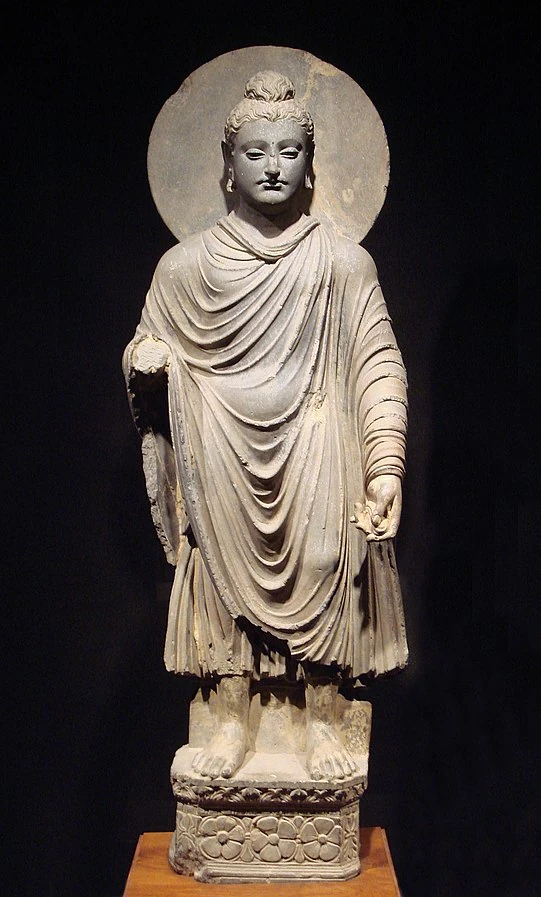
The Kalinga War was also crucial for the spread of Buddhism. As a result, Ashoka began to promote its teachings across his empire moreover, he encouraged values like peace, compassion and non violence among his people. Therefore, Buddhism grew stronger and reached many parts of the world.
- As a result, Ashoka became a follower of Buddhism. Over time, he embraced its values and chose the path of peace. Therefore, his life changed in a meaningful way.
- As a result, Ashoka spread Buddhism and shared his rock edicts by sending missionaries to Sri Lanka and Southeast Asia. In this way, his message spread far and wide. Therefore, his ideas grew.
- As a result, he built stupas and monasteries. In this way, he spread Buddhist teachings. Therefore, these places became centers of peace.
Because of this, Buddhism spared beyond India with Ashoka’s help. In this way, it reached many places. So, it became a universal religion.
Historical Importance of the Kalinga War
Even today, the Kalinga War teaches many lessons. It shows the value of peace. Therefore, it matters.
- This marked the last act of aggression in the Maurya Empire
- This marked the end of unscrupulous rule
- This was important for spreading Buddhism
- It has led to the building of monuments such as the Lion Capital of King Ashoka
- This has helped provide historical sources such as the Major and Minor Rock Edicts
Lessons from the Kalinga War
Even today, the Kalinga War teaches us many lessons. It shows the value of peace. Therefore, it matters.
- Strength lines in compassion not in aggression. Kindness makes us strong. Therefore, it is the better choice.
- Leaders must take responsibility for their decisions. This builds trust. People respect them.
- Ethical values matter. They have a lasting impact. So, they are important.
- The Rock Edicts of Ashoka share simple ideas. They teach good ways. They help all.
Conclusion
The Kalinga War was more than just a battle. In fact, it was a key turning point in history. As a result, it changed Ashoka’s life in a deep way. He moved from being a conqueror to a ruler who stood for peace and righteousness. Moreover, This change shaped his rule and the values he shared with his people. Therefore, the war had an impact far beyond the battlefield.
Furthermore, from the Rock Edicts of Major and Minor of Ashoka and Lion Capital of Ashoka .The messages of peace and righteousness have continued to motivate individuals till date.
With an understanding of Kalinga War, we can see that there is light even in darkness.
Your Thoughts
If you found this post helpful, please share it with others. In this way, more people can learn about this war. Moreover, your support matters. Therefore , do not forget to share it.
Moreover, share your views in the comment section below. In this way, you can share your thoughts. Therefore, feel free to comment.
Moreover, do you want to know more about the Dhamma of Ashoka ? If so, check out our other articles. Therefore, feel free to explore and learn more.
Visit Us Now With My Others Blog Anirban Kundu