
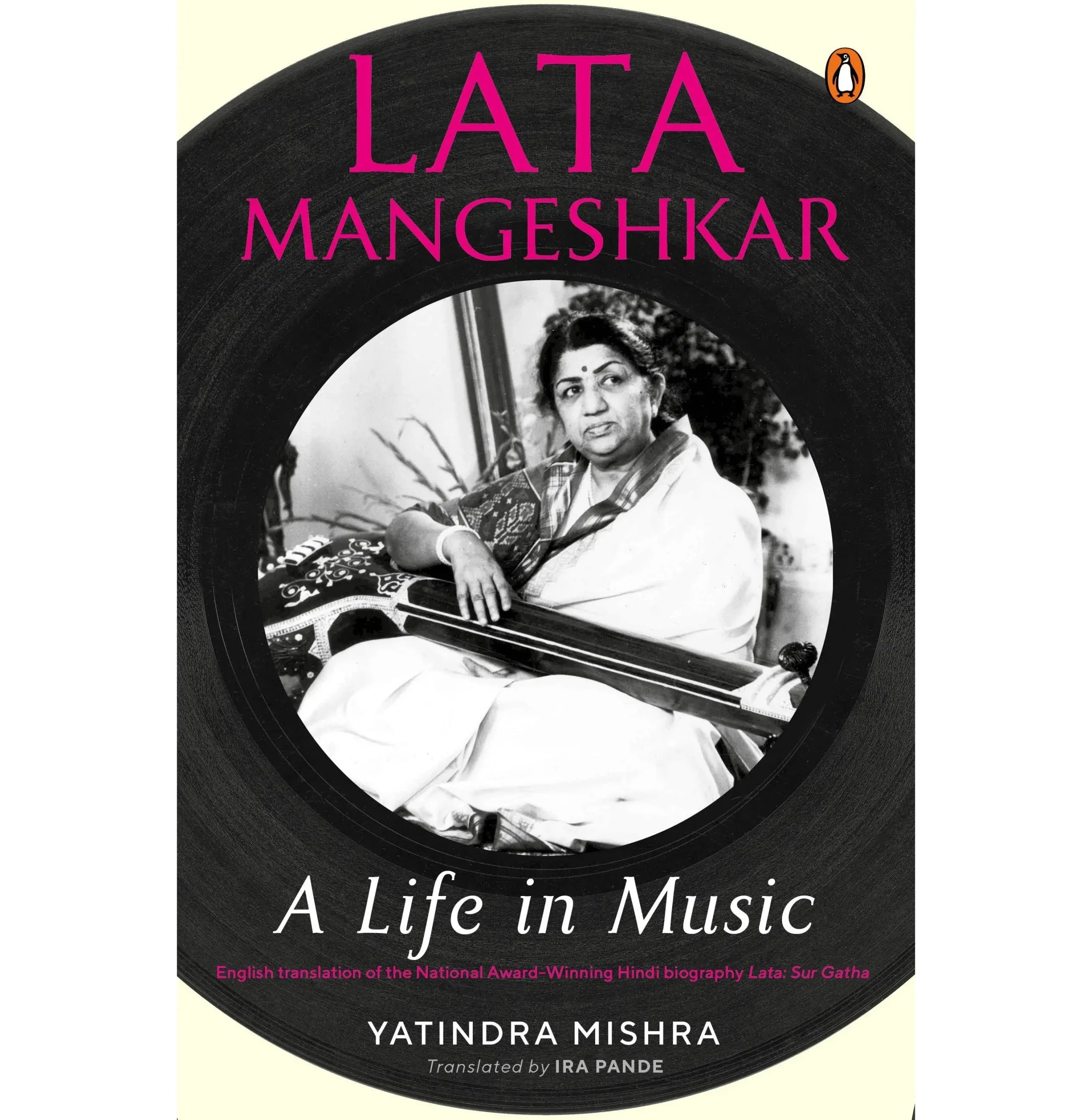
Lata Mangeshkar Biography: Age, Early Life, Songs, Awards & Life Story

If you ask someone who has grown up listening to Hindi films music the name of “the voice,” there is hardly any chance of them giving any name other than Lata Mangeshkar. She is known as the Nightingale of India, and truly enough, it is an apt name since she has been the voice of Indian cinema for nearly seven decades. This article is all about the biography of Lata Mangeshkar which keeps making the rounds among her fans: where she comes from, how she got into playback singing, her famous songs, and the accolades that made her a national icon.
Who Was Lata Mangeshkar?
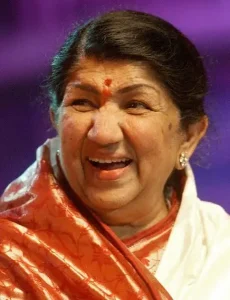
image source:Britanica
Lata Mangeshkar was born on September 28, 1929, in Indore, India, and she died on February 6, 2022, at the ripe old age of 92. That alone is a feat most people wouldn’t dare consider remarkable, but what makes it outstanding is the fact that she spent most of her professional life making songs from when she was a teenager until her eighties. For anyone who has been pondering the age of Lata Mangeshkar throughout the course of her professional career, this is the answer — hardly any artist has a career as long as hers in the history of humanity.
Being the eldest of the five children, Lata Mangeshkar happened to come from an entire family of talented people, since all her siblings Asha Bhosle, Usha Mangeshkar, Meena Mangeshkar, and Hridaynath Mangeshkar managed to make a career for themselves in the music industry. It is only Lata who got the honorific title of “Lata Didi,” a name which is synonymous with the name of her entire family.
Early Life of Lata Mangeshkar
But music didn’t become the passion of Lata Mangeshkar later on. Music was the air she had to breathe as a young girl. She was taught to sing classical music by her father, Pandit Deenanath Mangeshkar who was both a singer himself and owned a theater company. Did you know that she was not called “Lata” from the very beginning? In fact, she was named Hema at birth but the character in one of her father’s plays was named Lata and he gave her the new name.
Everything changed for Lata Mangeshkar in 1942. Her father passed away and, being 13 at that moment, she was left with the responsibility to take care of her mother and siblings. It is a tremendous burden to bear at such a young age. And this period she remembered very well in her interviews and in many biographies about her life that were published. In a certain way, necessity is what forced her to become a singer and actress.
The Journey Into Playback Singing
Her first playback song was recorded that same year, 1942, but it certainly didn’t start out with her as a success story at the beginning. Some music directors even rejected her at first because of her weak voice. However, it was Ghulam Haider who had another vision of the young singer and offered her chances which made her life completely different. By the late 1940s she became the voice which created songs in Bollywood.
Lata Mangeshkar Songs: A Career Like No Other
image source:crossword.in
However, summarizing Lata Mangeshkar’s songs in several lines may be perceived as insufficient to the extent of her discography. Namely, Lata Mangeshkar recorded music in various languages, including Hindi, Marathi, Bengali, Tamil, among others, and worked with virtually all leading directors of the times, such as Naushad, Shankar-Jaikishan, R. D. Burman and even later with A.R. Rahman.
The songs that Lata Mangeshkar recorded for Mahal, Mughal-e-Azam, Guide and Silsila films are some of the most recognized Lata Mangeshkar hits, which always remain in the list of top 100 songs by Lata Mangeshkar. Moreover, people can enjoy these songs at weddings or simply on calm evening after decades.
The next hit is Ae Mere Watan Ke Logo, which is a patriotic tribute dedicated to Indian soldiers. According to the legend, while performing Ae Mere Watan Ke Logo song, Lata Mangeshkar made tears roll from the eyes of the whole audience, including the Prime Minister of India in that time. Thus, Ae Mere Watan Ke Logo is one of those rare performances in which one can feel an immense emotion Lata Mangeshkar could put into one song.
Moreover, people are often searching Lag Ja Gale song, because it is one of the most beloved romantic melodies recorded for Hindi films. However, the lyrics cannot be reproduced due to the copyright issues; thus, one can easily find the lyrics online on any authorized lyrics platform.
Also, Lata Mangeshkar has recorded some devotional and non-film songs. Some albums featuring Lata Mangeshkar, particularly those dedicated to devotion, are still popular among her fans.
Lata Mangeshkar Awards and Recognition
Here’s a brief rundown of the accolades she received throughout her career:
• Bharat Ratna (2001): India’s highest civilian award
• Dadasaheb Phalke Award (1989): Highest honor of Indian Cinema
• Padma Bhushan (1969) and Padma Vibhushan (1999)
• National Film Award for Best Female Playback Singer: multiple times
• Filmfare Awards, including a Lifetime Achievement Award
• Other honors from foreign governments, including France
When put together, these Lata Mangeshkar awards paint a very clear picture: this was not just an excellent singer. This was a person whose legacy became a part of how India perceives its own culture.
Personal Life and Legacy
Marriage was never a priority. According to most of those around her, she always put her family and her craft before anything else, particularly after the death of her father, at which point looking after her brothers took precedence over everything else. Many have spoken of her strict approach towards her vocal exercises, known as riyaz, as the true factor behind her longevity in her craft.
Her passing in 2022 marked the end of an era in Indian music. However, her discography is far from forgotten. It remains a standard in music academies and documentaries to this day and even the yardstick against which contemporary musicians are measured.
Conclusion
The essence of Lata Mangeshkar’s biography lies in resilience – a little girl who lost her father at a very early age and was forced to take responsibilities of life in no time, which she converted into one of the most unique career paths ever pursued in the history of Indian music. Even after several years since her death, her music is heard somewhere – on cell phones, at weddings, in cars.
image source: