
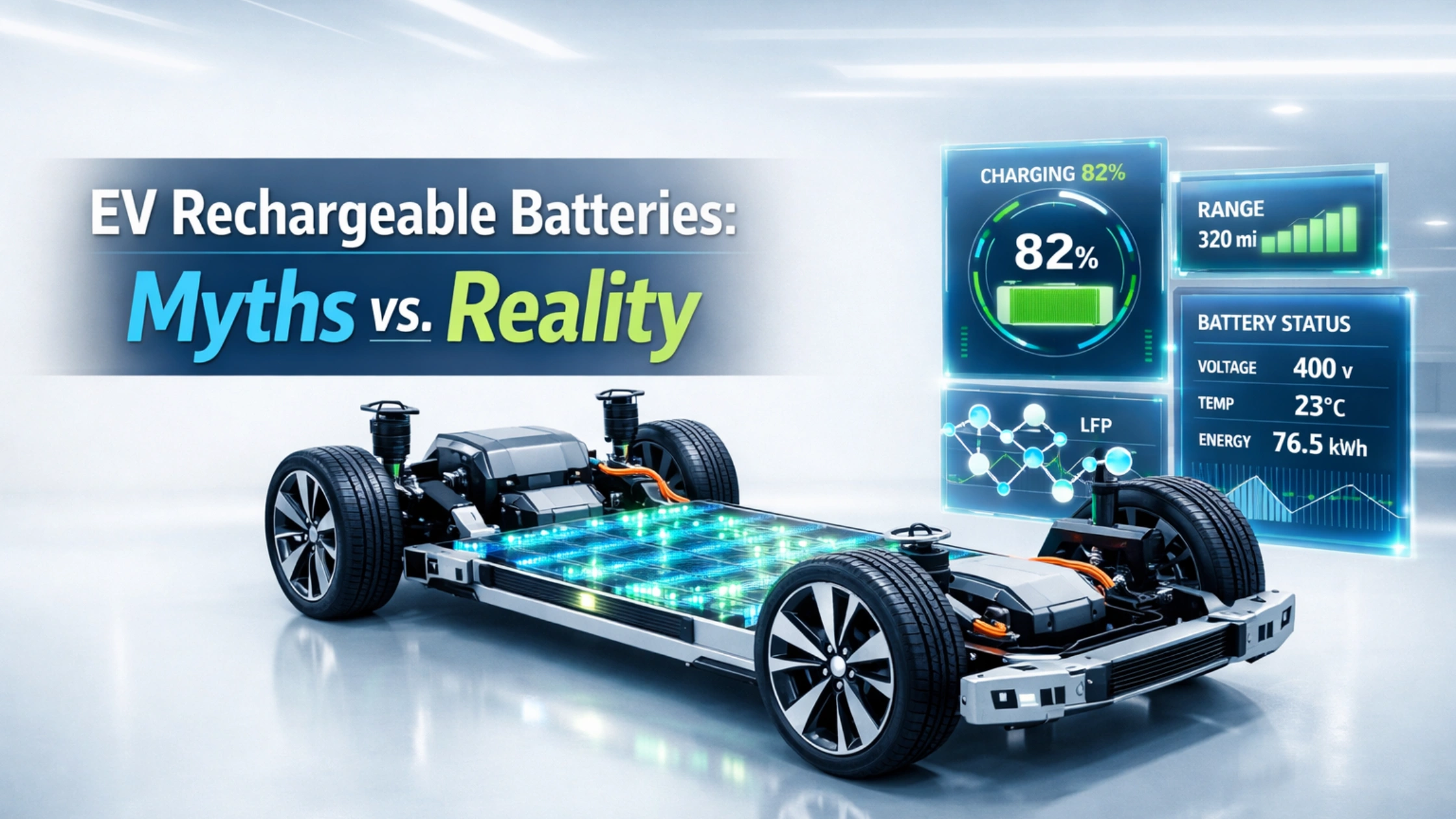
Guide to EV Rechargeable Batteries: Myths vs. Reality

Electric cars have revolutionized the concept of transportation. The advent of electric vehicles in India has made people curious about the types of batteries used in electric cars. Many people wonder if there are any electric cars that operate using non-rechargeable batteries. The obvious answer is no because EVs make use of rechargeable batteries, especially lithium-ion batteries, owing to their need for constant recharging.
Why EVs Can’t Use Non Rechargeable Batteries
The purpose of non-rechargeable batteries is to have a single charge. Alkaline batteries and zinc-carbon batteries are among them. Just about the amount of trash that would result from having to replace several throwaway batteries each time you drove your automobile. Electric vehicles require sustainable power sources, and rechargeable batteries provide this requirement.
Types of Rechargeable Batteries Used in Electric Cars
The use of rechargeable batteries in electric cars comes with some common types of batteries that have their own advantages. We choose these batteries depending on various factors such as cost, performance, and reliability.
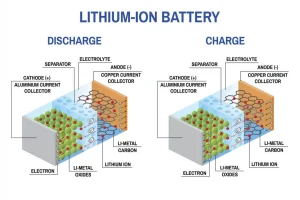
Source: us.misumi-ec.com
Lithium Ion Rechargeable Batteries
There are no electric cars without Lithium-ion rechargeable batteries as these batteries are key to making the EVs work. The good thing about lithium-ion batteries is that they store high energy density and can be used in passenger cars and premium electric cars. These batteries are of different types:
Nickel Metal Hydride Rechargeable Batteries
Nickel metal hydride batteries have been extensively used in hybrid electric vehicles, although they are not commonly found anymore. These batteries are reliable but bulky and inefficient, unlike lithium-ion batteries.
Lead-Acid Rechargeable Batteries
These batteries are easy to produce and affordable. Nonetheless, they tend to require too much room because of their low energy density, thus can be applied in only tiny EVs.
Solid-state Rechargeable Batteries
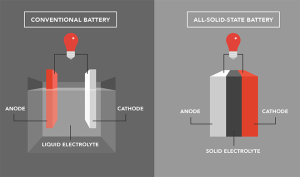
Undoubtedly, this will be the way that the future of energy storage will take in EVs. Instead of using liquid electrolytes, solid electrolytes are used in solid-state batteries. These batteries will be charged faster and last longer than other rechargeable batteries.
Types of Batteries Used in Electric Vehicles in India
There are numerous variations in India’s EV ecosystem, and battery packs depend on the type of vehicles, cost factors, and performance requirements. Battery packs are designed for two-wheelers, three-wheelers, passenger cars, and commercial fleets.
Two Wheelers and Three Wheelers
Electric scooters and rickshaws have a stronghold on India’s EV market. This is due to the fact that most electric scooters and rickshaws rely on lithium iron phosphate batteries. Lithium iron phosphate batteries are cheap, safe, and durable. They are thus the best batteries to use in electric scooters that will be used to cover short distances.
Passenger Cars
For cars to have greater driving ranges, their energy density must be higher. Manufacturers like Nickel Manganese Cobalt (NMC) rechargeable batteries because of this. Indian consumers can go farther between charging stops thanks to these batteries, which strike a mix between endurance and performance.
Commercial EVs
The buses and delivery vehicles that rely on electric power tend to incorporate lithium battery technologies of a cutting edge variety. While some vehicles utilize LFP batteries, others choose NMC batteries for their extended driving range. The choice depends on whether the priority is cost efficiency or maximum mileage.
Lead Acid Batteries in Entry Level EVs
Although less advanced, lead acid rechargeable batteries are still used in some entry level EVs and e-rickshaws due to their low cost. However, they are bulky and have shorter lifespans, so the industry is gradually shifting toward lithium based solutions.
Future Trends in India
Solid state rechargeable batteries are under consideration for use in India. Such batteries offer faster charging and better energy density, which is sure to transform the use of electric vehicles in West Bengal. With the help of government policy, such advancements will render EVs more available to all citizens.
Comparing Types of Lithium Batteries
In assessing the different types of rechargeable batteries suitable for electric cars, it is crucial to be aware of the characteristics associated with each battery chemistry. This includes the energy densities and costs among others.
Energy Density and Range
• NMC (Nickel Manganese Cobalt): These batteries are high energy density batteries. As such, they provide increased ranges. They are very popular in the Indian market since they suit passengers who want to drive longer distances.
• LFP (Lithium Iron Phosphate): Despite low energy densities, the batteries provide consistent performance within short distance drives. They are commonly found in two wheelers and buses due to the minimal ranges needed.
Safety and Stability
• LFP Rechargeable Batteries: LFP batteries are renowned for their thermal stability, which reduces the possibility of fires and prevents overheating. India’s high temperatures make them perfect for usage there, especially in West Bengal during the summer.
• NMC and NCA Batteries: These offer higher performance but require advanced battery management systems to ensure safety.
Cost and Affordability
• LFP Batteries: More affordable, making them the go to choice for budget friendly EVs. Their lower cost helps accelerate EV adoption in India.
• NMC Batteries: More expensive due to cobalt content, but they balance cost with superior range.
Durability and Charging Cycle Count
• LFP Rechargeable Batteries: Extremely robust and able to withstand thousands of cycles of charging.
• NMC Batteries: They last a long time, although they may deteriorate rapidly in harsh environments.
H3- Environmental Impact
• LFP Batteries: Less dependent on rare metals and easier to recycle, making them more environmentally friendly.
• NMC/NCA Batteries: Their use of nickel and cobalt raises concerns about their sustainability.
Specific Concepts Related to Rechargeable Batteries
Apart from the general principles of rechargeable batteries, electric cars employ advanced technology and inventions that make them efficient, safe, and environmentally-friendly. Such specific concepts of rechargeable batteries have significant implications for the future of EVs in India and throughout the world.
Battery Management Systems (BMS)
All electric cars with rechargeable batteries possess a battery management system. We can regard BMS as the brain of the whole battery pack. This system constantly regulates voltage, current, and charging cycles. Thus, it prevents overheating and overcharging of batteries. In hot Indian climatic conditions, the presence of an efficient BMS is critical for using lithium-based batteries in electric cars.
Thermal Management
Heat is the most dangerous thing for rechargeable batteries. We should employ efficient thermal management systems including air, liquids, or phase-changing material techniques to keep an ideal temperature. This extends the life of batteries and enhances their performance, especially during long drives and while fast charging.
Recycling and Sustainability
In view of the increasing use of EVs in India, the recycling of batteries is important for firms to adopt. We can extract components from lithium, cobalt, and nickel at recycling centers
Fast Charging Technique
The advanced technique used to charge modern EVs does not damage the battery while charging. With innovations in charging technology, rechargeable batteries can get 80% of their capacity charged within an hour. This makes electric cars more convenient for regular and distance travel.
Second‑Life Applications
Even after we use in EVs, rechargeable batteries find applications in stationary energy storage technologies. For instance, we can use spent lithium-ion batteries to store solar energy in buildings or organizations.
Solid State Development
This is an advanced technology that gives increased energy storage capacity, fast charging capabilities, and enhanced safety through solid material rather than the use of liquid electrolyte. Despite being at the early stages of study, this technology has the ability to revolutionize batteries used in electric vehicles in India.
Final Thought: Rechargeable Batteries that power EV
The notion that the batteries of an EV cannot be recharged is purely mythical. It is due to their sustainable nature and efficiency that EVs use rechargeable batteries. By knowing about the different battery types used in Indian electric vehicles, one can better understand the future of electric vehicles in India.


