
Robot vs Surgeon: Who Really Does Surgery Better?

Introduction
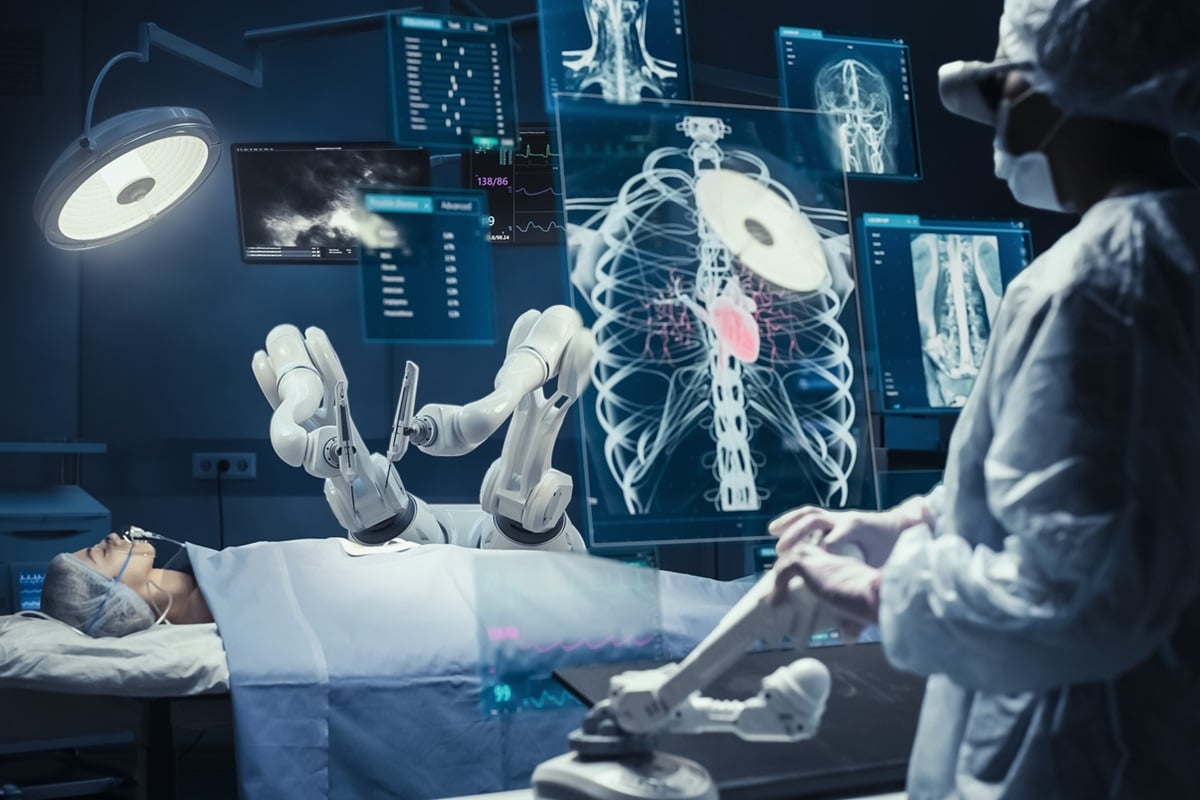
Picture a surgeon in the middle of a delicate operation, where a small shake of the hand could destroy a life. Now imagine the same with robotic arm. This juxtaposition has generated one of the greatest controversies in contemporary medicine: Should robots replace human surgeons? The answer is more complex than most would believe. Robots are not the ones who make the decisions that could mean life or death for patients. Instead, expert surgeons use them as highly sophisticated tools.Their greatest advantage is not to replace human expertise, but to reduce the possibility of human error. Surgeons and robotic systems are redefining patient care by combining machine precision with human judgement where Robotic Systems Outperform Humans.
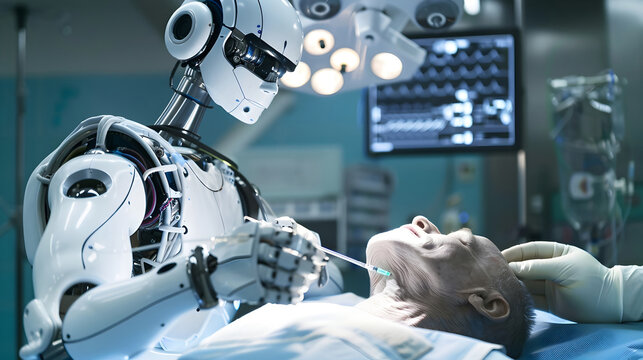
Image Source: Adobe Stock
Micro-Movements and Steady Hands Which is Better than Surgeon
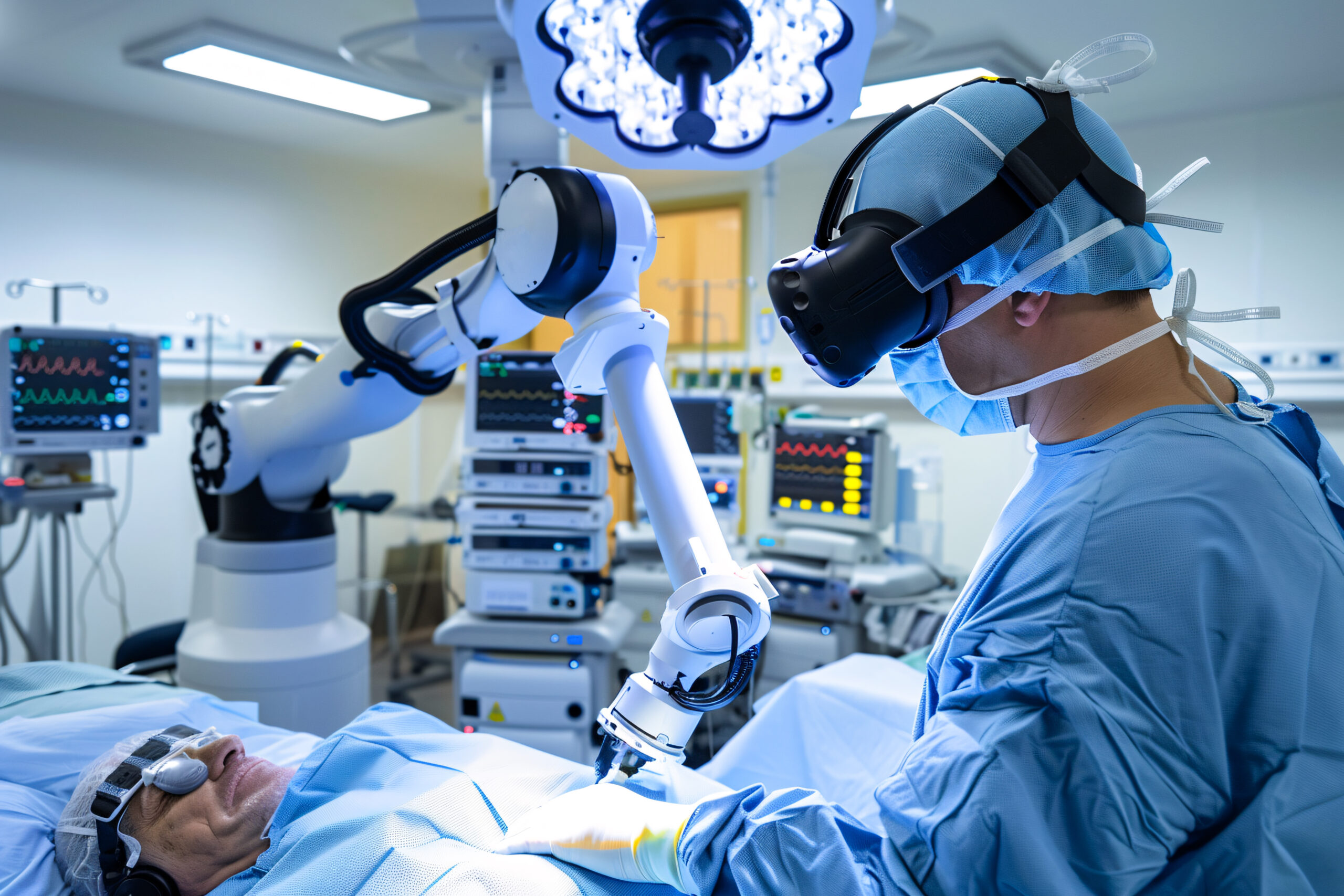
Image source: ZenPlus
A great advantage of robotic surgery is that it filters out the natural tremors of the hand. No matter how experienced surgeons become, they cannot eliminate microscopic movements caused by muscle fatigue or natural body functions entirely. Modern robotic systems have tremor filtration technology that allows sub-milli meter accuracy of motion. This level of accuracy is particularly useful when operating on delicate nerves, blood vessels and organs. “Open surgery traditionally requires large incisions for visualization. Even the most experienced surgeons cannot completely eliminate microscopic movements caused by muscle fatigue or natural body functions.
Better depth and sight Comparatively Surgeon

Image Source: Liv Hospital
The great visual is another advantage of robotic surgery. Surgeons do not look directly at the surgical field, but operate using a 3D high-definition camera that magnifies it several times. This magnified view allows surgeons to see the tiny nerves, blood vessels and layers of tissue that are difficult to see during traditional open surgery. Better visualization leads to greater accuracy and less chance of accidental injury reduced Physical Fatigue.
Less Physical Fatigue for a Surgeon

Image source: Liv Hospital
Operations of complexity can last eight to ten hours and even longer. The surgeons suffer the huge physical burden of intense concentration while standing for long hours. Robotic systems improve ergonomics, so that surgeons can sit comfortably at the control console. Less fatigue supports consistent performance over extended procedures. Research has found a correlation between surgeon fatigue and an increase in mistakes, highlighting the importance of comfort for patient safety and surgical results.
The Human Edge in the Operating Room
Real-Time Judgment and Intuition With the Help of Surgeon

Image Source: Bing Info
Despite remarkable advances in technology, robots still lack human intuition. Imagine a situation where bleeding occurs unexpectedly during operation. A good surgeon can look at a situation, change a surgical plan, and make life-saving decisions in seconds. Experienced surgeons often speak about a “gut feeling” that comes from performing thousands of surgeries. This cannot yet be mimicked by artificial intelligence. Today’s robotic systems also have limited tactile feedback. Surgeons continue to depend on their experience to interpret visual cues and understand tissue response during complex procedures.
Handling Unpredictable Anatomy by the Surgeon
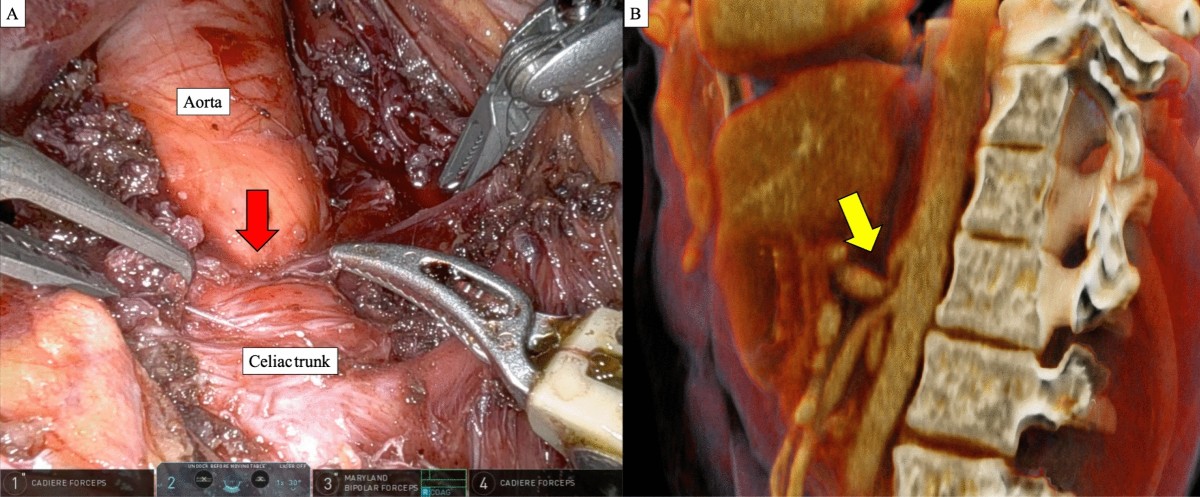
Image Source: Springer Nature
Human bodies are different from each other in many ways. They could have blood vessels that do not run in standard routes, or organs which are larger or smaller than expected. Even though artificial intelligence programs are getting more and more advanced by the day, there is no way for them to react to any unusual conditions because they were programmed to perform operations in certain ways. However, human surgeons are very good at adapting to new situations and making adjustments to their procedures.
Ethics and Accountability
Accountability also plays a very important role here. It is very difficult to determine who would be responsible in case of errors committed during robotic surgeries. Would it be the surgeon, the hospital or the software company which developed the program? Another thing that makes people choose human surgeons is the fact that they enjoy human interaction.
Comparing the Patient Experience
Faster Recovery and Less Pain
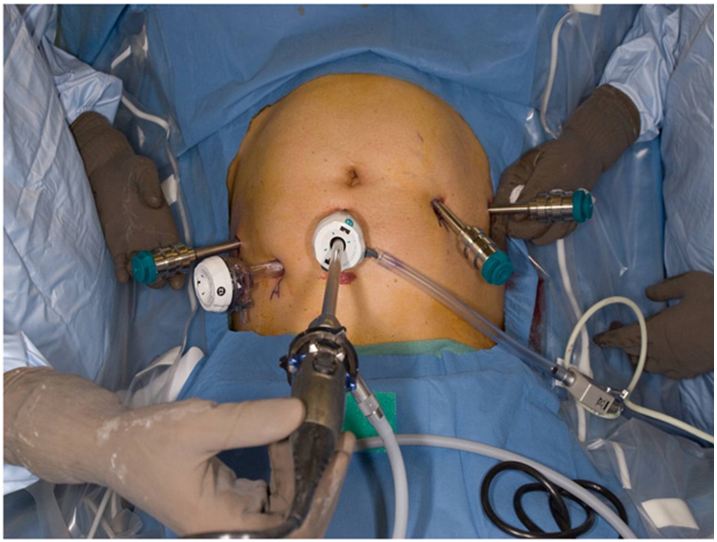
Image Source: Apollo Hospital
For a lot of patients, there are obvious advantages to having robotic surgery after the procedure is completed. Robotic surgery is known to lead to:
- Smaller incisions
- blood loss
- Lower risks of infection
- Reduced pain
- Shorter stays at hospitals
- Faster recovery times
Patients tend to spend less time at hospitals compared to similar open procedures, and as a result, reduce their recovery time and healthcare expenses.
The Cost of Automation
However, all these benefits carry substantial financial burden. Robotic surgical systems are very expensive to buy and maintain, while requiring special instruments and training of healthcare workers. Coverage is determined by the type of operation and health care system. Although robotic surgery is initially more costly, shorter hospitalization periods and decreased number of complications may compensate for some expenses in the long run. Patients are recommended to consult doctors about possible costs and benefits of a particular surgical treatment.
Access to Specialized Care
Telesurgery is an interesting concept that allows specialists from afar to perform surgery through robotic devices. Think of an expert surgeon in New York operating on someone living in rural Asia from an operating room. While there has been a limitation in the form of network lag in the past when it comes to long-distance surgeries, the advancements in ultra-fast communication technologies and upcoming 6G connectivity are promising for the future.
The Future of Hybrid Surgery
The Age of Collaborative Robotics (Cobots)

Image Source: Grant Thornton
The future of surgery is not about replacing doctors with robots but working together. Cobots work with surgeons, helping to decide the best path for incision and locating critical structures in the body. They do this through artificial intelligence and help guide the surgeon in their operations. Augmented reality overlays can show the surgeon CT and MRI scans of the patient.
Autonomous Tasks and Routine Steps
While decisions related to large-scale surgeries are entirely made by humans, robots become able to take care of repetitive actions. Suturing, tissue placement, and other routine procedures can be automated, which helps to save time in the operating room. When repetitive actions are performed by robots, surgeons get an opportunity to focus on the trickiest part of a procedure.
Educating the Future Generation
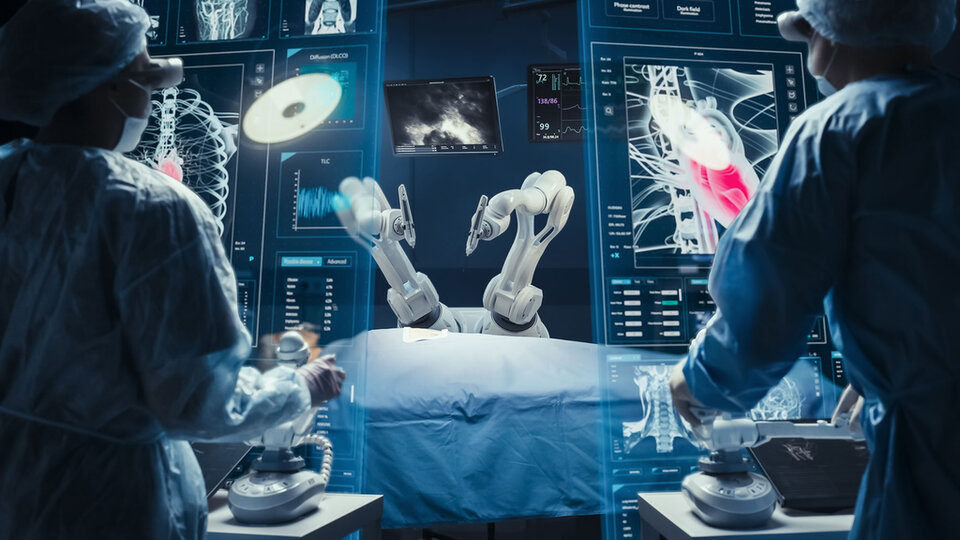
Image Source: Medical Technology
Another sphere in which medicine changes is education of future surgeons. Instead of practical experience gained during real surgeries with real patients, students train in virtual reality simulators and digital twins, which replicate human body perfectly. Using these methods of training helps them to gain practical experience, to get instant feedback about their actions, and to feel more confident when working in the operating room.
Choosing the Right Path for Your Health
When evaluating a potential surgery involving robotic assistance, consider these questions:
- Is the use of robotic-assisted technology suitable for me?
- How many robotic surgeries has my doctor performed?
- How successful have past operations been?
- Are there any alternative procedures that would be just as good?
- Does my insurance policy cover this procedure?
- How long will I need to recover?
Final Verdict: Surgeon with Machine, Not surgeon vs. Machine

Image Source: Atlantic International University
The problem is not between the robots and surgeons, but the combination of them both. The robotic systems offer unparalleled precision, steady hand, visualization, and fast recovery of the patients. The surgeons offer their skills and competencies in terms of adaptability, empathy, ethical conduct, and making decisions in case of unpredictable situations. With the continuous evolution of such technologies as artificial intelligence, collaborative robotics, augmented reality, and telemedicine, the future of healthcare will belong to such unusual cooperation. In order to achieve the best outcomes possible, it is necessary not to choose between humans and machines, but to use the advantages of both.