
Solar Power Benefits in India: Ultimate Installation Guide

Stand on an Indian rooftop in May and you’ll know we’re not short on sunlight. Most of the country gets 300-plus sunny days a year — feels wasted if that’s just heating your terrace instead of running your meter backward. That’s really at the heart of the solar power benefits in India conversation, and why homeowners, farmers, and businesses are finally taking it seriously. Here’s how it actually works, not the marketing version — from what happens inside a solar cell to what a real solar panel installation, solar pergola, and solar electric system looks like on the ground, and what “best” even means when every vendor claims theirs is the best solar setup around.
So, What Is Solar Power Anyway?
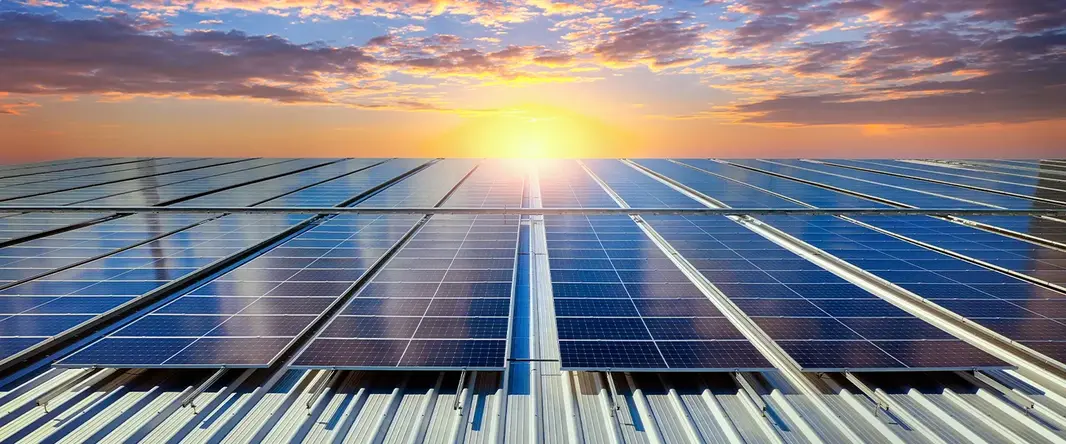
Image source – ECE – SOLAR
Strip away the jargon and solar power is simple: sunlight hits a solar cell, usually silicon, knocking electrons loose and turning that motion into electricity. One cell alone won’t power much — wire a bunch together and you’ve got a panel, connect several panels with an inverter, and you have a full solar electric system that can run a house or small factory.
The complexity isn’t in the physics — it’s getting the sizing, placement, and setup right for your roof, your bill, your life.
India’s interest in this isn’t just tree-hugging enthusiasm. We’re one of the biggest energy consumers on the planet, and coal can’t carry that weight forever, not economically, not environmentally. That’s why solar energy in India has gone from a government talking point to something your neighbour is actually installing.
Where India Stands in the Bigger Picture
The country has set ambitious targets for clean power in the coming years, and renewable energy in India has become one of the more closely watched sectors globally.
A big part of that credibility comes from the International Solar Alliance, or ISA — a coalition India helped launch, now involving over 100 countries focused on getting sun-rich nations to actually use their sunlight. The ISA is headquartered in India, so this isn’t India following someone else’s lead on clean energy; it’s leading.
Why does that matter if you’re just deciding whether to put panels on your roof? It signals staying power. Government backing at this scale doesn’t vanish overnight, and that stability matters for a decision meant to last 20-plus years.
What Actually Happens During Solar Panel Installation
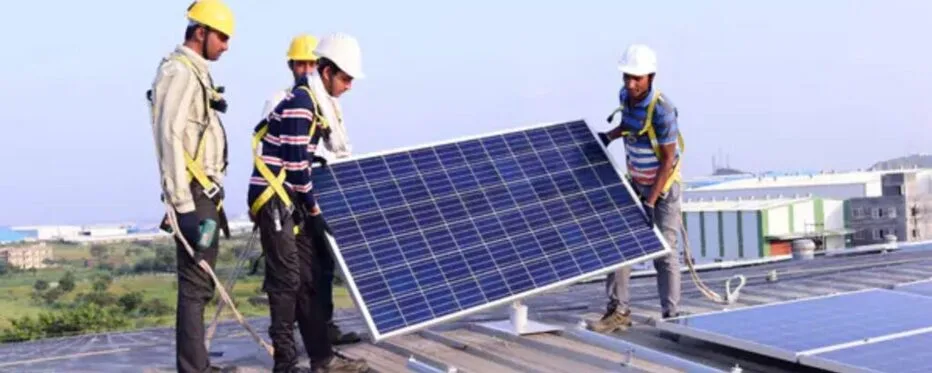
People often imagine solar panel installation as someone bolting down a few panels and driving off. In reality, skipping steps is usually where bad installations come from.
It starts with someone assessing your roof — sunlight exposure, shading, whether the structure can handle the weight. Ten minutes on Google Maps doesn’t replace this.
Then comes the actual solar design — how many panels, what size inverter, based on real electricity habits, not a generic estimate. A family running two ACs all summer needs a very different setup than someone using solar mainly for lighting and a fridge.
Then there’s paperwork most people forget — permits, board approvals, maybe subsidy applications. After that, technicians install everything and test it against what was promised on paper.
Best Solar Setup: On-Grid, Off-Grid & Solar Panel Installation Options?
Image source – Intersolar – Systems
Honestly, there isn’t one universal answer to what’s the best solar system — I wish there were, it’d make this whole guide a lot shorter. Where you live and how you actually burn through electricity ends up deciding it for you more than any spec sheet does.
If your city grid is actually reliable, on-grid systems make the most sense — stay hooked up, and extra power you generate gets sent back for credits. Out in the middle of nowhere with patchy access? That’s off-grid systems, running entirely on battery storage. And then there’s the middle ground: hybrid systems, grid savings most days plus a battery for when the power cuts out.
A compact flat in Bangalore and a farmhouse outside Nagpur don’t need the same solar answer.
Solar Isn’t Just Rooftops Anymore
Most people picture flat panels on a roof when they hear solar electric, but the tech has moved into more interesting territory. Take the solar pergola — a patio cover or carport where the “roof” itself is made of solar panels, shade and electricity in one structure, increasingly popular in villas and commercial spaces across India.
Then there’s sunlight solar in farming, particularly solar-powered irrigation pumps — a genuinely practical shift for farmers dealing with unreliable grid power or rising diesel costs.
Why People Actually Go Solar: The Real Solar Power Benefits in India
Sure, the climate angle matters. But if I’m being honest, most people I’ve talked to decide for reasons a lot closer to home. The bills drop over the system’s 20-25 year life. Subsidies take the edge off the upfront cost. There’s backup power when the grid inevitably fails at 11pm on the hottest night of the year. And buyers increasingly treat solar as an asset when they’re house-hunting, not a quirky add-on.
Things to Know Before Solar Panel Installation
Before starting a solar panel installation, it’s important to understand that solar isn’t magic, and it’s not maintenance-free. Panels need occasional cleaning — dust build-up is real in most Indian cities — and inverters typically need servicing after a few years. The upfront cost, even with subsidies, needs planning
Bringing It All Together
Solar power in India has stopped being a niche environmental statement and become a practical, mainstream decision — backed by real policy, partnerships like the International Solar Alliance, and tech that keeps getting cheaper. Whether it’s a straightforward solar panel installation, a solar pergola over your patio, or an off-grid solar electric system, the basics stay the same: know what you need, work with people who know what they’re doing, and build around your life, not a sales pitch.
As solar cell technology keeps improving and prices drop, this is quickly becoming less of a “someday” project and more of a “why haven’t I done this yet” one for a lot of Indian households.