Sugar or Jaggery: Which Sweetener Is Better for Your Health?

Sugar based sweet foods are strongly linked to celebrations, comfort and everyday meals. From a spoonful sugar added to tea to traditional desserts, sweeteners are hard to avoid altogether. The question that often comes up in the choice between common options is – Is Jaggery healthier than sugar?
The answer is more complicated than labeling one as “good” and the other as “bad.” They both have sweetness and energy, and both should be drunk with mindfulness. Jaggery is less refined Table sugar is more refined mainly sucrose but this does not mean that Jaggery can be consumed without any limits. Let’s have a closer look at the two popular choices and some other alternatives.
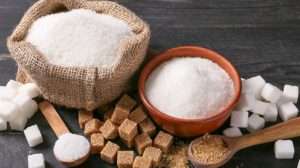
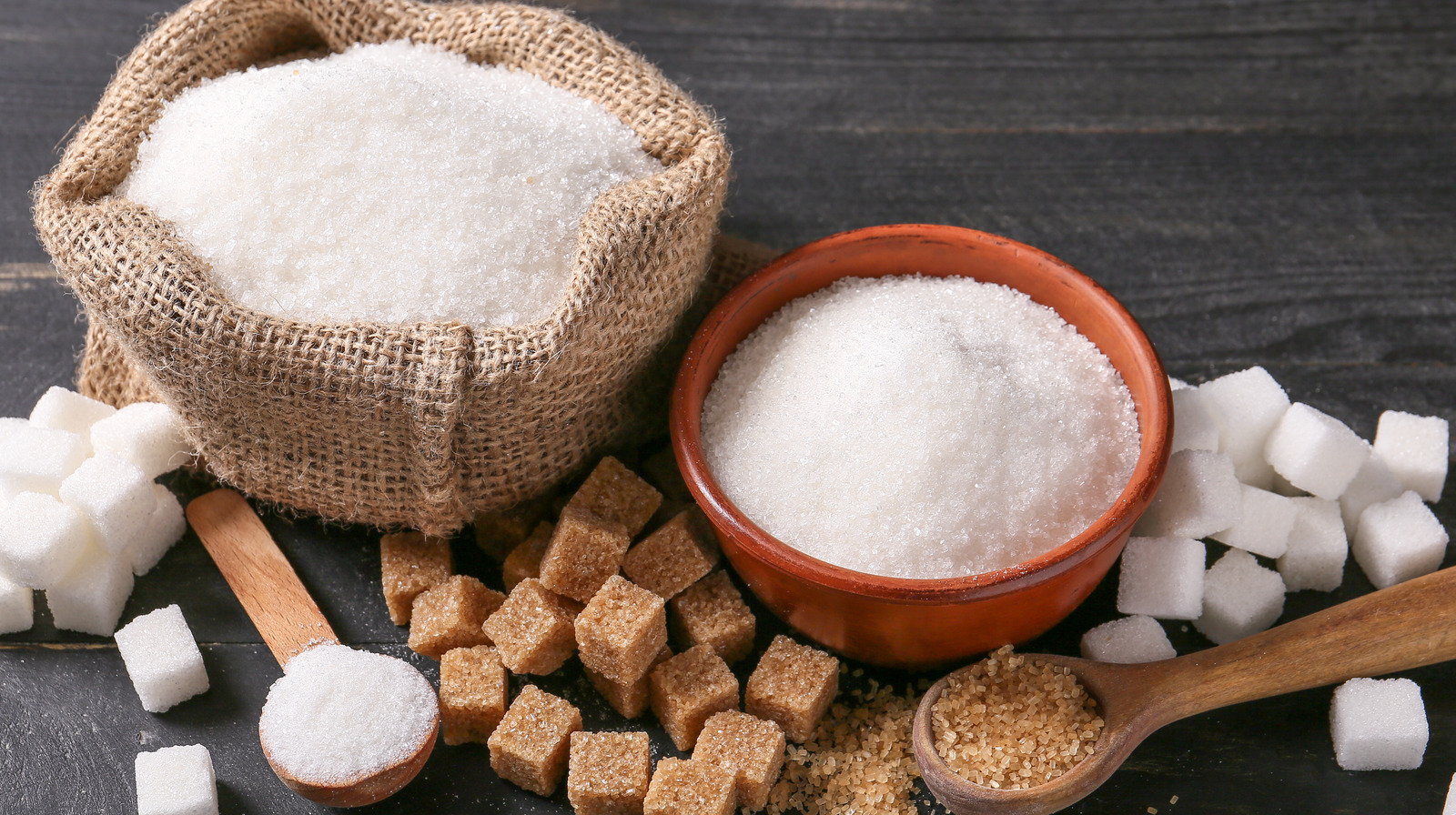
Image Source: Tasting Table
What Is Table Sugar?
Table sugar is mainly sucrose, a carbohydrate made up of glucose and fructose. Manufacturers typically produce it from sugarcane and sugar beets. In manufacture the extracted plant juice is purified and crystallized through a number of stages. This process produces the familiar white granulated product found in kitchens everywhere.
Some points of interest:
- It supplies energy but very little vitamins or minerals.
- You can easily add it to many foods and beverages.
- Too much can lead to an increase in total calories consumed.
- Eating too many sugary foods and drinking sweetened beverages can cause dental problems.
- It’s better to control portion sizes than to completely avoid sweetness.
What’s so special about jaggery?
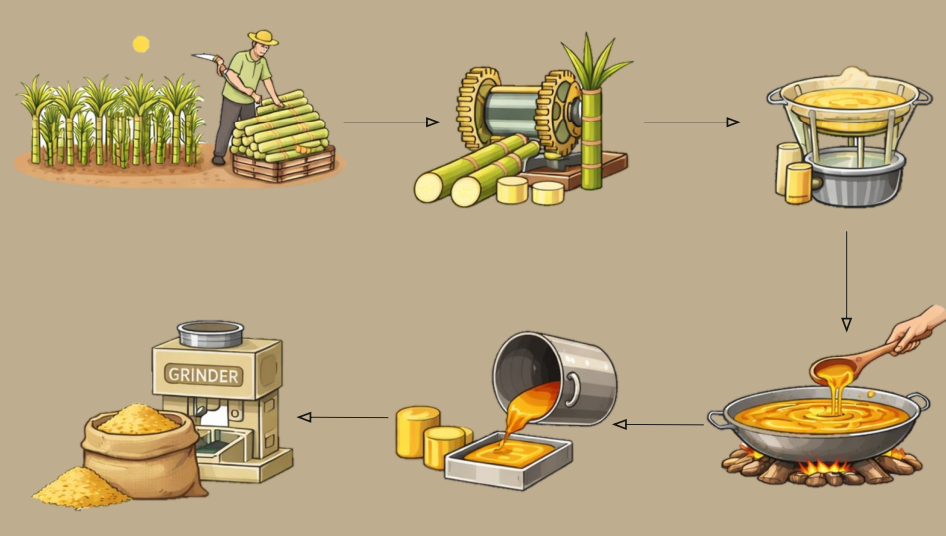
Image Source: gudvedic.com
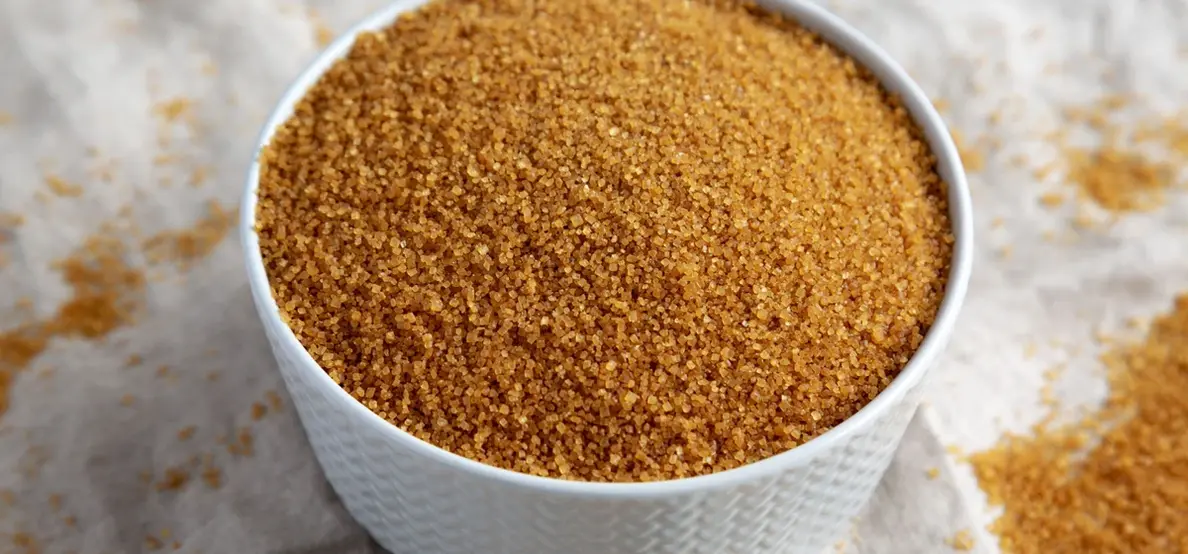
The production of jaggery involves boiling the juice extracted from the sugarcane to solidify it. Manufacturers process this sugar less than white sugar, so it retains some substances in their natural state. In India, people call it jaggery gur and use it in various delicacies. People like it for its rich flavor and natural sweetness.
- Its taste is similar to caramel.
- Unrefined.
- It can contain some minerals as well.
- It pairs very well with traditional food.
- There are those who like its strong taste compared to the delicate types.
However, you should not mistake its natural appearance for unlimited health benefits. It is still a concentrated source of carbohydrates and calories.
Difference Between Sugar and Jaggery?
If the query is, “Which one is healthier?” It is dependent on the amount and also the whole diet
Jaggery may also contain more micronutrients than highly refined sweetening agents. But the nutritional difference is pretty small relative to the amount of sweetener people generally consume.
| Feature | Table sugar | Jaggery |
| Processing | Highly refined | Less refined |
| Main carbohydrate | Sucrose | Mainly sugars |
| Minerals | Minimal | Small amounts may remain |
| Calories | High | High |
| Best approach | Moderate use | Moderate use |
So, replacing white crystals with jaggery doesn’t mean that a dessert is now a healthy food.
Is brown sugar the best?
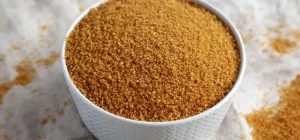
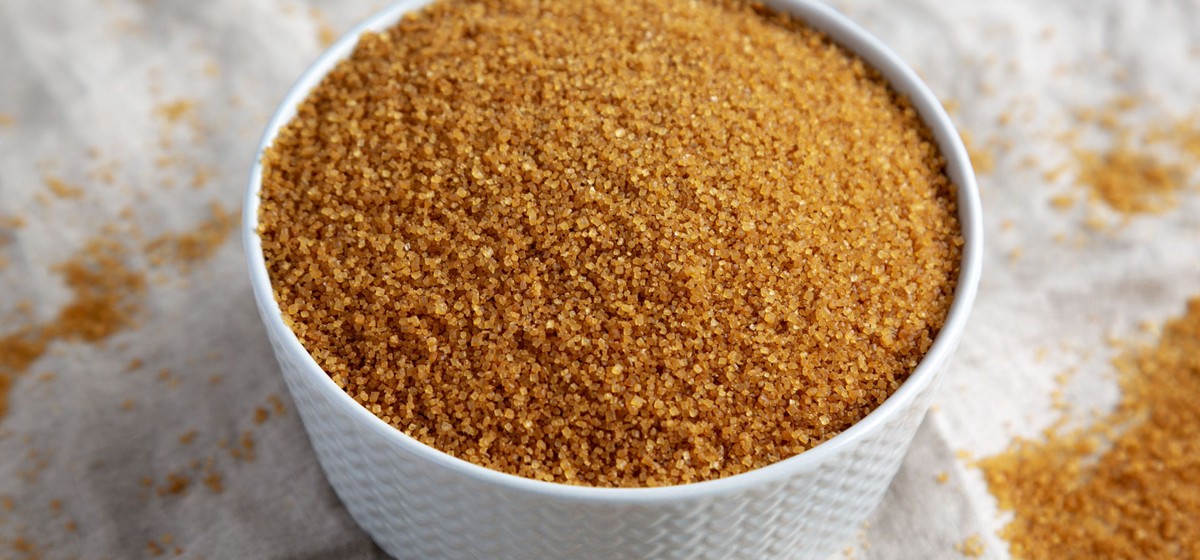
Image Source: Sidechef
Another popular choice is brown sugar, often thought to be healthier because of the darker color. The color is usually from molasses, either left in or added in the production. Molasses adds some minerals and flavors to an extent, but the nutritional value of molasses is not much different from that of normal white sugar. Here, the important thing to note is that color cannot be a dependable measure of nutrition.
Sugar Substitutes: An Overview
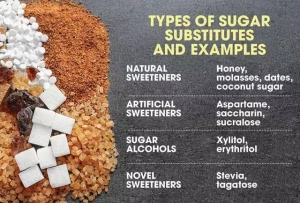
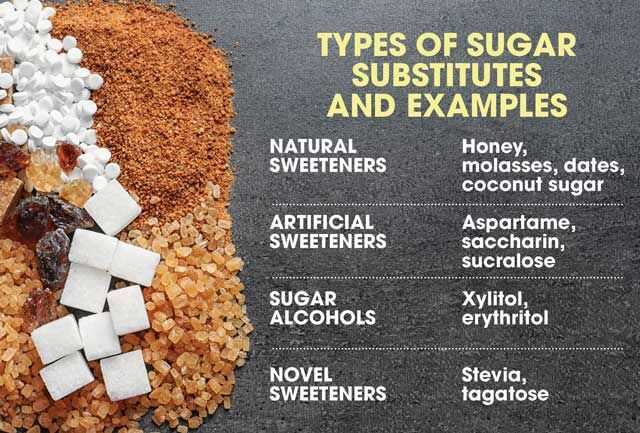
Image Source: Femina
People who want to cut down on their intake of traditional sweeteners have a few options. The products are different in their chemical structure, sweetness and their effect on blood glucose.
Aspartame
Aspartame is a High Intensity Sweetener. This means it gives sweetness with very few calories in the amount normally used. Food and beverage manufacturers use it in products with reduced sweetening content. It just takes a little bit because it is so much sweeter than table sugar.
Sucralose
Another high-intensity choice is sucralose, which is found in lots of reduced-sweetener products. It can provide a sweet taste without needing as much as regular sweeteners. As with any sweetener, it helps to think about the whole food or drink, not just the one ingredient.
Erythritol
Erythritol is one of the sweetened alcohols. It is very low in calories and has less of an impact on blood glucose compared to regular sugar. It is sometimes added to low-sugar sweets, beverages, and processed foods. Excessive intake of sweetened alcohols can upset digestion in some individuals.
Maltitol
Maltitol is a sweetened alcohol which is often present in sweets that have reduced sweetening content. Maltitol offers a sweet taste, but it is lower in calories than sucrose. However, excessive consumption can lead to bloating.
Dextrose, Fructose and Maltose – Explained
Not all sweet substances on food labels are simply known as table sugar.
Dextrose is actually another name for glucose, which is frequently added to refined foods. Dextrose is easily available as a source of energy. Fructose is present naturally in fruits and other foods. It is also present in some processed foods. Maltose is composed of two molecules of glucose and forms naturally by the breakdown of starch. It is also added to some food processing. The addition of a different type of sweetening agents does not automatically mean that food becomes healthier. It all depends on the amount and the overall nutrition of the food item.
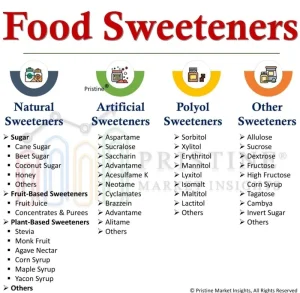
Image Source : LinkedIn
How About Diabetes?
Diabetics might consider changing their diets from refined sweetening agents to jaggery as a good way out. However, such changes will not reduce the number of carbohydrates consumed. Therefore, people should remember that jaggery can also raise blood glucose levels, so they should not consider it a diabetes-friendly product. Instead, they should focus on maintaining a balanced overall diet.
Some recommendations that could help are as follows:
- Watch your portions.
- Consume food high in fiber.
- Avoid sweetened beverages.
- Serve yourself with balanced meals.
- Consume carbohydrates wisely.
- Follow individual recommendations of your healthcare provider.
Fruits for Diabetics: A New Path to Natural Sweetness
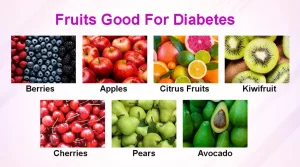
Image Source: Sujata Birla Hospital
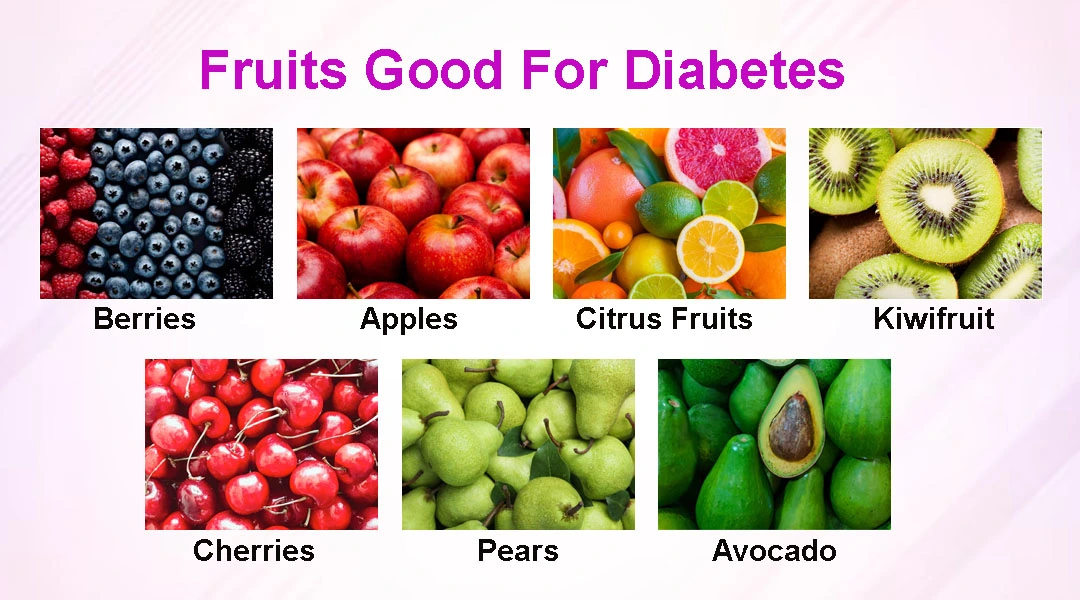
When looking up fruits for diabetic patients, people have a tendency to think that any natural sweet food should be prohibited. That may not always be true. In fact fruits can offer fibre, vitamins, minerals and phytonutrients. They include such varieties as:
- Apples
- Guavas
- Pears
- Oranges
- Berries
- Papayas
Amount and the overall dietary habits play an important role here as well. The fruit itself is without any doubt more favorable than fruit juice.
Simple Steps to Lower Sugar Consumption
One does not have to completely eliminate all sweet things from one’s daily diet. Small steps can go a long way.
1.Reduce gradually: Reduce the amount of sweetener used in tea, coffee and home-cooked meals.
- Eat the whole fruit: It can satisfy your sweet tooth, while giving you fiber and vitamins.3. Stay away from sugary drinks: Liquid calories build up quite quickly.
- Read the food labels: There are various ways in which sweetening agents is mentioned on food labels.
- Flavor your food: One may use cardamom, cinnamon, vanilla, etc., to flavor the food without making it sweet.
- Make sweets a treat: It is better to give them once in a while than to adhere to a strict routine.
- Concentrate on the overall diet: Very often, one ingredient does not decide about meal’s healthiness.
And Now, Which Sweetener Is Best for You?
There is no outright victor for all
Jaggery might be better suited to people who prefer a more natural and flavored product. White sugar is affordable and easy to use but has very few nutritional benefits besides providing energy. Brown sugar is marginally healthier only because of its darker color. There are alternative sweeteners like aspartame, sucralose, erythritol, and maltitol which can be used to lower the amount of normal sweeteners in foods.
Final Verdict:
One common error made is the assumption that altering the sweetener in the diet will make it healthier. While jaggery may have trace minerals which are otherwise unavailable in refined sweetening agent, it is a source of concentrated sugar itself.