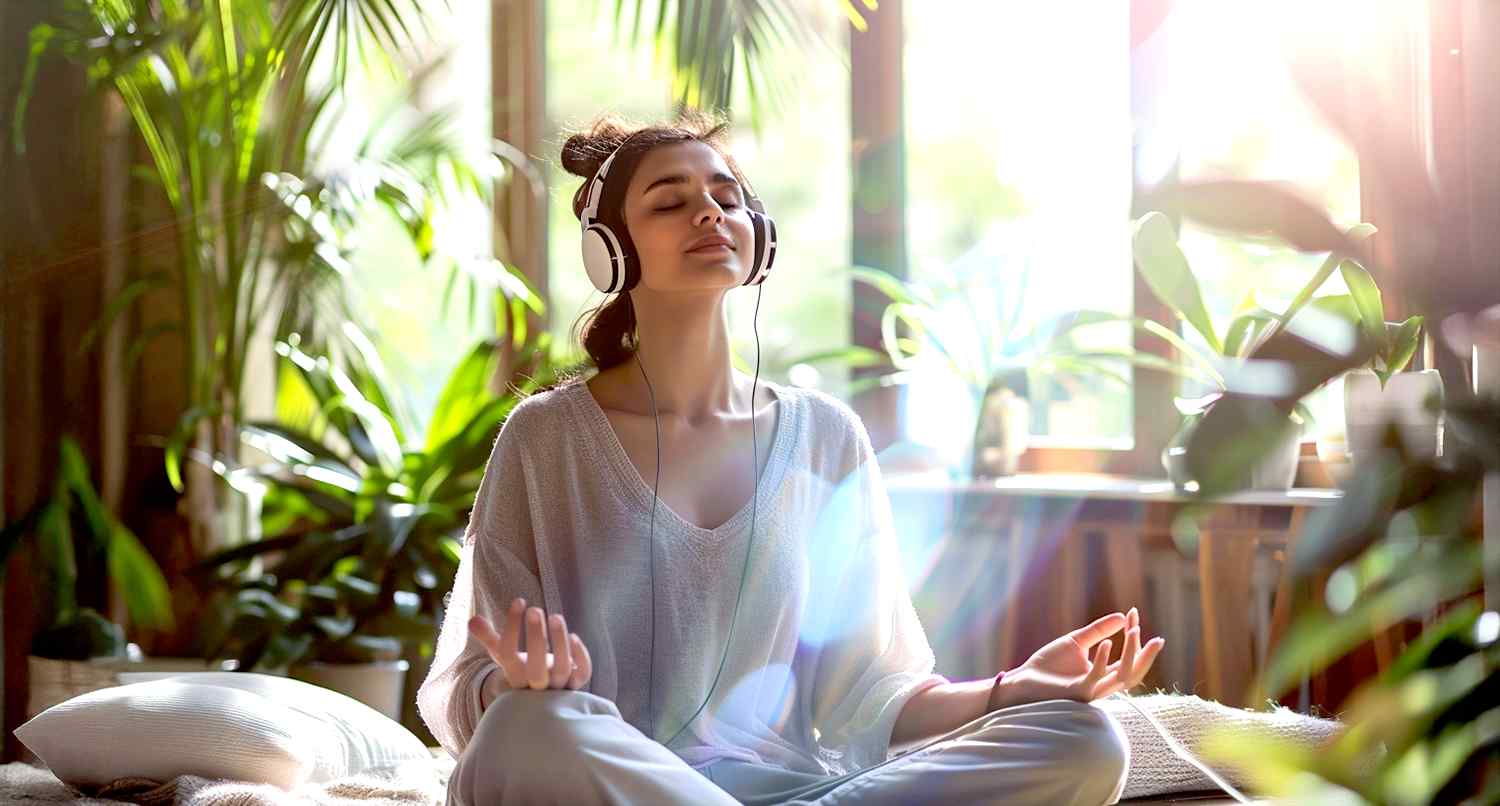

How Music Can Support Better Mental Health

Think about the last time a music completely changed your mood. Maybe it was a track that got you through a breakup, or one that turned a dreadful commute into something bearable or sudden anxiety. That’s not a coincidence, and it’s not just in your head. As more people talk openly about mental health — especially around occasions like World Mental Health Day — there’s growing interest in something musicians and listeners have known intuitively for a long time: sound genuinely changes how we feel, and not just for a moment.
 Image source :Yukio
What’s Actually Happening in Your Brain
Here’s the short version of the science. Listening to music triggers a dopamine release — the same chemical involved in pleasure and reward. Slower songs, in particular, tend to bring cortisol levels down, which matters because cortisol is the hormone most closely tied to stress. Certain rhythms can even nudge your heart rate and breathing into a calmer pattern.
That’s a big part of why music has quietly become a fixture in hospitals, schools, and therapy rooms, used alongside more traditional approaches to anxiety and depression. Music therapists — and yes, this is an actual licensed profession — will tell you that music doesn’t just distract people from hard feelings. It gives those feelings somewhere to go. Sometimes a song says what you can’t quite put into words yourself, and that alone can be the first step toward actually processing an emotion instead of just pushing it down.
Where Music Fits Into Anxiety Treatment

Image source: AI image
Let’s be clear about something up front: music isn’t a substitute for real treatment. Therapy, medication, and counseling are still the foundation of most anxiety treatments, and nothing here is meant to suggest otherwise. But as a supplement, structured listening — particularly instrumental music with no lyrics — can genuinely quiet some of the mental chatter that comes with anxious thinking.
There’s a reason instrumental tracks work so well for this anxiety. Lyrics engage the language centers of your brain, which is exactly the part you’re often trying to give a break. Strip the words away, and there’s simply more room for your mind to settle. That’s probably why so many people reach for instrumental playlists when they’re studying, trying to fall asleep, or just feeling overwhelmed and needing to reset.
Meditation, Mindfulness, and the Music That Anchor Us
Meditation and music have always been close cousins. If you’ve tried mindfulness meditation, you already know that sound is often the anchor — the thing you keep coming back to whenever your thoughts start to wander off. This is exactly the role meditation music plays: slow, ambient, usually wordless, designed to support stillness rather than pull your attention toward it.
A lot of meditation practices lean on sound effects too — rain, ocean waves, singing bowls — layering in tones that tell your nervous system it’s safe to relax. It’s not surprising that meditation apps increasingly mix these natural soundscapes with elements of spiritual meditation traditions, giving people a way in whether they’re approaching this from a purely secular head space or a more contemplative, faith-based one.
Yoga and the Rhythm of Movement
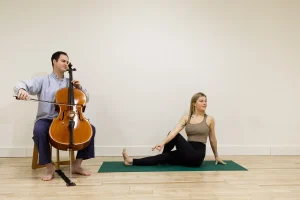 Image source: The Portland Yoga Project
If you’ve ever taken a yoga class, you know the soundtrack isn’t just background noise — it shapes the entire session. Yoga songs tend to be slow and layered, built around a steady pulse that mirrors your breath, which helps you move between poses without that jarring, disjointed feeling. Music and breath and movement all working together is a big part of what makes yoga feel different from a regular workout.
Whether it’s a vinyasa flow set against tabla drums or a slow restorative class underscored by strings, the right music makes it noticeably easier to stay present — which, if you’ve ever tried to meditate or hold a pose while your mind races through your to-do list, you know is often the hardest part.
Practical Ways to Use Music to Relax
You don’t need a therapist’s office or a studio membership to start benefiting from any of this. A few small habits go a long way:
- Build a wind-down playlist. Slow, instrumental tracks in the hour before bed can genuinely help your body understand it’s time to relax.
- Use music in the gaps. A short track between switching from work mode to family time can act like a mental reset button.
- Sync it with your breath. Match your inhale and exhale to a slow rhythm — it’s a simple trick that can bring your heart rate down almost immediately.
- Try something unfamiliar. Ambient, classical, lo-fi, nature sounds — they all hit differently. Give yourself permission to experiment until something clicks.
- Make it a habit, not a one-off. Just like meditation, the benefits of mindful listening compound with consistency. Even ten minutes a day adds up.
Why This Conversation Matters
Campaigns around mental health awareness, including World Mental Health Day, exist for a reason — stigma still stops a lot of people from asking for help to improve mental health. Music is one of the few tools that doesn’t require an explanation. You don’t have to justify why you need a certain song right now; you just press play. For someone who isn’t ready to sit across from a therapist yet, that low-pressure entry point can matter more than it seems.
But it’s worth saying plainly: music can support how you regulate emotions, but it won’t cure clinical depression or an anxiety disorder on its own. If persistent low mood, constant worry, or emotional numbness are getting in the way of daily life, that’s a sign to talk to a licensed professional — not a sign that music has failed you. Think of it as one piece of a larger toolkit that might also include therapy, medical care, and real human connection, not a replacement for any of it.
Bringing It All Together
The connection between music and mental health isn’t a wellness trend that’ll fade in a year. It’s rooted in real neuroscience, decades of therapeutic practice, and centuries of tradition — from ancient spiritual meditation chants to the meditation music playlists on your phone right now. Whether you’re reaching for instrumental music to concentrate, yoga songs to move through a flow, or a bit of ambient sound effects to fall asleep, sound remains one of the simplest and most accessible ways to take care of your mind.
So the next time things feel like too much — before you spiral into your phone or push through on empty — try just pressing play. It’s a small thing. But sometimes small things are exactly where healing starts.