
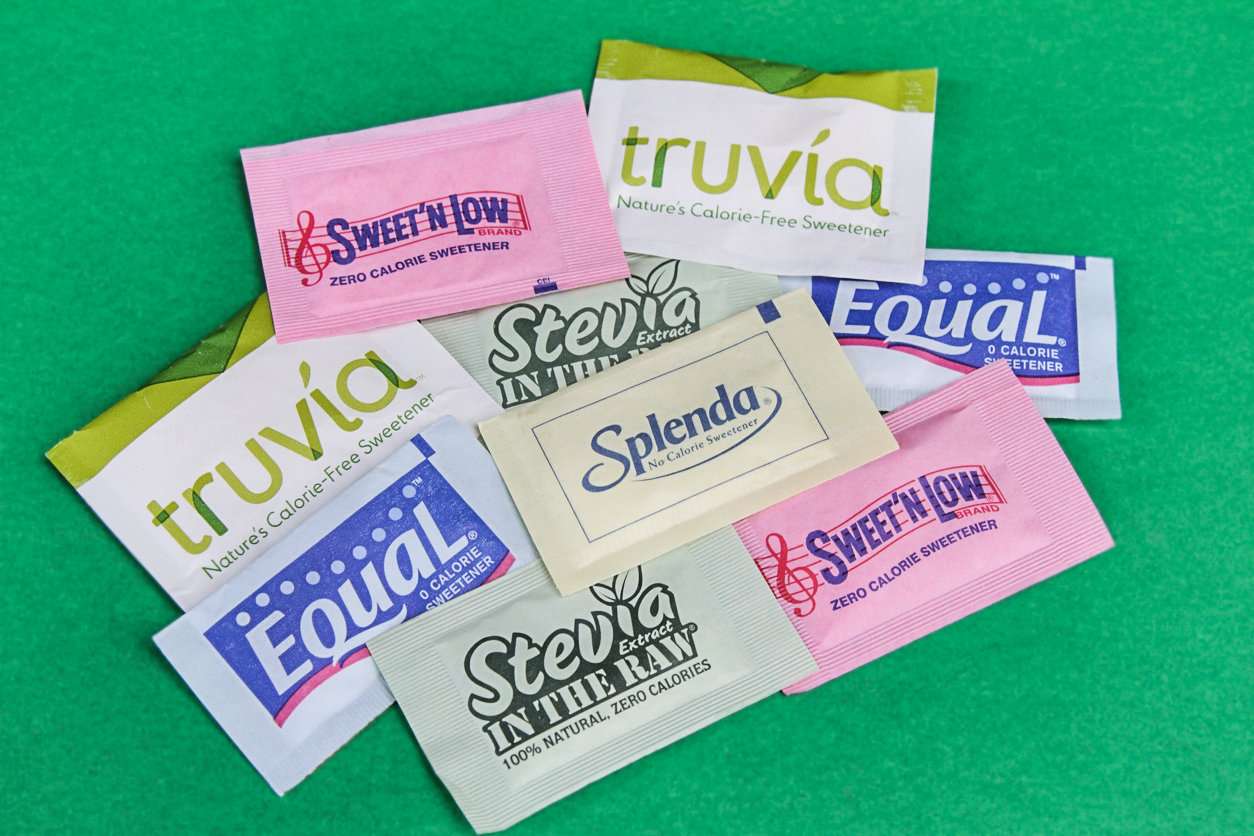
Sugar vs. Sugar Substitute: which is better for health

Sugar is having a moment right now, and not a good one — you can feel the tension the second you walk down a grocery aisle. piling up, and the sweetener section has ballooned into a wall of options that didn’t exist a decade ago. So it’s no wonder people keep landing on the same question: is it time to ditch regular sugar for a substitute, or is that just marketing noise?
Here’s an honest breakdown — the science, the trade-offs, and what’s actually worth paying attention to versus what’s just trend-chasing.

Image source- Healthline
Sugar, Explained (Without the Scare Tactics)
“Sugar” isn’t one thing. Table-sugar, or sucrose, is really glucose and fructose stuck together. Then there’s dextrose, which is just glucose by another name, and galactose, which shows up in dairy. All of them are carbohydrates your body converts into quick energy — that’s their whole job. It itself isn’t some toxic substance sneaking into your bloodstream to sabotage you. The issue is dose. The World Health Organization suggests keeping added sugar under 10% of your daily calories, and says you’ll see even more benefit under 5%. Most people eating a typical Western diet blow past that number — not because they’re spooning it into their tea all day, but because it’s hiding in bread, sauces, cereal, and pretty much every drink that isn’t water.
And yes, It itself has gotten more expensive lately. Bad weather, supply chain hiccups, and shifting output from big producers like Brazil and India have all pushed prices up. That’s a real factor for a lot of households right now , just don’t let your grocery budget be the thing deciding your health choices. Those are two separate conversations.
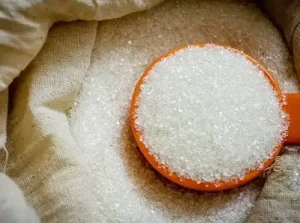
Image source- Pure life organic foods
So What Exactly Is a “Sugar Substitute”?
Basically, anything that gives you sweetness without sugar’s full calorie or blood-sugar hit. They break down into three rough categories:
Artificial sweeteners — think aspartame, sucralose, saccharin. These are hundreds of times sweeter than sugar, so you only need a tiny amount, and the calories are basically negligible. Aspartame in particular has been picked apart by researchers for decades; the FDA and EFSA both consider it safe within the daily limits they’ve set. The WHO’s cancer research arm did flag it as “possibly carcinogenic,” but that’s based on limited evidence at very high consumption levels — not a confirmed risk for someone having a diet soda now and then. One real exception: if you have PKU, aspartame is off the table entirely, since it contains phenylalanine.
Plant-based, calorie-free options — stevia and monk fruit fall here. People gravitate toward these because they feel less “chemical” and skip the calories altogether.
Natural sweeteners that still carry calories — coconut sugar, agave syrup, and the like. This is where marketing gets slippery. These get sold as the “healthy” choice because they’re less processed, but nutritionally, they behave a lot like regular sugar . Agave especially, since it’s often even higher in fructose than high-fructose corn syrup. Just because something comes from a plant doesn’t mean your blood sugar can tell the difference.
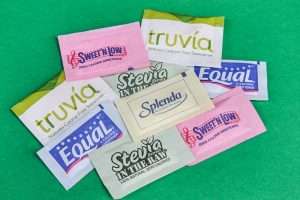
Image source- The New York Times
How They Actually Stack Up
|
Sugar |
Sugar Substitute |
|
|
Calories |
About 16 per teaspoon | Near zero (artificial) or similar to sugar (natural caloric types) |
| Blood sugar effect |
High |
Low for non-nutritive options, moderate for natural caloric ones |
| Cooking & baking | Caramelizes, browns, adds texture | Depends — many won’t caramelize or bulk a recipe the same way |
|
Research history |
Decades of solid data |
Growing, but newer options haven’t been studied as long |
| Dental health | Feeds cavity-causing bacteria |
Generally easier on your teeth |
If you’re dealing with diabetes or insulin resistance, swapping it for something like stevia or aspartame in your coffee or snacks can genuinely help flatten those blood sugar spikes. If you don’t have any metabolic issues, the picture gets murkier — some research hints that very high intake of artificial sweeteners might mess with gut bacteria or hunger signals, but the findings are mixed and seem to depend heavily on how much you’re actually consuming.
What About Those Blood Sugar Supplements?
You’ve probably seen ads for products like Glucofort or Altai Balance promising to help “support” healthy blood sugar with herbal blends. Worth being skeptical here: none of these are FDA-approved to treat or cure diabetes, and the clinical evidence behind most specific branded formulas is thin at best. If you’re curious about trying one, run it by your doctor or a dietitian first — especially if you’re on other medications, since some herbal ingredients don’t play nicely with prescription drugs.
No-Sugar vs. Low-Sugar: They’re Not the Same Thing
People use these interchangeably, but they lead to pretty different experiences.
Going fully sugar-free cutting out added sugar and sometimes even fruit — can be a useful . Short-term reset if you’re trying to retrain your taste buds. But it’s hard to stick with, and honestly, most people don’t need to go that far. A low-sugar approach is more forgiving, you cut back on the added sugar hiding in processed food, soda, and snacks, but you still leave room for fruit and the occasional treat. For most people, that’s the version that actually sticks — and it moves the needle just as much on things like fasting glucose, triglycerides, and weight.
The Practical Stuff
– Managing diabetes or prediabetes? Non-nutritive sweeteners like stevia or aspartame, used within reason, can be a genuinely helpful tool — but they don’t replace an actual treatment plan from your doctor.
– Generally healthy with no blood sugar issues? Moderate sugar isn’t the villain here. The real problem is the added sugar you don’t even notice you’re eating.
– Don’t fall for “natural” labeling. Coconut sugar and agave might sound gentler, but your blood sugar doesn’t care how the sweetener was marketed.
– If cost is pushing you toward substitutes, that’s fair — it’s prices really have risen — just don’t let price be the only thing steering a health decision.
– Treat blood-sugar supplements the way you’d treat any bold health claim: with a healthy dose of skepticism and a quick check with your doctor.
Bottom Line?
There is no clear winner in the sugar versus it’s substitute debate . It really depends on your own health, your goals and how much added sugar you’re already consuming unknowingly. For most people, the better use of energy isn’t picking a side in this debate, it’s simply cutting back on added it overall, actually reading labels, and leaning on whole foods more often. And if you’re dealing with diabetes, insulin resistance, PKU, or another condition, skip the guesswork — a doctor or registered dietitian can build a plan around your real numbers, not whatever’s trending this month.
This article is for general information only and isn’t a substitute for professional medical advice. Talk to a healthcare provider before making major changes to your diet, especially if you have an existing health condition.