How to Beat Your Sugar Cravings Without Feeling Hungry

Introduction
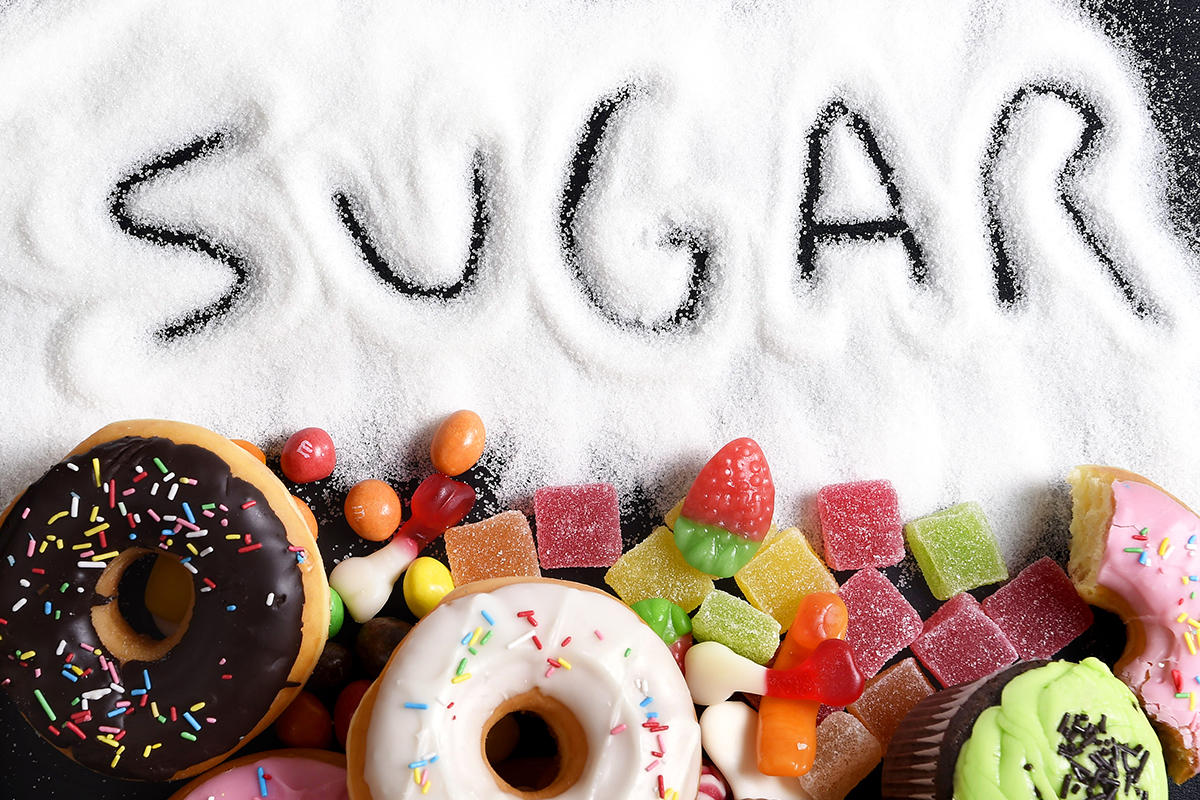
Around three o’clock in the afternoon your experience what seems like a huge energy crash. The temporary reprieve you thought you’d get from a soda, chocolate bar, or sugar-coffee suddenly becomes almost impossible to resist cravings. The thoughts of “This will just be one treat” quickly turn to a search for another sugar or caffeine fix again in an hour and you are right back where you started with no energy and hungry again.
Image Source :Dr. RonaldHoffman
This is not simply about a lack of willpower. Sugar cravings are linked to a number of biological, psychological, and social factors, such as blood sugar, hormones, sleep and stress levels, nutritional intake, etc. The way that our body breaks down sugar when it enters into the bloodstream causes our body to elevate our energy levels quickly; and then, as the body releases insulin to lower blood sugar, our body quickly crashes which in turn creates another desire to seek a sugar or caffeine fix. If you continue to this cycle for an extended period of time, our cravings may feel unmanageable or even addictive.
On a positive note, there is a lot you can do to dramatically decrease these types of cravings. There are various methods to help our body reset and recalibrate to healthy food. One of the biggest trends that we see in the nutrition world today is that more and more people are focused on glucose stability rather than obsessing over calorie counts as a means of losing weight. When people focus on balancing their blood glucose levels, we see improvements in energy, decrease in cravings, improvements in overall concentration, and can develop sustainable eating habits.
Below are seven proven tips that will help us to stop our sugar cravings for good!
Master Your Morning Macros craving
The Power of a Savory Breakfast Without Sugar

Image Source: BetterMe
To begin your day off right, many of us reach for cereal, toast or a pastry. While all of these choices can be quick and easy, eating these quick meals can create large spikes in your blood sugar, often leading to hunger within a few short hours.
We can look at how two different types of breakfasts would affect our morning to illustrate what happens here. If someone were to eat a plain bagel with a little bit of jam, they may find themselves getting hungry before lunchtime, but someone who opts for a vegetable omelet that contains a good portion of avocado is more likely to experience increased energy levels for an extended time throughout the morning.
Eating protein in the morning can cause slower digestion and helps to maintain hormones that are responsible for appetite regulation. When your breakfast has a balanced amount of protein, the likelihood of having an emotional craving for sugary treats later on is greatly reduced.
Eating Protein First Thing in the Morning
Nutritionists increasingly suggest that we eat a minimum of 30 grams of protein within an hour of waking. The evidence shows that consuming increased levels of protein earlier in your day could result in a up to 40% reduction in cravings for sugary treats later that same evening.
Eating protein in the morning also allows us to help stabilize our blood sugar and the production of dopamine. By supporting these two, this can help reduce emotional feelings of craving a sugary treat.
Here are five ideas for a breakfast that are quick and high in protein:
- Scrambled eggs with spinach and cheese
- Greek yogurt with chia seed and mixed berries
- Protein smoothie with almond butter
- Cottage cheese with nuts and cinnamon
- Tofu scramble
Fix Your Blood Sugar Rollercoaster
The “Food Order” Method
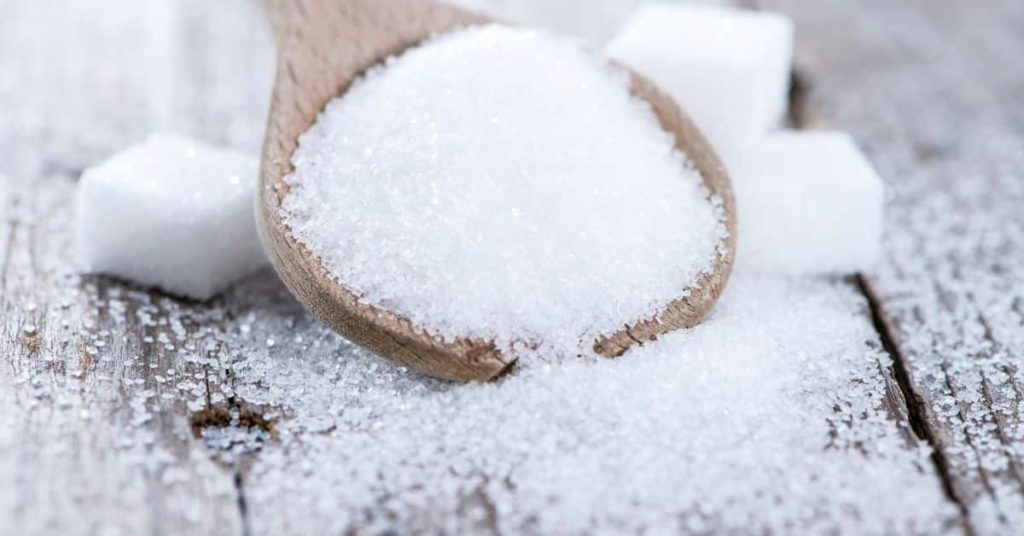
Image Source:Massachusetts Dietition
Changing the food order in which you eat can be a simple nutritional trick. The best way to do this is to eat the following foods in this order: (1) vegetables that have a lot of fiber, (2) protein and healthy fats, (3) carbohydrates or desserts (the last foods you eat). By eating foods this way, it slows down how fast glucose is absorbed into your blood and helps prevent sudden rises in blood sugar levels.
Eating a salad before you eat carbohydrate-rich foods helps to create much steadier energy levels than if you were to eat either bread or pasta first. Most nutritionists agree that one of the quickest ways to stay in control of your cravings is to prevent insulin spikes, because when you have stable blood sugar levels, your brain doesn’t get as many emergency hunger signals.
Correctly Pairing Carbohydrates
“Naked carbs” (carbohydrates that you eat by themselves—i.e., plain crackers, white bread, fruit juice) digest quickly and therefore cause you to crave food again faster. When you eat carbohydrates with either protein or fat, they will last longer and satisfy you more.
For example:
- An apple will leave you hungry fairly rapidly.
- An apple with peanut butter provides the fiber, fat, and protein to keep you satisfied.
There are a few other great combinations of foods that provide you with both carbohydrates and either protein or fat,
including:
- Berries with Greek yogurt
- Banana with almond butter
- Whole-grain bread with eggs
- Crackers with hummus
- Oatmeal with some nuts and/or seeds
You do not need to stop eating carbohydrates; you just need to slow down their effect on your body.
Addressing Micronutrient Deficits
The Magnesium Factor
Sometimes, cravings do not come from emotional triggers, but rather from a lack of micronutrients in the body.
Chromium and Sugar Sensitivity
Chromium, another type of mineral, plays its own role in regulating blood sugar levels by helping to improve the way that insulin transports glucose into your cells.

Image Source:The Well by Northwell
Chromium-rich foods include:
- Broccoli
- Eggs
- Whole grains (including whole grain breads and cereals)
- Turkey
- Green beans
If you experience intense cravings for sweets, constant fatigue after you eat, mood changes immediately following a meal, a feeling of hunger that never goes away, or a combination of these symptoms, you may be experiencing an imbalance in your blood sugar levels.
- Filling Nutritional Gaps Reduces Energy Cravings
- Optimizing Your Sleep and Stress Levels Can Reduce Energy Cravings
- Cortisol and Sugar Cravings
Sugar and stress are often related. When cortisol levels increase, the brain seeks out energy sources quickly. Sugar becomes one of the quickest options for providing energy and is the main reason for emotional binge eating after a stressful day.
Sleep deprivation compounds the problem. Studies show that sleep deprivation causes an increase in ghrelin (the hormone responsible for hunger) of around 15%, increasing the likelihood of consuming sugary foods.
Using the following tip may decrease stress levels and may help you control impulse eating: 4-7-8 Breathing Technique
- Inhale for 4 seconds
- Hold your breath for 7 seconds
- Exhale for 8 seconds
When you do this a few times, it may calm your nervous system and decrease your chances of impulse eating.
The Sleep-Hunger Cycle
Consider how you feel after five hours of sleep. Many people desire foods such as pastries, sweetened coffee, or fast food as a result of needing energy to continue functioning.
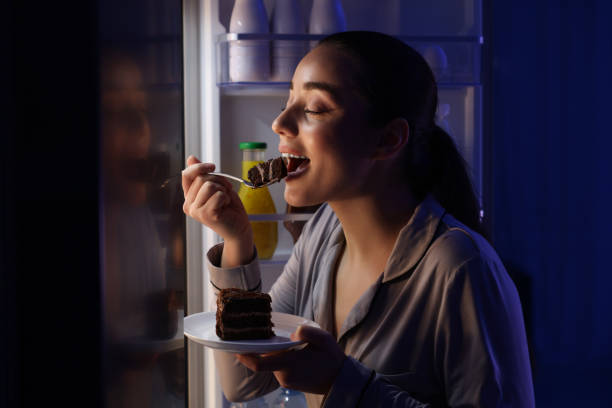
When you have had a full eight hours of restful sleep, your appetite feels much more controlled; your mood is boosted; and your unnecessary have vanished all together.
To enhance sleep and help regulate blood sugar:
- Avoid using screens before bed
- Keep the bedroom cool and dark
- Stop consuming caffeine in the late afternoon
- Eat dinner earlier, if possible
- Have a consistent routine for going to bed each night
Getting good quality rest is probably one of the most underused strategies for controlling cravings.
Manipulate Your Environment and Your Mindset For Sugar Cravings
The “Out of Sight” Principle
The way you eat is shaped the way your environment looks more than you realize.
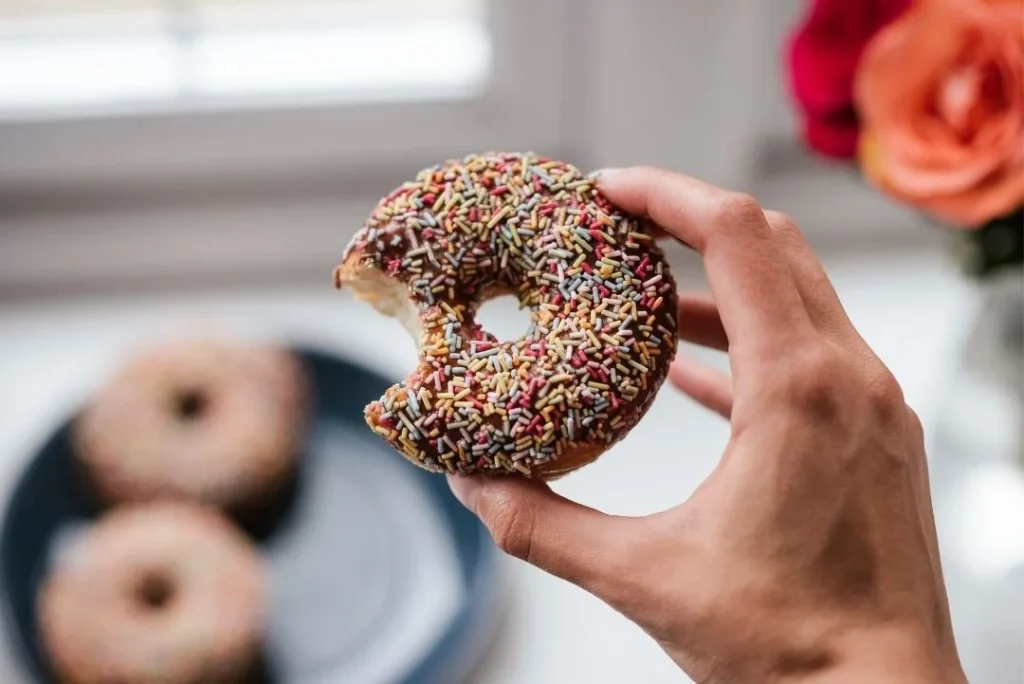
Image Source:Sarah Rusbatch
If cookies are sitting on the kitchen counter, you get a visual reminder every time you go into the kitchen that you want the cookies. This type of reminder is known as a cue-triggered craving.
Make healthy options more accessible than unhealthy options; and make unhealthy options less obvious than healthy options.
Action steps:
- Remove any trigger foods from being within reach
- Store any sweets you have in non-clear containers so they cannot be easily seen
- Keep fresh fruits visible on the kitchen counter
- Prepare healthy snacks in advance
An example of a small change to your environment is exchanging a candy jar with a bowl full of fruit; however, these small changes to the environment can create drastic differences in the long run.
Controlling the Craving
Cravings operate in the same ways as waves, they build, peak and eventually fall off again.
Hydrate and Refresh Your Palate Without Sugar
Water vs. Sugar Cravings
Your brain can confuse thirst for hunger at times.

Image Source:Yahoo Health
When you are mildly dehydrated, you may experience fatigue or cravings, which can make you choose sweet food when you really needed water.
To combat this issue, try drinking a large glass of water before each meal or when your craving hits.
Make your hydration more exciting by adding:
- Lemon wedges
- Mint leaves
- Sliced cucumber
- Fresh fruits and berries
You may find that by staying hydrated, you also increase your energy and food cravings decrease.
Conclusion
Transitioning to using natural sweeteners from sugar does not mean you have to give up sugar at once. For most people, a gradual decrease is the best way to eliminate refined sugars. Decrease your sugar consumption by approximately 10% per week to get your taste buds to adjust naturally; after a period of time, the foods you once considered “normal” will taste absolutely sweet.
What you can do to help you with this transition includes:
- Adding cinnamon to your oatmeal or coffee
- Using vanilla extract for a sweetener
- Gradually switching from flavored yogurt to plain yogurt
- Slowly reducing the amount of sugar you use in your tea and coffee
Image Source :Healty Balance Nutrition
For example, if your coffee is too sweet, you will need to slowly reduce your sugar intake until it no longer tastes bad when you drink it black.
Just because it may take some time for your palate to change, it is doable.
In summary, we stop cravings for sugar because of diet or willpower. We stop food cravings by working with the body instead of fighting against it.
You can start by doing the following:
- Start your day consuming more protein.
- Stabilize your blood sugar levels.
- Use food combining.