
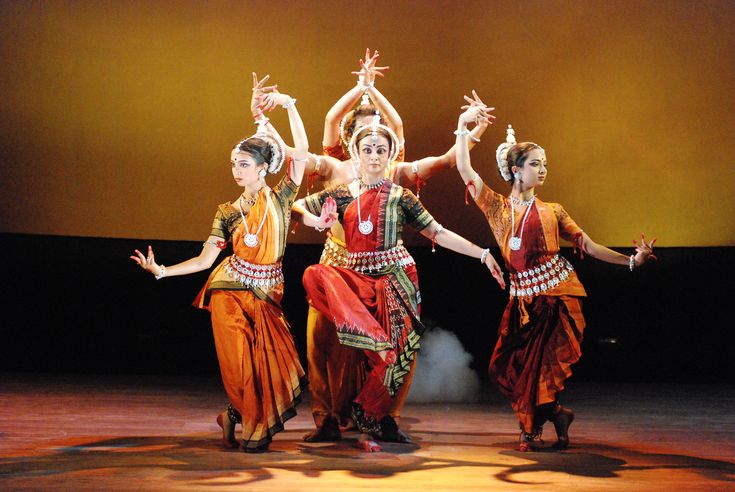
Dance Differences Between North and South India: A Guide

Introduction
India’s dance culture is incredibly diverse. One performance may look graceful and soft, while another feels sharp, energetic, and deeply dramatic. For many people, all classical Indian groove seem similar at first glance. However once you know a few simple signs, it becomes much easier to tell them apart.
A common confusion happens between North Indian styles like Kathak and South Indian styles like Bharatanatyam. Both are beautiful, both tell meaningful stories, and both use music and expressions in powerful ways. However, despite these similarities, North and South Indian dances forms come from very different traditions and cultural backgrounds.
This guide will help you quickly identify the difference between North and South Indian grooves styles by looking at costumes, posture, music, movement, and rhythm.
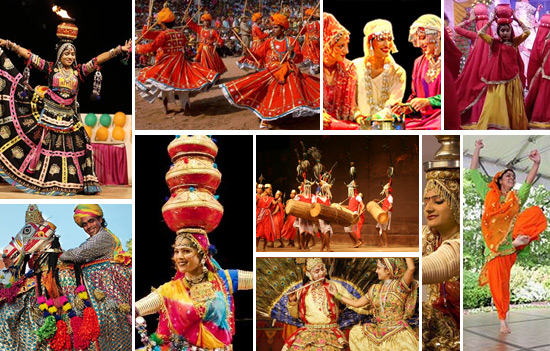
The Root Divide: Classical vs. Folk Style dance
:
image source:esamskriti
Before identifying the dances, it helps to understand where they came from.
Temple Origins in the South
Most South Indian classical voogies began in temples. They were closely connected with devotion and spirituality. Traditionally, dancers called Devadasis performed these dances as offerings to gods and goddesses.
The temple itself was the stage. Every movement had religious meaning, along with dancers trained for years to perfect precise expressions and gestures.
For example, Mohiniyattam has deep spiritual roots. Its soft movements and graceful expressions were originally meant to create a feeling of divine beauty and devotion.
These styles focused more on discipline, structure, and storytelling connected to mythology.
Courtly Influence in the North
North Indian dance forms evolved differently.
Over time, many dances forms gradually moved from temples into royal courts, especially during the Mughal era. As a result, dances began to evolve from a purely spiritual practice into a refined form of entertainment for kings and nobles.
Although storytelling remained an important part of the performances, the dances also became more graceful, expressive, and entertainment-focused.
Kathak is a perfect example of this transformation. Originally, it was performed by traveling storytellers who narrated tales from Hindu epics. However, under Mughal influence, Kathak slowly adopted graceful spins, flowing costumes, delicate movements, and refined courtly expressions.
Because of these historical influences, North Indian dances style often feel more fluid, dramatic, and expressive. In contrast, South Indian dance forms usually appear more grounded, structured, and geometric.
Over time, many dance forms gradually moved from temples into royal courts, especially during the Mughal era. As this transition happened, dance slowly became a form of entertainment for kings and nobles. Even though storytelling continued to play an important role, the performances also became more graceful, expressive, and entertainment-oriented.
Kathak is a perfect example of this evolution. In the beginning, it was performed by traveling storytellers who narrated stories from Hindu epics. However, under Mughal influence, Kathak gradually developed graceful spins, flowing costumes, and refined courtly expressions.
Therefore, North Indian dance styles often feel more fluid and dramatic. In contrast, South Indian dance forms usually appear more grounded, structured, and geometric.
Over time, many moved from temples into royal courts, especially during the Mughal era.
Dance became a form of entertainment for kings and nobles. Storytelling remained important, but the performances also became more graceful, expressive, and focused on entertainment.
Kathak is a perfect example. It started with traveling storytellers who narrated tales from Hindu epics. Later, under Mughal influence, it developed graceful spins, flowing costumes, and refined courtly expressions.
That is why North Indian groove often feel more fluid and dramatic, while South Indian grooves appear more grounded and geometric.
Quick Comparison Table
| Feature | South Indian Dance | North Indian Dance |
| Early Origin | Temples | Royal Courts |
| Main Purpose | Devotion and worship | Entertainment and storytelling |
| Body Style | Sharp and structured | Fluid and flowing |
| Music Style | Carnatic music | Hindustani music |
| Costumes | Silk sarees with pleats | Flowing Anarkalis or Lehengas |
| Famous Example | Bharatanatyam | Kathak |
Visual Cues: Costumes and Jewelry
One of the easiest ways to identify a dance form is by looking at the costume.
South Indian Silks and Pleats in dance
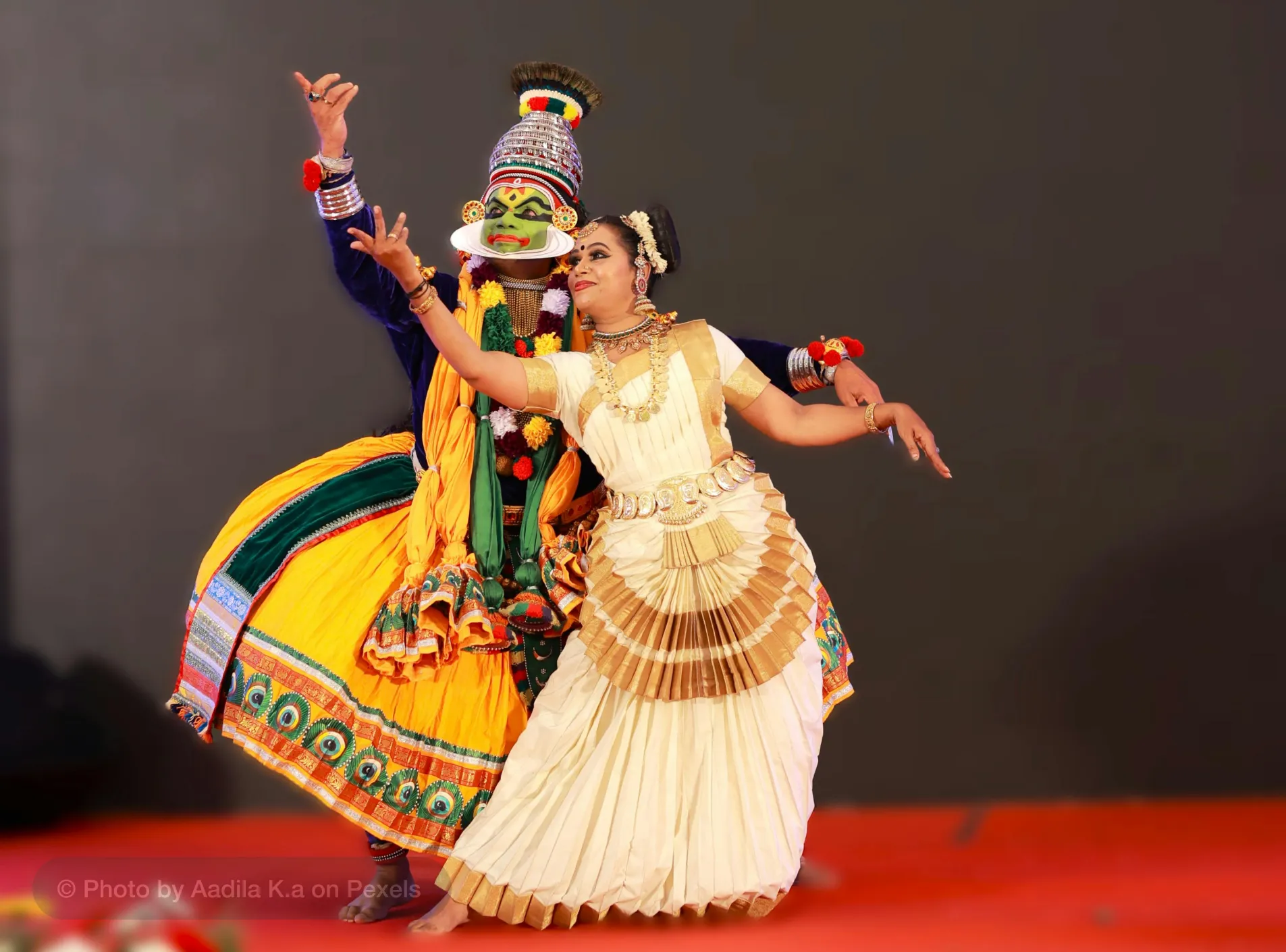
image source:ipassio
South Indian performers usually wear bright silk costumes inspired by traditional sarees, especially Kanjeevaram silk.
A key feature is the fan-shaped pleat in the front. When the performers bends into a squat position, the pleats open beautifully like a fan.
Jewelry is also heavy and traditional. You will often notice:
- Gold temple jewelry
- Thick necklaces
- Waist belts
- Hair decorations with flowers
These costumes create a powerful and regal appearance.
North Indian Flow and Flare in dance
North Indian rhythm costumes focus more on movement and spinning.
Dancers often wear:
- Long Anarkalis
- Flowing skirts or Lehengas
- Light fabrics that move easily during turns
The biggest clue is the swirling effect during spins.
Another important detail is the heavy use of Ghungroos — small metallic bells tied around the ankles. While many classical dancers wear them, they are especially important in Kathak because footwork is central to the performance.
Face Paint and Makeup
South Indian groove makeup is usually bold and dramatic. Eyes are heavily outlined, eyebrows are sharp, and facial expressions are exaggerated so audiences can clearly see emotions from a distance.
North Indian styles generally use softer makeup with a more natural elegance. The focus is often on grace and expression rather than dramatic facial structure.
Body Language and Movement Patterns in Dance
The body posture tells you almost instantly whether the dances from the North or South.
The Geometric Precision of the South
South Indian groove use a strong half-sitting posture called Araimandi.
This posture creates sharp lines and geometric shapes with the arms and legs.
In Bharatanatyam, dancers often:
- Bend their knees deeply
- Hold strong symmetrical poses
- Use straight lines and angular movements
Every gesture looks controlled and mathematically precise.
The Fluidity and Spins of the North
North Indian performance usually keep the body upright and relaxed.
Instead of sharp angles, the movements feel circular and flowing. One of the biggest signs is spinning.
Kathak dancers perform fast pirouettes while maintaining balance and rhythm. Their footwork is quick, rhythmic, and almost conversational with the music.
Many nritya gurus describe Kathak as “painting circles in the air.”
Hand Gestures (Mudras)
Both traditions use mudras, or symbolic hand gestures, the apply them differently.
South Indian mudras are more strict and codified. Each gesture has exact meanings and precise positions.
North Indian styles use mudras more naturally within storytelling and emotional expression.
Rhythm, Sound, and Music in Dance
Even without watching the groove, the music can reveal the style.
Carnatic vs. Hindustani Beats dance
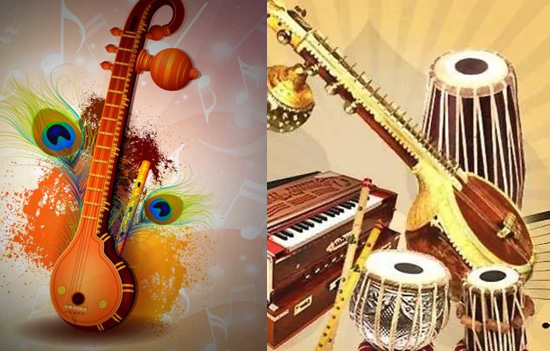
image source:esamskriti
South Indian classical choreography use Carnatic music, known for its complex rhythmic patterns and mathematical precision.
North Indian boogie use Hindustani music, which feels more melodic and improvised.
You can often identify them by the instruments:
- South Indian groove commonly uses the Mridangam
- North Indian groove often uses the Tabla
Carnatic music feels structured and rhythmic, while Hindustani music feels flowing and expressive.
Percussive Footwork dance
In South Indian styles, performers stamp the floor strongly to match the rhythm.
In North Indian styles, the footwork feels more like a musical conversation between the groove and the drummer.
This difference becomes very noticeable during solo performances.
Vocal Styles
South Indian performances often include Sanskrit or Tamil compositions.
North Indian performances may use Braj Bhasha, Hindi, or Urdu poetry.
Language itself becomes another clue.
Real-World Identification Checklist dance

image source:.seesawmag.
The 30-Second Audit
If you are watching a performance and feel confused, try this quick test:
Step 1: Check the Legs
- Deep squatting posture → South Indian
- Upright standing posture → North Indian
Step 2: Check the Costume
- Fan-shaped pleats → South Indian
- Swirling skirts or Anarkalis → North Indian
Step 3: Check the Movement
- Sharp geometric poses → South Indian
- Fast spins and flowing circles → North Indian
You can usually identify the style within seconds using these clues.
Common Mistakes to Avoid in dance
Modern fusion groove often mix elements from both traditions, which can confuse beginners.
Bollywood boogie also borrows heavily from classical styles without fully following their techniques. A Bollywood performance may include spins from Kathak or expressions from Bharatanatyam, however it is not considered a pure classical form.
True classical groove follow strict training systems developed over centuries.
Top Resources for Further Study for dance
To understand these dances better:
- Watch live cultural festivals and classical dances performances
- Explore digital archives from Indian cultural organizations
- Compare one Bharatanatyam and one Kathak performance side by side
Watching real performances is the fastest way to train your eye.
Conclusion
North and South Indian groove forms may look similar at first, although they become easy to recognize once you notice the patterns.
South Indian grooves are usually grounded, geometric, as well as temple-inspired. North Indian dances are often flowing, spinning, and influenced by royal courts.
The costumes, posture, music, and movement style all offer strong clues.
A simple tip: watch one performance of Bharatanatyam and one of Kathak back to back. Within minutes, your eyes will start catching the differences naturally.
In the end, both traditions tell the same human stories — love, devotion, joy, struggle, and emotion — just through different rhythms and movements.