
Why Chinese Food Is Loved Around the World

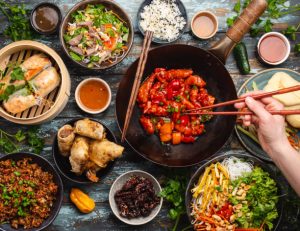
Think about a plate of steaming noodles, crispy spring rolls, or a bowl of hot soup arriving at your table. The smell of garlic, ginger, and fresh vegetables can make anyone hungry. For many people, Chinese food is one of the easiest cuisines to enjoy. We may start with something simple like fried rice or noodles, but there is always another dish waiting to be tried.
Chinese food has become popular around the world because it offers a wide choice of flavors, textures, ingredients, cooking styles, and prices. It is also easy to share, which makes it a popular choice for families and groups of friends. Chinese cuisine is much more diverse than many people realize because different regions have developed their own cooking traditions.
Regional Variety Gives Diners a Cuisine for Every Taste
One of the biggest strengths of Chinese cuisine is its variety. If you do not like very spicy food, there are mild dishes. If you enjoy strong flavors, there are plenty of options for you too. Different regions of China have their own ingredients, cooking methods, and traditional dishes.
Eight Major Cooking Styles Create Endless Choice
Chinese cuisine is commonly described through eight major regional cooking styles. Each style has its own characteristics and flavors.
- Sichuan cuisine: Known for chili, Sichuan pepper, and bold flavors.
- Cantonese cuisine: Famous for dim sum, seafood, roast meats, and fresh ingredients.
- Shandong cuisine: Includes seafood, soups, and many wheat-based dishes.
- Jiangsu cuisine: Known for gentle flavors, fresh ingredients, and careful presentation.
- Fujian cuisine: Often focuses on seafood, soups, and flavorful broths.
- Hunan cuisine: Known for spicy flavors, garlic, and smoked ingredients.
- Zhejiang cuisine: Often focuses on fresh and seasonal ingredients with lighter flavors.
- Anhui cuisine: Known for earthy ingredients and slow cooking methods.
These regional styles show why it is difficult to describe Chinese food with only one flavor. Someone who enjoys spicy food might prefer Sichuan cuisine, while someone who likes delicate seafood dishes may enjoy Cantonese cooking more.
Familiar Dishes Offer an Easy Entry Point
Most people do not begin their Chinese food journey by ordering something completely unfamiliar. They usually start with dishes they already know, such as fried rice, Hakka noodles, spring rolls, dumplings, or sweet-and-sour dishes.
These foods are popular because they are easy to understand and usually easy to share. Imagine going to a Chinese restaurant with four friends. Instead of ordering five separate meals, you can order noodles, fried rice, dumplings, vegetables, and chicken and share everything.
Local Dishes Reveal Deeper Stories
Food can tell us a lot about the place where it comes from. Rice has been an important part of many southern Chinese food traditions, while wheat-based foods such as noodles and dumplings have played an important role in northern areas.
Coastal regions have greater access to seafood, so fish and shellfish appear frequently in many local dishes. Other areas have developed recipes around local vegetables, mushrooms, herbs, and other available ingredients.
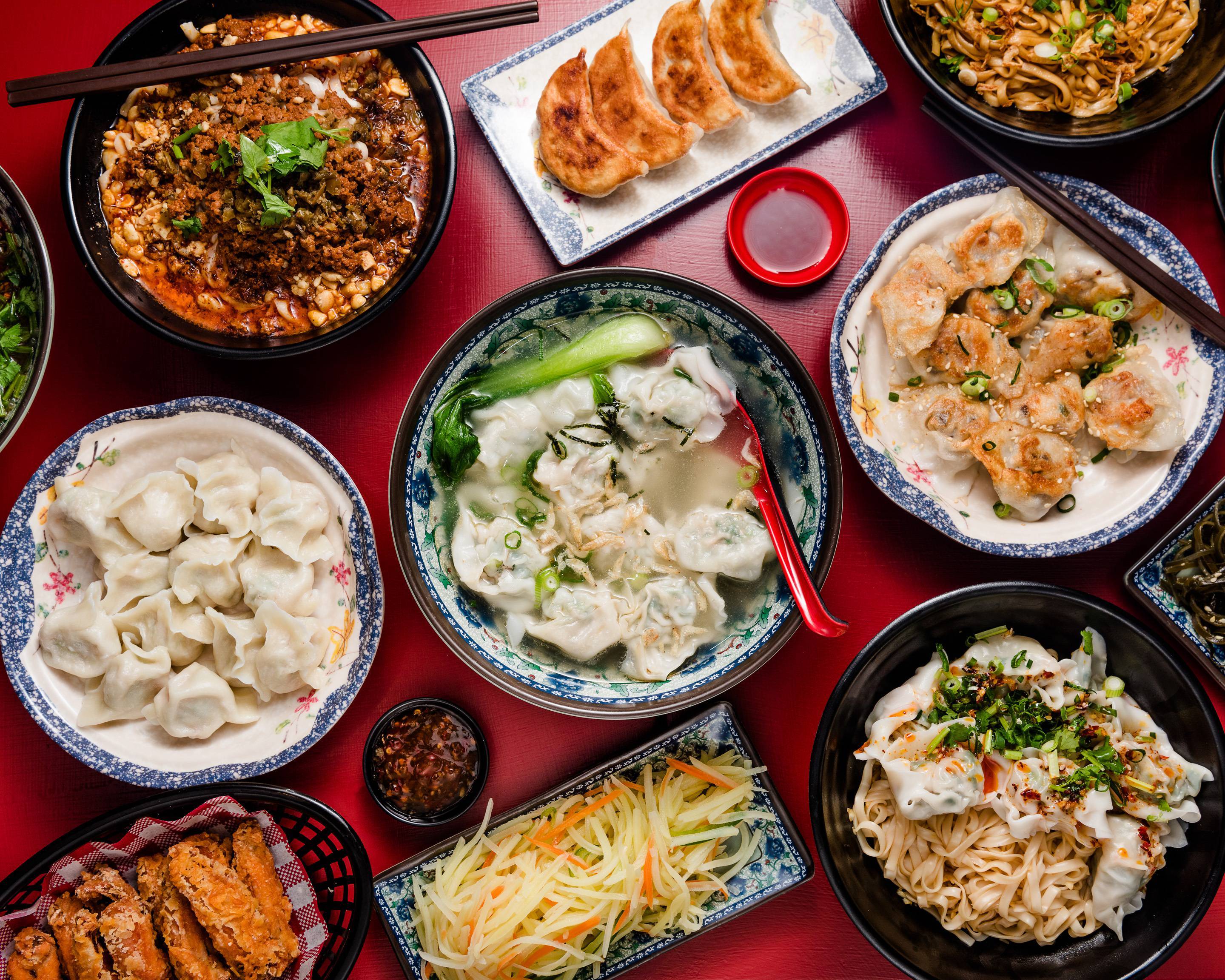
Strong flavor Balance Keeps Every Bite Interesting
Chinese food is not only about making a dish spicy. A good Chinese dish often depends on balancing different flavors. Sweet, sour, salty, spicy, and savory tastes can work together to create a satisfying meal.
Sweet, Sour, Salty, Spicy, and Savory Work Together
Different dishes use different combinations of flavors. For example, map tofu combines soft tofu with spicy and savory flavors. lung pap chicken brings together chicken, chili, sauce, acidity, and crunchy peanuts.
Hot-and-sour soup has another combination of flavors. It brings together ranginess, pepper, broth, and soft ingredients. This balance makes Chinese food interesting because every dish can offer a different experience.
Texture Matters as Much as Taste
Taste is important, but texture also makes a meal enjoyable. Chinese cuisine includes many different textures.
- Crispy spring rolls
- Soft tofu
- Chewy noodles
- Crunchy vegetables
- Tender chicken
- Steamed dumplings
- Crispy fried noodles
Different cooking methods are responsible for these textures. Stir-frying can keep vegetables crunchy, steaming creates soft and delicate food, while braising makes meat tender. Frying gives food a crispy outside.
Aromatics Build Depth With Simple Ingredients
Chinese cooking often uses simple ingredients that create strong aromas and flavors. Garlic, ginger, scallions, dried chilies, soy sauce, rice wine, and black vinegar are some common examples.
For a simple homemade stir-fry, soy sauce, vinegar, a little sugar, garlic, and ginger can create a flavorful base. The important thing is to keep the flavors balanced.
Shared Meals Turn Food Into a Social Experience
Chinese food is often associated with sharing. Instead of ordering one meal for yourself, several dishes can be placed in the middle of the table so everyone can try a little of everything.
Large Tables Make Eating Feel Generous
A group might order fried rice, noodles, chicken, vegetables, dumplings, and soup. Everyone can take a small portion from each dish.
- More variety in one meal
- Easy sharing with friends and family
- More chances to try new dishes
- A relaxed dining experience
- Suitable for group meals
Dumplings, Hot Pot, and Dim Sum Invite Participation
Some Chinese meals are more interactive than others. Hot pot is a good example because ingredients are cooked in a simmering broth at the table. Diners can choose vegetables, noodles, tofu, meat, or seafood according to their preference.
Making dumplings can also be a family activity. People can prepare the filling, fold the wrappers, and cook them together. Dim sum is another social dining experience because small plates are shared around the table.
Food Carries Family Memory Across Borders
Food can become especially important when people move to another country. A family recipe may remind someone of home. A particular smell can bring back childhood memories. A Chinese restaurant can also become a place where members of a community meet and share familiar food.
This is why food can represent more than just taste. It can carry family memories, traditions, and cultural identity.
Chinese Food Adapts Without Losing Core Identity
Chinese food has traveled to many countries, and it has changed along the way. When cooks move to a new country, they may not always have access to the same ingredients they used at home. Local customers may also prefer different flavors. As a result, recipes can change.
Migration Helped Chinese Dishes Reach New Diners
Chinese migration played an important role in spreading Chinese cooking around the world. Chinese restaurants became popular in many cities, particularly in areas where Chinese communities settled.
Over time, people who had never experienced Chinese food began visiting these restaurants and trying different dishes. This helped Chinese food become familiar to people from many different cultures.
Local Versions Create New Food Traditions
There are many examples of Chinese-inspired food developing in different countries.
- American-Chinese dishes such as General two’s chicken
- Peruvian-Chinese china cuisine
- British-Chinese takeaway dishes
- Indian-Chinese dishes such as chili pane er and Hakka noodles
These dishes show how food can change when it becomes part of another culture. Local ingredients and local preferences can create new food traditions.
Indian-Chinese Food Has Its Own Identity
India is a very good example of this process. Hakka noodles, chili pane er, Manchurian dishes, Schezwan fried rice, and chili chicken are popular across the country.
Indian-Chinese food often uses strong flavors such as chili, garlic, ginger, and sauces that appeal to Indian tastes. As a result, Indian-Chinese food has developed its own identity and has become a familiar part of Indian restaurant culture.

Value, Choice, and Convenience Keep Demand Strong
Chinese food can fit different budgets, which makes it attractive to many people.
One Menu Can Serve Many Kinds of Diners
A typical Chinese restaurant may offer many different choices.
- Vegetarian dishes
- Chicken dishes
- Seafood
- Rice
- Noodles
- Dumplings
- Soups
- Mild dishes
- Spicy dishes
This variety is useful when a group has different food preferences. However, people with food allergies should ask restaurant staff about ingredients before ordering. Soy, peanuts, sesame, shellfish, wheat, and eggs may be present in different dishes or sauces.
Affordable Staples Make Regular Visits Possible
Rice, noodles, vegetables, tofu, and eggs can make filling meals without being extremely expensive. In India, Chinese food is available at different price levels depending on the restaurant, city, ingredients, and portion size.
Chinese Food Price Guide in India
The following are approximate prices in Indian Rupees (₹). Actual prices may vary depending on the restaurant, city, portion size, ingredients, taxes, and delivery charges.
Chinese FoodApproximate Price in IndiaVegetable Fried Rice₹80–₹150Hakka Noodles₹80–₹160Spring Rolls₹60–₹120Vegetable Manchurian₹90–₹180Chicken Fried Rice₹130–₹250Chicken Noodles₹130–₹250Dumplings / Momos₹100–₹250Hot and Sour Soup₹70–₹150Chilli Chicken₹180–₹350Seafood Dishes₹200–₹500+Premium Chinese Main Course₹400–₹800
+
The Cuisine Keeps Finding New Audiences
Chinese food continues to attract new customers. Today, people are becoming more interested in regional Chinese restaurants, hand-pulled noodles, dumplings, hot pot, specialty tea, chili oils, and fermented foods.
Social media has also helped people discover dishes they may not have known about before. A video showing a steaming bowl of noodles or a table full of dumplings can make someone curious enough to try the food themselves.
- Regional Chinese dishes
- Hand-pulled noodles
- Dumplings
- Hot pot
- Specialty tea
- Chili oils
- Fermented foods
The Lasting Appeal Comes From Variety, Connection, and Discovery
Chinese food has become popular around the world because it offers a combination of things that people naturally enjoy. It has variety because different regions offer different dishes and cooking methods.
It has flavor, with sweet, sour, salty, spicy, and savory combinations. It has texture, from crispy spring rolls to soft tofu and chewy noodles. It also has social value because many dishes are meant to be shared.
In India, simple Chinese dishes may cost around ₹80–₹150, while premium dishes can cost ₹500 or more depending on the restaurant and ingredients. This wide price range also makes Chinese food accessible to different types of customers.
But perhaps the biggest reason people love Chinese food is the feeling of discovery. You can start with a simple plate of fried rice, then try dumplings, a spicy Sichuan dish, or a Cantonese dim sum meal.
There is always something else to explore. Chinese food may feel familiar from the first bite, but its variety, flavours, traditions, and stories give people countless reasons to come back for another meal.
Chinese food can be a delicious part of a balanced diet when you choose the right ingredients and cooking methods. Adding vegetables, lean proteins, and lighter sauces can make your meal more nutritious without taking away from its flavour. If you are interested in making healthier food choices in your daily life, check out our guide to Healthy Food for more useful tips.