Why Streaming’s Better for Indie Films Than Cinema

Introduction
The fast-changing entertainment industry today requires indie filmmakers to change how they distribute their productions. While conventional cinema used to be the pinnacle for releasing Movies in Cinema, streaming platforms have come up with new ways of doing business that could not even be thought of before.
For example, an independent film unable to draw a crowd in a small-scale movie theater release may reach millions of people worldwide via a streaming platform. Therefore, streaming is becoming a powerful way to overcome the obstacles and communicate directly with the target audience.
Also, success metrics have changed with the advent of digital platforms because besides box office performance, filmmakers can use audience engagement, watch time and worldwide exposure.
Why is streaming becoming the favorite method of distributing indie films in 2026? Let us find out.
Image Source: Biswajit Sarkar
Lowering the Barrier to Entry in Streaming
Zero Distribution Costs Make a Big Difference
First of all, streaming substantially cuts down the cost of distribution.
Previously, distribution of a movie in theaters required printing the movies, transportation fees, campaign promotion, and renting theater Cinema rooms. However, for small filmmakers with limited budget, those expenses were too large.
Streaming enables digital distribution, that is to say, instead of spending large sums of money on physical distribution, filmmakers are able to post their movies online and provide them to the viewers.
Moreover, streaming saves money spent on such expensive actions as “four-walling”, which implies renting theaters to show your own movie.
Bypassing Traditional Gatekeepers
The other great benefit of streaming is the elimination of the usual gatekeepers.
Traditionally, filmmakers had to get the approval of distributors, studio heads, and theaters before their films could be viewed. The problem was that many independent movies failed to get attention simply because they weren’t commercially viable enough.
On the other hand, streaming services use algorithms more often than any human decisions. Consequently, the discovery of new content becomes dependent on user activity.
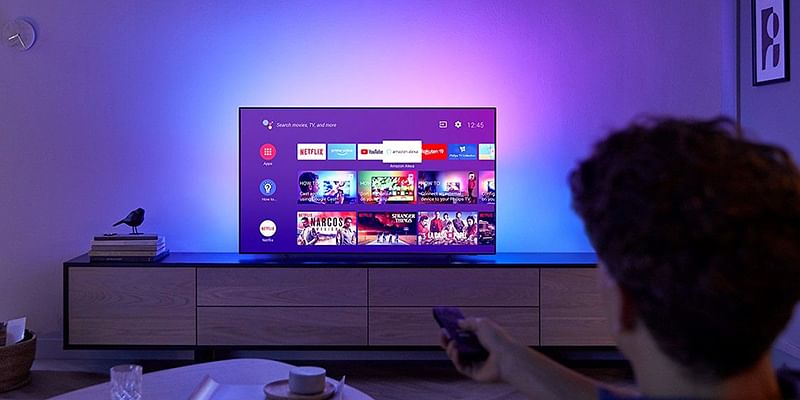
Image Source: ipleaders
Precision Targeting and Niche Audiences
Algorithmic Matchmaking Connects the Right Viewers
One of the many advantages of streaming websites is that they offer content to users based on precise audiences.
Differently from theatres that target general audiences, streaming websites suggest content according to viewer preferences.
This way, those who like folk horror, indie drama, experimental films, or local stories have easy access to the movies they are interested in.
In this case, indie moviemakers do not need to satisfy the so-called general audience anymore.
Global Day-and-Date Releases Expand Reach
In addition, OTT platforms takes away any geographical constraints.
Previously, movies were screened in one particular country and later spread to other countries slowly. Such a scenario used to take away time for gaining fans.
With streaming, movies can be simultaneously released all around the world. Regardless of whether the viewer is in India, the United States, Europe, or Latin America, he or she will be able to view the movie on its release date.
Thus, independent movies can gain an international fan base very quickly.
Image Source:EncodeDots
Better Monetization and Long-Term Sustainability in Streaming
Multiple Revenue Models Create More Opportunities
However, viability remains important for independent filmmakers financially. Fortunately, there are many revenue sources available for independent filmmakers from online streaming services.
They are:
- SVOD (Subscription Video on Demand): Revenue that can be earned through licensing agreements from subscription services.
- AVOD (Advertising Video on Demand): Revenue that can be earned through advertisement.
- TVOD (Transactional Video on Demand): Revenue that can be earned through rentals and sale.
In contrast to theatrical releases, where a significant portion of revenue goes to theater owners, streaming gives filmmakers other options to earn their money.
Therefore, filmmakers have the ability to choose the best revenue source.
The Long Tail Effect Increases Earnings
Another key benefit is the “long tail” business model.
In conventional theaters, the success of a movie is judged based on the first couple of weeks in which the movie has played. In case of low ticket sales, the theater replaces the old movie with new movies.
Streaming, however, is a different story.
Because the movies remain available for a long time, people keep watching the same movie even after several months or even years after its release. This way, independent productions get a chance to make profits.
Valuable Audience Insights Streaming
Moreover, streaming platforms offer comprehensive data analysis on performance metrics. Filmmakers will be able to track the following metrics:
- Viewing retention metrics
- View time statistics
- Age and gender composition of the audience
- Completion percentage
Such information allows filmmakers to learn about the viewing behavior of the audience and use this knowledge in future projects.
The Creative Freedom of Streaming
Breaking Free from Runtime Restrictions
Conventionally, theater houses are known to prefer films based on certain runtime criteria so as to facilitate multiple showings in a day.
In view of this, filmmakers are usually motivated to confine their films to a very narrow range in terms of runtimes.
This is not the case when it comes to streaming sites.
Regardless of whether a Cinema film runs for an hour, three hours, or even more than that, it is up to the producer to determine the format of the film.
Encouraging Bold and Experimental Narratives
Most importantly, however, is the fact that streaming encourages artists to take risks.
On the stage of theater, film makers often feel forced to make their films more appealing from the commercial perspective by employing popular actors, using obvious endings, or choosing mainstream subjects.
With streaming, such pressure is alleviated since films can be aimed at certain groups of people instead of all of them together.
This way, film makers can enjoy:
- Less restrictions artistically
- Different perspectives in terms of storytelling
- Better representation of different views
- Narrative experiments
- Less reliance on the conventional Hollywood model

Image Source: Adobe Stock
Why Streaming Wins for Indie Films in 2026
In conclusion, the streaming services have revolutionized the scene of independent films.
The benefits include:
- Low cost of distribution
- Access to global audiences
- Targeted audiences
- Various ways of making money
- Revenue generation
- Insights into the audience’s preferences
- Creative freedom
Due to these benefits, streaming has become an effective way for independent film makers.
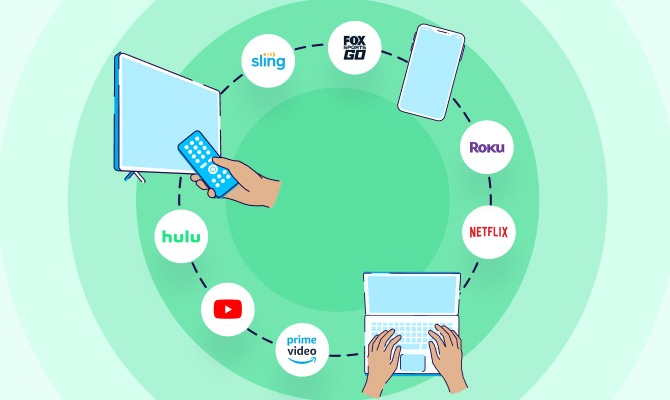
Image Source: AppsFlyer
Final Thoughts
Traditional movie houses still have their importance in offering amazing event experiences, but this is not the only route for success anymore.
OTT offers an opportunity for indie filmmakers to have a more accessible and cost-effective way of presenting their movies without any need to work with big studios and costly theatrical launches.
In the end, the cinema is still where you will see spectacular blockbusters; streaming is the place where innovation, discoveries, and indie filmmaking Cinema happen.
One thing becomes clear as we look at the future of the entertainment industry in 2026 – the future of indie films is streaming.