
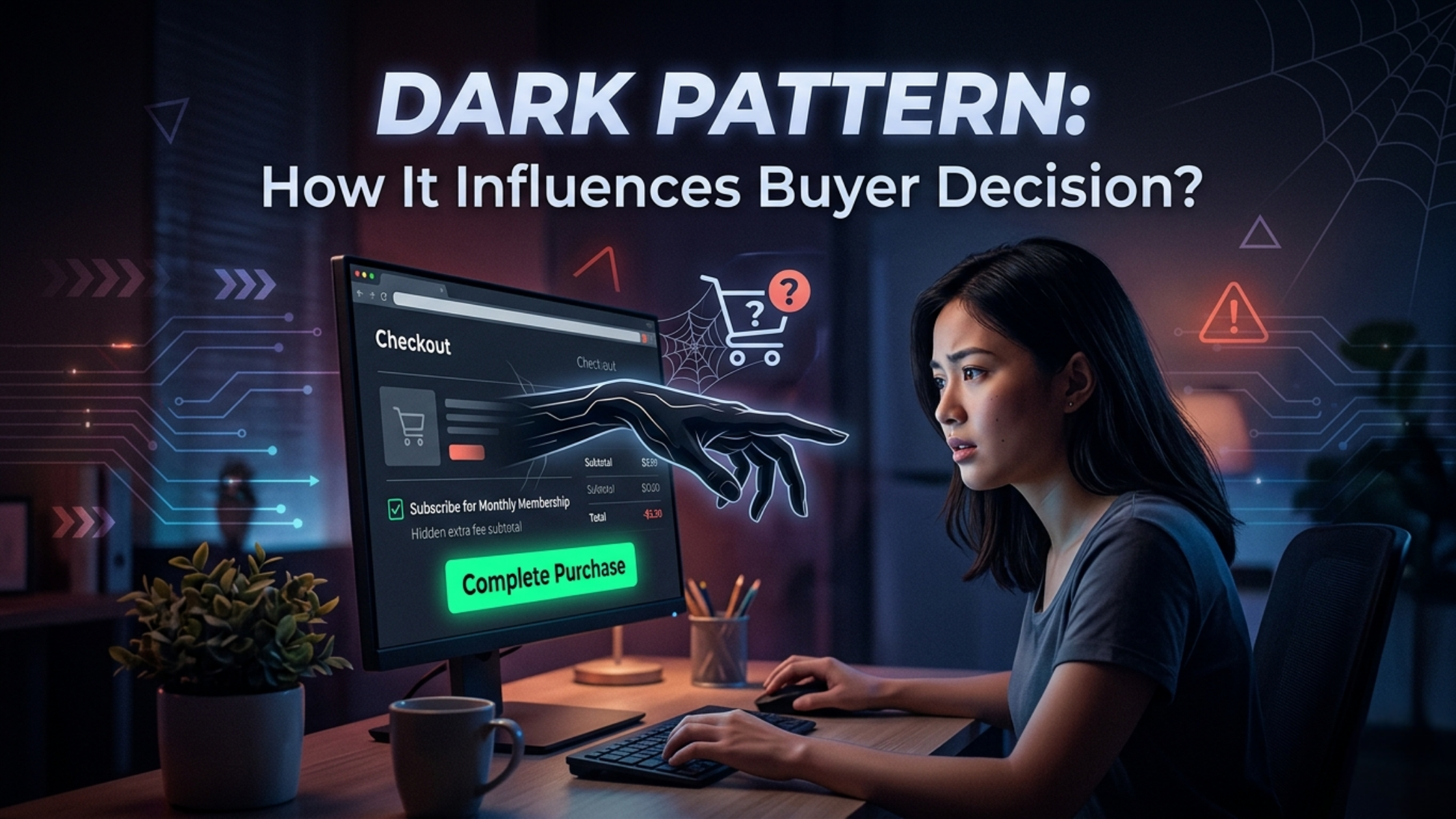
Dark Pattern: How It Influences Buyer Decisions

In theory, online shopping looks simple. You just search, compare and buy. However, sometimes the interface can push the consumer toward a decision and affects consumer behaviour. This is where the dark pattern (deceptive pattern) becomes an important factor. So you are maybe customer or seller you should know dark pattern meaning and also dark pattern guidelines.
What is the dark pattern meaning refers? It is a set of design strategies that trick the consumer into doing something they didn’t intend to do. These strategies are often psychological and affect consumer behavior during the buying process.
Some companies use this technique for different reasons, such as increasing sales, collecting data and increasing subscriptions. However, this trick can affect buyer decision and reduce transparency.
It is important to understand this design trick if you want to be a smarter buyer and a more ethical marketer.

Why Dark Pattern Strategies Work in Digital Platforms
Digital platforms are in a constant race for user attention and conversions. Designers use various techniques to engage users with the interface. Some of these techniques are effective, whereas others have crossed the line and entered the dark pattern zone.
These dark pattern techniques work because of human psychology. Humans are impulsive in nature. They trust the interface through which they are interacting.
Therefore, if a design encourages a user to perform a particular action, most users will follow the interface.
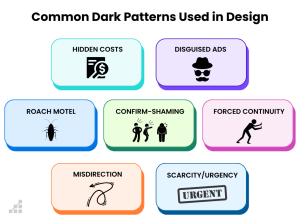
Hidden Costs and the Pattern Effect
A common dark pattern technique used in e-commerce platforms during the checkout process is as follows: a product appears to be at a reasonable price at the beginning of the process. However, additional costs are revealed at the last step of the process.
This technique works because a user has invested a lot of time in the process. He or she does not want to abandon the purchase.
Urgency Messages as a Deceptive Pattern Example
You might have seen the following types of messages:
“Only 2 rooms left!”
“Offer ends in 3 minutes!”
These are examples of dark patterns, where urgency is used as a tactic.Basically these types of messages generate a fear of missing out.
In most cases, the rooms may not be limited. However, the message instigates emotional responses from the customers. They are in a rush and do not evaluate the information properly.
Forced Sign-Ups and Manipulation
Another dark pattern is the use of a forced registration method. A website might place important content behind a mandatory account creation process.
In some cases, the “Skip” option is very unclear and users might struggle to locate it. However, the “Sign Up” option is prominently displayed with a bright color.
This dark pattern manipulates users to give personal information. These types of dark patterns alter the behavior of consumers over time by making them comfortable with providing unnecessary information.
Types of Dark Pattern That Influence Consumer Behaviour
There are various types of dark patterns used on websites and applications. Each of these dark patterns influences buyer behaviour in a distinct manner.
Knowing these dark patterns helps consumers realize manipulation at an early stage. Infact users can use tactis to spot and avoid ad scam safely.
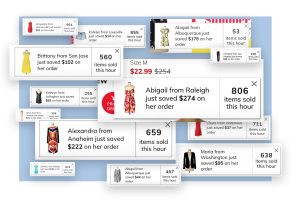
Sneak into Basket
The “Sneak into Basket” dark pattern adds additional products to a buyer’s shopping basket without their knowledge. Users may not be aware of the additional item in the shopping basket.
For instance, a warranty plan or an additional item may be added without the buyer’s consent.
The practice increases business revenues but compromises buyer trust. Most buyers realize the additional item after making the payment.
Confirm Shaming as a Deceptive Pattern Technique
Confirmshaming uses guilt to influence decisions.
A website might display a pop-up with two choices:
“Yes, I want to save money.”
“No, I prefer to pay full price.”
The wording pushes users toward the preferred option. This dark pattern manipulates emotional responses rather than offering neutral choices.
Subscription Trap
Some services make subscriptions easy to start but hard to cancel. The cancellation process may require multiple steps or hidden settings.
This dark pattern increases retention artificially. Users remain subscribed simply because the exit process feels complicated.
Over time, this type of strategies can cause losing of customer faith, reliability and brand reputation.
Dark Pattern Guidelines and Ethical Design Practices
The government and digital policy groups are now aware of the risks of dark pattern design.
The dark pattern guidelines is mainly used to protect users. With this users come to know how they can protect themself from being misled by deceptive interface design. These guidelines tell about transparency, fairness and user consent.
On the other hand, when the designs of websites and apps are made ethically, it gives benifits to both businesses and consumers.
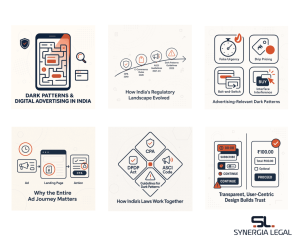
Transparency in Dark Pattern Guidelines
Honest communication is the foundation of ethical design. Pricing, subscription and also data usage should be transparent and easily understandable to users.
Users tend to be more loyal to a service or platform that is honest with them.
Basically, this approach reduces dependency on this pettern and helps to build long term credibility.
Consent and the Dark Pattern Guidelines
For proper consent, users need clear options.
The button should be symmetrical and visible. So that users can easily click on “no” if they wish to decline.
The dark pattern guidelines states that all options should be given equal weightage so that users are free to make their own decisions.
User-First Design Instead of Deceptive Pattern
The purpose of good design is not to control users but to help them.
A user-first interface is simple and clear, unlike a deceptive pattern interface that is complex.
When companies abandon this patterns in favour of good design, they reap the rewards of increased customer loyalty.
Advanced Dark or Deceptive Pattern Concepts
As digital markets continue to grow and change, this patterns become more sophisticated. Some of this patterns involve data from consumer behaviour and personalization algorithms.
This makes deceptive patterns more difficult to identify.
Algorithm-Driven Deceptive Pattern Personalization
Today’s digital platforms have access to a lot of consumer data. Algorithmic analysis of consumer browsing patterns, preferences and purchase history, better to say consumer behaviour altogather is common.
With this data, a company can design its interface to influence consumer behaviour. For instance, a platform can use more urgent messages for users who tend to act fast in response to promotions.
This is an advanced deceptive pattern that can boost conversion rates but is highly unethical.
Interface Interference in Deceptive Pattern Design
Interface interference is a design feature that deliberately seeks to confuse users.
Buttons may look identical, or important options may be placed in menus, or colors may be used to guide attention toward a preferred action.
All these design features play a role in influencing consumer behaviour without their full awareness of the design manipulation.
Interface interference is now included in most dark pattern guidelines. It sets as a design feature with negative consequences for consumer experience.
Final Thought: Rethinking the Role of Dark Pattern in Digital Commerce
The internet was designed to enable users to make informed choices. The dark or deceptive pattern, however, seems to reverse this trend, taking away power from the buyer.
It uses emotions, conceals information, and alters consumer behaviour.
Businesses may have a little conversion. But trust is lost when buyers feel that they are misled.
So, the real question is, does the dark or deceptive pattern design really work?
The answer is, yes it does.
The real question, however, is: Will brands build their growth using manipulation, or will they build it using ethical design?