
Gene Resurrection Technology: How It Works and Why Scientists Use It

Introduction
Picture woolly mammoths walking through the deep, white snow once again, brought back through advanced gene technology. They would be real, living animals not just old bones in a museum case. This bold idea used to be a story for the movie screen. Now, it is slowly becoming a true fact of our life.
The new gene tools being used by scientists are helping to restore formerly extinct species and repair or enhance DNA codes so that cells will function correctly once again. A description of this method as well as a rationale for the method’s use is available in the document. The biotech investments of approximately $15 billion by approximately 150 different companies as of February 2026 are indicative of how much people appreciate the significance of such difficult work and investment.
What Is Gene Resurrection Technology?
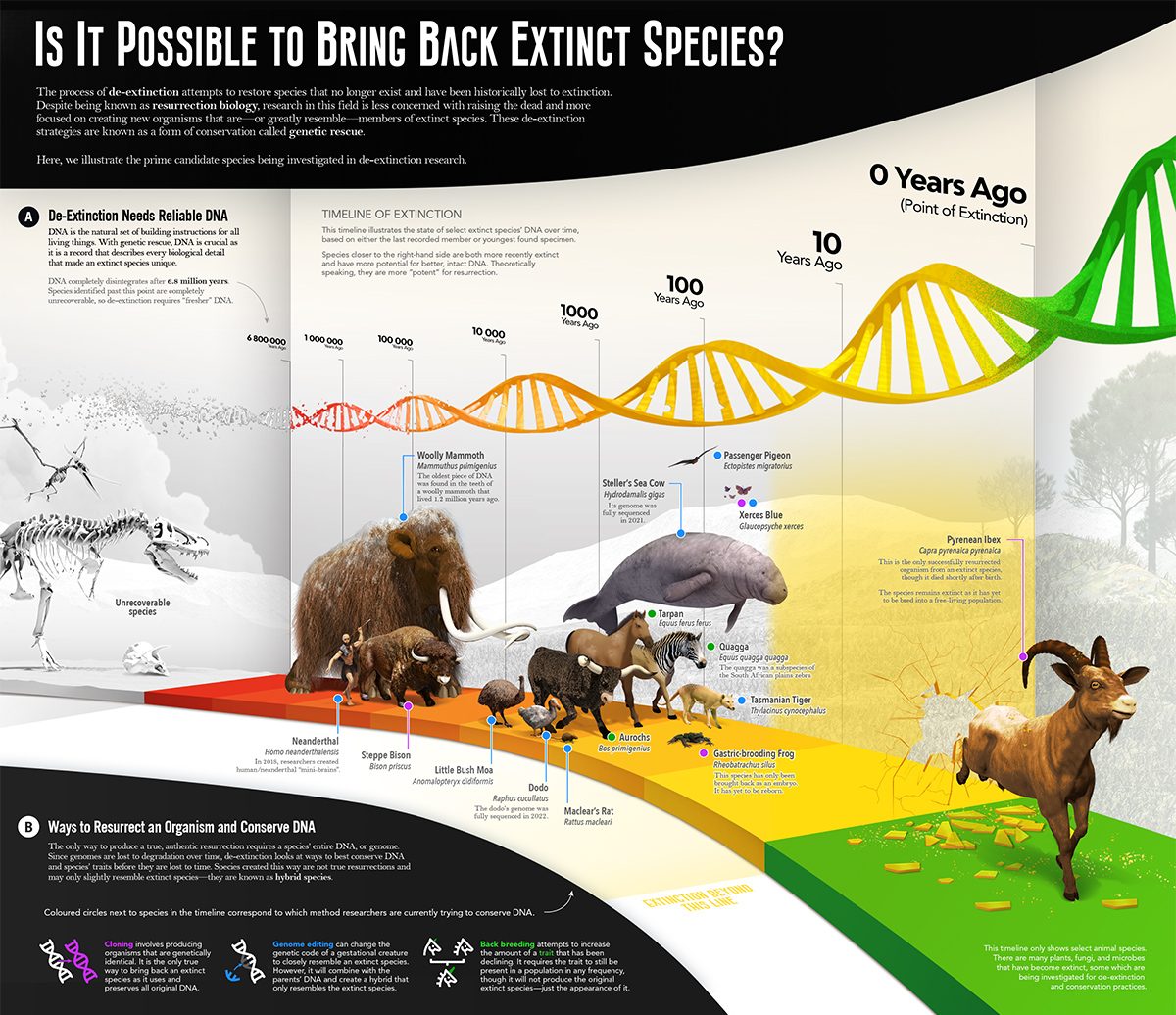
Image source : Visual Capitalist
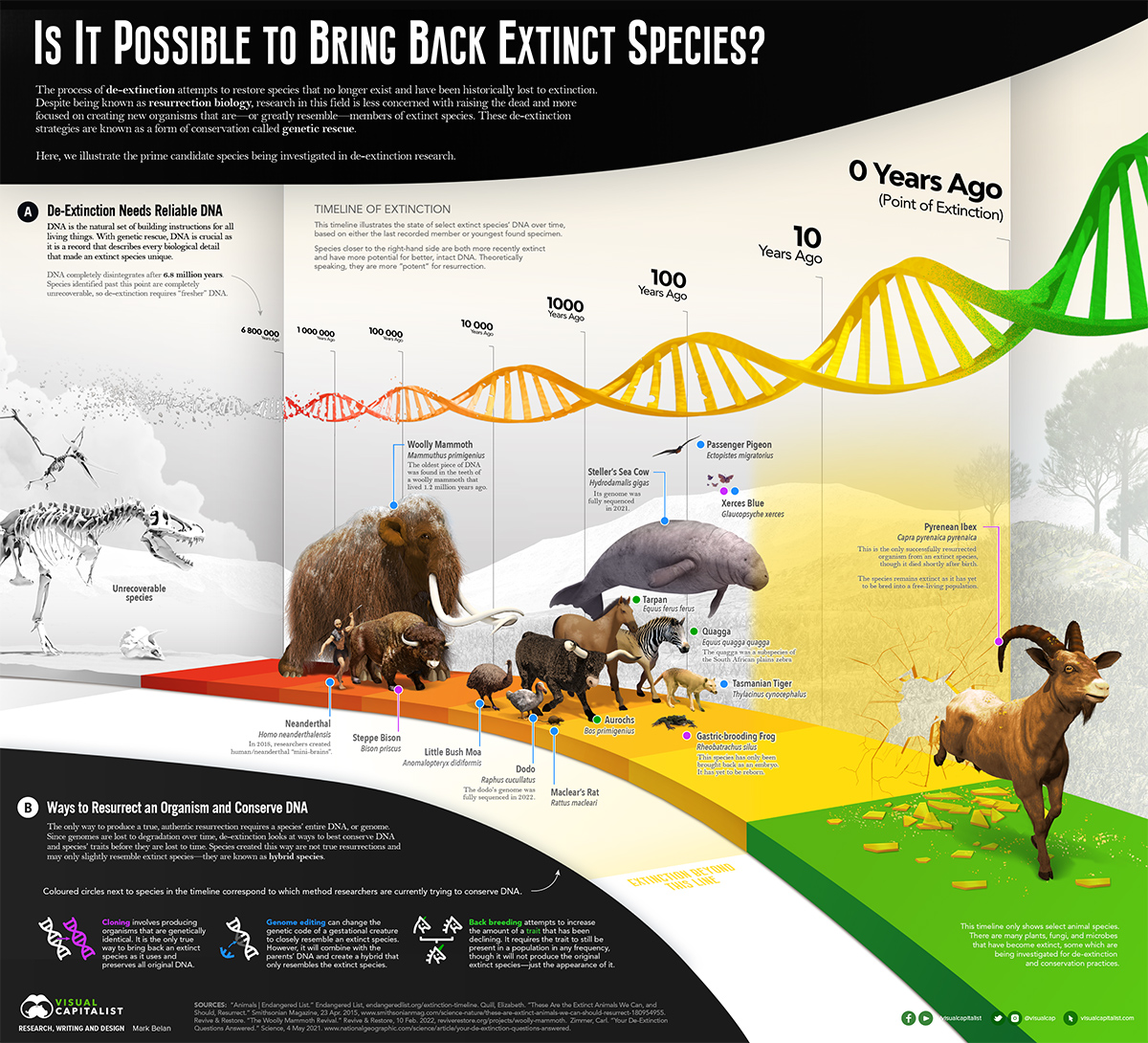
Gene science allows us to revive traits from animals that went extinct long ago. Researchers discover old DNA and study it to identify the best parts. These experts are not trying to make exact replicas of lost creatures. They simply aim to reconstruct the main traits that made them unique. This work helps us see how these creatures once lived.
Core Building Blocks
Scientists pull DNA out of old bones found deep in the dirt. They fix the broken parts by using tools like CRISPR. These tools work well in the lab and hit the mark. The code is right more than ninety percent of the time. High success rates like this help us bring back lost species.
Paleo geneticist Dr. Beth Shapiro describes the process clearly: “We rebuild genomes like puzzles from old bones.”
Key Differences from Cloning
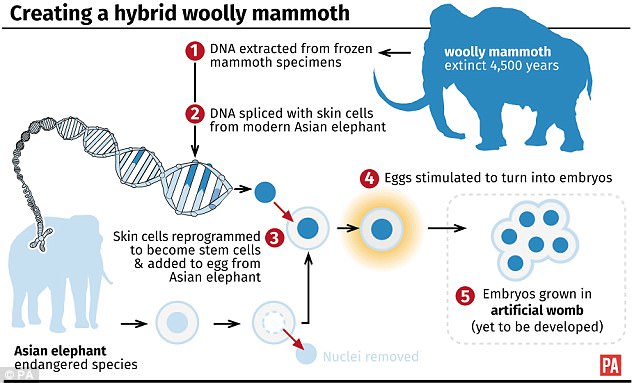
Cloning requires living cells to make a perfect match of an animal. Gene resurrection works in another way it uses broken bits of DNA. Scientists piece these scraps back together to form a new code, then they mix it with a living cousin species. For instance, mammoth genes might go into an elephant egg cell. This creates a hybrid instead of a simple copy.
Key Takeaways:
- Targets species extinct for over 10,000 years.
- Focuses on reviving critical survival traits such as cold resistance.
- Uses hybrid cells rather than direct copies.
Early Milestones
Many large steps have been taken towards returning extinct species to the Earth. Notably, great progress was made by scientists to recover the passenger pigeon’s DNA through a project that started in 2015. By 2024, the DNA mapping of several extinct species, over 200, will have been created by different scientists. As a result, we have much to look forward to as we use this information to work towards bringing back these species soon! This work helps us try to bring these creatures back home soon.
How Gene Resurrection Technology Works Step by Step
Step 1: Harvest and Sequence DNA
Researchers are discovering prehistoric DNA in ice, amber, and fossilized bones. Many times more than 70% of what was once present in ice samples is usable DNA, so the best DNA results often come from specimens preserved in a cold environment. Researchers can quickly sequence the genetic material by utilizing advanced artificial intelligence tools. During 2023, the Colossal group finished mapping the mammoth genome, which gives information about these large animals’ habitat and lifestyle. This piece describes the way those enormous creatures once lived.
Step 2: Edit and Insert Genes
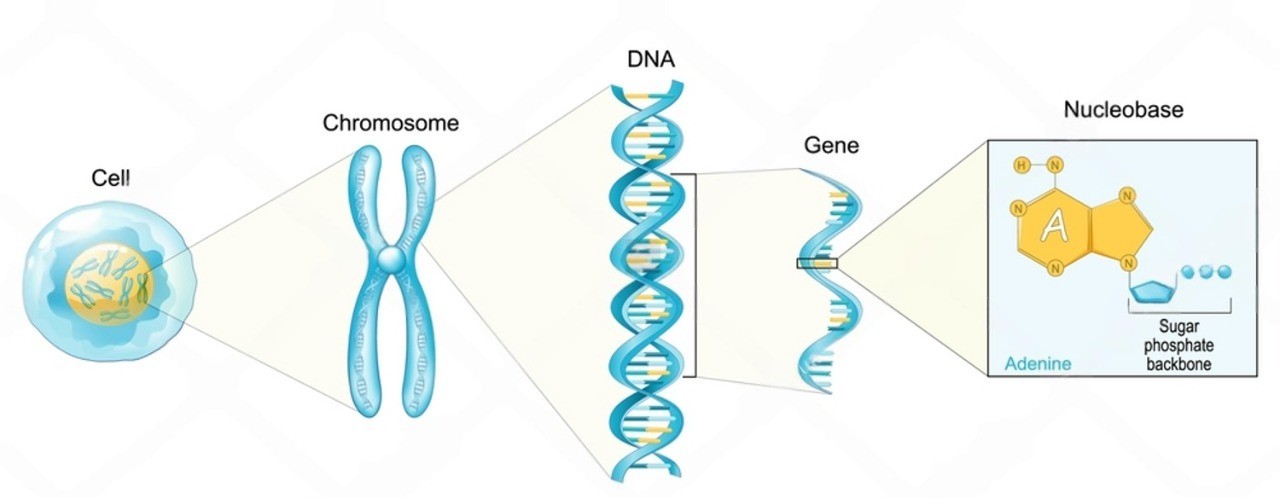
Image Source : Shutterstock
Scientists now use special tools to fix the code of living things. One big goal is to bring back the Tasmanian Tiger. They find old DNA stored in pieces of skin or bone. Next, they move those genes into fresh cells to start new life. This could help the lost hunter walk the earth again soon. In this current experiment involving mice, scientists hope to determine the extent to which the ancient Tasmanian Tiger genes will function when placed into a modern-day organism through placing those genes into mouse embryos and observing their growth.
Geneticist George Church explains the advantage of gene editing by stating, “Editing beats copying every time.”
Step 3: Grow and Test Embryos
To grow the mammoth, scientists will implant embryos from two different types of female relatives. Mammoth calves implanted into females require approximately 280 days of gestation before being born. This is the same length of time it takes for elephants to carry their young.
Resurrection Process Overview:
- Last year’s tests show 40 percent of lab embryos survived. That is four out of ten. This is a big step for the study.
- Rebuilding the species takes time. It will take two to five years for the young to form a steady breeding group.
Why Scientists Pursue Gene Resurrection
Restore Lost Ecosystems
Mammoths help stop the Arctic from thawing way too fast. Their heavy feet stamp down the thick winter snow. This hard layer acts like a shield to keep the ground cold. These large beasts also eat wild bushes to slow down fast fires. Keeping the grass short protects the frozen ground during the warm season. It also cuts methane leaks by 20%.
Advance Medicine and Biotechnology
Ancient genes assist researchers in discovering ways to support people’s health. For example, scientists are analyzing the blood of mammoths to determine how their blood protects them from extreme temperatures. Additionally, mammoth blood cells may hold significant potential for treating cancer. Based on research from ancient DNA, nearly $2 billion has been invested in drug testing as a result of these studies.
Actionable Reasons Scientists Support Resurrection:
- We must act to save nature a million types of life could die out forever.
- Give smart tools better data on how life changes to help find new medical cures.
- Our weather stays steady and nature stays strong when we protect the land and sea.
Real World Examples and Challenges
Top Case Studies
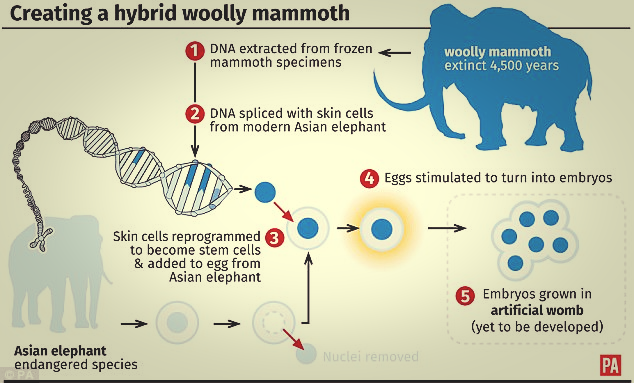
Image Source : Nextias
With a recent $225 million in funding from investors, Colossal Biosciences hopes to resurrect the woolly mammoth by creating hybrids by using elephant DNA, and the first births are expected as soon as 2028, while researchers also seek to restore the dodo bird by using dodo genes inserted into pigeon embryos, which will begin to develop feathers similar to those of the dodo.
Roadblocks Scientists Face
Bringing back lost species is moving fast, yet big hurdles remain. Many folks often argue about if we should do it at all. Last year, polls showed that most people like the idea of this work. Animal groups still worry about how these new mixed species will live. Even with new tech, science has limits that keep us from moving too fast. DNA breaks down and becomes useless after about a million years. For this reason, a real Jurassic Park is just a dream for now.
Paleo geneticist Love Dalén summarizes the balance between optimism and caution: “Risks exist, but so does hope.”
One can help out by joining local science groups in your area. These teams study nature data through free tools on the web.
The Road Ahead for Gene Resurrection
Image Source : Adobestock
Breakthroughs Expected by 2030
Nature will change a lot over the next ten years. Scientists will soon breed different animal types together. These new mixed herds will move into fenced parks across many lands. Some previously extinct species are also expected to come back permanently. This new type of animal population will expand in numbers and health well into the future due to a sustainable and long-term animal population growth model.
How You Can Get Involved
Bringing back lost genes happens in more places than just a science lab. The decisions made regarding how to work independently of others will be driven by our collective opinion regarding the process.
Ways to Participate:
- Support groups that fix and guard our wild places.
- Keep up with the latest scientific research on sites like BioRxiv.
- Good rules help science grow while keeping the earth healthy.
Conclusion
Researchers have used technology (both biogenetic and artificial intelligence) to construct nonexistent DNA. Their ultimate goal is to help restore ecosystems and develop new cures for human diseases.
In the last few months, this research has accelerated significantly. They have been performing extensive laboratory tests on the growth characteristics of previously existing species, with the aim of reproducing or creating a new population of the same species, which could eventually enable us to see some of the species that have become extinct. The prospects of rebuilding a species may be very close to reality.