Kurseong Hills : Exploring The Gem Giddha Pahar

Kurseong Hills: A Guide to Giddha Pahar
Kurseong is home to some of the most peaceful hidden spots in the Darjeeling hills, and Giddha Pahar is one of them. While most travelers rush toward Darjeeling, this quiet hillside offers misty tea gardens, fresh mountain air, and calm mountain views far away from the crowds.

Introduction
You can walk in the tea rows for a long time. Nobody will rush you. It is a fine place to sit and be still. Most people drive right past Giddha Pahar without a second look, which is a real shame. It is a great spot. You should stop. This page covers the best things to see and I listed the local food you have to try, too. I put in the best driving routes and a few places where you can get a decent bed for the night. There are even some simple tips on how to keep the town clean for others. All the info you need to get your trip sorted is right here.
Why Giddha Pahar is Kurseong’s Best Kept Secret
Beyond the Tourist Traps in kurseong
Giddha Pahar is the spot to visit when you want to get away from all the noise. Famous spots like Tiger Hill are okay but they stay way too crowded. You often end up stuck in traffic or standing in a big group just to see the sun come up. This happens a lot in the summer when everyone is on break and the roads are just full of cars and people. Giddha Pahar stays calm though.
You can walk on the ridge and see the view without pushing past a bunch of tourists. It is quiet enough to hear your own thoughts or read a book in peace. Some people call this slow travel. You stop rushing to every park on the map and instead you talk to the people who live there or find a path that isn’t on a map. It is a better way to relax. More people are choosing this now because they are tired of being busy and want to really enjoy where they are.
Natural Wonders and Flora in kurseong
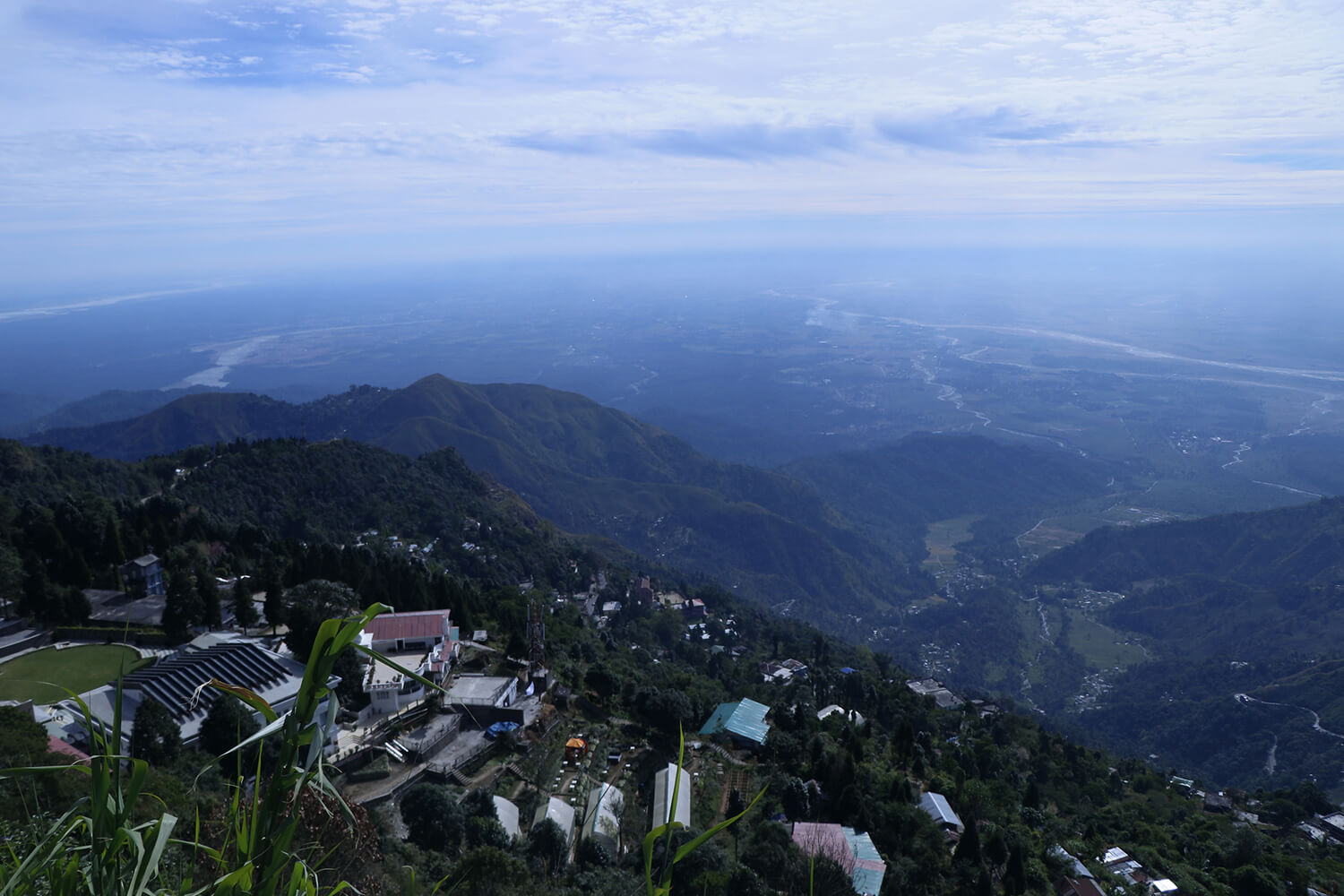
Giddha Pahar looks good all year. The whole area has these big pine forests and tea gardens that just keep going. You see flowers everywhere. When the rains come, the green gets very deep. It is nice.
Wild orchids grow right in the mist. There is moss on the stones and ferns are all over the place. It feels like a spot that hasn’t changed in a long time. The 2026 rain has been good for Kurseong. It keeps the woods looking fresh and bright. You will see waterfalls and small streams near the ridge. They get busy when it pours. If you get up at dawn, you can spot Himalayan birds. The place is very quiet. It is a good spot to just sit and look at nature.
The Quiet Charm of the Ridge
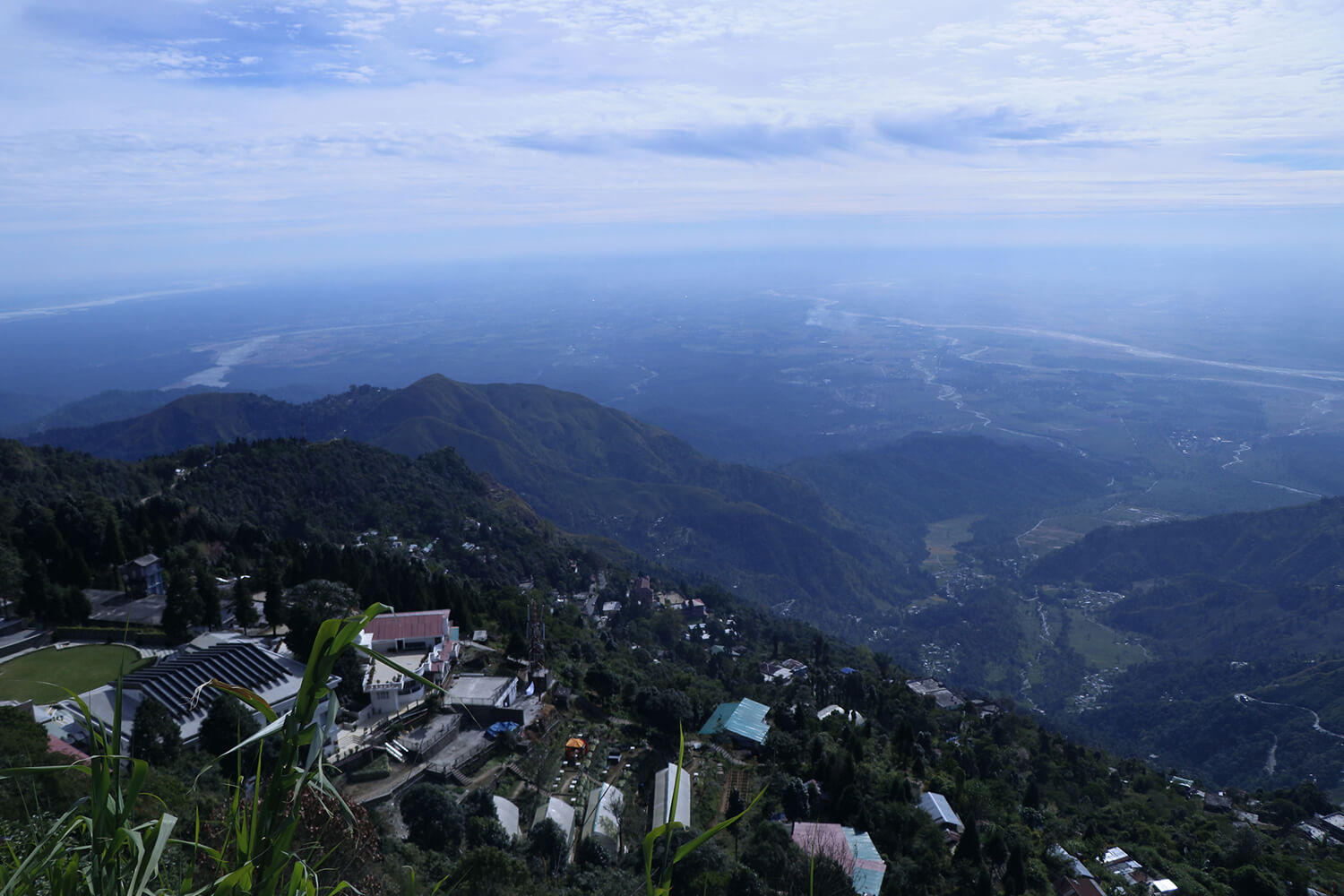
Giddha Pahar is quiet. That is why people like it so much. Most hill towns are full of cars and loud music, but this place is different. You mostly hear birds and the wind in the pine trees. The air is light and clean, and it is much better than what you get in the city. Visitors say it helps them feel relaxed. You are up high on the ridge, so you can see the flat ground for miles. On clear days, the hills look like they are fading into the clouds. The sky looks great when the sun goes down. It turns orange and pink. You will remember it for a long time.
Top Things to Do and See in Kurseong.
Kanchenjunga panoramic view
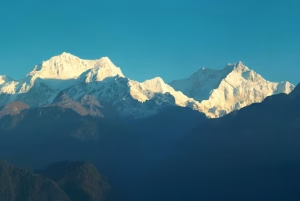
A big highlight when you visit Giddha Pahar is seeing the massive Kanchenjunga mountain range. On really clear mornings , the snow, peaks look like they’re glowing under the first sunlight.
Most people find the best visibility between sunrise and around 8 AM before cloud cover starts creeping in. Winter season, and the months after monsoon, usually give the clearest outlook, still there are those fortunate days in summer mornings too… especially right after rainfall.
If you like photography, take a wide angle lens, also a tripod maybe, because it helps with steady shots. Early morning light gives soft, natural colors which is great for wide landscapes.
And honestly, watching the clouds move slowly across Kanchenjunga is something you don’t easily forget for any traveler.
Local walks and those quiet hidden routes.
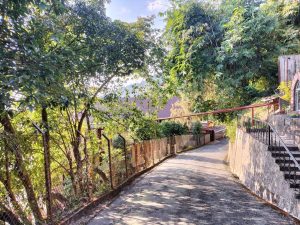
Giddha Pahar works well for easy trekking, and calm nature walking. There are a few lesser known trails that thread through tea gardens, along forest roads , village footpaths, and pine covered slopes.
One commonly chosen route is a 3 hour loop trail. It starts near the ridge road, then goes through local tea plantations, and after that it returns using forest pathways. It is beginner friendly , with amazing viewpoints throughout.
Walking on these serene paths means you notice daily life up close. Tea workers carrying baskets, children heading to school, and small roadside tea stalls all together make a very cozy village vibe.
Compared with tougher Himalayan treks, these gentle walking routes feel more like leisure, families can join, solo travelers can enjoy it as well, and older visitors usually manage it comfortably too.
Nearby monasteries for peace of mind.
A number of Buddhist monasteries around Kurseong are close by, and they offer quiet, reflective spaces that make you slow down a bit, and just listen.
Logistics: How To Get There and Actually Be There
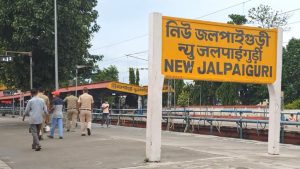
Best Routes from Siliguri and NJP
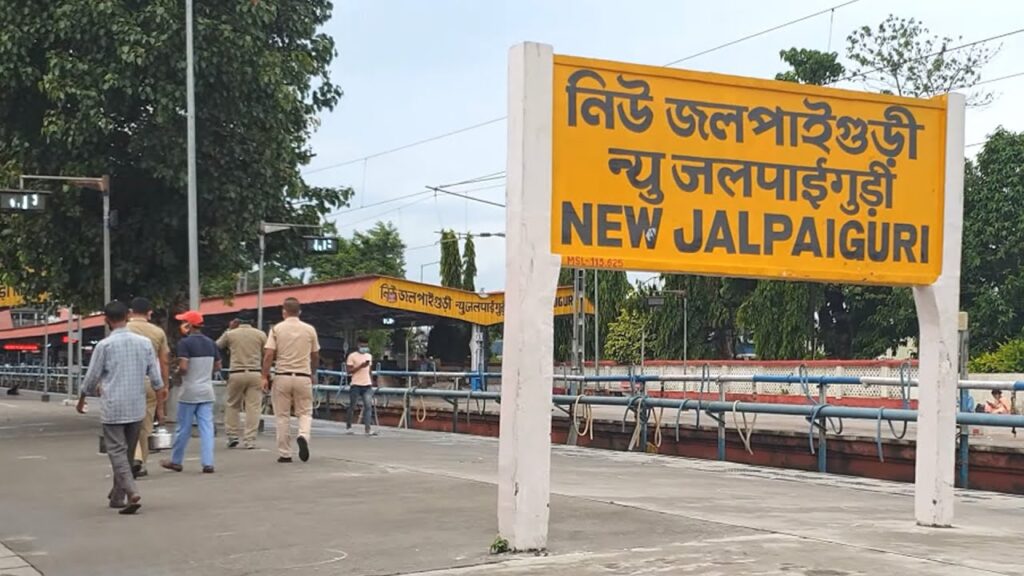
Travelers can reach Giddha Pahar pretty easily from Siliguri or New Jalpaiguri Railway Station (NJP). Usually the ride choices are private cabs, or shared jeeps, depending on what you prefer.
Shared jeeps are budget friendly and are used by most local folks and also tourists. Private cabs feel more comfy and they give better flexibility, especially if you are traveling as a family, or with a small group.
In general, the journey takes around 2.5–3.5 hours, and it depends on the roads and the weather. As of May 2026, most routes stay open, though during monsoon there can be random rainfall that slows things down on some hill stretches.
The drive feels kind of unreal, like really scenic, with curving mountain roads, tea plantations, and valleys covered in mist along the whole way.
Where to Stay: Homestays, or Hotels, depends
Homestays are often the best pick if you want something more real in Giddha Pahar. Local families usually welcome you warmly , serve homemade food, and provide clean rooms that come with mountain views, pretty much right outside.
Most budget homestays land between ₹1,200 and ₹2,000 per night. Mid-range hotels can be around ₹3,000–₹5,000. If you go for a luxury boutique stay, prices may go from ₹6,000 to ₹8,000 depending on the season and the facilities.
Staying with local families also gives you cultural moments, and it directly helps the local economy in a practical way.
Essential Packing List (don’t skip this)
Pack warm clothing even if the day feels mild, because the hills can shift temperature fast, especially during evenings and early mornings.
Bring a raincoat or umbrella, since mountain showers can be unpredictable, and they come with almost no warning.
Comfortable trekking shoes are important too, with good grip , for ridge walks and forest paths.
Other helpful things include sunscreen, basic medicines, reusable water bottles, and power back…