
Nepal Flood 2026: Why It Happened, Impact & Latest Updates

The Nepal Flood 2026 has been transformed into a humanitarian crisis owing to the presence of flash floods in some parts of the Himalayas on 26 August 2026. What initially appeared to be an unusual Rasuwa flood event was later linked to a dramatic glacier collapse and an ice-rock avalanche near the Nepal-China border. The disaster sent a huge surge of water, mud, rocks and debris downstream, destroying homes, roads, bridges and power infrastructure. Several communities were caught with little or no warning because the flood developed incredibly quickly. As per flood latest news 29 August 2026, the reported death toll has reached at least 676 people—669 in Nepal and seven in Tibet—while nearly 3,000 people remain missing. More than 3,700 people have reportedly been rescued in Nepal, but search operations are still underway. These figures remain provisional because rescue teams are continuing to reach isolated areas.
What Happened in Nepal?
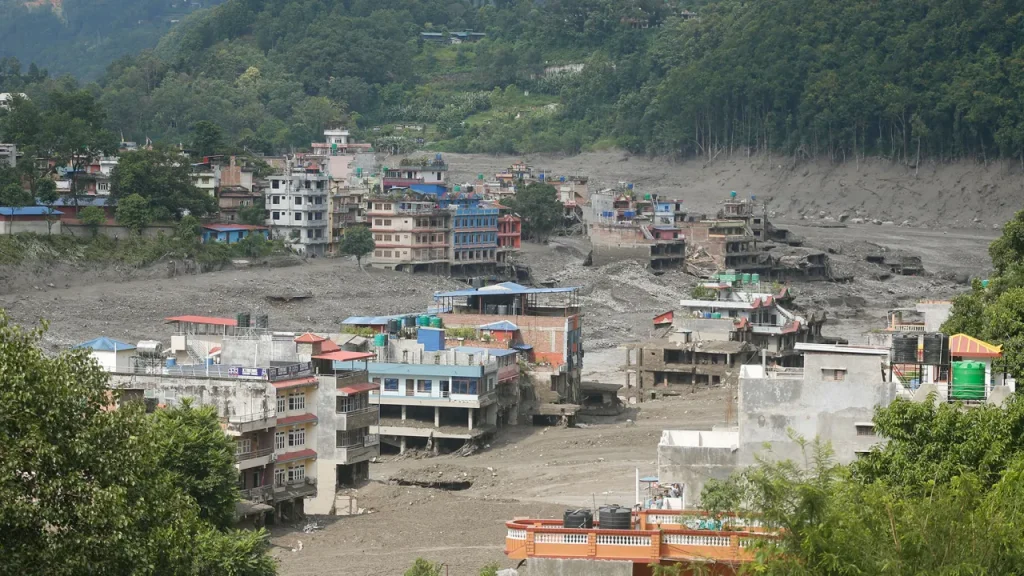
Image Source: Direct Relief
The disaster began high in the Himalayas near the Nepal-China border. Unlike many monsoon floods, there was no need for days of heavy rainfall to produce the disaster. Scientists and disaster experts believe a large portion of a glacier collapsed, sending ice and rock down a steep mountain slope. The falling material gathered additional rocks and sediment before entering the Lhende Khola river system. The enormous amount of debris temporarily blocked the river, creating a natural barrier. When that blockage failed, water and debris were suddenly released downstream.
The resulting flood travelled through the Lhende Khola, Bhote Koshi and Trishuli river systems, causing widespread destruction in Rasuwa and areas farther downstream, including Nuwakot and Dhading. The speed of the event was one of the biggest reasons it became so deadly. The Trishuli River reportedly rose by around nine metres in just 30 minutes, leaving communities with extremely little time to respond.
What Caused the Nepal Flood 2026?
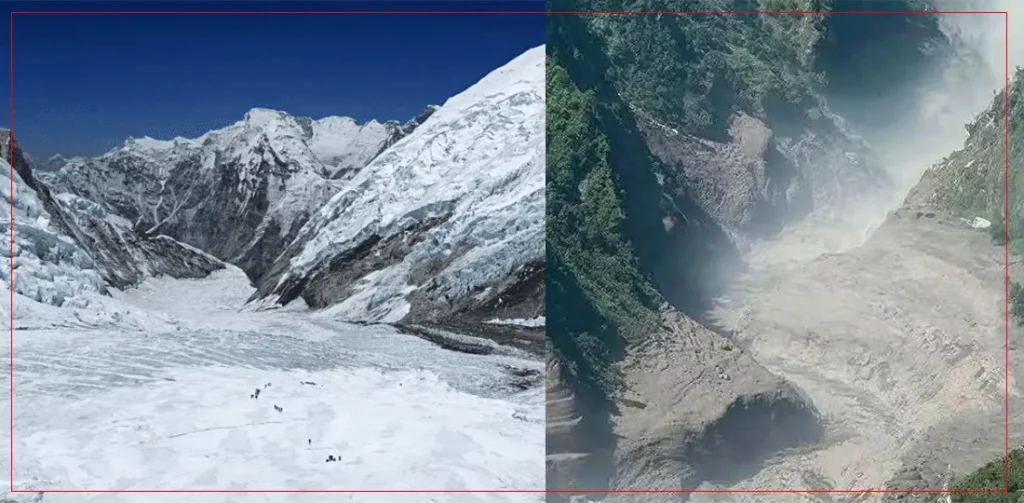
Image Source: Ratopati
It was due to a series of natural phenomena and not one cause that the Nepal Flood 2026 occurred.
Glacier Collapse
Satellite imagery showed that a substantial section of a glacier at roughly 5,200 metres above sea level broke away and fell around 1,200 metres toward the valley floor. The collapse created a powerful ice-rock avalanche. As the material moved downhill, it collected rock, soil and other debris, eventually entering the river system.
Temporary River Blockage
Once the avalanche struck the Lhende Khola, the massive volume of rocks and ice formed a temporary dam in the river’s flow.As a result, the water started to accumulate behind this obstruction. And once the barrier was destroyed, this large amount of water flowed with incredible power.
Debris-Laden Flash Flood
This was not simply a wall of clean water.
The flood carried:
- Rocks
- Mud
- Ice
- Trees
- Sediment
- Vehicles
- Pieces of buildings and bridges
That combination made the flood particularly destructive. Debris may break into buildings and increase the power and volume of water flooding.
Was an Earthquake Responsible for the Nepal Flood?
According to early reports, an earthquake might be responsible for the disaster. However, later analysis by the US Geological Survey (USGS) indicated that the seismic signal was generated by the glacier collapse and debris flow rather than by a conventional earthquake. The event was recorded as a magnitude 5.2 seismic signal, but the evidence points toward the glacier collapse itself as the source of the shaking.
Which Areas Were Affected by the Nepal Flood?
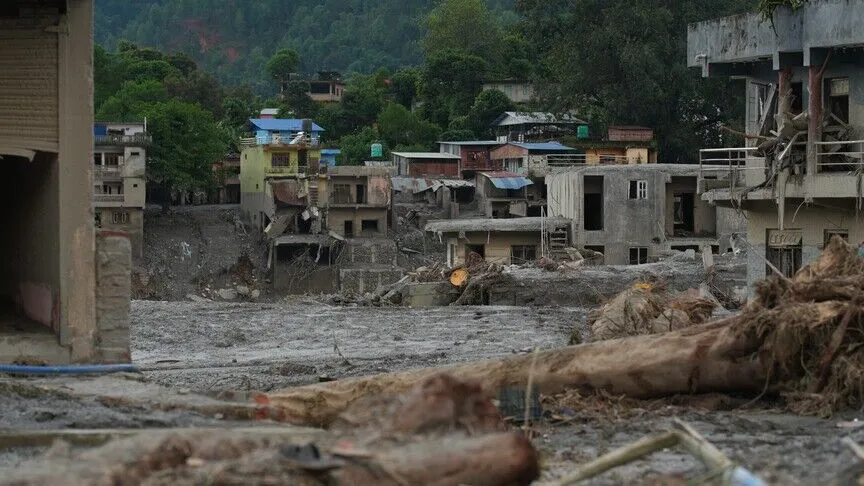
Image Source: Asia-pacific
Rasuwa district has been among the worst-hit areas due to Nepal glacier collapse. The disaster also caused severe damage in Nuwakot and Dhading farther downstream. River corridor affected by flooding comprises of community and infrastructure which are near the Bhote Koshi and Trishuli rivers. Some of these settlements are surrounded by steep mountains, which makes evacuation and rescue particularly difficult. Across the border, parts of Tibet’s Gyirong area were also hit by mud and debris. The disaster has therefore affected both sides of the Nepal-China border and has created challenges for cross-border rescue and humanitarian coordination.
Nepal Flood Death Toll and Missing People
The human cost of the disaster continues to grow as rescuers reach more affected locations. According to the latest reports available on 29 August, at least 676 people have died in Nepal and Tibet, including 669 in Nepal and seven in Tibet. Nearly 3,000 people remain missing, including foreign tourists, workers and other visitors. The number of missing people makes the situation especially heartbreaking for families. Many relatives are still waiting for information about loved ones who were travelling, working or living in the affected areas. Because roads and communication networks have been badly damaged, confirming the whereabouts of people has become extremely difficult. The final death toll could therefore change significantly as search and identification operations continue.
Damage Caused by the Nepal Flood
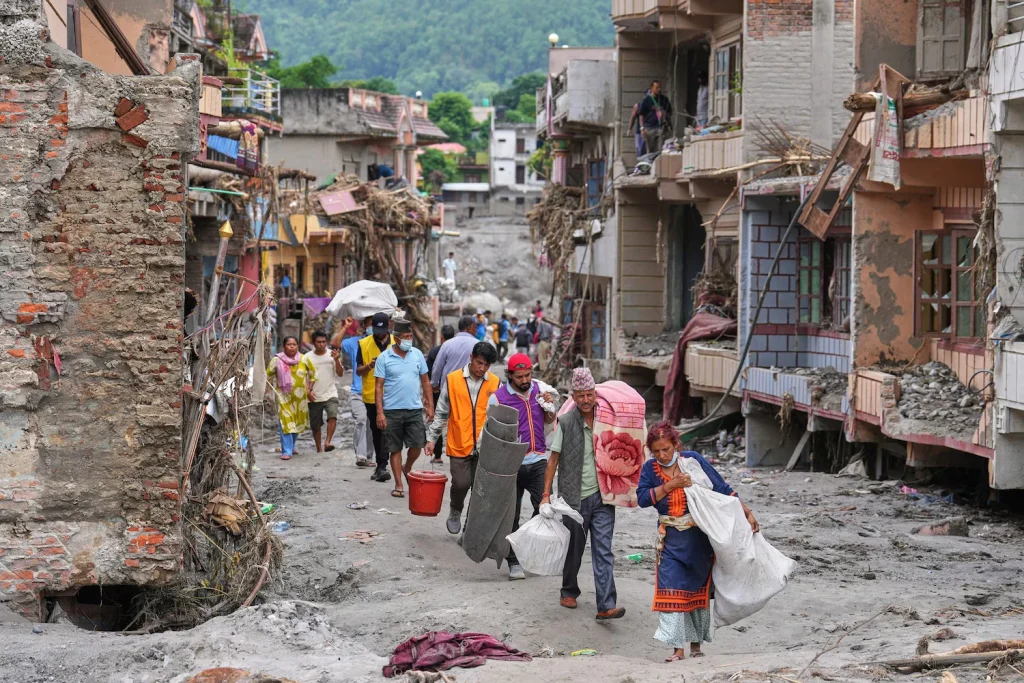
Image Source: ABC News
The physical destruction has been extensive.
Roads and Bridges
Several roads and bridges have been damaged or completely washed away.
Homes and Businesses
Floodwaters and mud swept through residential areas, damaging or destroying houses, shops and other buildings.
Hydropower Infrastructure
Nepal’s hydropower sector has also suffered serious damage. Several hydropower facilities are located along rivers in the affected region. The destruction of power infrastructure has added another challenge to an already difficult rescue operation. Reuters reported that damaged power projects represented more than 12% of Nepal’s energy capacity.
Communication and Electricity
Cuts in power and damage to communication lines have made it increasingly difficult for families to communicate and for rescue teams to coordinate efforts.
Nepal Flood Rescue Operation
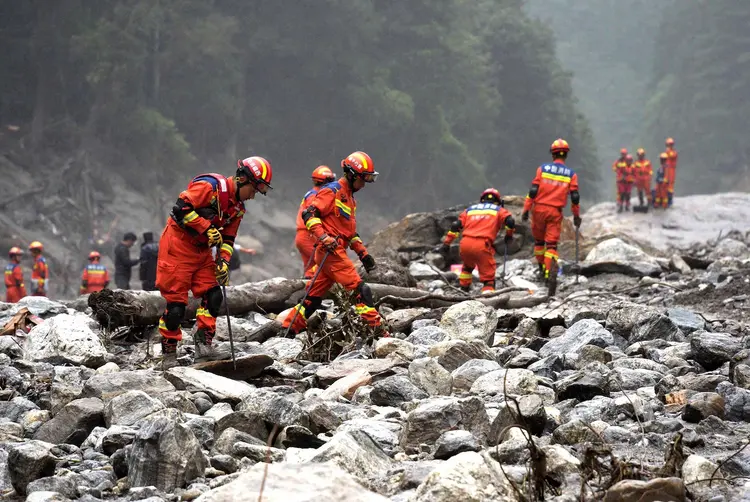
Image Source: ABC News
Rescue teams have been working around the clock despite difficult conditions. The Nepal Army, Nepal Police and Armed Police Force have been involved in search-and-rescue operations. Helicopters have been used to evacuate survivors and transport essential supplies to isolated communities.
After the Nepal glacier collapse More than 3,700 people have been rescued in Nepal, according to reports on 29 August., Rescue teams are also searching difficult locations, including areas where people may be trapped inside damaged infrastructure. However, the operation has not been easy. Steep mountains, unstable slopes, damaged roads and thick layers of mud and debris continue to slow down rescue efforts. Weather conditions have also periodically affected helicopter operations.
What Can Nepal Do to Prepare for Future Disasters?
The flooding in Nepal raises very serious questions about disaster preparation in the Himalayas.
Some ways in which this can be improved include:
Glacier monitoring
Satellite monitoring
Monitoring of river levels
Emergency notifications
Community warnings
Evacuation routes
Sturdier bridges and roads
Emergency shelter
Cross border information exchange
Warning systems are particularly important for flash floods. When water levels can rise several metres within minutes, even a short warning could give people enough time to move to higher ground.
Latest Nepal Flood News
Image Source: AI Image
As of 29 August 2026, after the Nepal glacier collapse, rescue and recovery operations are continuing. The latest casualty tally puts the death toll at 676 across Nepal and Tibet, with around 3,000 people still missing. Evacuation of people in Nepal is at over 3,700, with further rescue operations underway for finding and rescuing more survivors and missing people. The first tasks are clear – save lives, provide food and medical help, restore communication. In the meantime, officials are watching unstable regions of mountains and water bodies for any indication of an upcoming disaster.
Conclusion
As can be witnessed by Nepal glacier collapse flood 2026, nature becomes yet another example of danger zones in the Himalayas. As an ice-rock avalanche was triggered by the sudden collapse of the glacier, it was soon followed by the blockage of the river and the emergence of a debris-carrying flash flood. The event has already cost hundreds of lives, made thousands go missing and caused substantial damages to infrastructure of various kinds including housing, transportation, hydro-power installations and others. For the victims, however, the situation involves more than mere numbers. The disaster means the uncertainty, pain and distress of waiting and trying to move on after the tragedy. For now, all energies are being put into rescue efforts and helping the people. However, in light of the disaster, Nepal will also have to put in equal amounts of effort in order to create a better world and set up early warning systems to prevent any natural disasters in the Himalaya. Nepal Flood 2026 will be known not only for the tragedies it brought but also for being a turning point in disaster prevention in the Himalaya.