The ULT guide to the FIFA World Cup: History, Stars & future

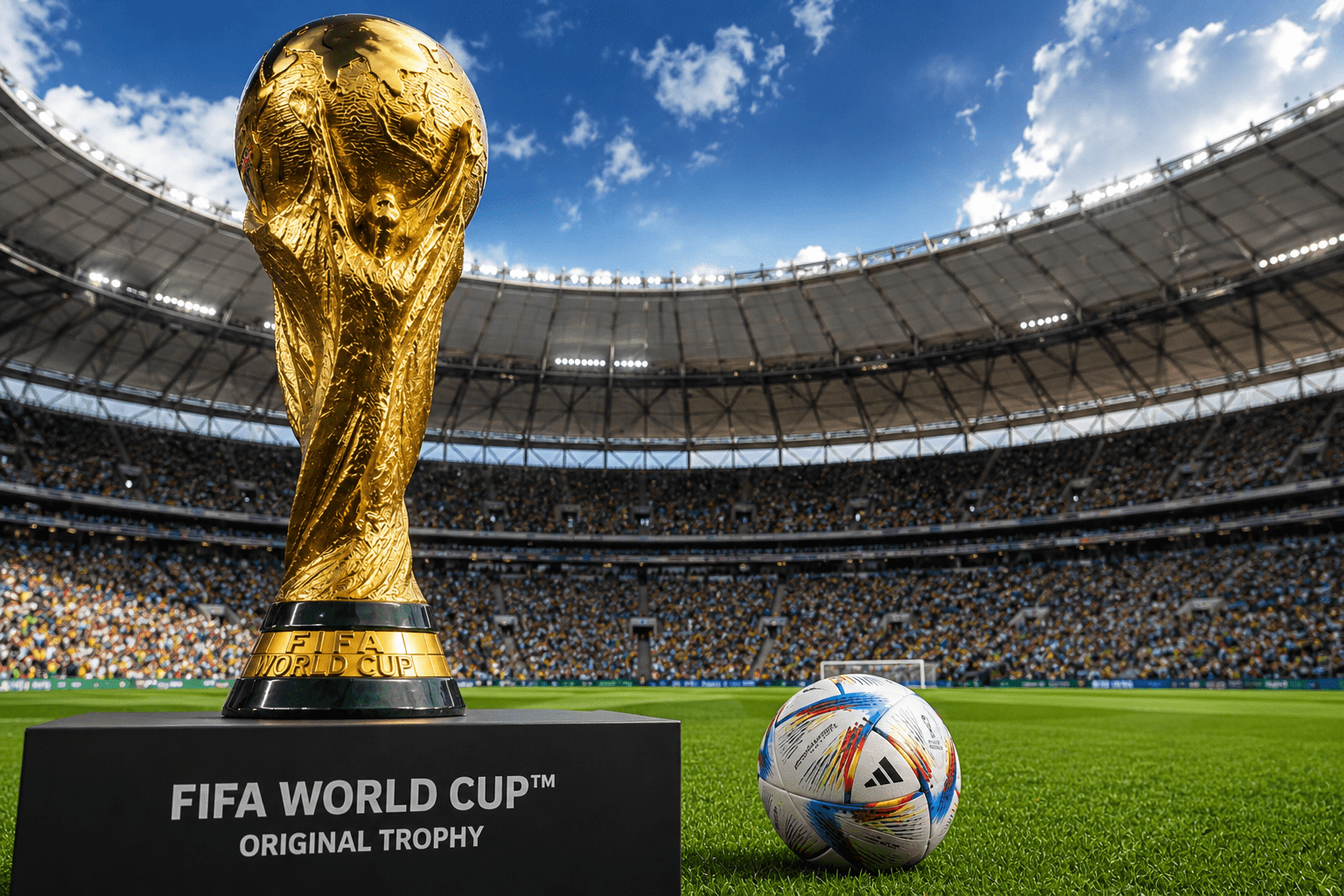
The FIFA World Cup is the biggest football tournament on the planet. It has been held every four years since 1930. Except during World War II. Over the decades, legends like Pelé, Maradona, and Messi have lit up the stage. Today, the tournament is bigger than ever. The World Cup is more than a game it is history in the making.
The origin of FIFA World Cup
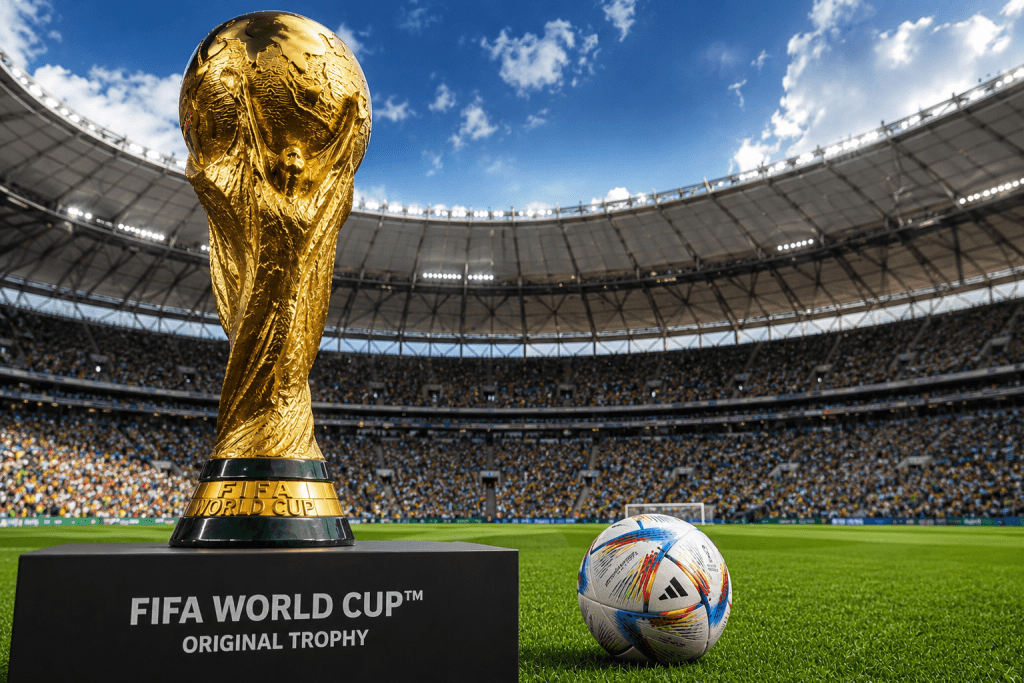
The FIFA World Cup originated in 1930. When FIFA President Jules Rimets led the start of a separate global soccer tournament. Because of football was becoming fully professional and the Olympic Games did not let professional players. As a result, FIFA decided to host its own world championship. And Uruguay serving as the first host in 1930.
The Jules Rimet FIFA World Cup Trophy Era (1930–1970)
At this time, the original prize was a statuette of Nike. The Greek goddess of victory, and it was later named the Jules Rimet Trophy. It became a famous piece of history during World War II. Because Italian official Ottorino Barassi famously hid it in a shoebox under his bed to protect it. And it was temporarily stolen in England. Before the 1966 event. The rules dictated that any nation winning the World Cup three times and would get to keep the original trophy permanently. As a result, and in 1970, Brazil won this historic trophy for the first item. And earned the right to keep it permanently.
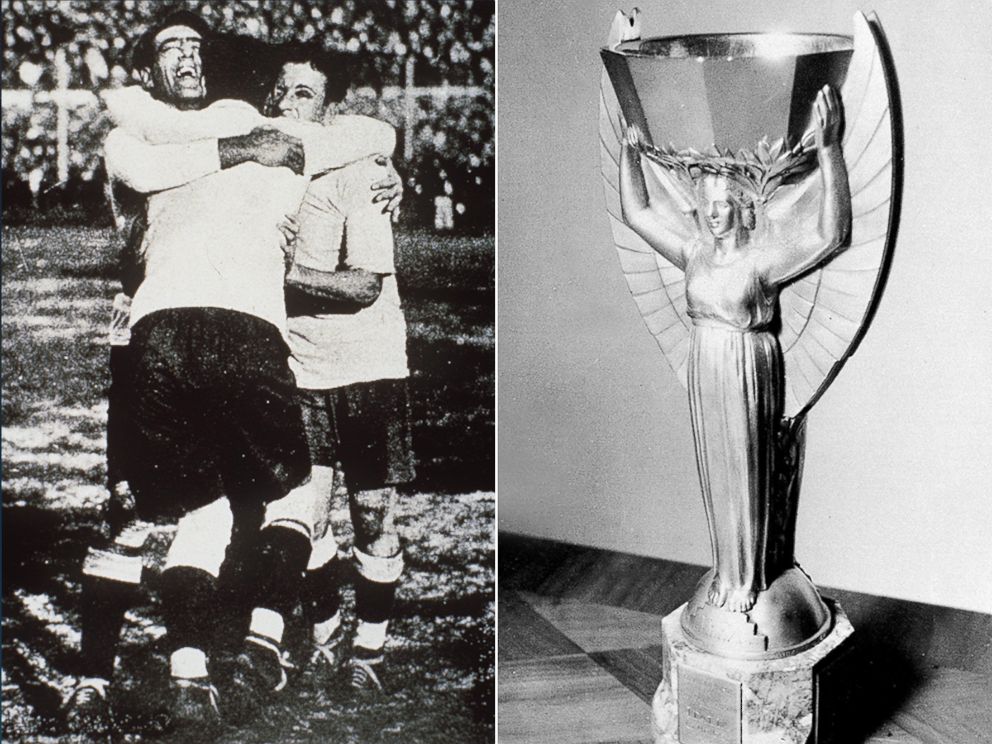
The FIFA World Cup Trophy and Era of Expansion (1974–2002)
From 1974 to 2002, the World Cup changed a lot. It grew bigger and better. This period makes a big change in the football tournament’s format. like commercial success and global reach. This period holds a big importance in FIFA World Cup history.
1974 FIFA World Cup (West Germany):
This time the modern trophy was first lifted by the host nation, West Germany. And the football tournament still featured 16 teams.
1982 FIFA World Cup (Spain):
This year, the football tournament increases to 24 teams. Allowing greater representation from African and Asian nations.
1998 FIFA World Cup (France):
The 1998 football tournament was the 16th edition of the FIFA World Cup. It was a landmark year for the tournament. It was expanded from 24 to 32 participating teams and this structure remained in place for more than two decades.
2002 FIFA World Cup (South Korea & Japan):
This year the tournament was hosted in Asia for the first time. In short, this era is the true globalization of the world cup event. And saw Brazil won their record fifth title.
Legendary Icons & Proven Stars of FIFA World Cup
Throughout football history, certain players have risen stood out. To begin with, Lionel Messi amazed the world with his amazing dribbling and match-winning genius. Likewise, Cristiano Ronaldo proved himself through relentless dedication and record-breaking goals. In the same way, Pelé remains a timeless symbol of beauty and brilliance in the sport. Additionally, Diego Maradona inspired millions with his raw talent and unforgettable moments on the pitch. Without doubt, these legendary icons did not just play football — they transformed it forever.

Lionel Messi (Argentina):
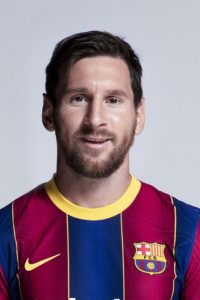
Firstly, the Argentine captain Lionel Messi. He was born on 24 June in 1987. He led Argentina to victory in the 2022 FIFA World Cup. And widely regarded as one of the greatest footballers of all time. Surpassing Miroslav Klose to become the all-time top scorer in World Cup history.
Cristiano Ronaldo (Portugal):
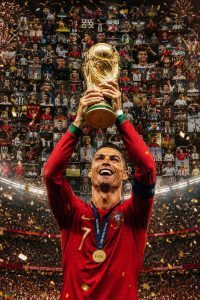
Secondly, Cristiano Ronaldo. He was born on 5 February in 1985. He is a Portuguese footballer. Who plays as a forward for a captain along with Saudi Pro League club AI-Nassr and the Portugal national team. The Portuguese icon remains a primary focal point at his age and one of the most prolific goal scorers of all time.
Pelé:
His full name was Edson Arantes do Nascimento. He was born on 23 oct 1940. His 1,279 goals in 1,363 games, which includes friendlies, is recognised as Guinness World Record. Apart from this he remains the only player in football history to win three FIFA World Cup trophies. Overall, His enduring legacy was built on several unmatched achievements.
Maradona:
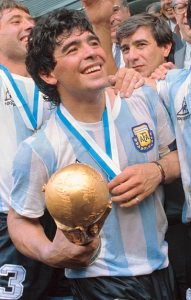
Finally, Diego Armando Maradona an Argentine footballer and manager. He was born on 30 oct in 1960 and shared the FIFA plyer of the Century award, alongside Pele.
The FIFA World Cup brings together Global Talents in their Prime
The FIFA World Cup unites the best players in the world. First, Kylian Mbappé of France dazzles with his incredible speed and skill. Meanwhile, Erling Haaland brings power and deadly finishing for Norway. In addition, Kevin De Bruyne leads Belgium with his brilliant vision and passing. Finally, Mohamed Salah represents Africa with pride and outstanding talent. Together, these stars make the World Cup the greatest show on Earth.
Kylian Mbappé (France):
The French captain and 2018 champion possesses sensational speed. He was born on 20 December 1998. He is routinely ranked as one of the best players in the world.
Erling Haaland (Norway):
He was born on 10th May in 2000. He is one of the most lethal strikers globally without a doubt. His unmatched finishing ability to the international stage. Accordingly, the Rec.Sport.Soccer he scored at least 989 official goals in 582 matches.
Kevin De Bruyne (Belgium):
He was born on 28 June in 1991. Renowned for his world-class playmaking and vision. He is a Belgian professional footballer as a midfielder for series and club Napoli along with the Belgium national team.
Mohamed Salah (Egypt):
In the same way Mohamed Salah is a global talent in their prime. He was born on 15 June 1992. He continues to be a talismanic forward for both his club and country.
Rising stars of the FIFA world cup
The 2026 FIFA football tournament World Cup has introduced some exciting young talents. First, Ibrahim Mbaye of Senegal made headlines at just 18 years old. He scored a stunning goal, placing his name among the youngest scorers in tournament history. Similarly, Gilberto Mora impressed fans with his energy and flair on the big stage. Furthermore, these young players are not just participating — they are competing with the best. Overall, the rising stars of 2026 prove that the future of football is incredibly bright.
Ibrahim Mbaye (Senegal)
Firstly, at just 18 years old Ibrahim Mbaye. He was born on 24 january 2008. He made global headlines by scoring a historic stoppage-time goal. His name alongside Pelé as one of the youngest goal scorers in the tournament’s history.
Désiré Doué (France):
Secondly, The French winger has been a revelation. He was born on 3 June in 2005. He is using his blistering pace and technical dribbling to forge a critical role in France’s formidable attacking lineup.
Endrick (Brazil):
In short, a lethal and explosive attacker. He was born on 21 July in 2006. He has quickly become one of the most exciting young players to watch after a stellar season leading up to the global showcase.
Gilberto Mora (Mexico):
Last but not least Gilberto Mora, at only 17 years old. He was born on 14 October 2008. Who plays as an attacking midfielder. He is showcasing incredible maturity and composure for the host nation.
2030 FIFA World Cup
2030 FIFA World Cup is due to be the 24th FIFA World Cup. A quadrennial international football tournament played by the men’s national teams. And member groups of FIFA. The tournament is planned to be jointly hosted by Morocco along with Portugal, and Spain. In honor of the 100th anniversary of the first FIFA World Cup. Therefore, a special match and celebration are planned to be held at Estadio Centenario in Montevideo. And Uruguay -host stadium of the 1930 final. As well as one match each in Estadio Monumental in Buenos Aires, Argentina. And Estadio Osvaldo Domínguez Dibb in Asunción along with Paraguay.
FIFA World Cup Possible format and expansion:
At the March 2025 FIFA Council meeting. CONMEBOL suggested a one-off 64-team increase to honour the event’s 100th anniversary. Later that year, CONMEBOL leaders met directly with FIFA president. Gianni Infantino in New York City to discuss the increase. Critics claim lowering the value of the qualification rounds and reduction in competition quality should 64 teams. Along with 30% of FIFA members as of 2025 and qualify for the tournament.
Conclusion
Overall, from the 1930 tournament in Uruguay to the massive tri-nation event in North America. And the World Cup has grown from a small event of 13 nations to a truly global event. Similarly, when we talk about its history. Whether it’s the birth and evolution of the FIFA World Cup. And the modern era from 1974 to 2002. One the other hand legendary players like Pelé Diego Maradona, Lionel Messi, and Cristiano Ronaldo. Every topic is both important and fascinating. At the same time, we cannot ignore its future. Altogether the event keeps growing and inspire new generations. Above all the FIFA World Cup is not just a football tournament. it’s an emotion for every football lover.