Autonomous Driving Technology Guide: Everything About Robotaxis

Introduction
Imagine you are standing on a busy street in March 2026. Suddenly, you tap a button on your phone to call a ride. Within moments, an AI-powered robotaxi pulls up with no driver inside, and the door opens on its own. Then, you simply hop in, and your trip starts right away. As a result, this is how people get around our cities today using robotaxis and self-driving cars.
Driverless cars gave more than 10 million rides last year, changing how we travel. Waymo is one of the biggest names in this field. These cars are a normal part of our daily lives. This guide explains exactly how this new tech works. We look at the top companies and study the risks. Most people care a lot about the safety of these cars. A top government group says these cars stop 90 percent of crashes. This is why robotaxis are getting so much extra attention.
What Are Robotaxis?
Robotaxis are self-driving cars that drive without a person behind the wheel. To do this, they use sensors and smart software to see their surroundings. As a result, they quickly process data to avoid accidents. Then, you just enter your destination, and the car handles everything on its own.
Core Tech Behind Them
Robotaxis use many sensors to see what is around them. These tools work together to track the road:
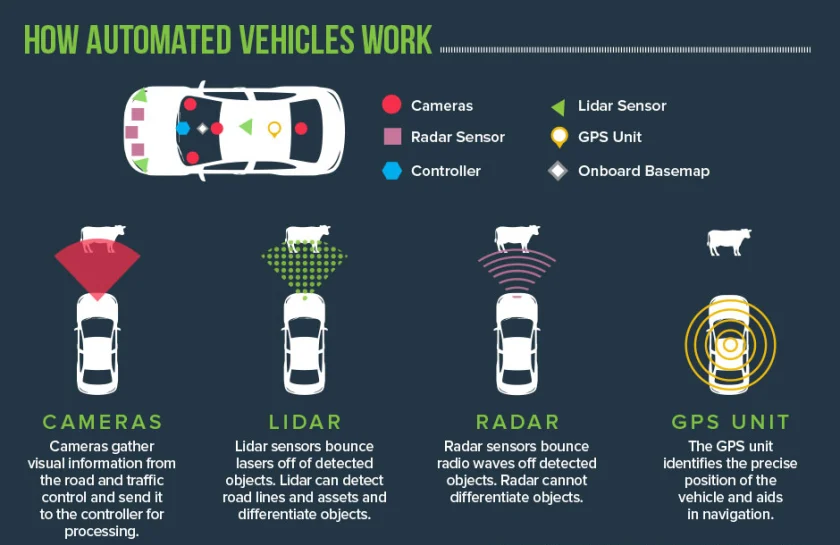 Image Source : GovTech
- LiDAR: Builds a 3D map of the area.
- Radar: Finds objects in bad weather, it tracks their speed too.
- Cameras: Cameras watch for red lights, signs, and people on the street.
- GPS Unit: Helps the car know exactly where it is and where it needs to go.
For example, systems developed by Waymo can detect objects up to 300 meters away, providing a strong safety advantage.
Levels of Autonomy in Robotaxis
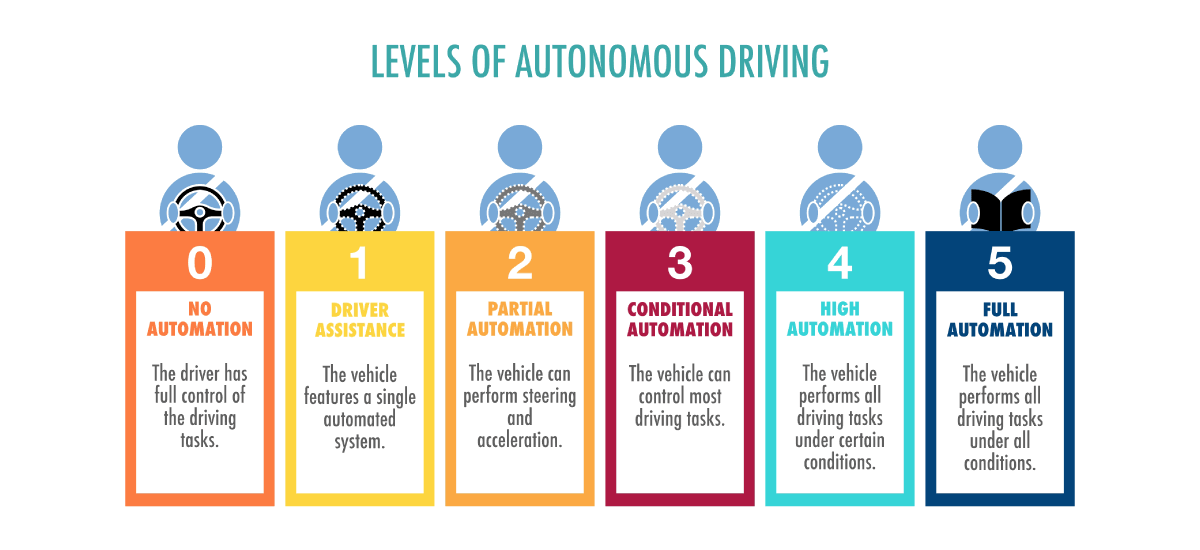 Image source : Acko Drive
Self-driving tech uses a scale that goes from 0 to 5. At one end, Level 0 means a person must drive at all times. At the other end, Level 5 handles every part of the trip. Currently, most robotaxis operate at Level 4. In this case, they can drive in specific areas without any help from a person.
Everyday Use Cases of Robotaxis
Self-driving cars are already on the streets and picking up riders. In fact, they carry people to work and home every day. Today, you can find them in many big cities:
- Airport transfers
- Daily city commutes
- Late-night transportation
Elon Musk said last year that robotaxis will give us more free time. You can work or rest while the car drives. This takes the stress out of the trip. It makes your day much easier.
How Robotaxis Work
Mapping and Navigation
Self-driving cars like robotaxis use HD maps and GPS to find their way. In addition, these maps show the car where roads, lights, and objects are. As a result, clear map data helps the car drive through town safely.
Path planning process:
- First, pick your starting spot and where you want to go.
- Take a look at the local traffic and any road blocks.
- It is best to choose a path that is both quick and safe.
- The map will update on its own while you drive.
Cruise tracked more than 1 billion miles in cities like San Francisco. This helps cars find their way. They use the data to make maps better.
AI Decision Making
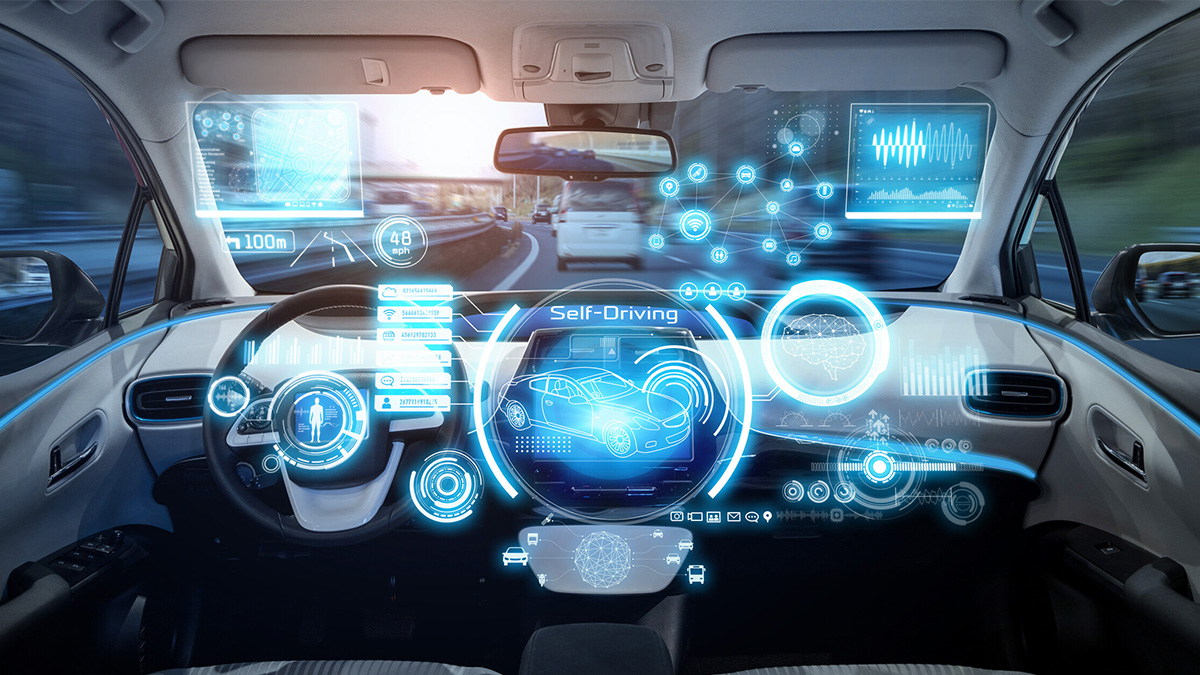 Image Source: Market Prospects
AI serves as the main brain for a modern self-driving cars “robotaxi”. Smart software looks at sensor data to see the cars on the road. The system picks when to speed up, slow down, or turn. It even knows the best time to switch lanes safely. These quick choices keep every person safe during the trip.
Smart systems need a giant mountain of raw data to learn well. For example, Tesla manages this heavy workload using its Dojo system to run tests. Each year, the company processes about 100 petabytes of data to improve its software. As a result, these large datasets help cars understand the road much better. In short, big data is the key to teaching machines how to think.
“Amnon Shashua says new AI can tell what drivers will do next. These tools look at patterns and get it right almost every time.”
Safety Systems
Safety is built into every layer of a robotaxi system:
- Every car comes with spare brakes and steering for extra safety. If needed, a second system automatically takes over when the main part fails.
- Experts watch the drive through a live feed at all times. If needed, they can provide help from a distance when a problem pops up.
- You can stop the machine with one quick touch of a button. This kill switch gives you total control in a pinch.
Takeaway:
- Always review safety ratings and reports of a robotaxi service before using it.
Leading Companies and Real Tests
Top Players in 2026
A few big firms lead the move toward self-driving cabs:
- Waymo stays busy; for example, it handles around 50,000 trips each week in Phoenix alone.
- Zoox is growing fast with help from Amazon.
- Cruise is also adding more cars to busy streets in large U.S. cities.
Estimated market share:
- Waymo: 40%
- Tesla: 25%
- Others: Remaining share
Success Stories
Baidu runs a fleet of self-driving cars called Apollo in Beijing:
- People there have taken over 2 million trips in these vehicles.
- Zero fatalities reported.
- Bad weather caused some slow service early on, but the cars work well now.
Tesla’s Robotaxis Push
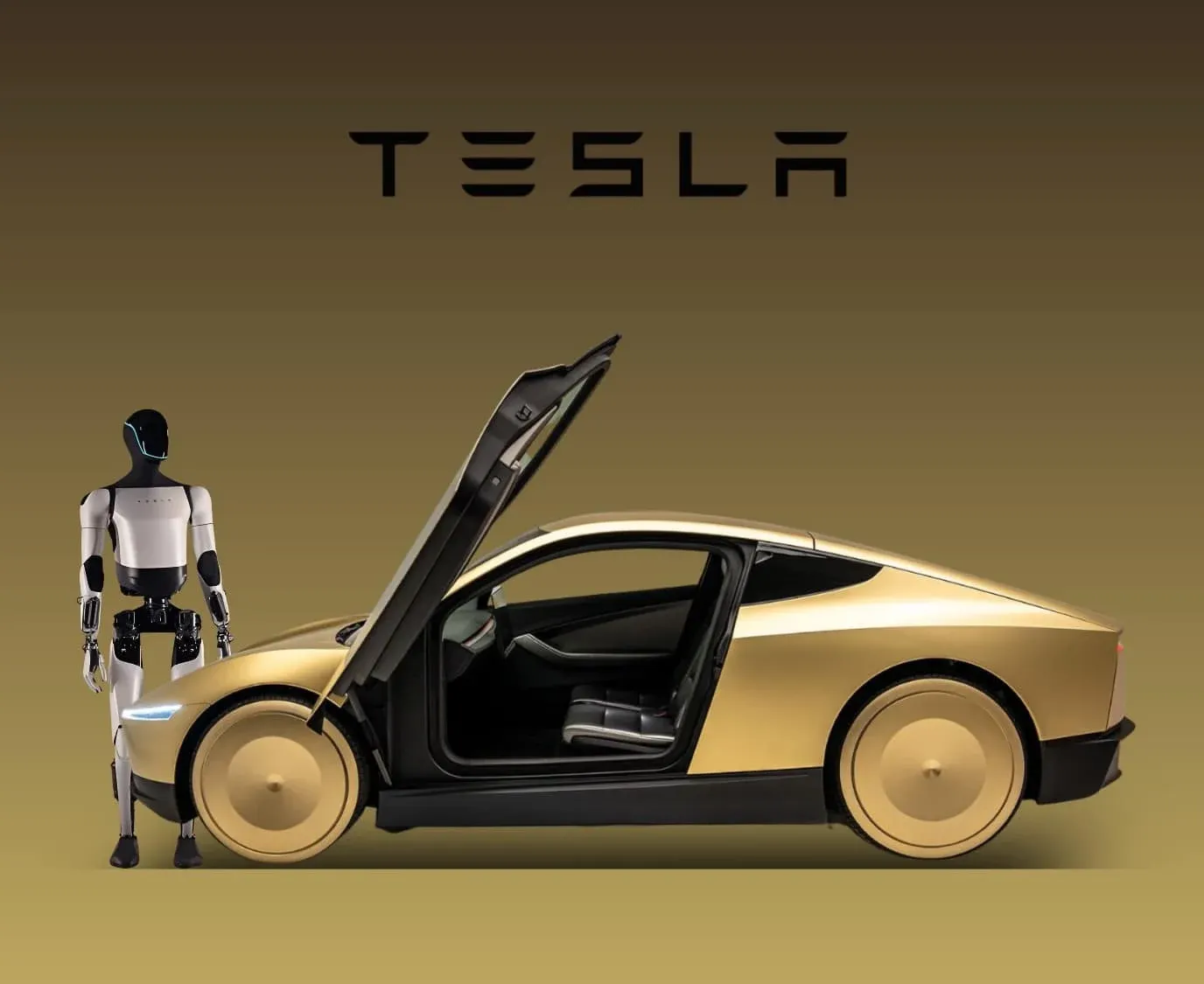
Image Source: TESMAG
Tesla is moving ahead with its plan for self-driving taxis. People still talk about the Cybercab reveal from last year. The goal is to put these cars on every street. They want to run fleets that drive themselves in many cities.
Takeaway:
- Keep track of regulatory approvals, as they determine how quickly robotaxis expand
Benefits, Risks, and Hurdles
Big Wins for Riders and Cities
Robotaxis offer several advantages:
- They cost up to 40 percent less than a normal ride.
- These cars also help stop traffic jams. They move in a way that keeps roads clear.
- The air stays clean since they do not use gas.
- Fewer accidents due to reduced human error.
- These self-driving cars also help reduce traffic and improve road safety.
Action step:
- Support policies that encourage safe adoption of autonomous vehicles in your region
Key Safety Concerns
Despite improvements, concerns remain:
- About twelve reported crashes happened across the globe last year.
- Many people still worry about tech bugs and the risk of hackers.
Safety groups show that humans still cause most road wrecks. Drivers are mostly to blame for these common road accidents.
Regulations and Ethics
Rules often change a lot based on your location:
- In the U.S., each state sets its own bar for what is allowed.
- Europe sticks to very tough safety and data laws.
Takeaway:
- Stay on top of the rules in your town. Join local trial groups as soon as they start.
The Road Ahead for Robotaxis
Tech Upgrades Coming Soon
Self-driving cabs will get much better over the next few years. In fact, new types of quantum sensors should arrive by the start of 2028. As a result, these tools will help cars see the road in greater detail. At the same time, the onboard computers will think much faster than they do today. Therefore, the car can make smart decisions in a split second.
Every ride will become safer for both the riders and people walking. Experts believe this market will reach 500 billion dollars by 2030. People in many cities are starting to trust this new way to travel. It marks a big change in how we get from place to place.
Global Spread
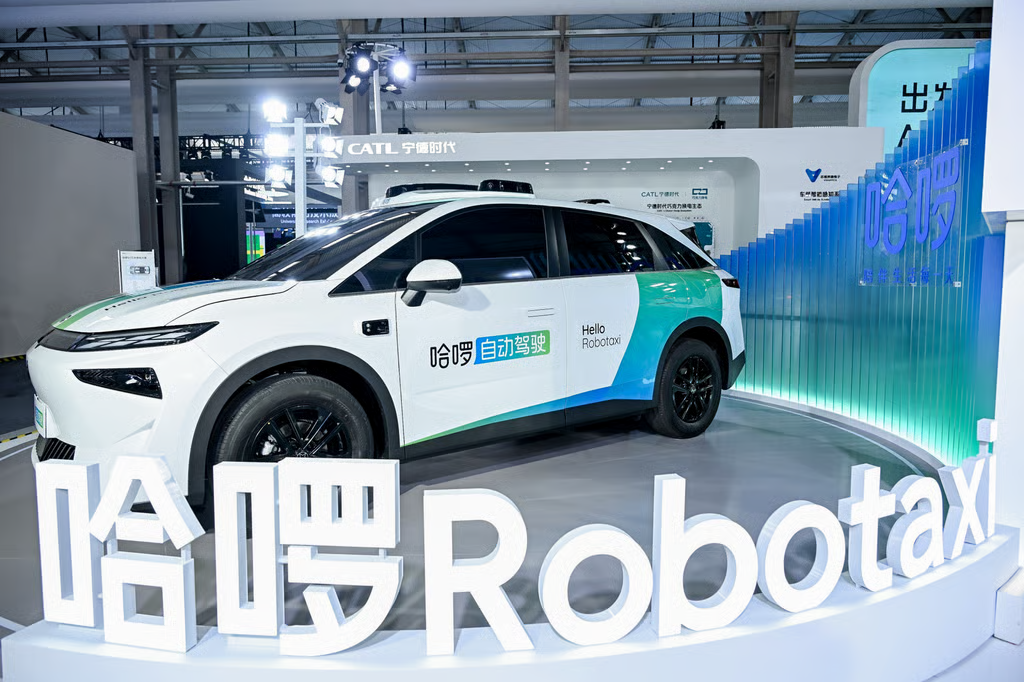 Image Source : South China Morning Post
Self-driving cars are hitting roads in many places across the globe. China runs most of these tests right now, hosting sixty percent of all current trials. Singapore is also busy with tests, checking driverless zones that cover the whole city.
Your Next Steps
What should you do next to stay ahead of these big shifts? First, download a few robotaxi apps on your phone to check if they’re available near you. Then, keep an eye on updates from Waymo and Tesla to see what’s coming next.
Additionally, watch new deals and track where major investments are flowing. By doing this, you’ll stay prepared for all the changes ahead.
Conclusion
Self-driving cars are no longer just something we imagined. In fact, they have quickly moved from a futuristic idea to a real part of daily life in 2026. Today, they are already changing how we move around, making travel more convenient and efficient.
These cars rely on advanced technology to keep people safe on the road, and because of this, more and more people are starting to trust them for their everyday journeys. As a result, they are becoming a common sight in many cities. Over time, as this technology continues to improve, it will likely become even more reliable and widely used. Therefore, taking the time to understand how these vehicles work and who builds them can help you make smarter, more confident decisions when it comes to your travel.