A Beginner’s Guide to Digital Art and Its Value

Starting out with digital art can be a total train wreck—I know because my first attempt was a mess. But I soon realized that creating a digital artwork isn’t just “cheating”; it’s a modern skill set that includes everything from traditional painting to navigating AI generated art and the booming world of NFT art. Whether you are here to learn the basics or to eventually sell your own NFT art, mastering digital art opens up massive creative possibilities.
If you’re just starting out, the whole world of digital art can feel a bit much. There are so many programs, fancy brushes, and weird terms like “layers” or “clipping masks” that make you want to just close the laptop. But when you overcome the first “what am I doing?”, you’ll see why everyone is switching over to pixels.
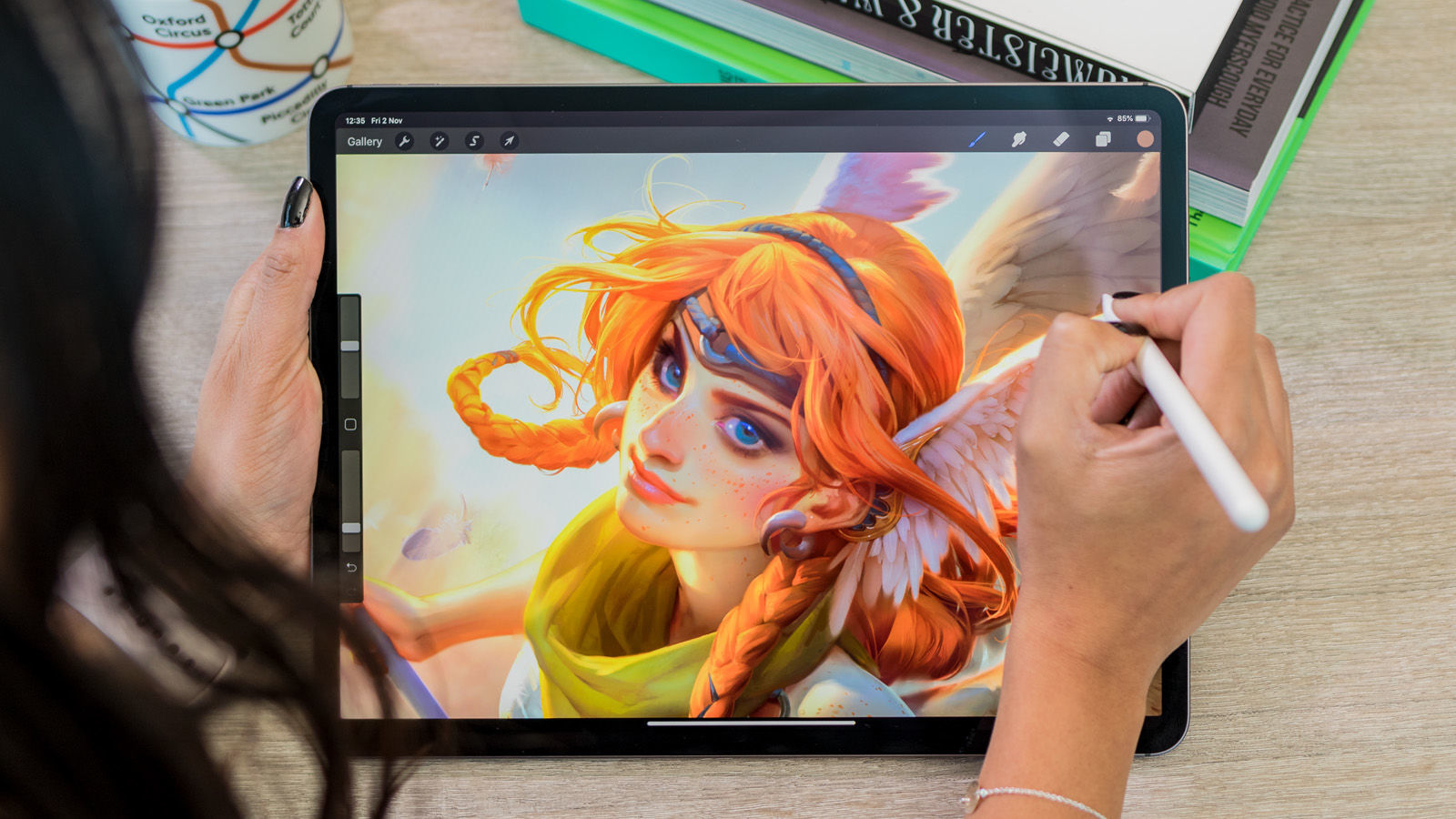
Image Source : VAC
So, What Is Digital Art, Really?
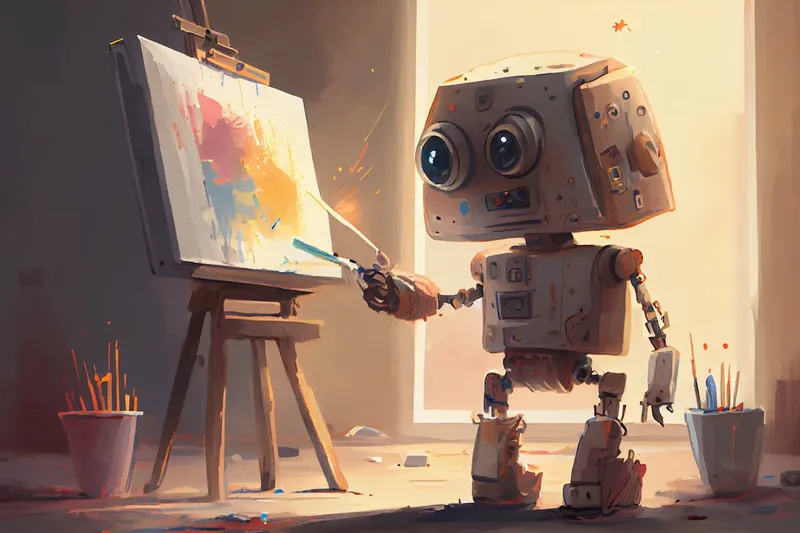
In the simplest terms, it’s just any creative work where you use technology to get the job done. Instead of buying expensive oil paints or messy charcoal, you’re using pixels and software. But don’t let the technical side of it scare you off—you don’t need to be a computer genius to be an artist.
One thing I noticed when I first started was that people think it’s just “editing photos.” While that’s part of it, the field is way bigger. It’s about using a stylus or even a mouse to bring a digital artwork to life in ways that would be a nightmare to try on paper. When you start exploring digital art, you realize it’s basically a mix of old-school skills and modern-day convenience.
The Different Digital Art Styles You’ll Run Into
When you start looking around, you’ll realize that this medium is a massive umbrella. Here are a few of the main types you’ll probably see:
-
Digital Painting: This is the closest thing to traditional art. You use a stylus to mimic the look of oils or watercolors. The best part? Waiting for the paint to cure is never necessary.
-
Digital Illustration: Think of the clean graphics on websites or in indie comics. These are usually very line-heavy and stay sharp no matter how much you zoom in.
-
AI Generated Art: This is a huge, messy topic right now. It involves using prompts to let a computer create an image. For beginners, AI generated art can feel confusing, but it’s definitely changing the landscape.
-
NFT Art: You’ve probably seen this in the news. NFT art is basically a way to give a “digital receipt” to a piece of work on the blockchain to prove who owns the original.
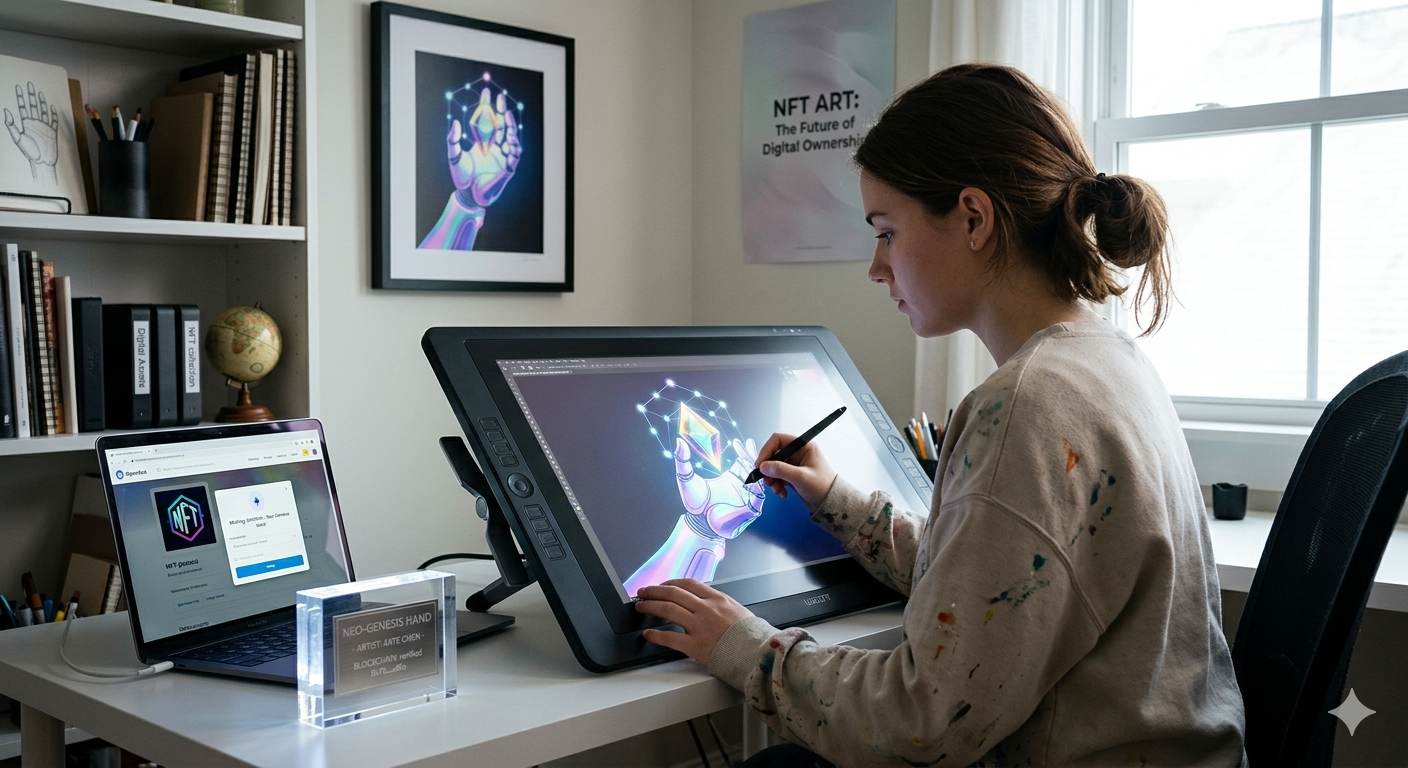
Image Source : Gemini
Understanding the Digital Art Ecosystem
As you dive deeper into this hobby, you’ll see that digital art isn’t just about drawing; it’s about how that work lives online. For instance, the way people buy and sell a digital artwork has changed because of technology. This is where things like NFT art come into play. By “minting” a piece of work, an artist can create a unique version of their digital artwork that collectors can actually own. In fact, many creators now specifically design their digital artwork to be sold as NFT art on specialized marketplaces.
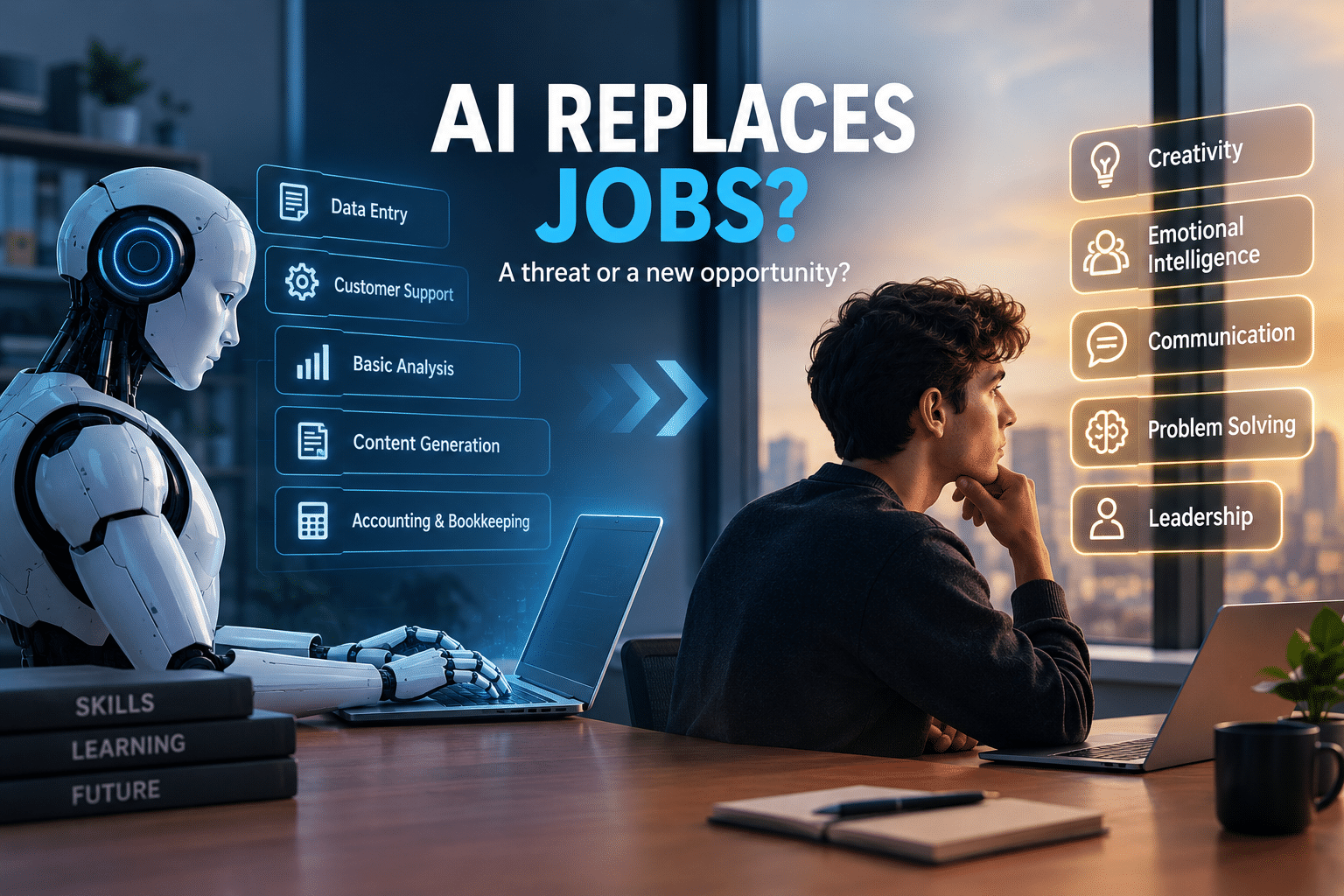
At the same time, we have the rise of AI generated art. Many people wonder if AI generated art will replace human artists. From what I’ve seen, most creators are using these tools to brainstorm ideas rather than let the computer do all the work. Whether you are looking at a hand-painted piece or something that started as AI generated art, the final digital artwork still reflects the choices and taste of the person who made it.
Building Your Digital Art Starter Kit
You don’t need a $2,000 setup to start. That’s a huge myth that almost stopped me from trying. I actually started on a cheap, tiny tablet that didn’t even have a screen.
For software, you’ve got options. Procreate is the goat if you have an iPad—it’s super easy to learn. If you’re on a PC, Adobe Photoshop is what the pros use, but it’s pricey. For fellow students on a budget, I can’t recommend Krita enough for making your digital art. It’s totally free, and it does basically everything the paid ones do.
Why Does Digital Art Even Matter Today?
“Why bother with a screen when I have a sketchbook?” may be on your mind. Well, the importance of digital art is about more than just not having to buy more paper.
The Magic of the Undo Button
In the professional world, time is everything. This medium gives us the “undo” button—literally the greatest invention ever. If you mess up a line, you just hit Ctrl+Z. It makes the learning process way less scary for beginners.
Accessibility and Global Reach
The way we share a digital artwork has totally changed. You can toss it on Instagram or ArtStation, and someone across the world can see it in seconds. Plus, the job market for digital art is huge. From video game concept art to movie storyboards, companies are constantly looking for digital creators.
Image Source : PEI.org
Some Honest Advice for Your First Week
If you’re staring at a blank white screen feeling paralyzed, here’s what I wish someone told me:
Stop worrying about brushes
Beginners spend way too much time downloading “magic” brush packs. They won’t make you better. Stick to a basic hard round brush until you actually know how to shade.
Learn how layers work
Think of them like clear sheets of plastic stacked on top of each other. Keep your sketch on one, your colors on another. It makes fixing things later so much easier.
Use references
There’s this weird idea that “real artists” don’t look at photos. That’s total BS. Even the pros use references for hands, lighting, and poses. It’s not cheating; it’s learning.
The Future: Where are We Heading?
The future of digital art is kind of a “Wild West” situation. With VR drawing tools and new ways to display work, we’re moving away from flat screens. Imagine actually standing inside your painting while you work on it.
And yeah, AI generated art is a scary topic for a lot of us. But I think it’ll eventually just become another tool, like how cameras didn’t kill off painting—they just changed what painting was for. The world of NFT art also suggests that how we value and sell work is still shifting. Staying curious is the only way to keep up with the evolving world of digital art.
Wrapping It Up
Digital art can feel intimidating because it feels so “techy,” but at the end of the day, it’s still just you and your imagination. The software is just there to help you get the ideas out. It’s okay if your first ten drawings look terrible—mine were embarrassing.
Whether you want to do professional work or just want to doodle during a boring lecture, there’s no better time to start. The community is huge, the software is getting better every day, and that “undo” button is always there to catch you.
Visit our Website – BloggerCap