
Best Gut Health Foods to Restore Balance Naturally

Every day, your gut communicates with your brain. It sends signals that shape your mood and energy. Many adults feel bloated because of stress, low fiber intake and processed snacks. Surprisingly, trillions of tiny microbes live inside your gut microbiome. Each one helps your body stay healthy in its own way. These small bugs do more than just break down food. In addition, they boost your immune system, help absorb essential nutrients, and influence how you feel emotionally. This guide shows you the best gut health foods to fix your optimal wellbeing.
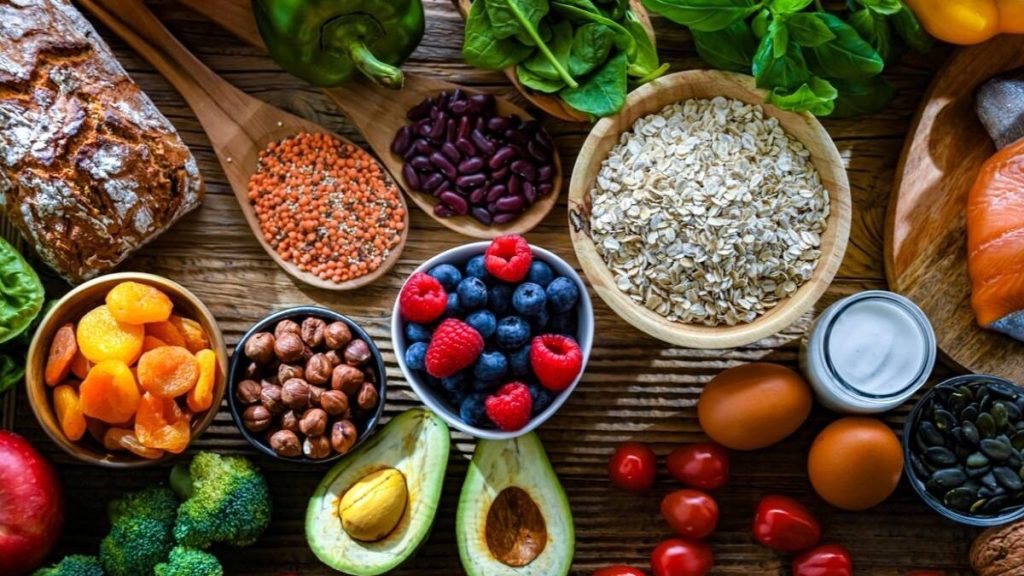 Image Source : Life Savers Emergency Room
Gut Microbiota and its Importance
Your gut microbiota has trillions of bacteria and fungi living inside it. These tiny microbes outnumber your own cells. A healthy gut needs many different kinds of bacteria like Firmicutes and Bacteroidetes to stay strong. When your gut loses balance, you might get sick. As a result, this can lead to stomach pain or bigger health risks. It also stops your body from absorbing nutrients and invites harmful bugs to take over.
The Impact on Immunity, Mood, and Metabolism
A healthy gut pumps out short-chain fatty acids like butyrate which nourish your gut cells and calm inflammation. Research shows that your gut microbes affect serotonin levels, which control happiness. For this reason, a healthy gut leads to a happy mind and poor gut leads to anxiety or low spirits. Your gut also controls how your body uses sugar and energy. Diverse microbes help you stay at a healthy weight.
Signs of an Unbalanced Gut Health
Watch for bloating after you eat a meal. This is a sign that your gut flora needs help. You might also notice skin issues like acne. Feeling tired for no reason is another red flag. Surprisingly, even small changes in your diet can fix these problems quickly.
Probiotics and Prebiotics: The Essential Duo for Microbiome Modulation
Probiotics: The Good Bacteria for Your Gut Health
The live microbes that help your gut stay healthy are called Probiotics. Strains like Lactobacillus help you digest food and fight off bad germs, Bifidobacterium strains support immunity and ease lactose issues. They produce acids that keep pH levels right. Moreover, studies show they ease IBS symptoms and strengthen your gut barrier. You can find them in yogurt or supplements but always check for live cultures. Pick products that have at least one billion CFUs. Start slow to avoid getting gas while your body adjusts. Not all brands are the same, so read the labels.
Tips to Add Probiotic Foods to Your Diet
To begin with, try adding one fermented food to your meals each week. For example, try putting yogurt in your breakfast bowl. In fact, consume them fresh to keep cultures active. Eat these foods cold because heat kills the good bugs. Track how you feel after one month of these changes. Slowly but surely, you should feel more energy and less gas.
Prebiotics: Feeding Your Gut
Prebiotics are fibers that your body cannot digest. As a result, your good bacteria eat these fibers to grow strong. Prebiotics boost short-chain fatty acid production too. This helps your gut wall stay tough against leaks. Prebiotics come from plants and act like food for your microbes. Galacto-oligosaccharides, or GOS, come from beans and support Bifidobacterium growth. Therefore, try to intake 5-10 grams every day for the best results.
The Best Sources of Prebiotic Fiber
Garlic and onions are top choices for prebiotic gut health chart. They contain inulin and FOS that feed Bifidobacteria. Thus, you can add them to salads for the most power.
Leeks and asparagus also help with gas and bloating. Grill asparagus for a tasty side.
Jerusalem artichokes and chicory root are packed with resistant starches. You can try them in soups or roasted.
Bananas provide gentle prebiotics, especially when slightly green.
Oats and beans are easy ways to get fiber every day.
Making Prebiotics Work Better
Eat raw vegetables as they keep inulin intact. Cook lightly to preserve fibers. If you cook rice or potatoes, let them cool down first. As a result, this process creates a type of resistant starch that gut bugs love.
Eat many different plants to keep your gut microbes diverse. For example, mix onions in stir-fries and garlic in dressings.
Undoubtedly, you can combine these foods with probiotics. When combined strategically, a meal with kimchi and onions doubles the impact.
Mixing Probiotics with Prebiotics for Best Results
Eat probiotics and prebiotics at the same time. Consequently, this helps the good bugs stay in your system longer. For instance, a meal with yogurt and bananas contains both for maximum effect.
A warm bowl of oats and fresh berries is a great way to start the day. The fiber in your breakfast helps the healthy kefir cultures thrive in your gut. Toss some chickpeas into your green salad at lunch. In doing so, this simple routine provides the fuel your body needs to feel its best. Accordingly, notice how your energy levels shift after you eat this way for a week.
- Breakfast idea: Greek yogurt with sliced apples.
- Snack tip: Handful of almonds along with a pear.
- Dinner hack: Stir-fry garlic and leeks with veggies.
Image Source: Lane Innovative
Fermented Foods for Your Gut Health
How Fermentation Works
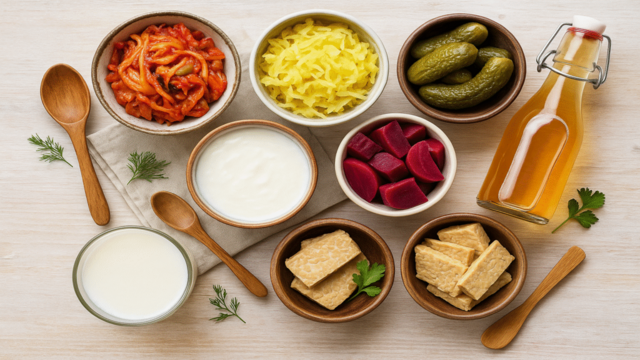
Fermentation turns sugars into healthy acids or alcohol without using oxygen, using bacteria like lactic acid types. In addition to preserving food, this process boosts vitamin levels, making nutrients easier for your body to use. It also creates the live probiotics for your gut health. Think of it as a natural way to keep food fresh. Raw cabbage becomes sauerkraut through this simple process. The acids lower pH, killing off pathogens while letting good ones flourish. Traditional methods keep it simple and effective.
Top Fermented Foods to Try for Gut Health
Yogurt with live cultures is an easy choice for any diet and can be consumed daily. Furthermore, it soothes your stomach and gives you calcium. To avoid extra sugars, try to stick to plain.
Kefir is a tangy milk beverage that helps with lactose digestion and contains even more beneficial microbes than yogurt. It can be eaten on its own or mixed into smoothies.
Sauerkraut and Kimchi are great vegetable options. Unlike pasteurized versions, unpasteurized sauerkraut keeps microbes alive. In places like Korea, Kimchi is part of almost every meal which is believed to be linked with longer lives and fewer gut illnesses. Kimchi brings spice, antioxidants and vitamins from cabbage. These foods are good sources of fiber and probiotics which stop inflammation. Thus, to improve your gut and increase your tolerance to spice, try a tiny tablespoon each day.
Kombucha is a fizzy tea that supports gut health too, as it contains yeast and bacteria. Therefore, pick low-sugar versions to keep your bacteria happy.
How to Find Real Fermented Foods
Pasteurization kills good bacteria. Skip jars that stay on regular shelves for months. Look for labels that say raw or unpasteurized. High sugar in drinks like flavoured Kombucha can feed bad bacteria instead. Check ingredients for live cultures rather than just flavour. Most pickles use vinegar and are not truly fermented. Hence, a quick scan helps you avoid fakes.
Fiber and Protein for Gut Health
Dietary Fiber
Fiber moves through your body like a broom. Soluble fiber soaks up water to soften your waste. It also lowers cholesterol and keeps your blood sugar steady.
Insoluble fiber adds bulk to keep things moving. Therefore, it prevents constipation and feeds microbes. Due to this reason, aim for 25-30 grams each day from whole foods.
Different fibers promote different gut bugs. Oats, beans and apples provide soluble fiber, whereas whole wheat and veggies offer insoluble fiber. This mix helps your gut lining stay strong as both soluble and insoluble provide a fatty acid called butyrate.
Start with berries for an easy fiber boost. Add beans to your soup for protein-fiber combo. Quinoa and other whole grains help your gut stay healthy. In reality, most people do not get enough fiber. Men require 38 grams per day, while women require 25 grams. For this reason, add it to your meals slowly to avoid gas.
Protein Sources
High-quality protein helps fix your gut cells. It builds a mucosal wall that stops toxins from entering your blood. Lean chicken and fish give you amino acids without bad fats. Plant options like quinoa offer both protein and fiber.
Eggs offer complete protein and are easy on your system. Plant based proteins like lentils work if you want to avoid animal protein sources.
The quality of your food is more significant than its quantity. Too much red meat causes swelling inside. Processed meats can hurt your gut. With this in mind, pick fresh foods to stay in balance.
Eating Diverse Plant Sources
Your gut microbiome is made healthy by a variety of plants. It is like a garden with many flowers. Whole grains feed different bugs than seeds do. Black beans give you both protein and fiber.
Try the challenge to eat 30 different plants each week. Track your fruits, veggies, grains and herbs. Swap white rice for quinoa to see your digestion get better.
Try grains like brown rice or farro. Use chickpeas and lentils in your cooking. Eat almonds and chia seeds for a quick snack.
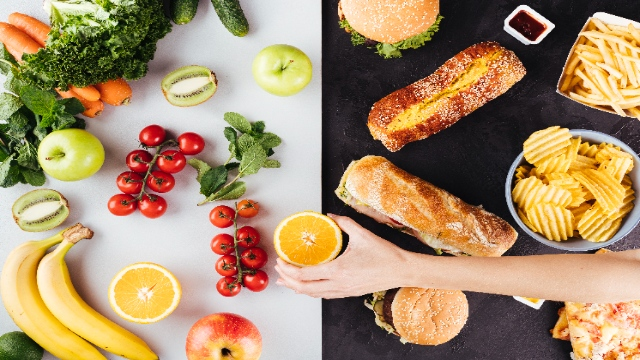 Image Source: Freepik
Microbiota Moderators and Lifestyle Adjustments
The Role of Polyphenols and Phytonutrients
Berries have Polyphenols that help good bacteria grow. Blueberries and strawberries add flavour and keep your gut strong. Berry compounds fuel Lactobacillus which helps you stay strong and healthy. These fruits also stop other germs from growing too much. Thus, it is a simple way to keep your body in balance.
Olive oil compounds soothe inflammation. For this reason, try to put it on your salad every day.
Dark chocolate is good in small amounts. A square of 70% cacao daily works well.
Green tea catechins helps your gut after a meal as it contains beneficial strains.
These foods keep your gut microbes in balance as they are not fibers but act as moderators.
Common Gut Health Saboteurs
- Sugary sodas feed yeast overgrowth. Due to which, they cause energy crashes. Switch to kombucha instead.
- Artificial sweeteners like aspartame can confuse your gut. Hence, use fruit if you need something sweet.
- Only take strong medicine like antibiotics if you must. They kill both good and bad germs.
- Some people feel better without gluten or dairy. Consequently, try leaving them out for two weeks to test.
- Fried foods and snacks slow you down.
- Processed meats and other items are poor nutrient choices. Accordingly, choose whole foods to feel your best.
Building a Balanced Plate
Start with fish for your protein. Add quinoa for fiber. Put some asparagus on the side for prebiotics. Top it with sauerkraut for probiotics. Undoubtedly, this plate has everything you need.
Try this: For a quick meal, combine oats, kefir, and sliced banana. Toss in some chia seeds. They add a great crunch to every bite. This food is simple and helps your gut stay healthy. Change the amount to fit your own needs.
The Impact of Hydration and Stress Management
To help fiber do its work, drink lots of water. It softens stools and aids absorption. For this reason, try to drink eight glasses a day.
Stress hurts your gut too by hitting the vagus nerve. It shifts bacteria balance toward the bad side. Short walks or deep breaths help.
Drink water before you eat to help your body digest.
Get seven hours of sleep to let your gut rest.
Try a simple breathing habit. Inhale for four counts, hold and exhale six. This helps calm your stomach.
Conclusion: The Key to Staying Healthy for Life Lies in Gut Health
Probiotics and Prebiotics team up with fiber and fermented foods to nurture your gut. Fiber and protein provide the power your body needs, while moderators like polyphenols keep your health in balance. They keep your energy up and help you focus. This is not a fad. It is a way to stay healthy. These foods help your body find its natural balance.
You do not have to be perfect. Just try to eat whole foods most of the time, dodge saboteurs and add tiny lifestyle shifts that help you keep winning for a long time. Small changes add up. Start today with one new habit like yogurt at breakfast or pick one fermented food or fiber to boost your next meal. Your gut will thank you for years to come.